Start with what your day asks of you
Before deciding what looks good, think through an ordinary day. Do you walk to a station, drive between appointments, work at a desk or spend time outdoors? What do you carry, and how often do you need your hands free? Accessories are easier to choose when they solve a real problem as well as complement an outfit.
Make a short list of the items you reach for most: perhaps a bag, comfortable shoes, a belt and one small finishing touch. Then notice any friction. If you regularly switch a heavy bag from shoulder to shoulder, a lighter crossbody might be worth trying. If you remove a bracelet whenever you type, it may not belong in your everyday selection. Your goal is not to own every kind of accessory; it is to find a few that suit the way you move.
Choose a bag around its contents
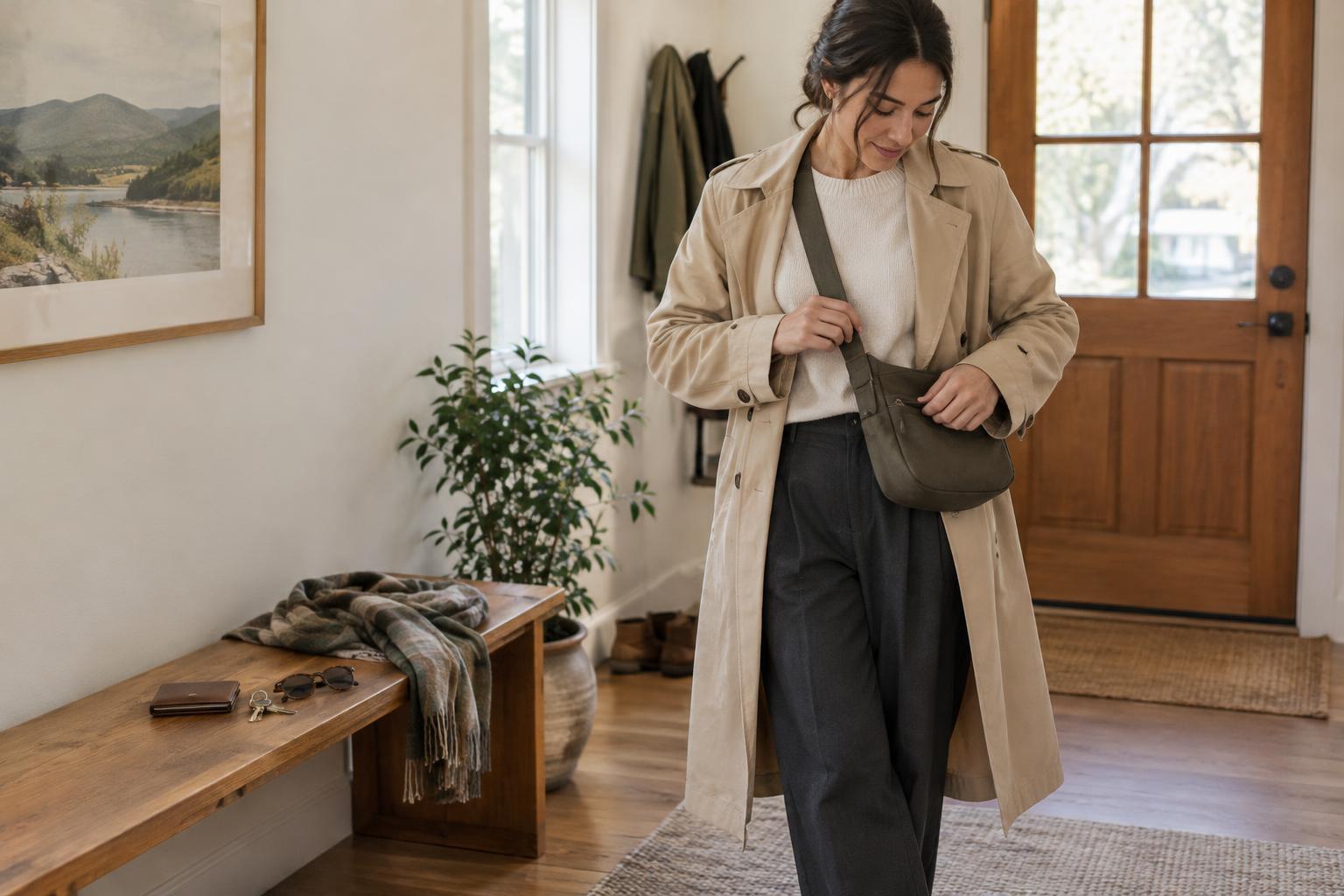
A daily bag should fit your actual essentials without inviting you to carry everything you own. Lay out your keys, wallet, phone and any other items you routinely need. Check that a prospective bag has room for them and that you can find them easily. Pockets can help, but a simple interior may work just as well if you use a small pouch.
Consider the bag when it is full, not only when it is empty. A strap should sit comfortably over the clothing you usually wear, including a coat if needed. If your days vary, you might prefer one compact bag for light outings and a larger one for work or travel. Keeping their most-used contents similar can make switching between them less of a chore.
Let comfort guide wearable details
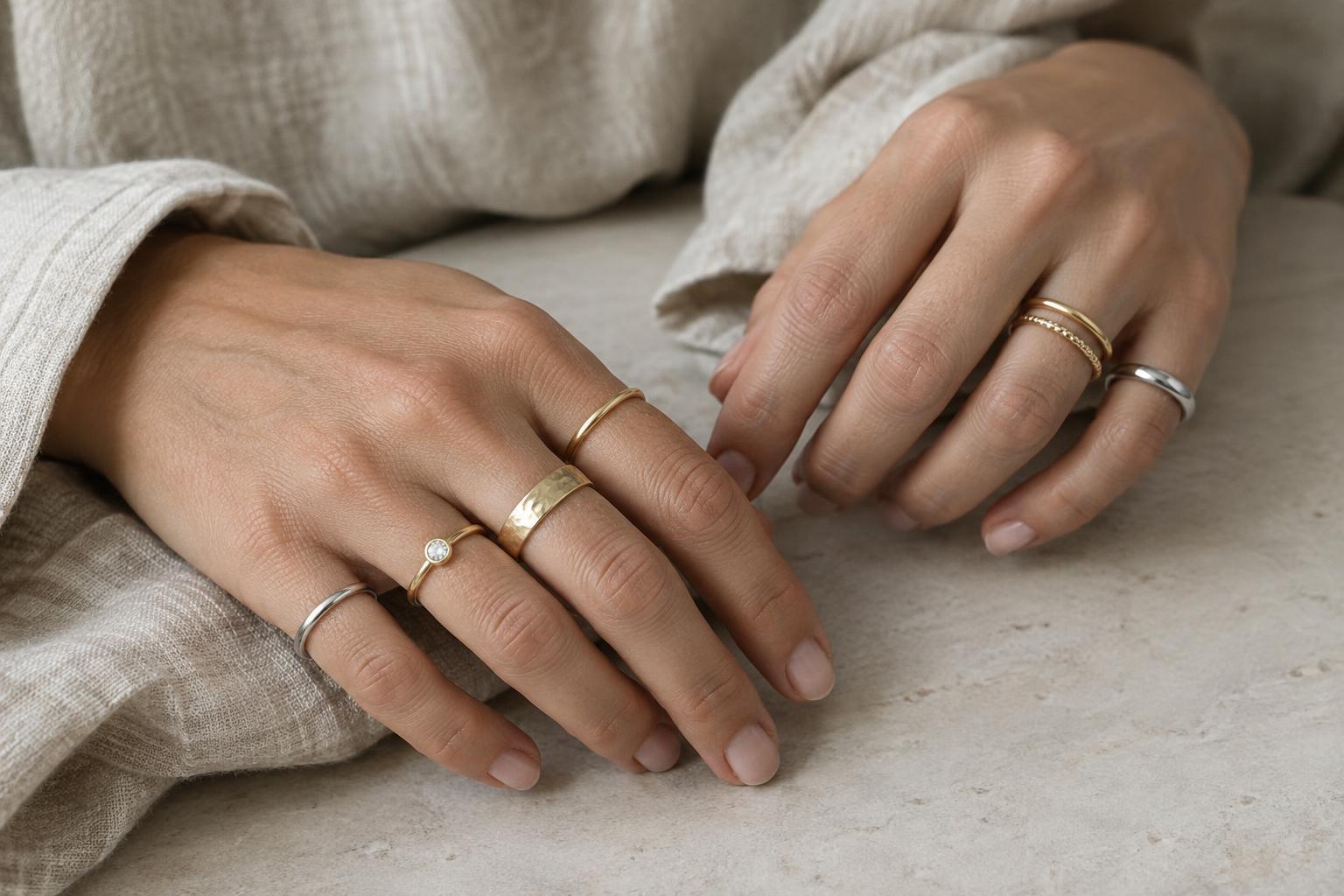
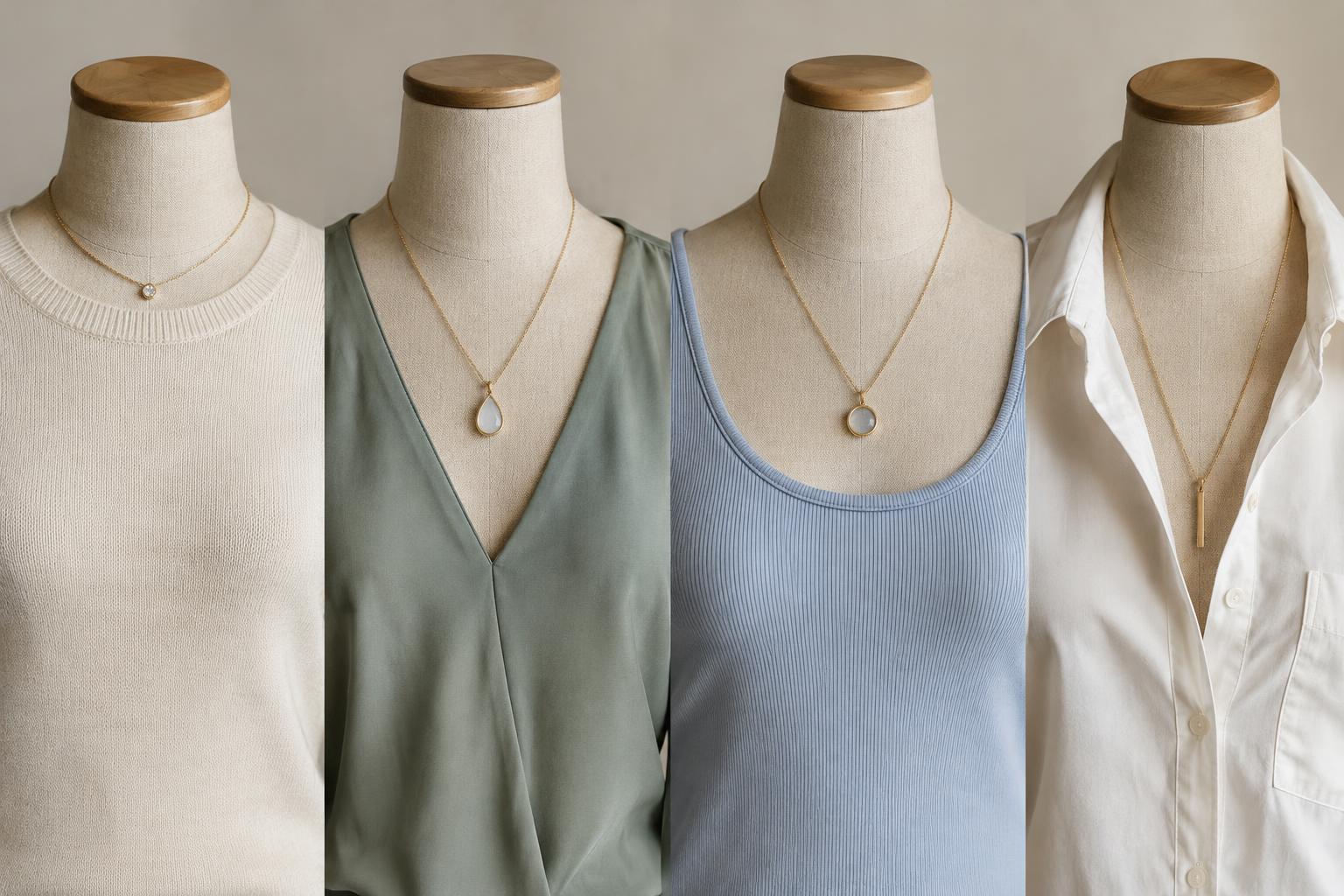
Shoes, belts, jewelry and eyewear stay in contact with you for hours, so their feel matters. Try shoes with the type of socks you expect to wear, and check whether they feel secure while walking rather than only while standing. A belt should hold its place without needing constant adjustment. For jewelry, consider whether clasps are easy for you to use and whether pieces catch on sleeves, hair or bag straps.
Comfort also includes how much attention an item demands. Someone who prefers an uncomplicated morning may enjoy a watch or a pair of earrings that works with most outfits. Someone who likes to change their look might keep a small tray of options within easy reach. Neither approach is more stylish; the better choice is the one you will enjoy wearing regularly.
Build combinations, not a matching set
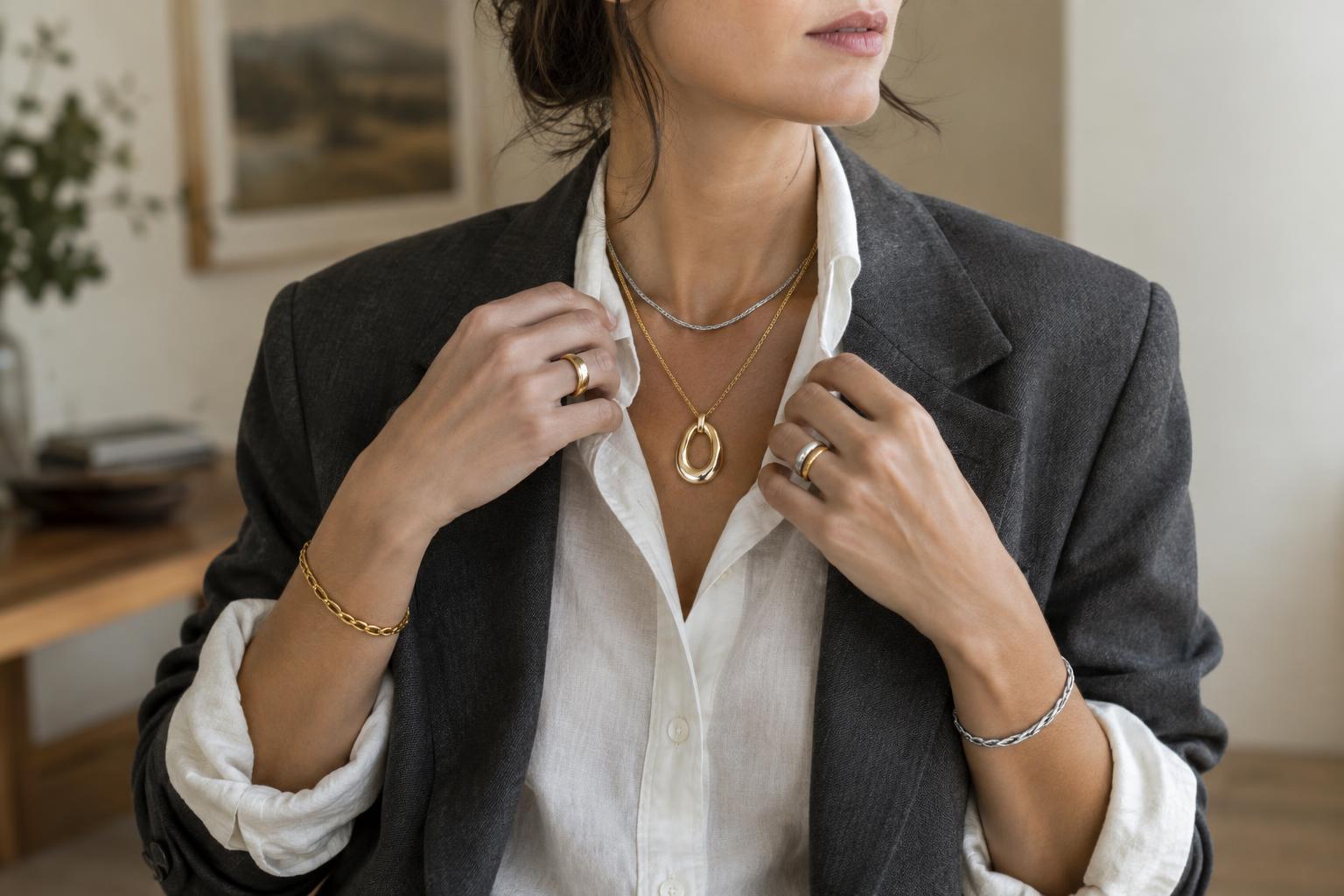
You do not need every accessory to match. Instead, look for a few connections that make an outfit feel considered. A navy bag can sit comfortably alongside dark denim, a pale shirt and tan shoes. A patterned scarf might repeat one color from your jacket while introducing another. Repeating a color, texture or shape once is often enough to create a sense of balance.
If you are starting from scratch, choose versatile pieces in colors that already appear in your wardrobe. Look at the coats and shoes you wear most, since accessories often appear beside them. You can then add one piece in a color or texture you enjoy, such as a woven belt or a bright scarf. Try it with at least a few outfits you already own before deciding how useful it will be.
Keep a small, workable rotation
An accessory earns its place when it fits your life and remains easy to care for. Check care labels and material guidance before cleaning an item. Empty bags occasionally, let shoes air between wears when possible, and store delicate pieces where they will not tangle or be crushed. These simple habits also give you a chance to spot loose stitching or worn fastenings early.
As your routine changes, reassess your selection rather than adding pieces automatically. A bag that was ideal for commuting may be less useful if you now travel lightly; a scarf you rarely wore in one season may become a favorite with a different coat. Start with what works today, notice what you repeatedly reach for, and let those observations guide your next choice.