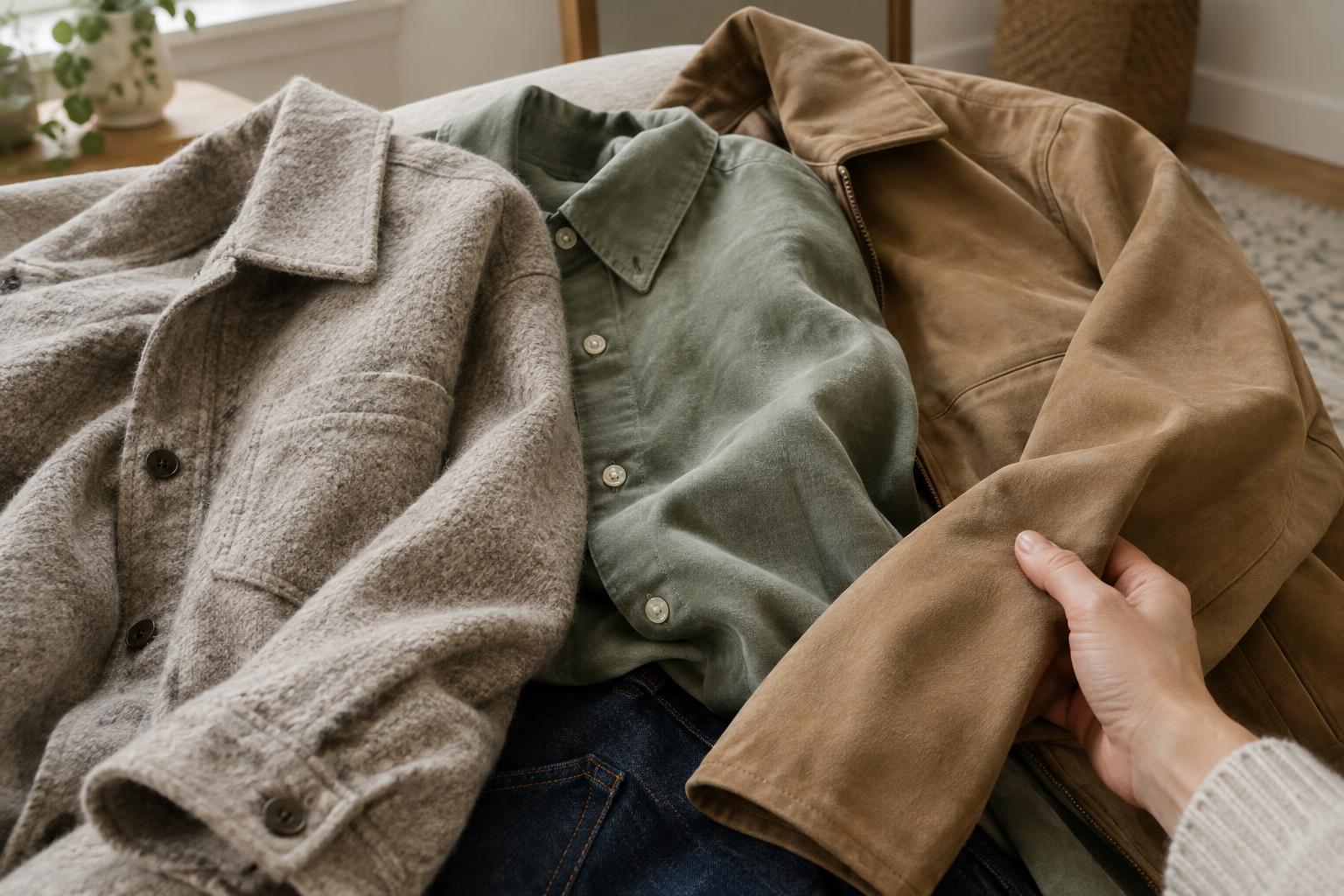
Fabrics and TexturesA fabric can feel soft because of its fiber, its construction or a finish applied to its surface. Learn what brushed, peached and sueded usually mean, how to compare garments by touch, and where these textures work in everyday outfits.
Read article · 4 min↗
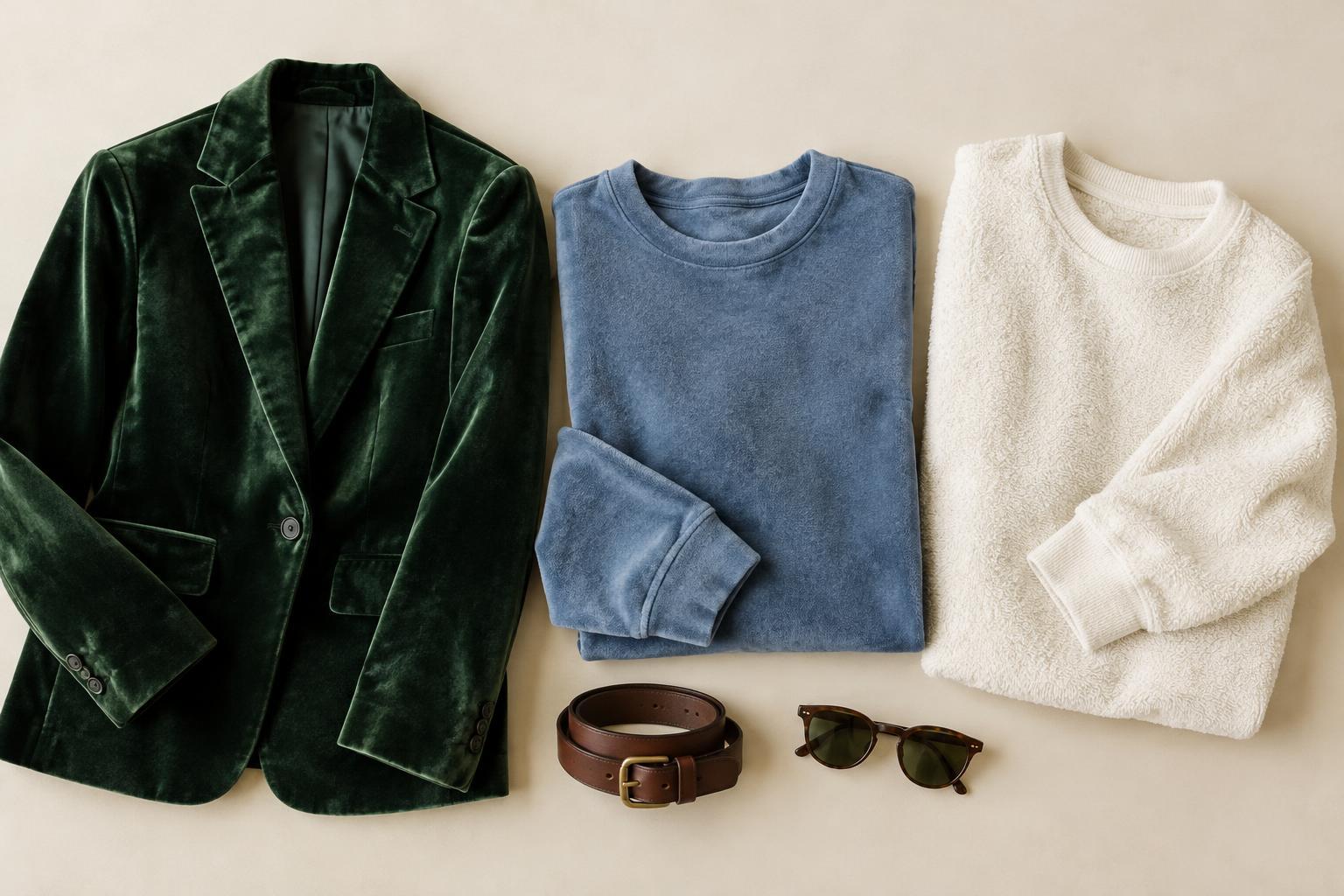
Fabrics and TexturesVelvet, velour and terry all have raised surfaces, but they look and behave differently. Learn how to recognize their textures, choose them for everyday outfits and care for their pile.
Read article · 4 min↗
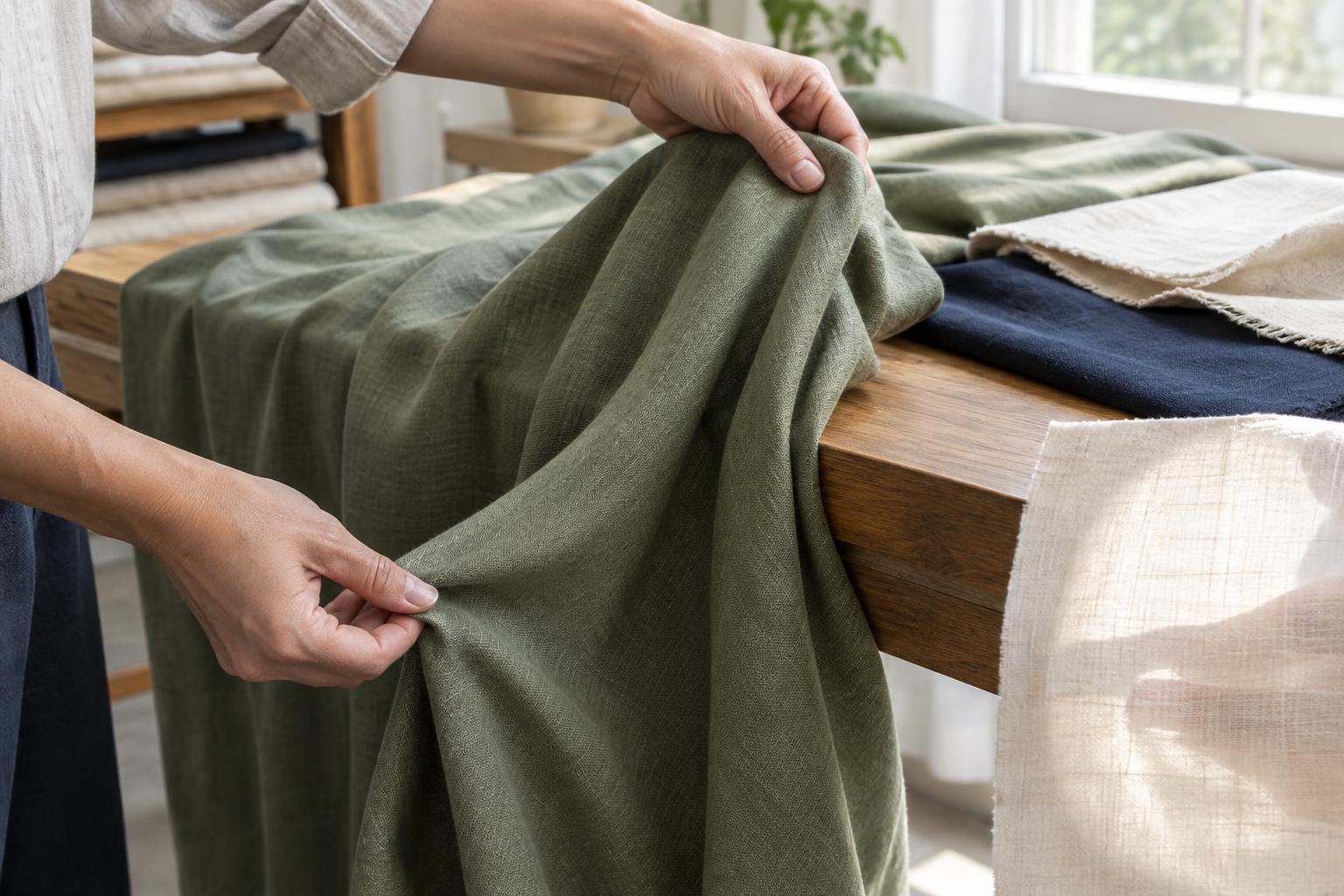
Fabrics and TexturesA fabric can feel lovely in your hand and still disappoint in an outfit. Learn simple ways to check how it hangs, moves and covers, whether you are buying yardage or a finished garment.
Read article · 4 min↗
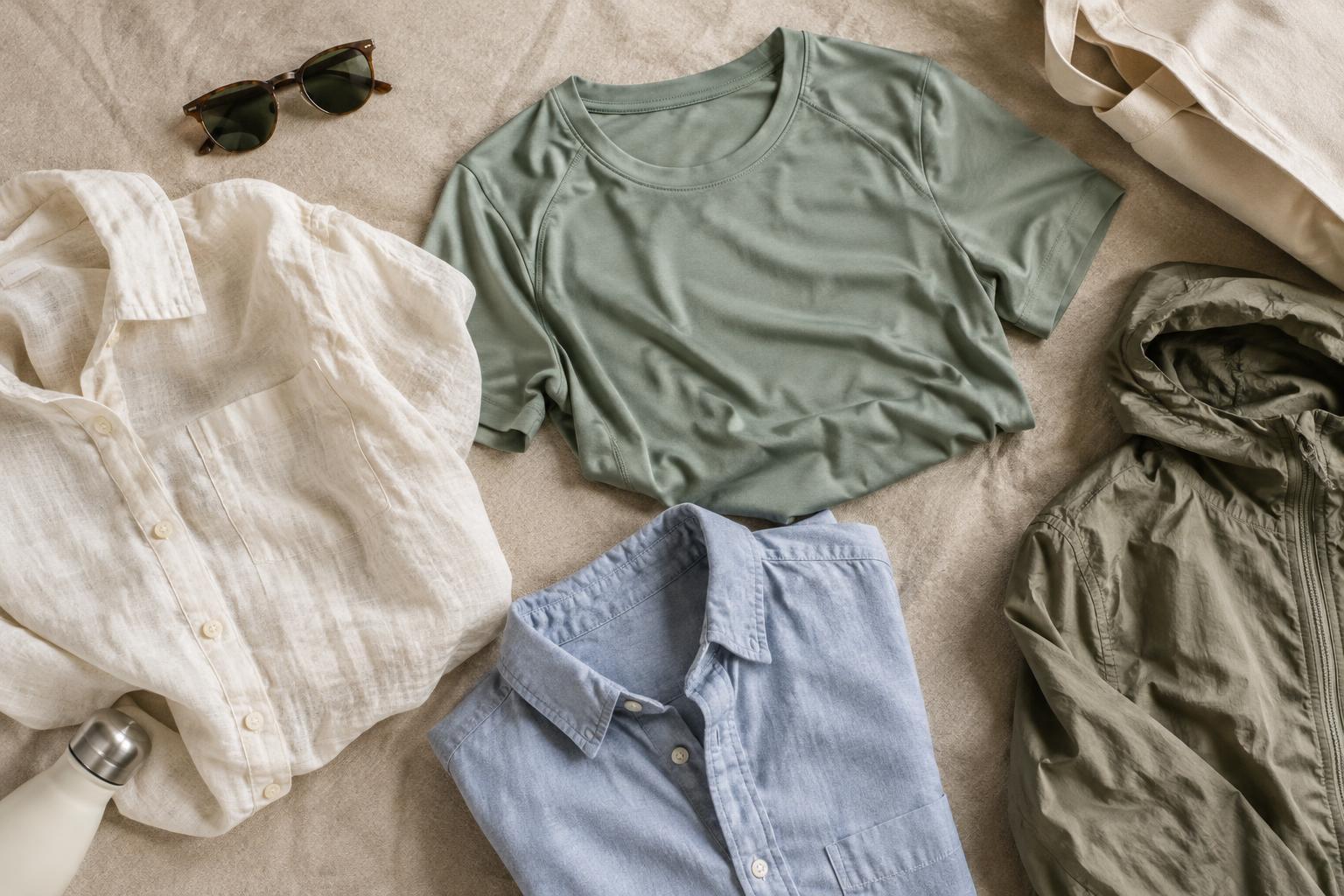
Fabrics and TexturesBreathable and moisture-wicking are not interchangeable fabric features. Learn what each one does, how common materials behave, and how to choose comfortable clothes for commuting, warm weather, travel and active days.
Read article · 4 min↗
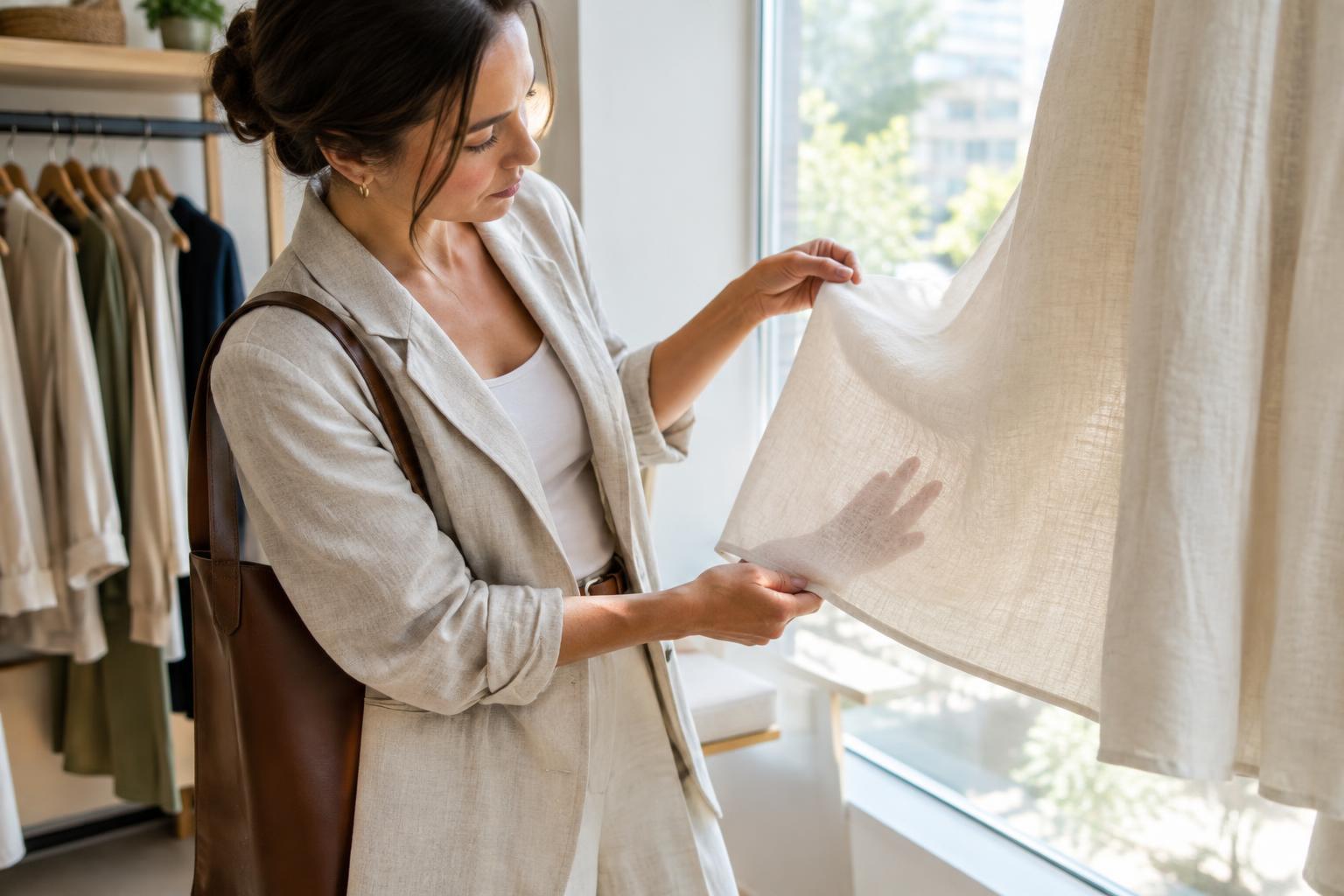
Fabrics and TexturesAn unlined garment can look opaque on a hanger and reveal more once it is worn. Learn how to check fabric in different light, account for stretch and movement, and assess product photos when shopping online.
Read article · 4 min↗
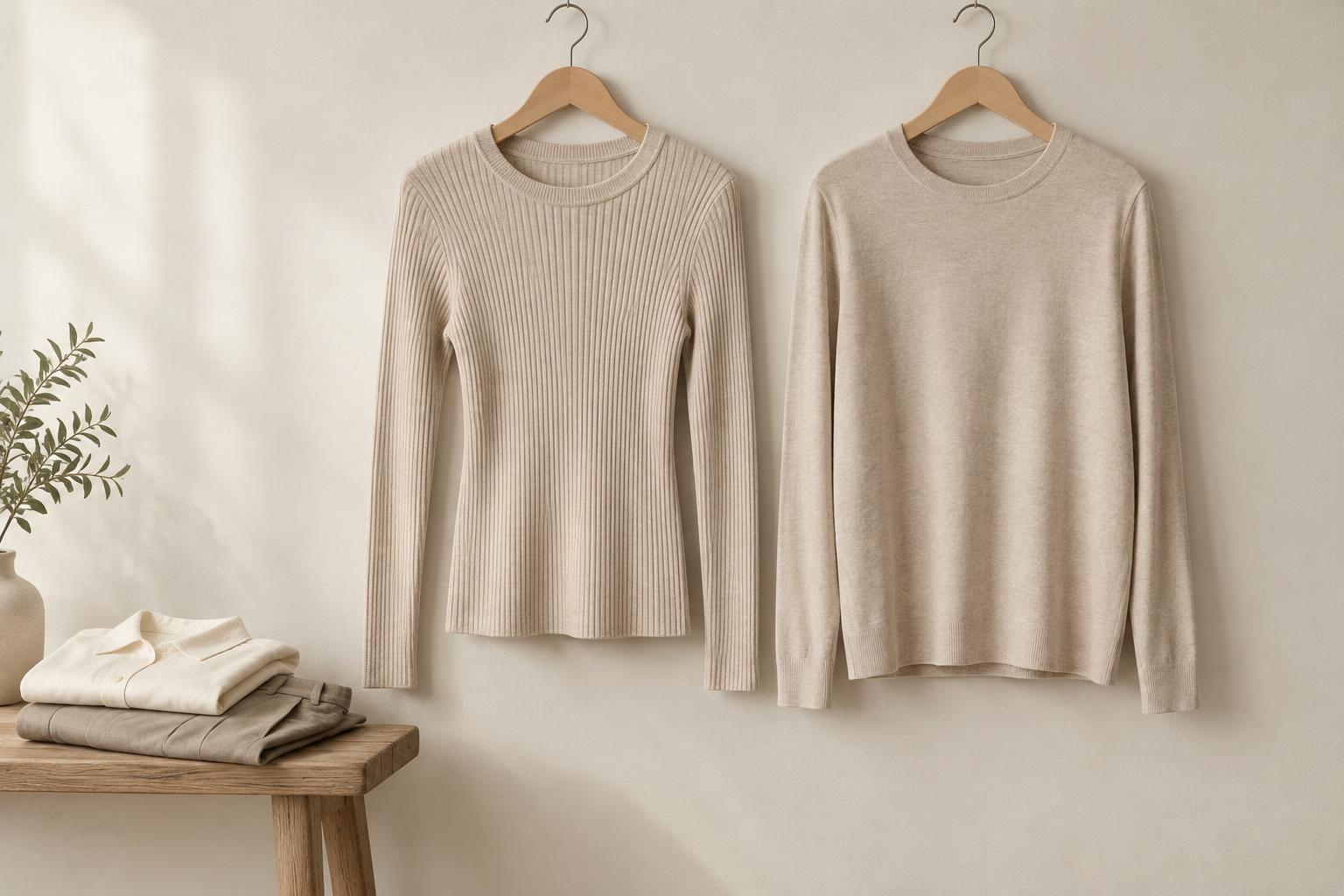
Fabrics and TexturesTwo knit tops in the same color and size can look surprisingly different. Learn how ribbed and plain knit fabrics affect stretch, drape, texture and layering, and what to check before choosing one.
Read article · 4 min↗
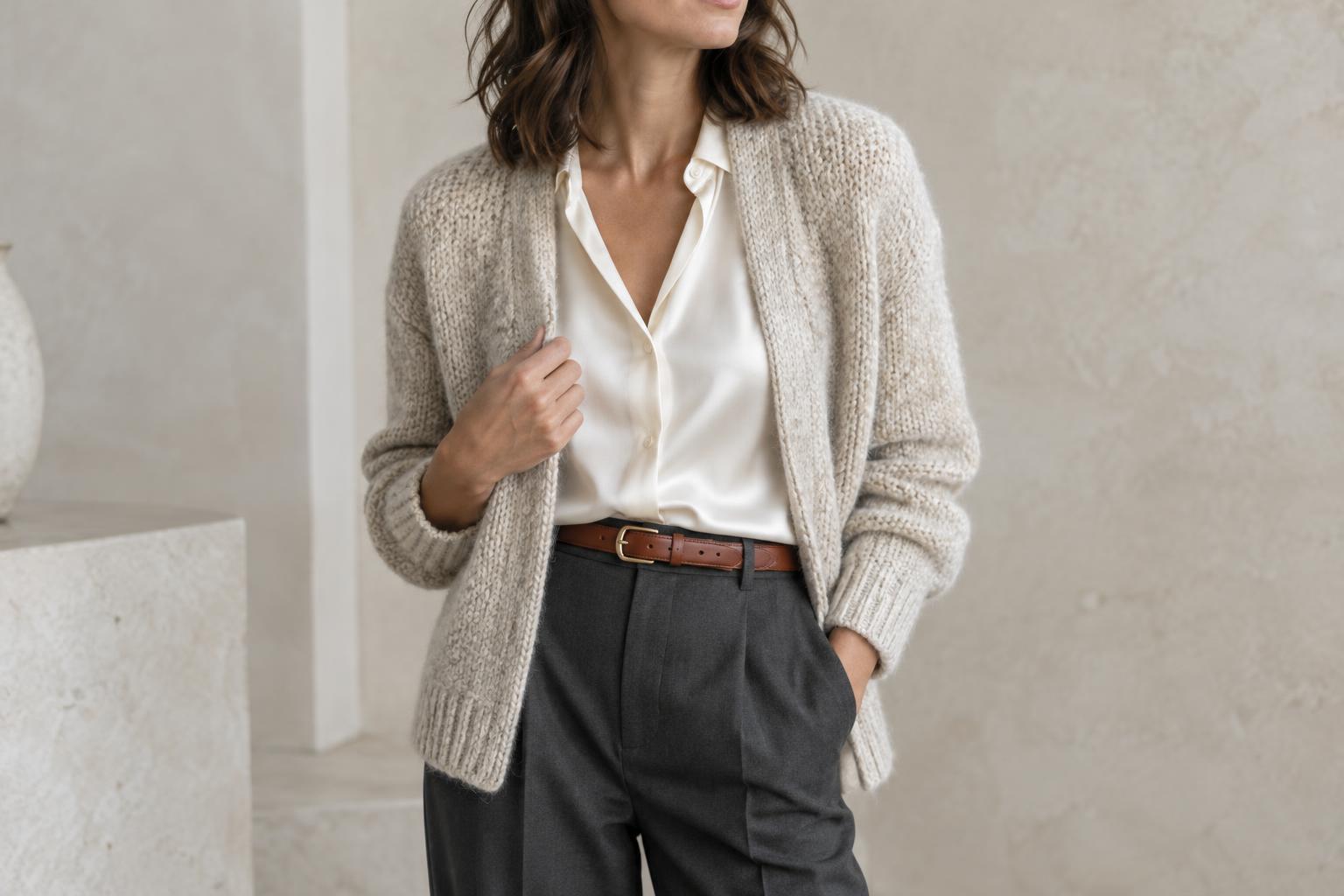
Fabrics and TexturesMixing smooth and textured fabrics adds depth to an outfit without requiring bold colors or complicated layering. Learn how to balance shine, texture and weight, then put those ideas to work in everyday outfits.
Read article · 3 min↗
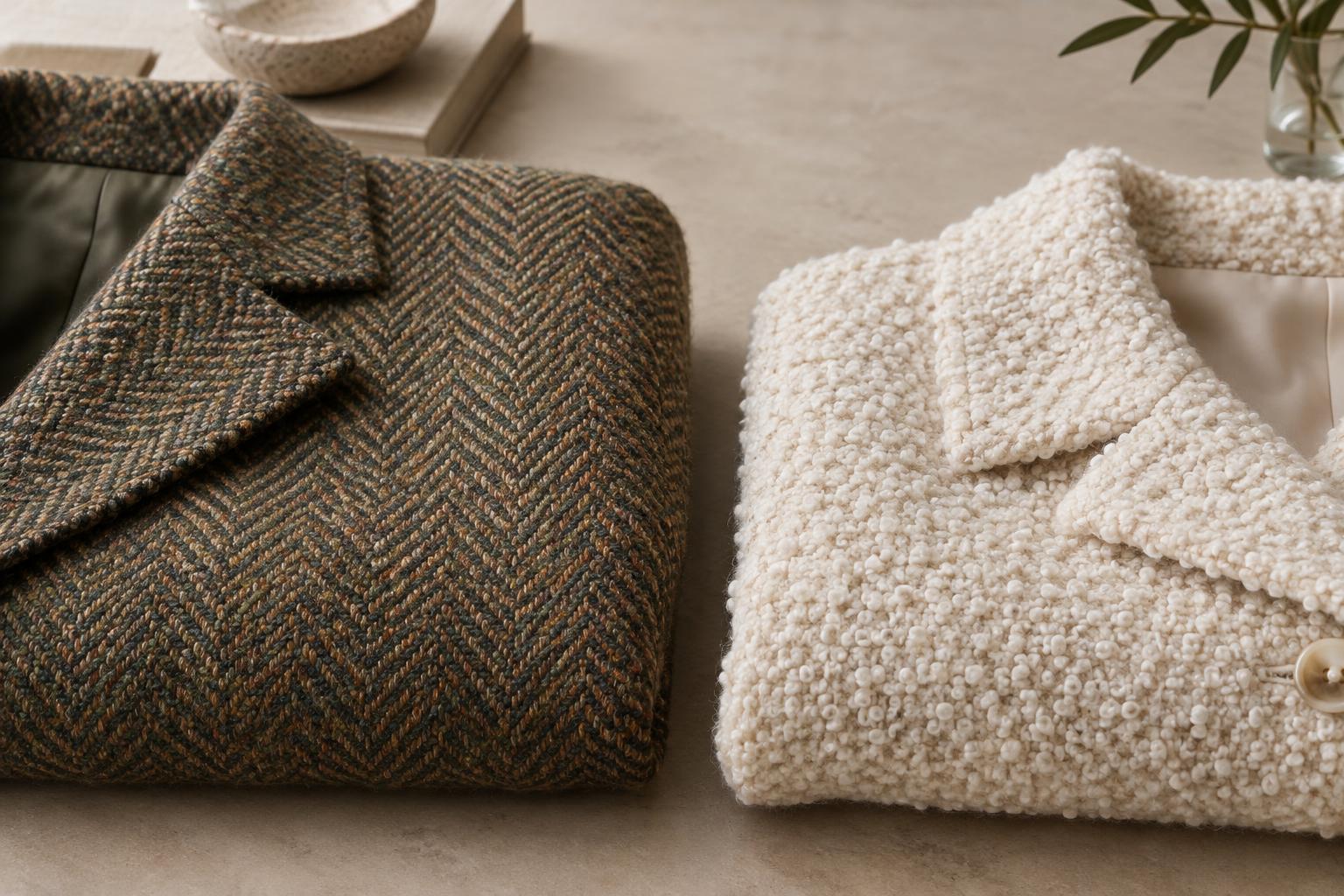
Fabrics and TexturesTweed and bouclé can look similar at a glance, but they describe different things. Learn what to look for in the weave, yarn and surface texture, plus how to wear and care for each fabric.
Read article · 4 min↗
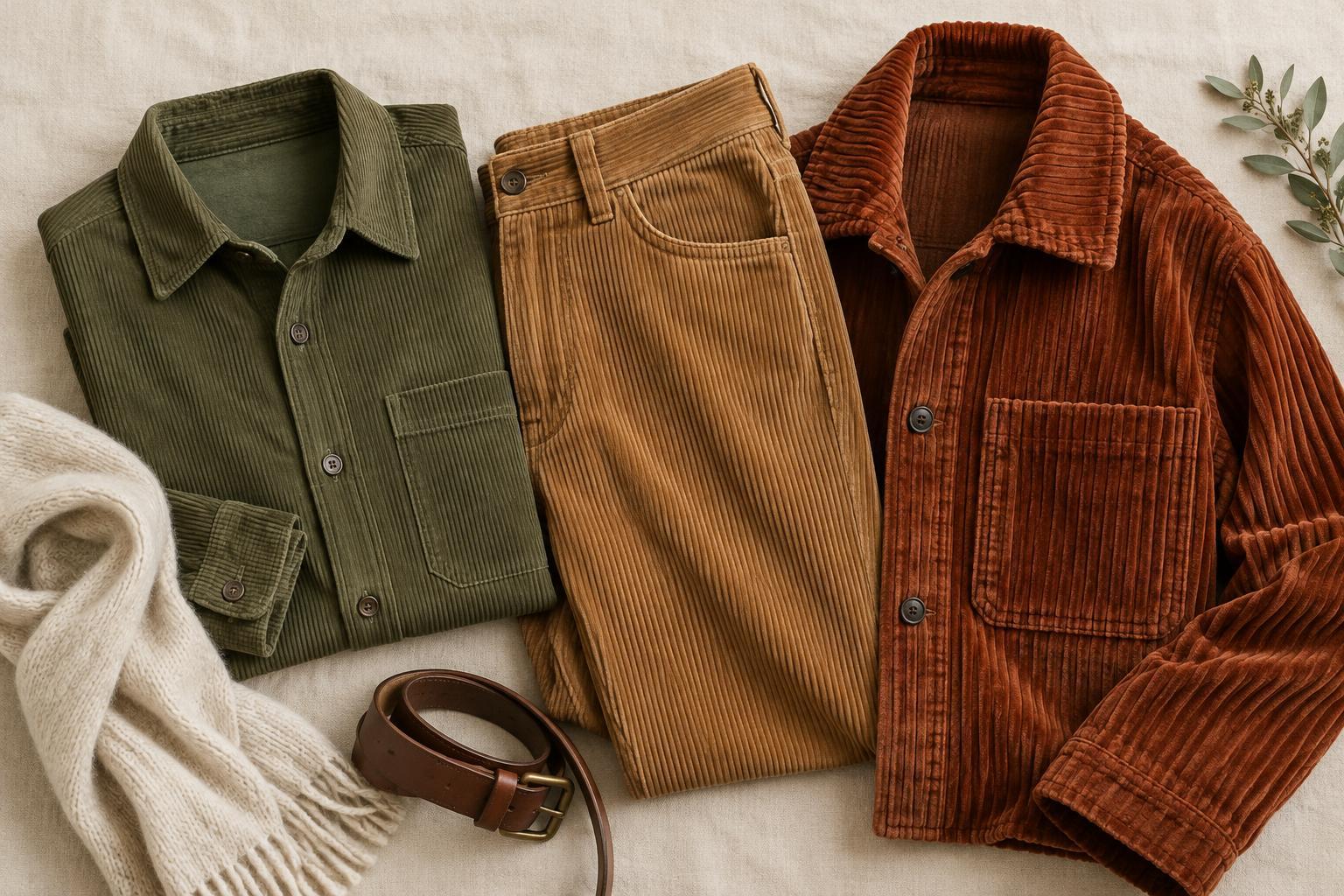
Fabrics and TexturesThe width of corduroy’s ribs changes how a garment looks, feels and layers. Learn what wale means, how fine, medium and wide corduroy differ, and how to choose a texture that works with your wardrobe.
Read article · 4 min↗
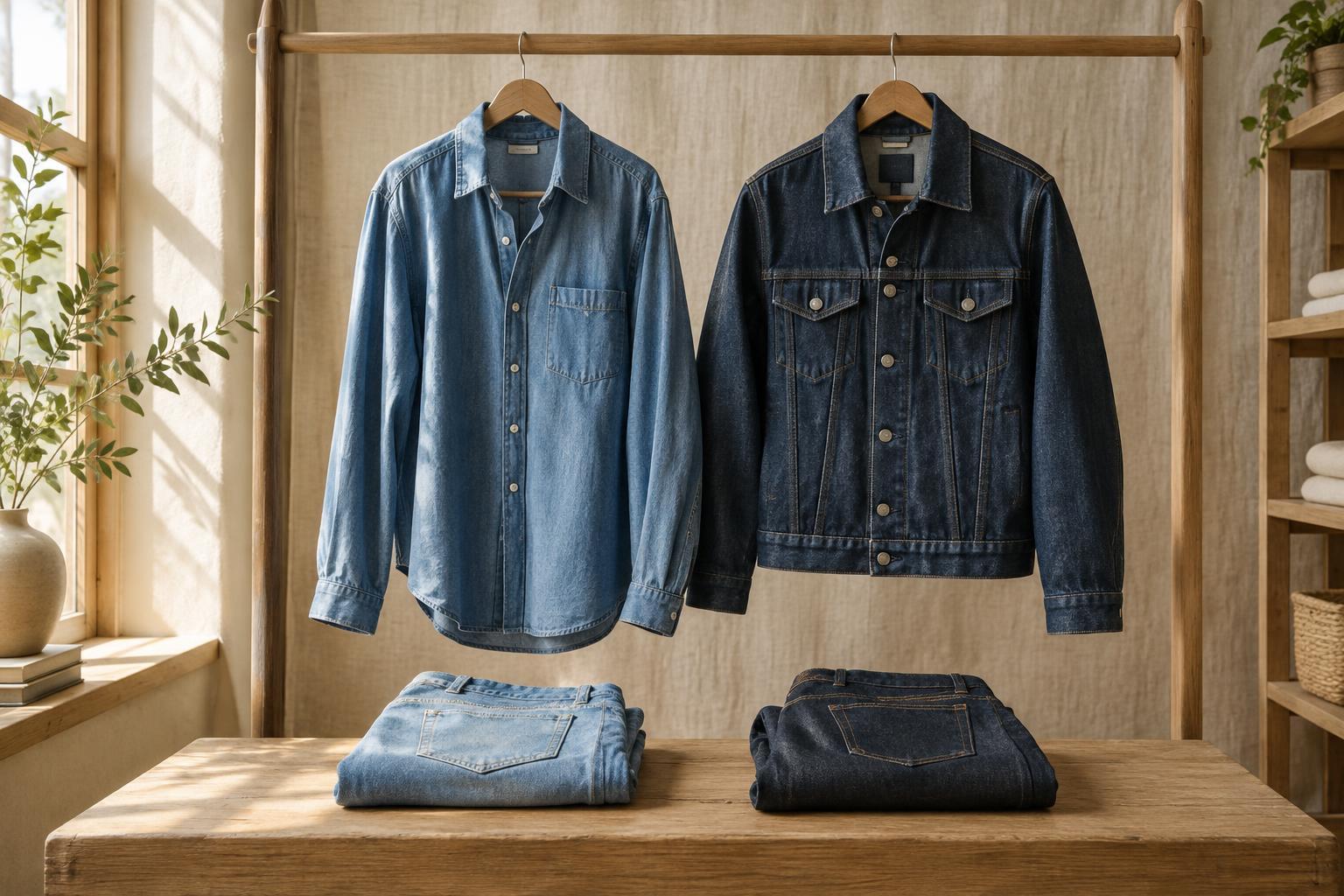
Fabrics and TexturesDenim weight affects how jeans and jackets drape, feel, and layer. Learn what lightweight and heavyweight denim offer, why fabric weight is only part of the story, and how to choose a pair you will enjoy wearing.
Read article · 4 min↗
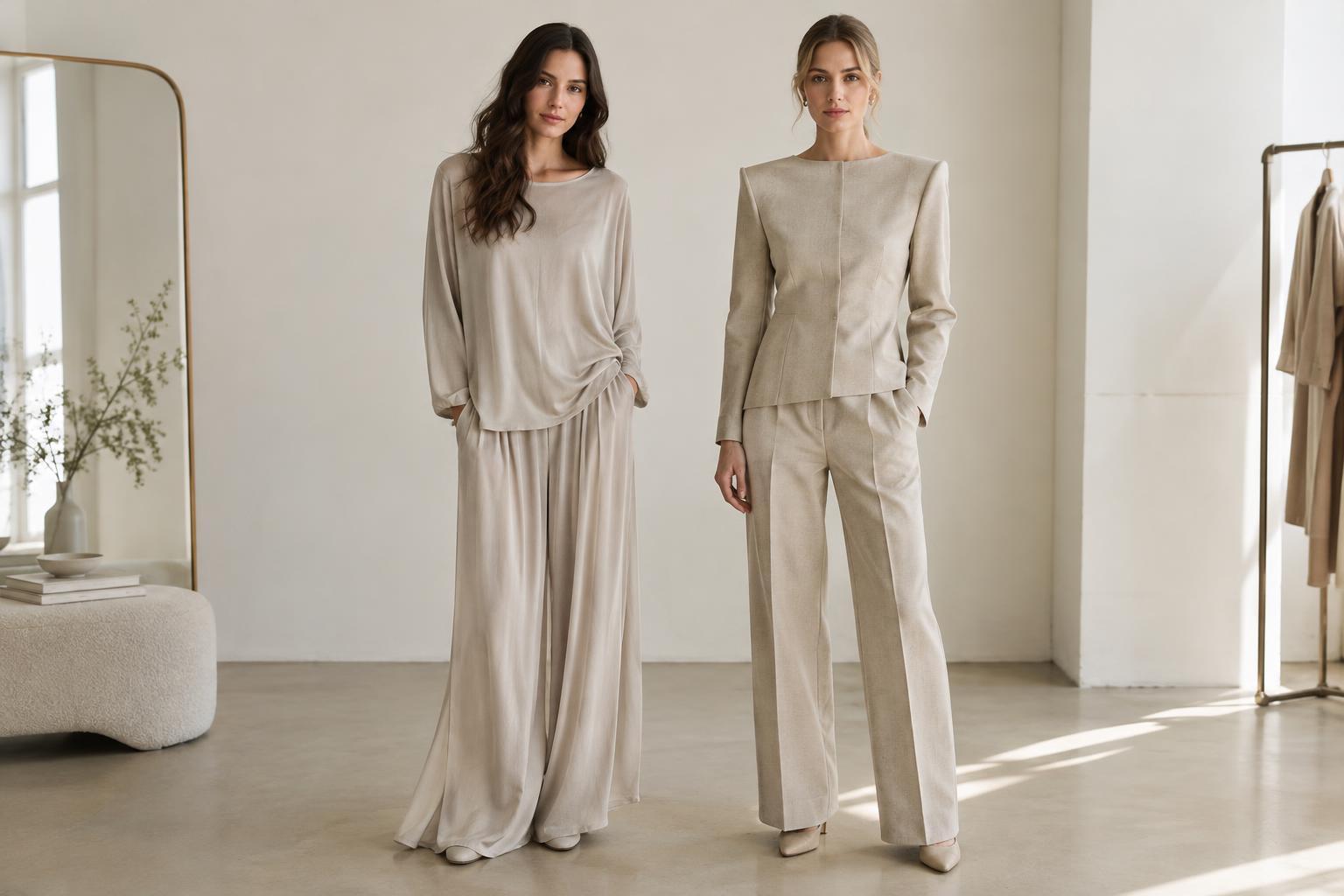
Fabrics and TexturesTwo garments can have the same color and cut yet create very different silhouettes. Learn how drapey and structured fabrics behave, how to combine them, and what to check when trying clothes on.
Read article · 4 min↗
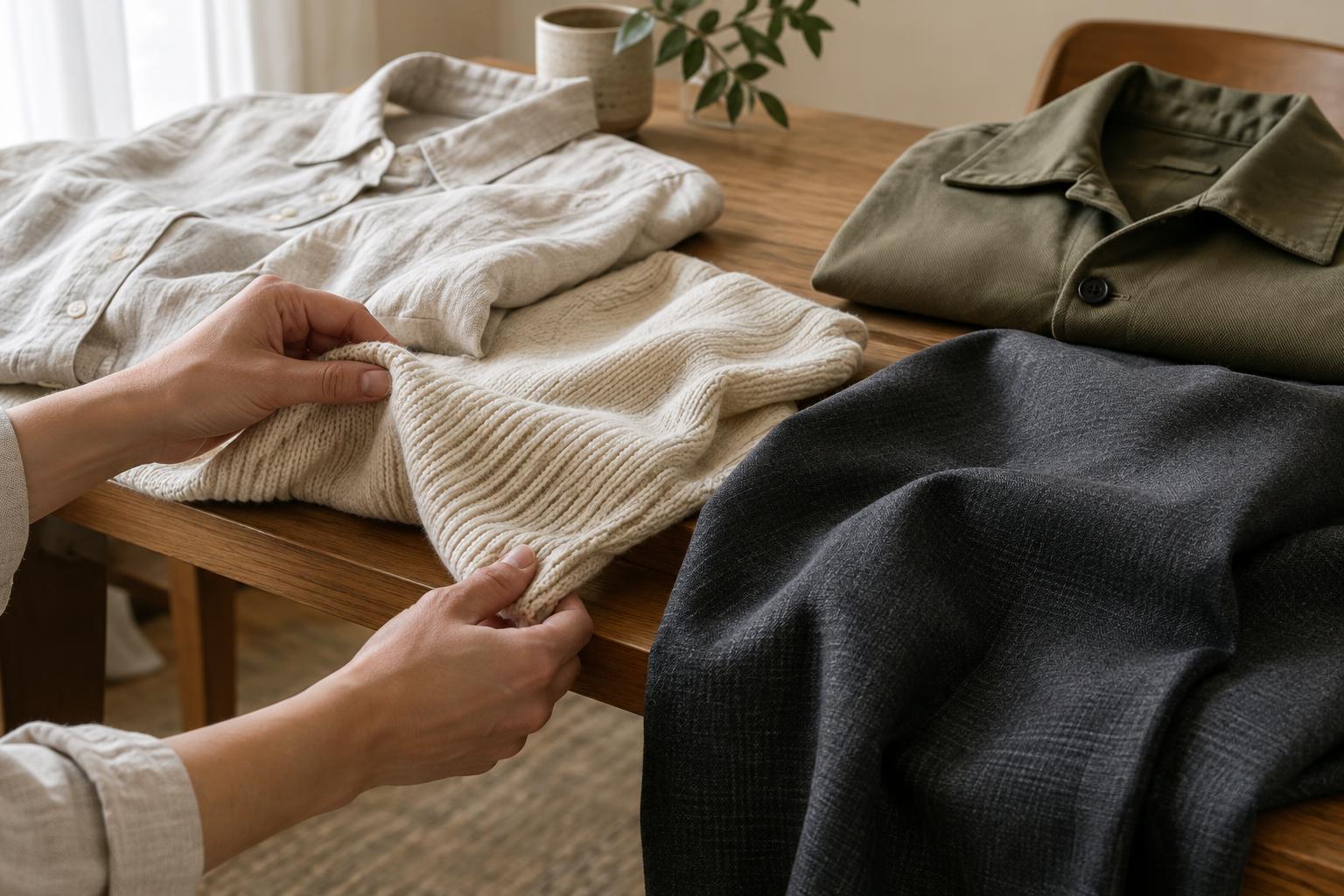
Fabrics and TexturesA fabric can feel thick without being heavy, or heavy without looking bulky. Learn what weight and thickness reveal about drape, warmth, layering, and everyday wear—and how to assess a garment when neither measurement is listed.
Read article · 4 min↗
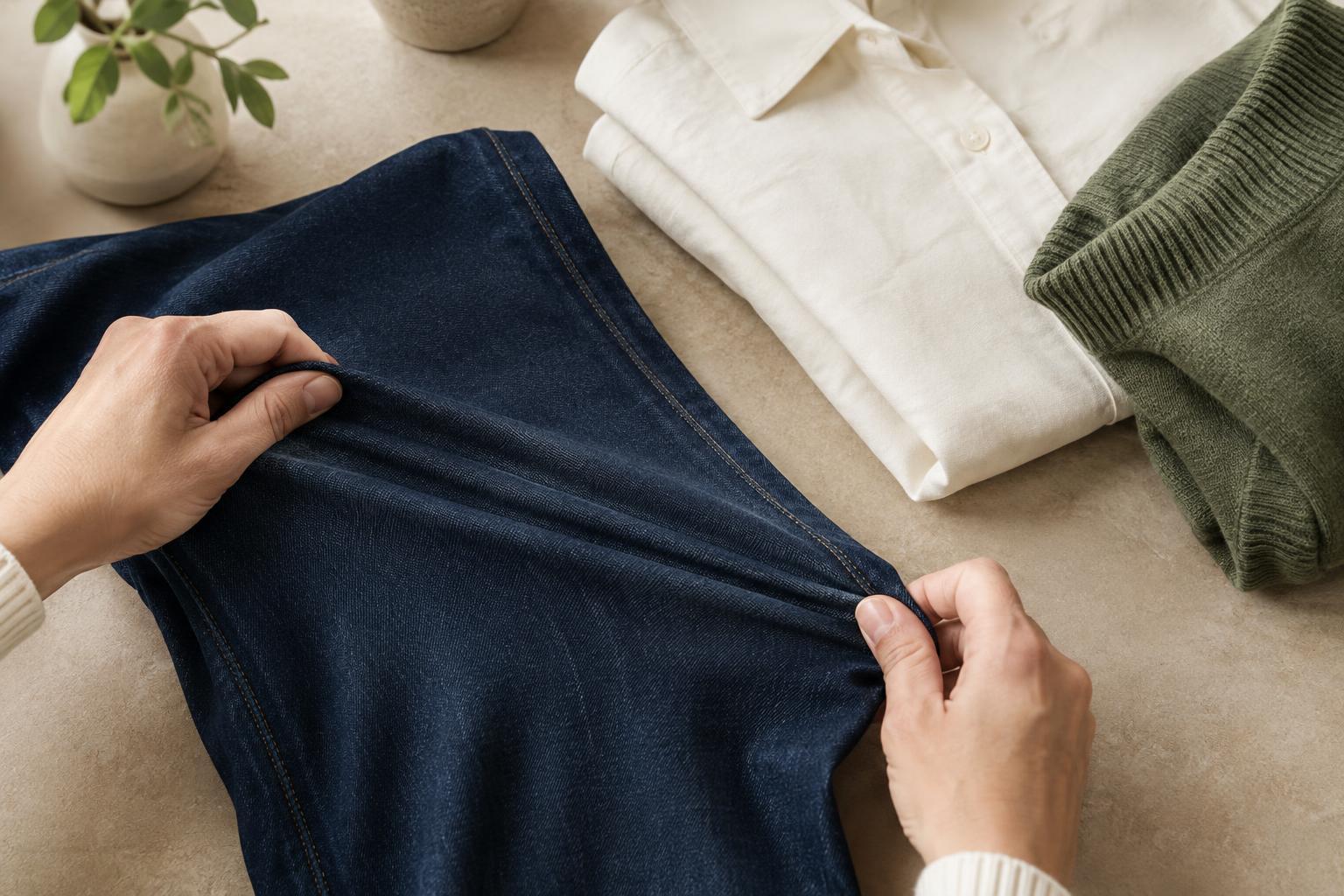
Fabrics and TexturesElastane can make clothes easier to move in and help them return to shape, but stretch is not always the best choice. Learn how to read fabric labels, judge fit and care for stretchy pieces.
Read article · 4 min↗
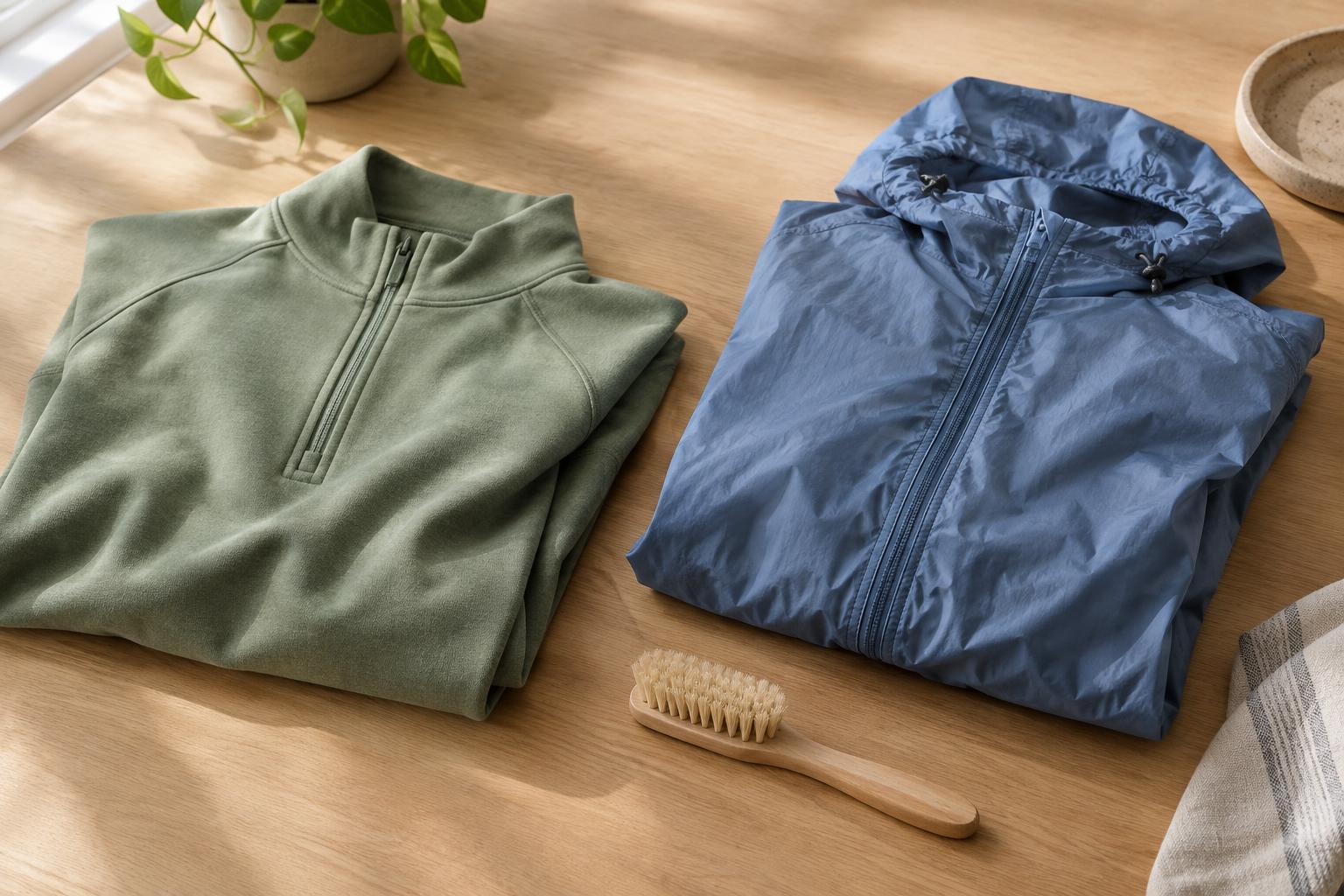
Fabrics and TexturesPolyester and nylon can look surprisingly similar on a clothing label, but they often behave differently in everyday wear. Learn how to compare their feel, durability, drying time and care needs before choosing a garment or accessory.
Read article · 4 min↗
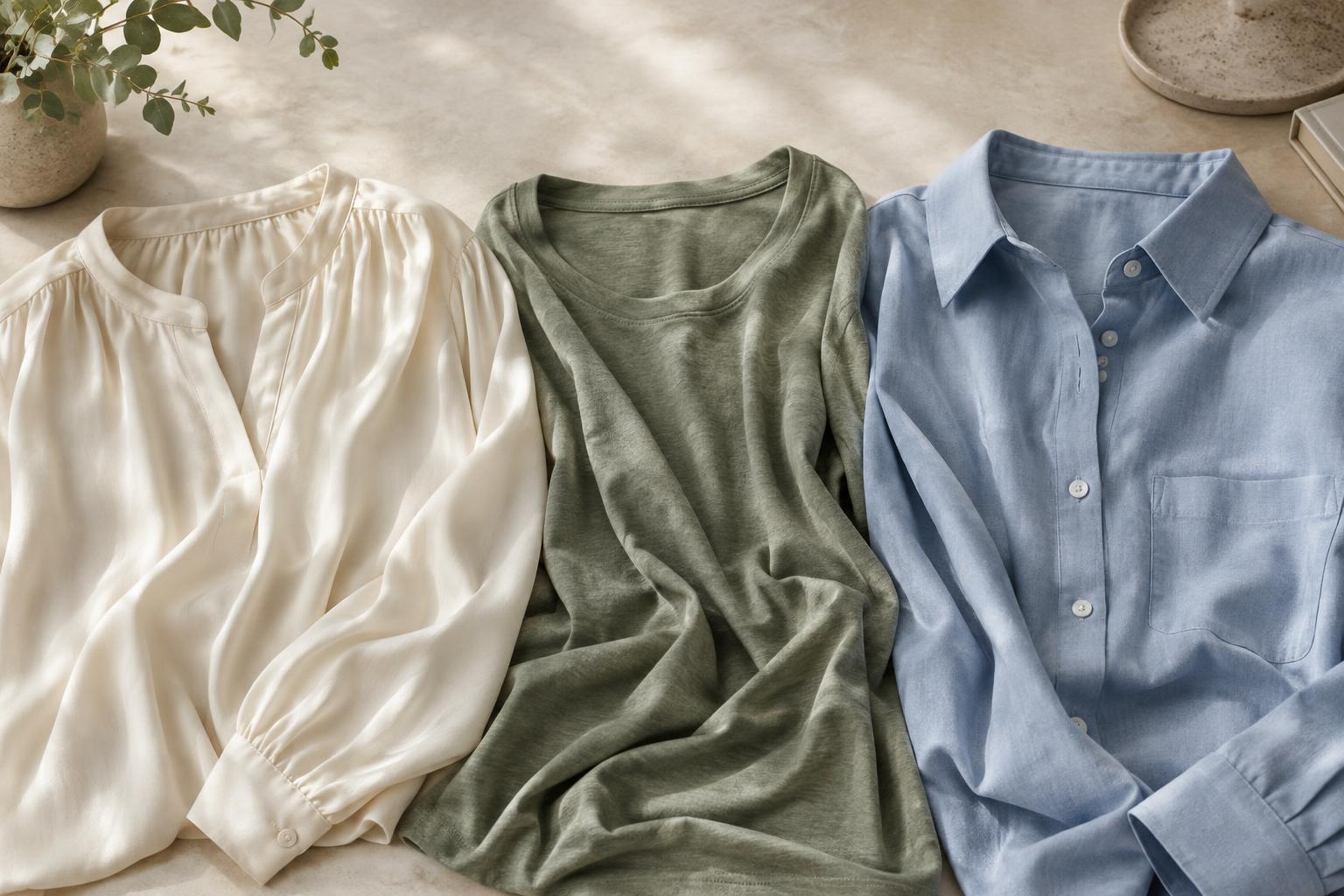
Fabrics and TexturesViscose, modal and lyocell can look similar on a clothing label, but they do not always feel or behave alike. Learn what these regenerated fibers are, how to choose between them and how to care for them in an everyday wardrobe.
Read article · 4 min↗
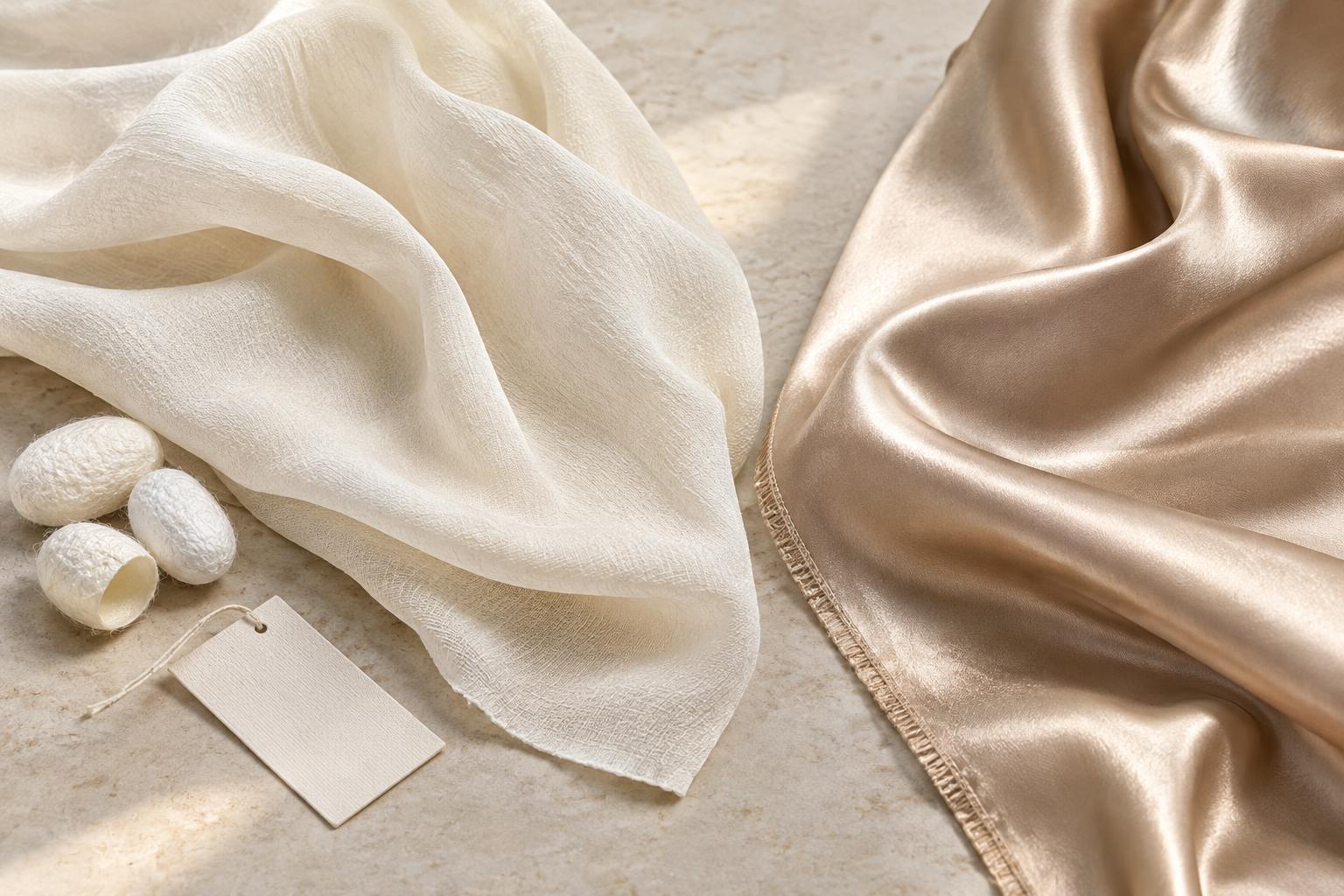
Fabrics and TexturesSilk and satin can look similarly smooth, but they describe different things. Learn how fiber and weave affect a fabric’s feel, appearance and care, so you can choose pieces that suit your wardrobe.
Read article · 4 min↗
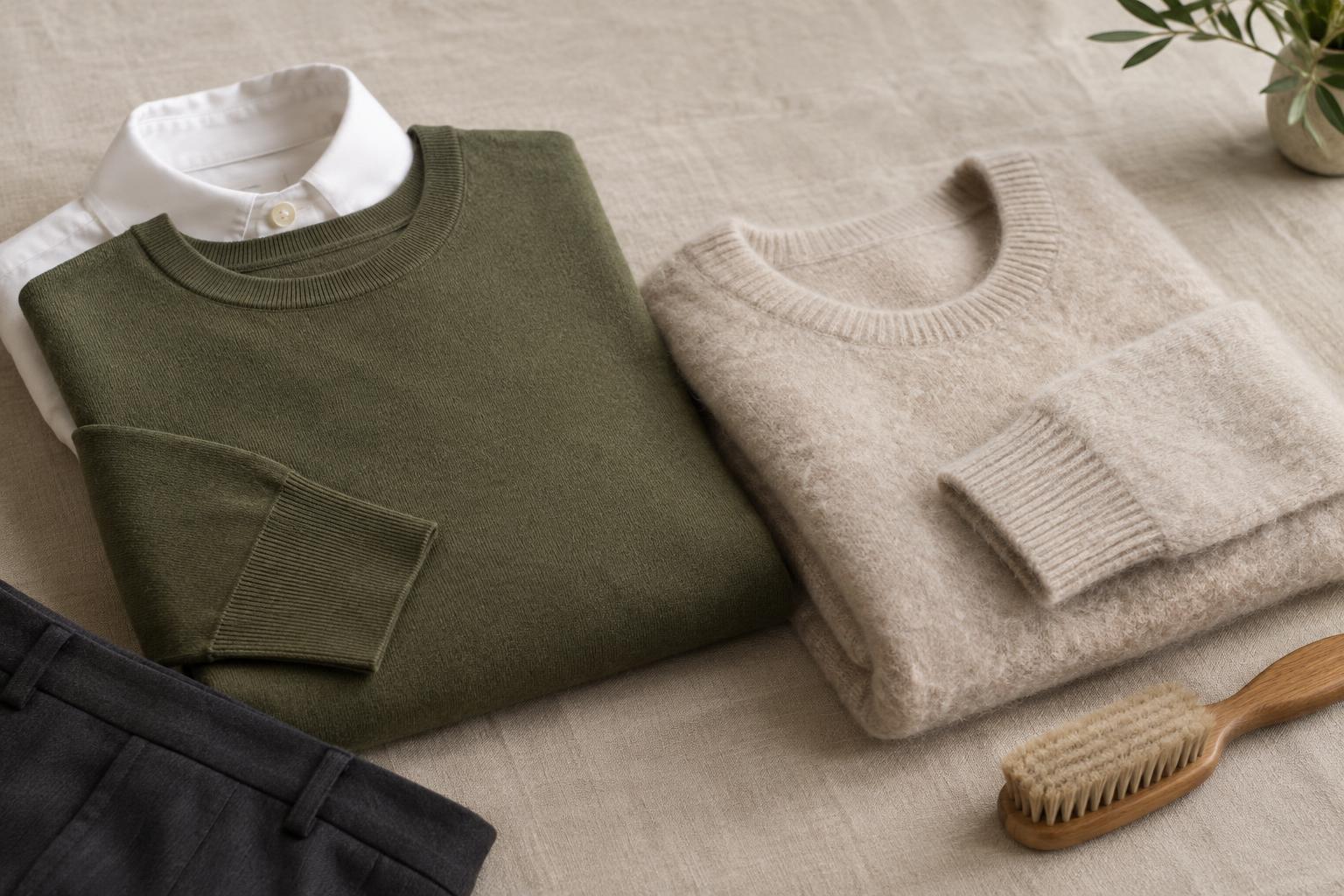
Fabrics and TexturesMerino wool and cashmere can both make a sweater feel special, but they suit different routines. Compare their texture, warmth, layering potential and care needs to decide which belongs in your everyday wardrobe.
Read article · 4 min↗
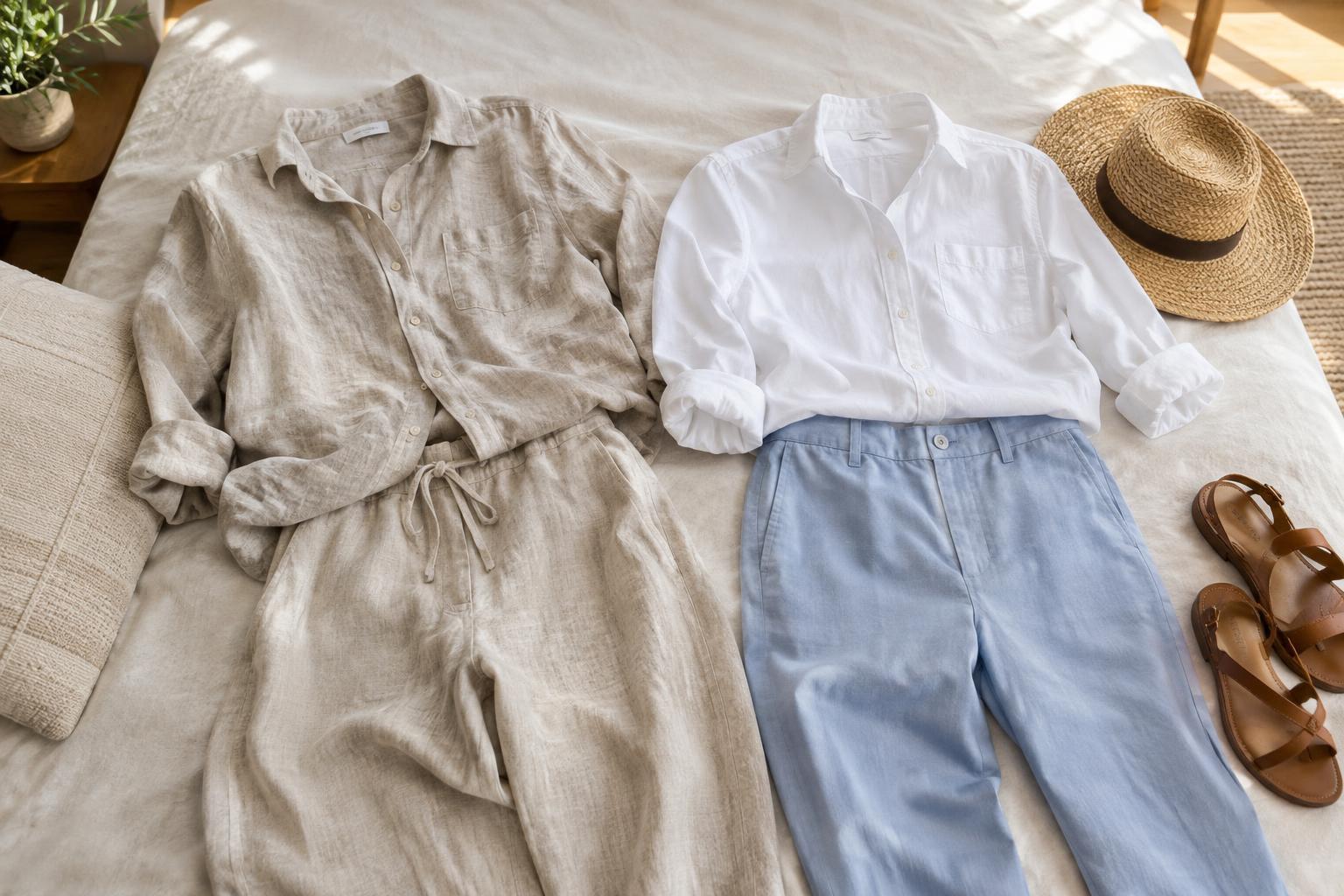
Fabrics and TexturesLinen and cotton can both work well in the heat, but the feel of an outfit depends on more than its fiber label. Compare airflow, texture, wrinkles and care, then use simple outfit examples to choose the fabric that suits your day.
Read article · 4 min↗
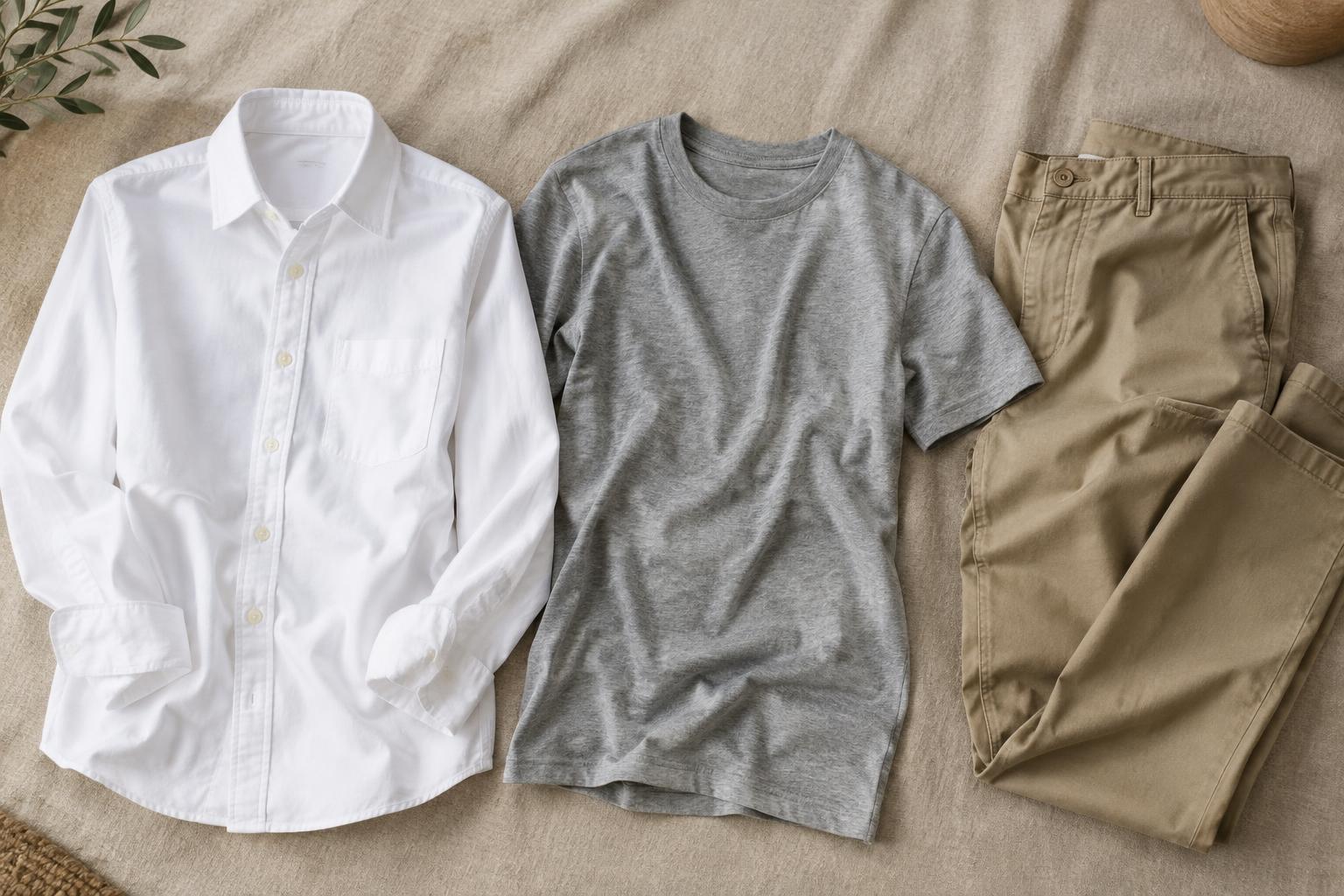
Fabrics and TexturesA shirt, a T-shirt and a pair of chinos can all contain cotton, yet feel and behave very differently. Learn how poplin, jersey and twill are made, where each works well, and what to check before choosing an everyday garment.
Read article · 4 min↗
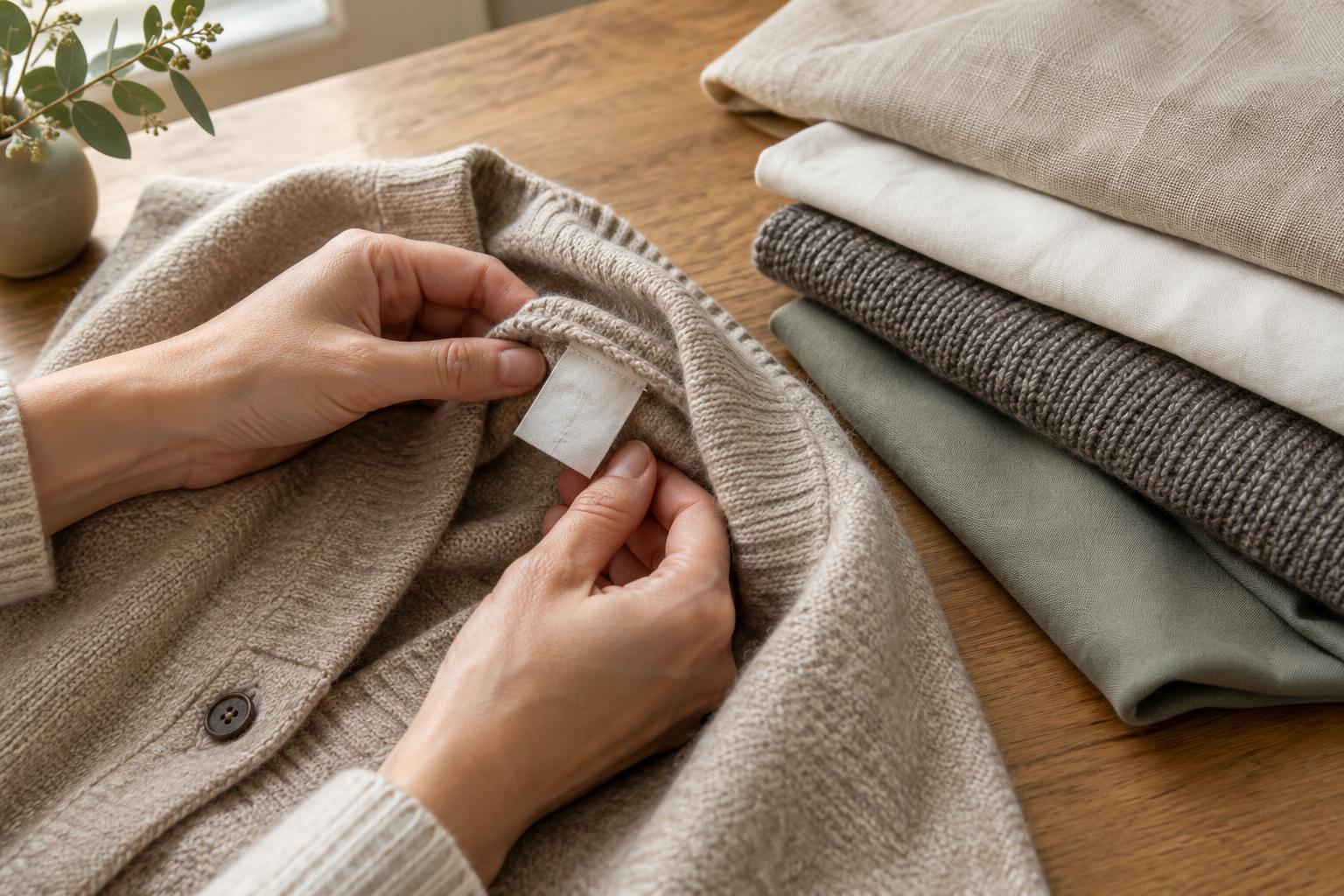
Fabrics and TexturesA fabric composition label can offer useful clues about how a garment may feel, drape and fit into your wardrobe. Learn what common blends suggest, why small percentages matter and what the label cannot tell you on its own.
Read article · 4 min↗
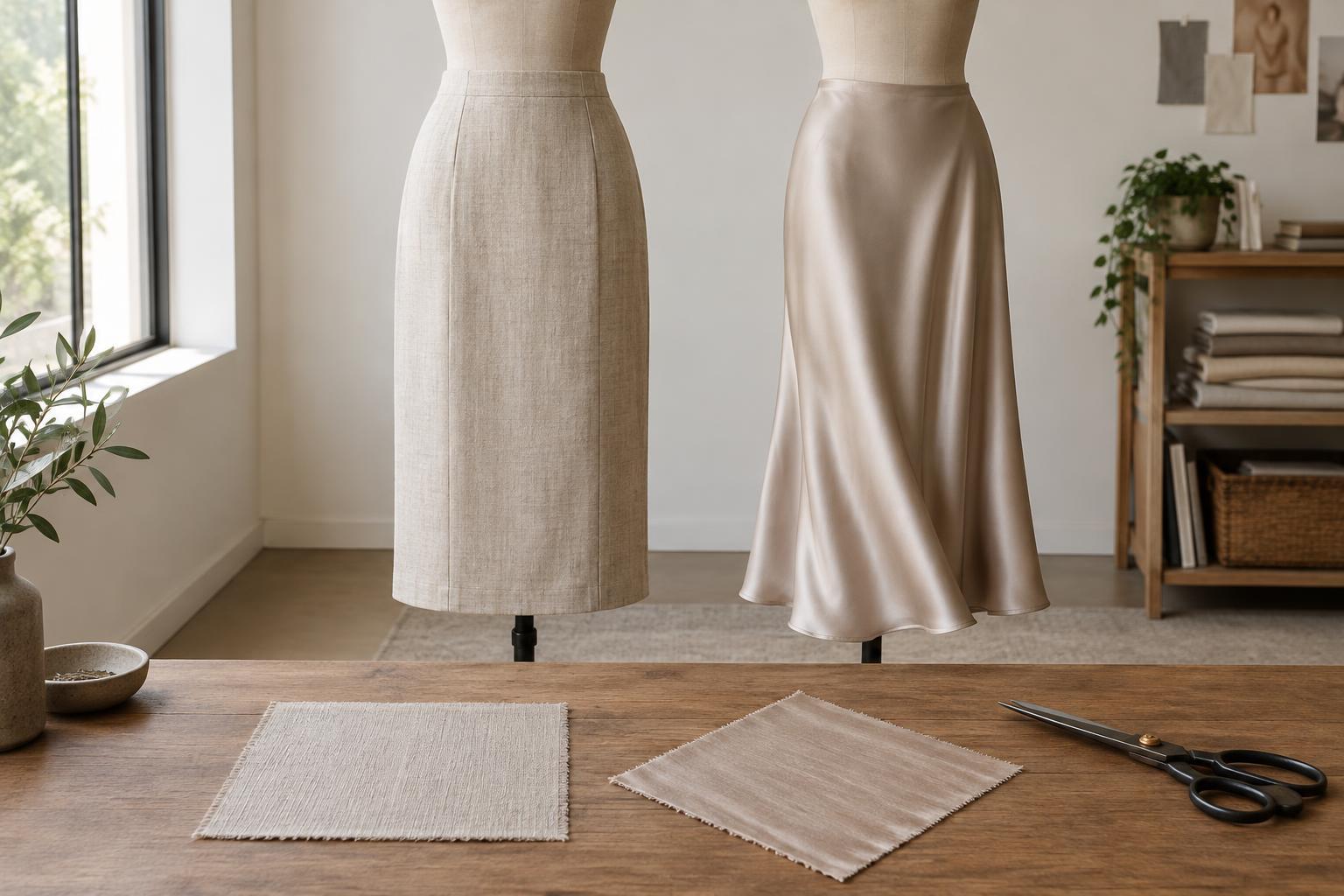
Fabrics and TexturesA woven garment can skim the body, hold a crisp shape, or fall in soft folds partly because of the direction in which its pieces were cut. Learn how lengthwise grain, crosswise grain, and bias affect drape, fit, and everyday care.
Read article · 4 min↗
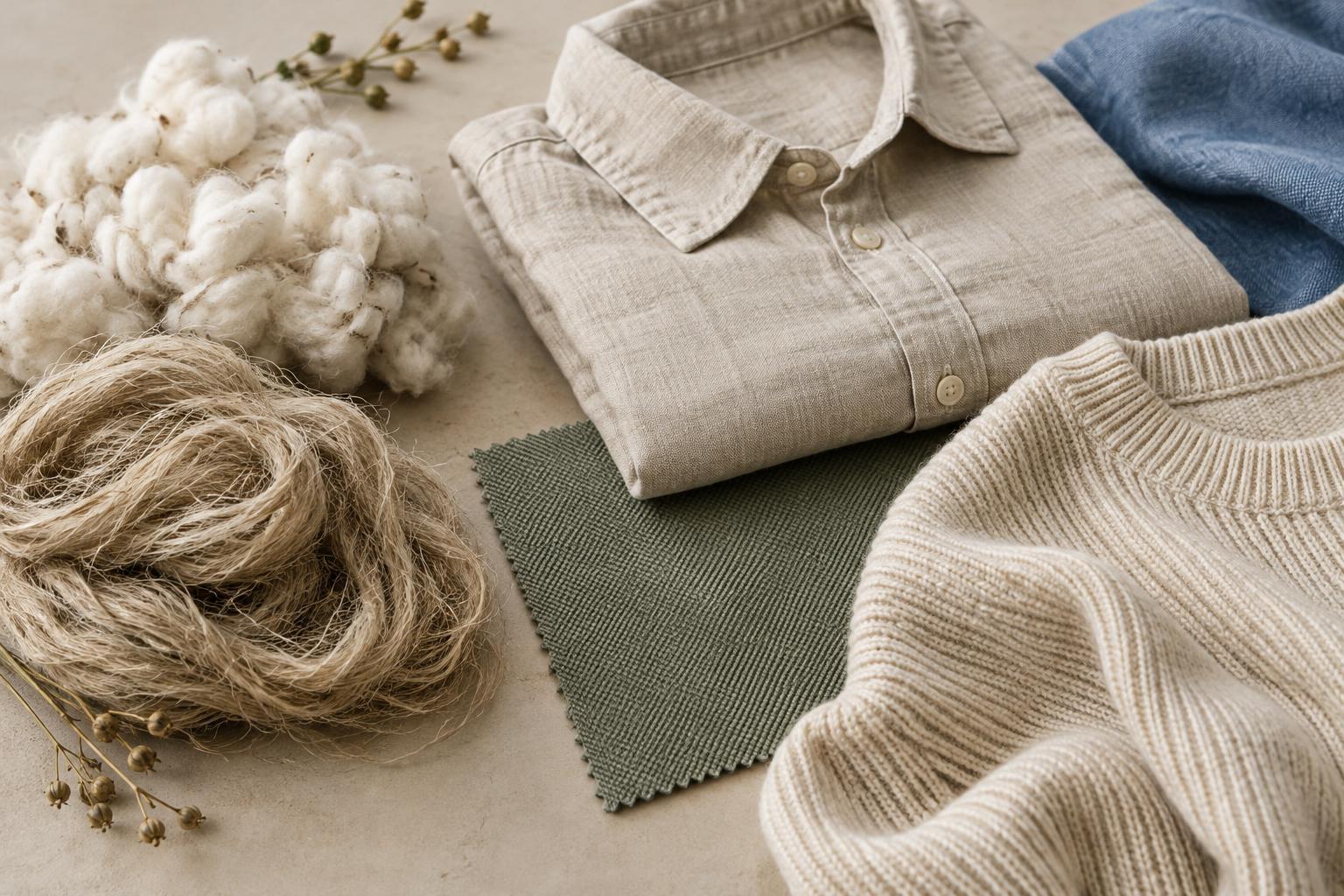
Fabrics and TexturesA fabric label tells you what a garment is made from, but not the whole story of how it will feel or wear. Learn how fiber, weave and knit work together so you can choose clothes that suit your comfort, care routine and everyday style.
Read article · 4 min↗