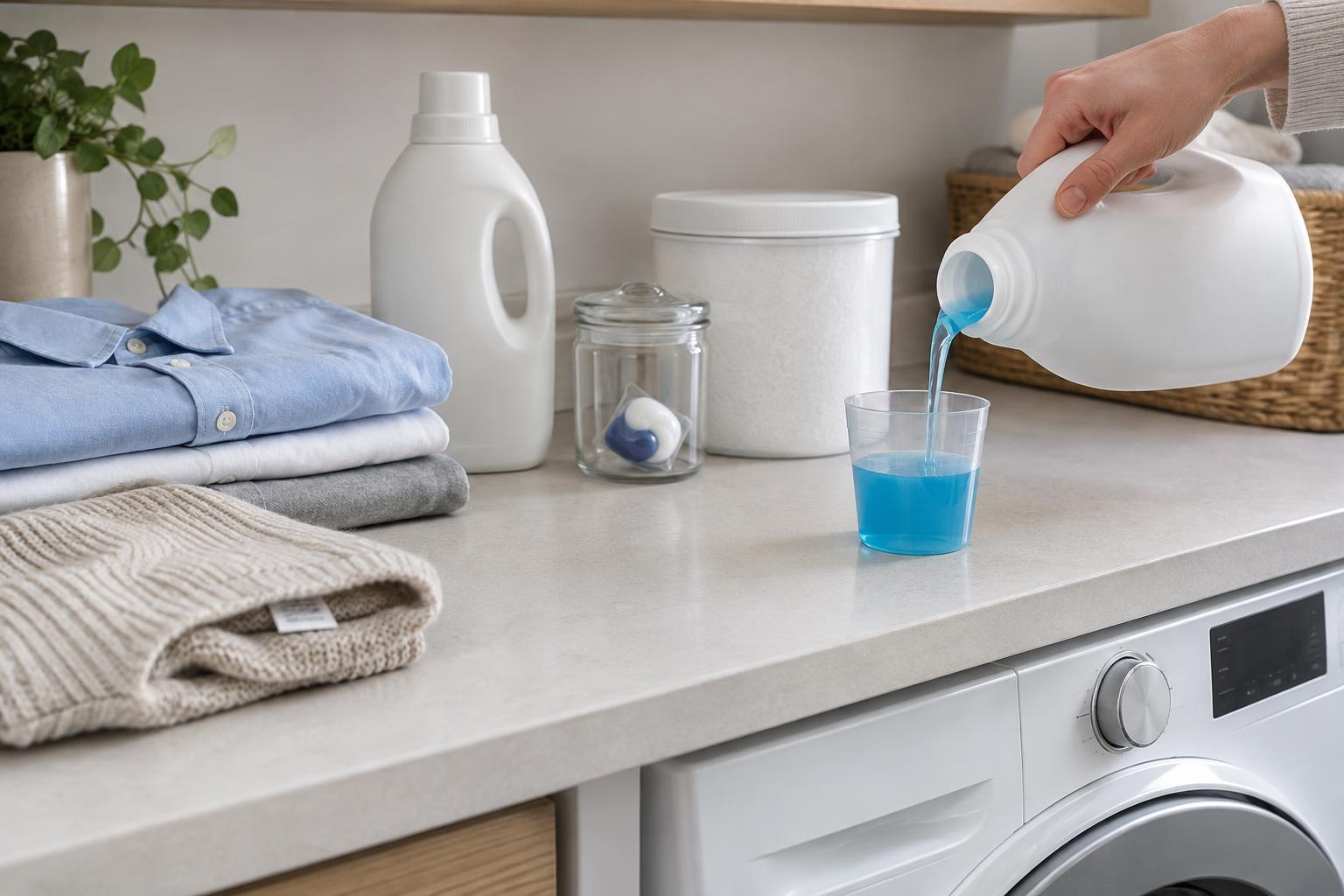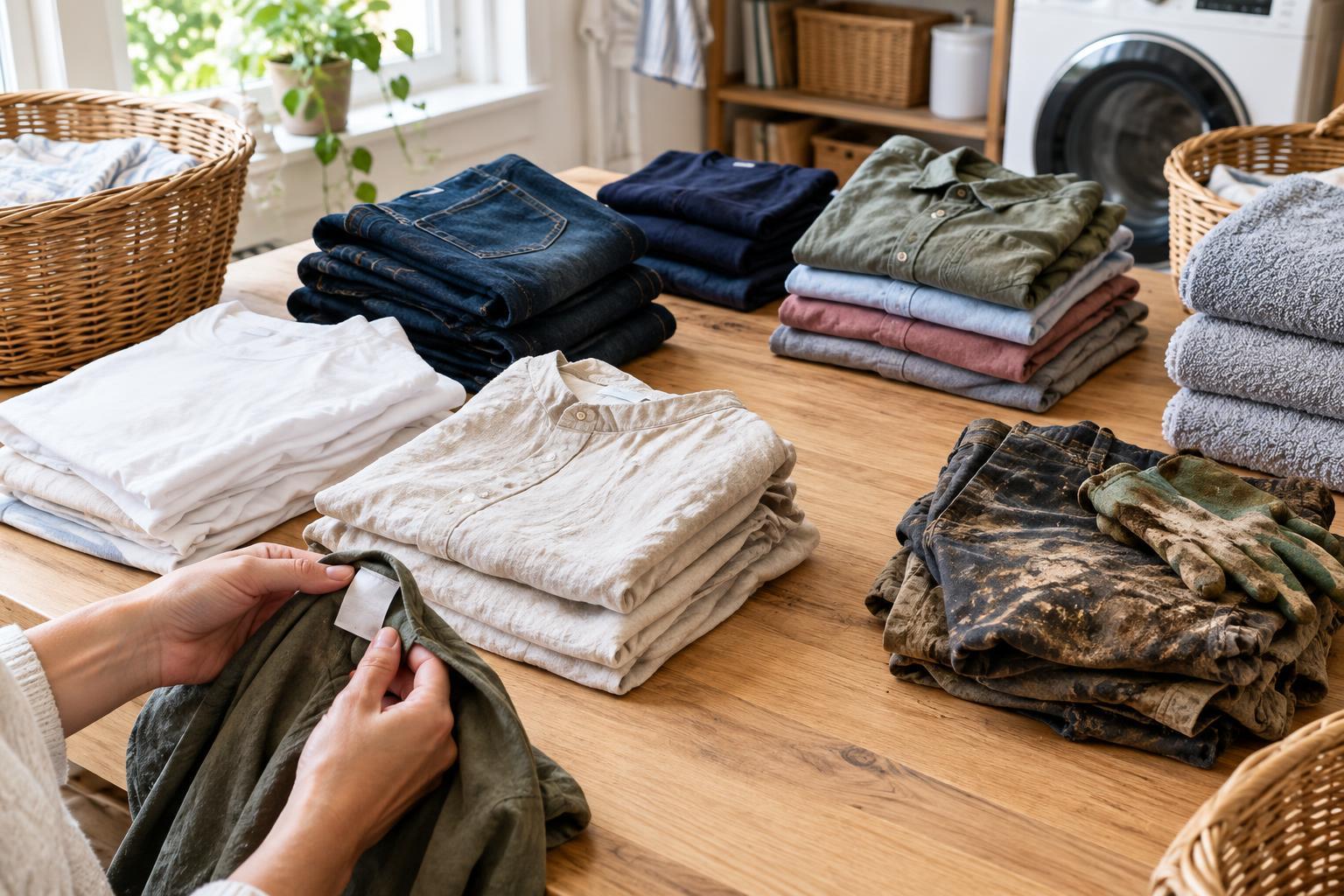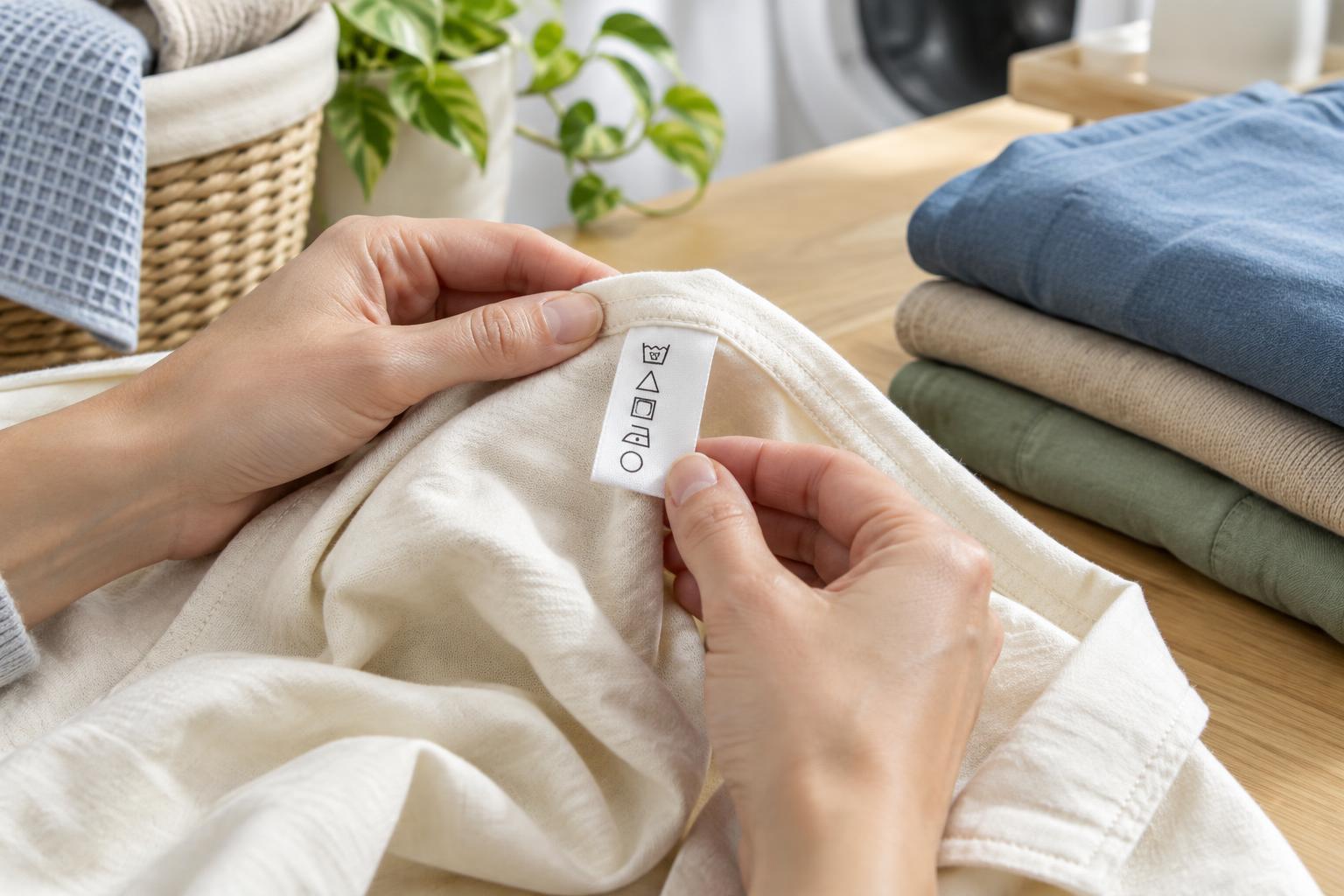
Garment CareGarment care labels can look like a compact code, but a few recurring shapes make them easier to read. Learn how to identify washing, bleaching, drying, ironing and professional-care instructions—and what to do when you are unsure.
Read article · 4 min↗
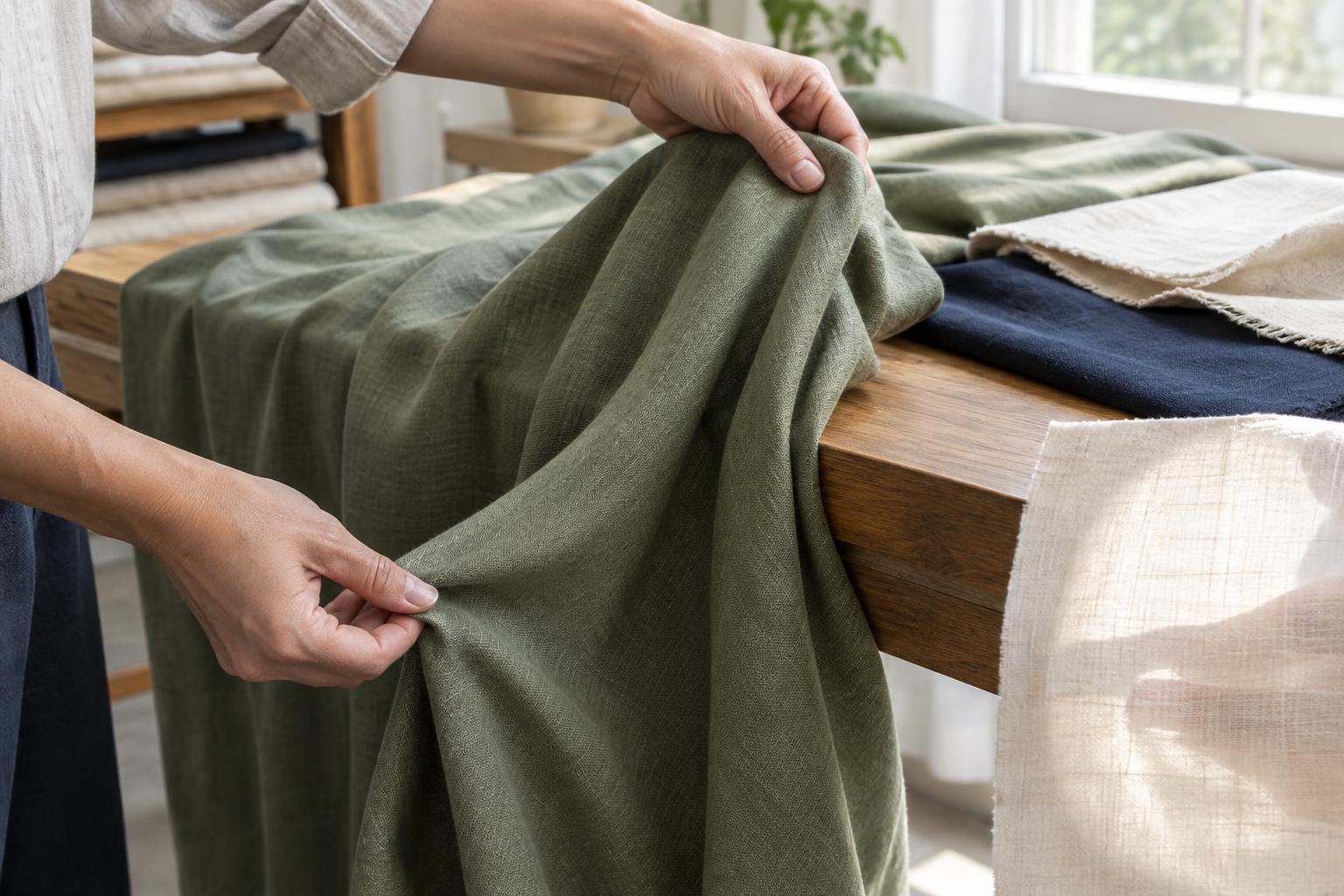
Fabrics and TexturesA fabric can feel lovely in your hand and still disappoint in an outfit. Learn simple ways to check how it hangs, moves and covers, whether you are buying yardage or a finished garment.
Read article · 4 min↗
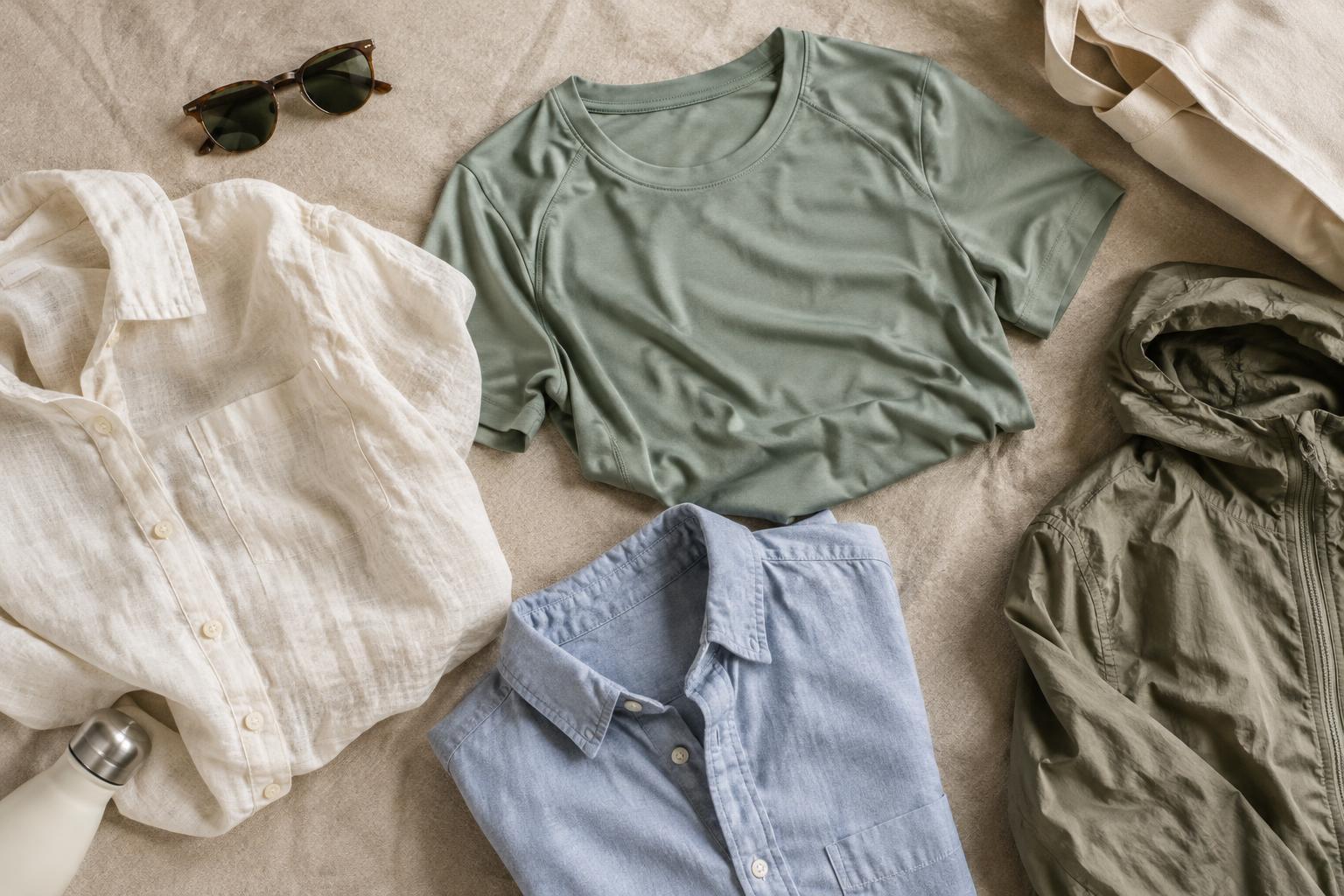
Fabrics and TexturesBreathable and moisture-wicking are not interchangeable fabric features. Learn what each one does, how common materials behave, and how to choose comfortable clothes for commuting, warm weather, travel and active days.
Read article · 4 min↗
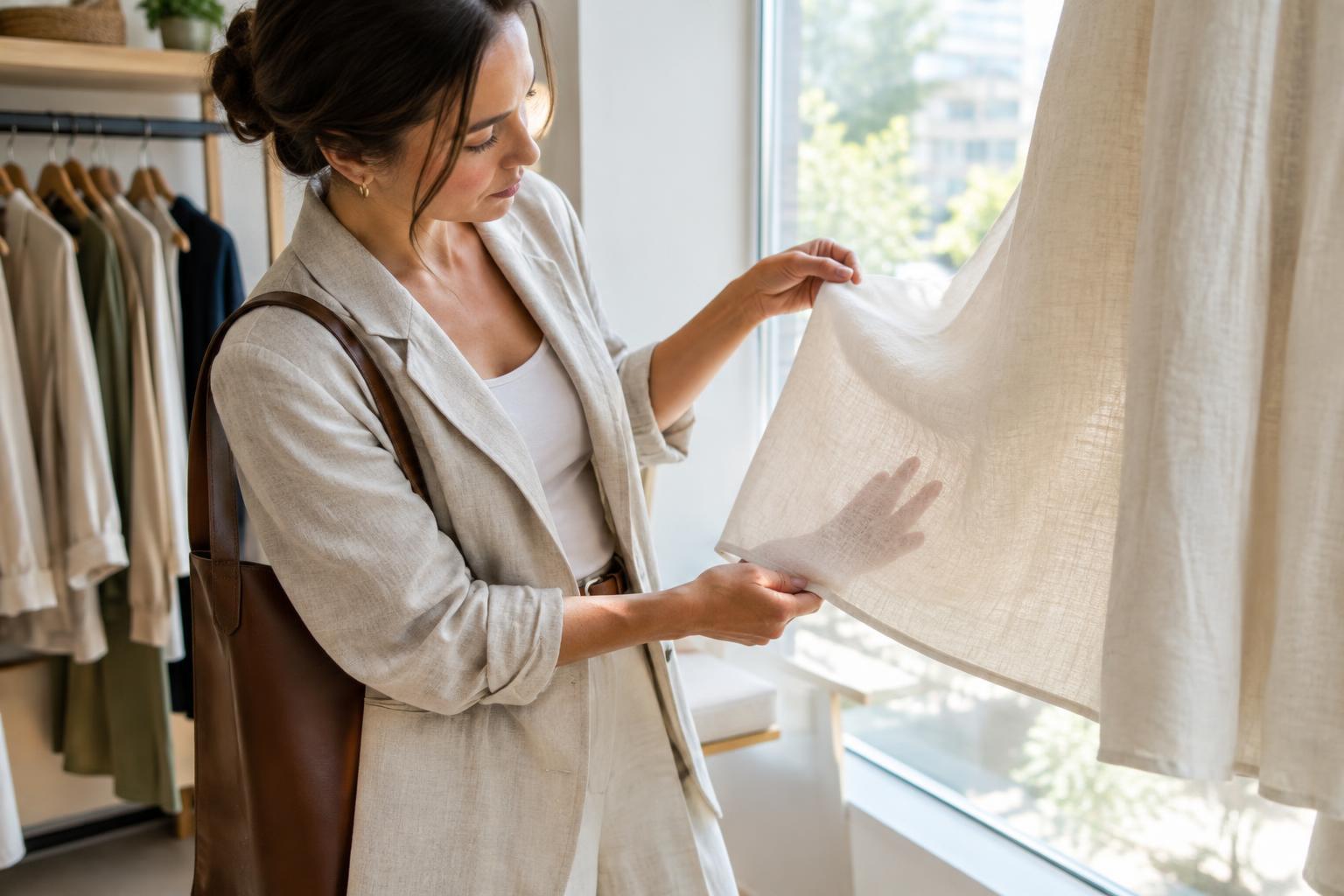
Fabrics and TexturesAn unlined garment can look opaque on a hanger and reveal more once it is worn. Learn how to check fabric in different light, account for stretch and movement, and assess product photos when shopping online.
Read article · 4 min↗
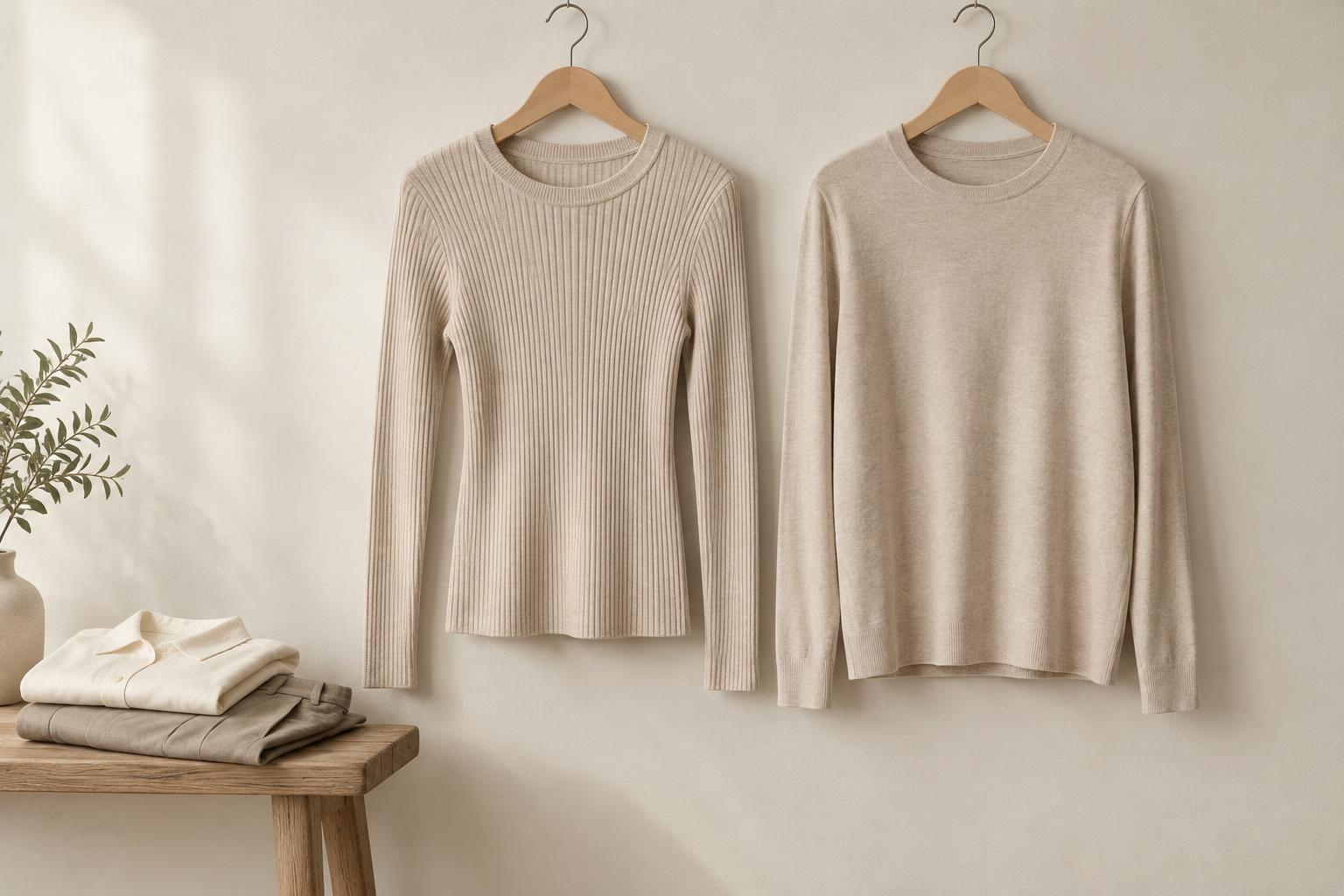
Fabrics and TexturesTwo knit tops in the same color and size can look surprisingly different. Learn how ribbed and plain knit fabrics affect stretch, drape, texture and layering, and what to check before choosing one.
Read article · 4 min↗
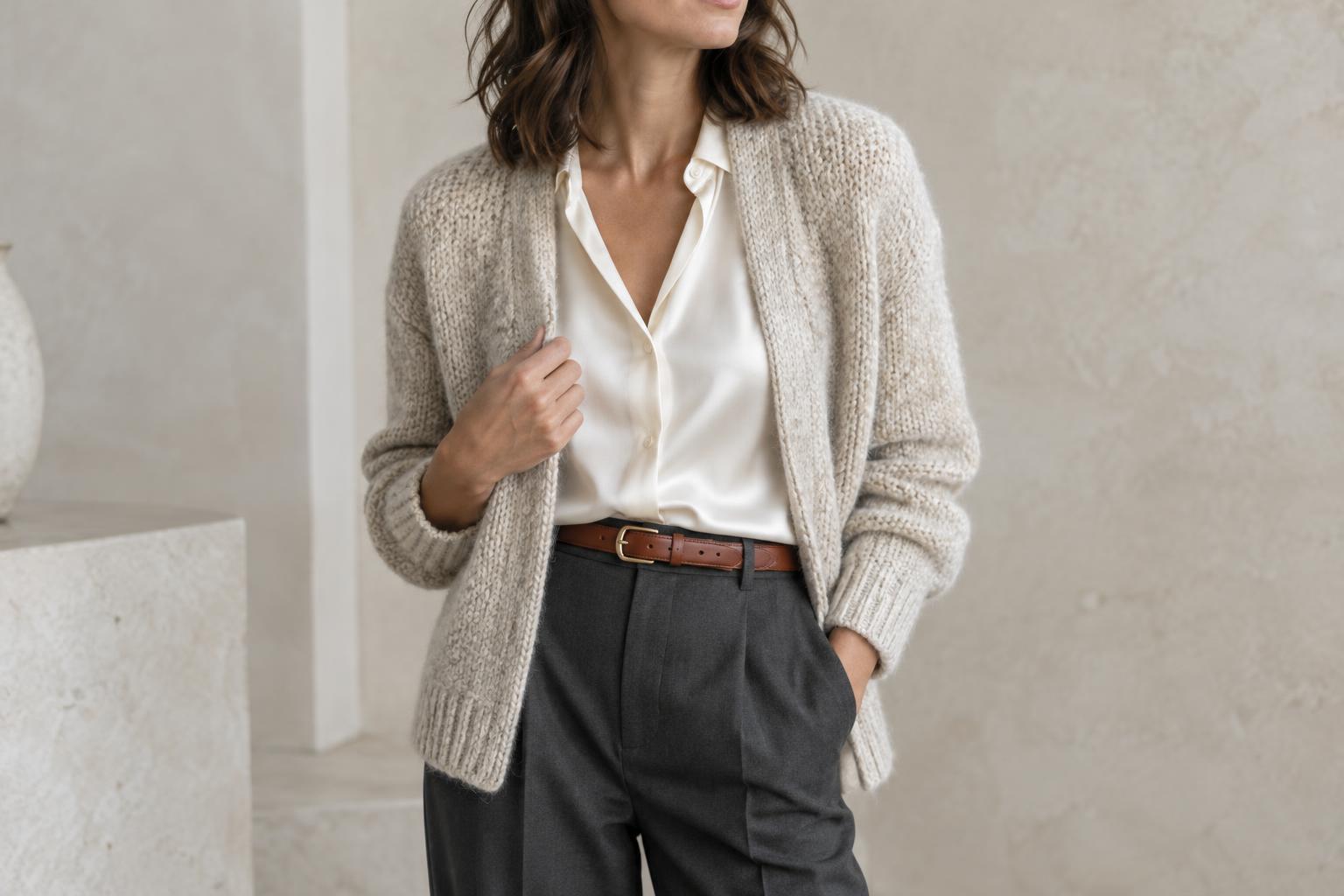
Fabrics and TexturesMixing smooth and textured fabrics adds depth to an outfit without requiring bold colors or complicated layering. Learn how to balance shine, texture and weight, then put those ideas to work in everyday outfits.
Read article · 3 min↗
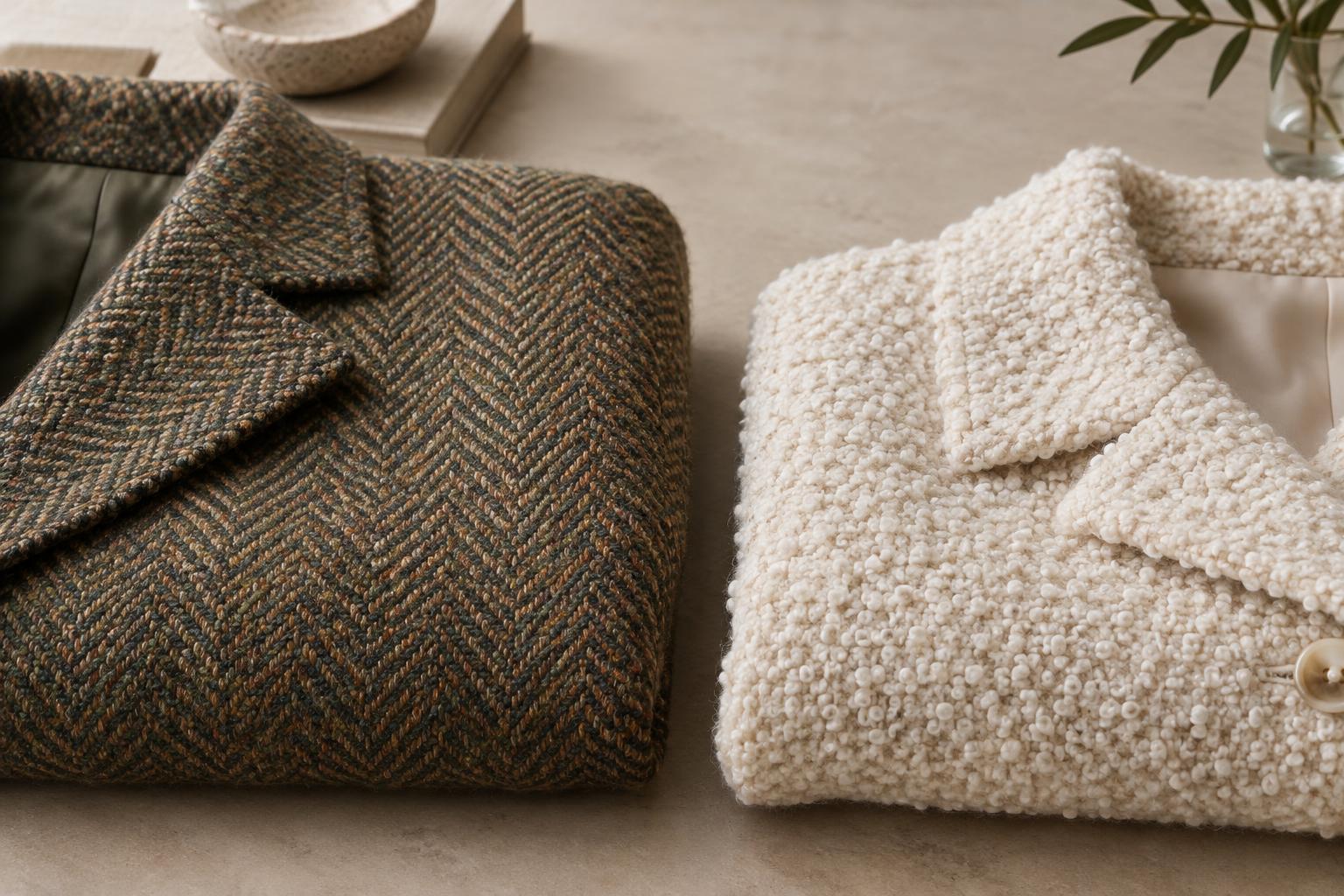
Fabrics and TexturesTweed and bouclé can look similar at a glance, but they describe different things. Learn what to look for in the weave, yarn and surface texture, plus how to wear and care for each fabric.
Read article · 4 min↗
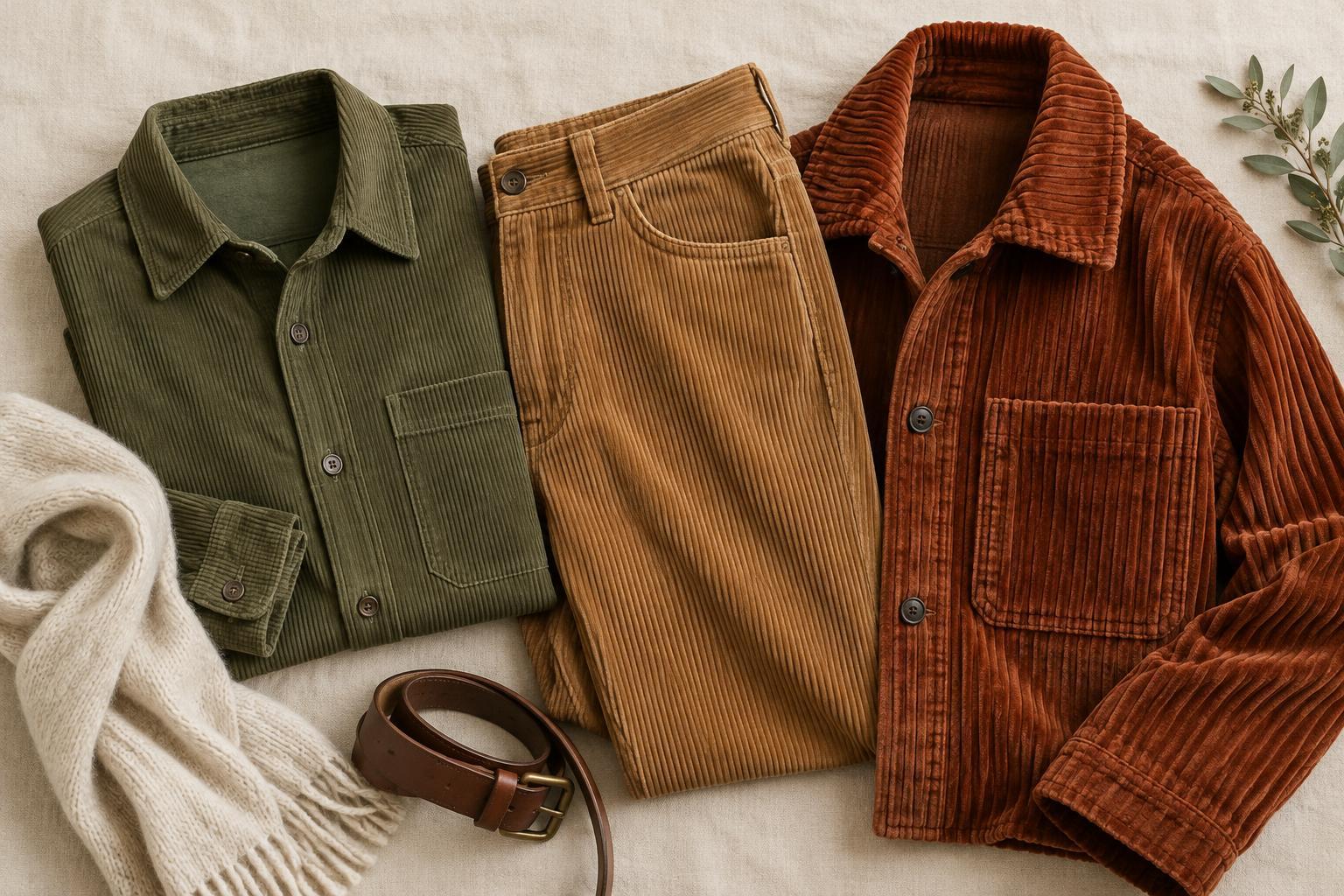
Fabrics and TexturesThe width of corduroy’s ribs changes how a garment looks, feels and layers. Learn what wale means, how fine, medium and wide corduroy differ, and how to choose a texture that works with your wardrobe.
Read article · 4 min↗
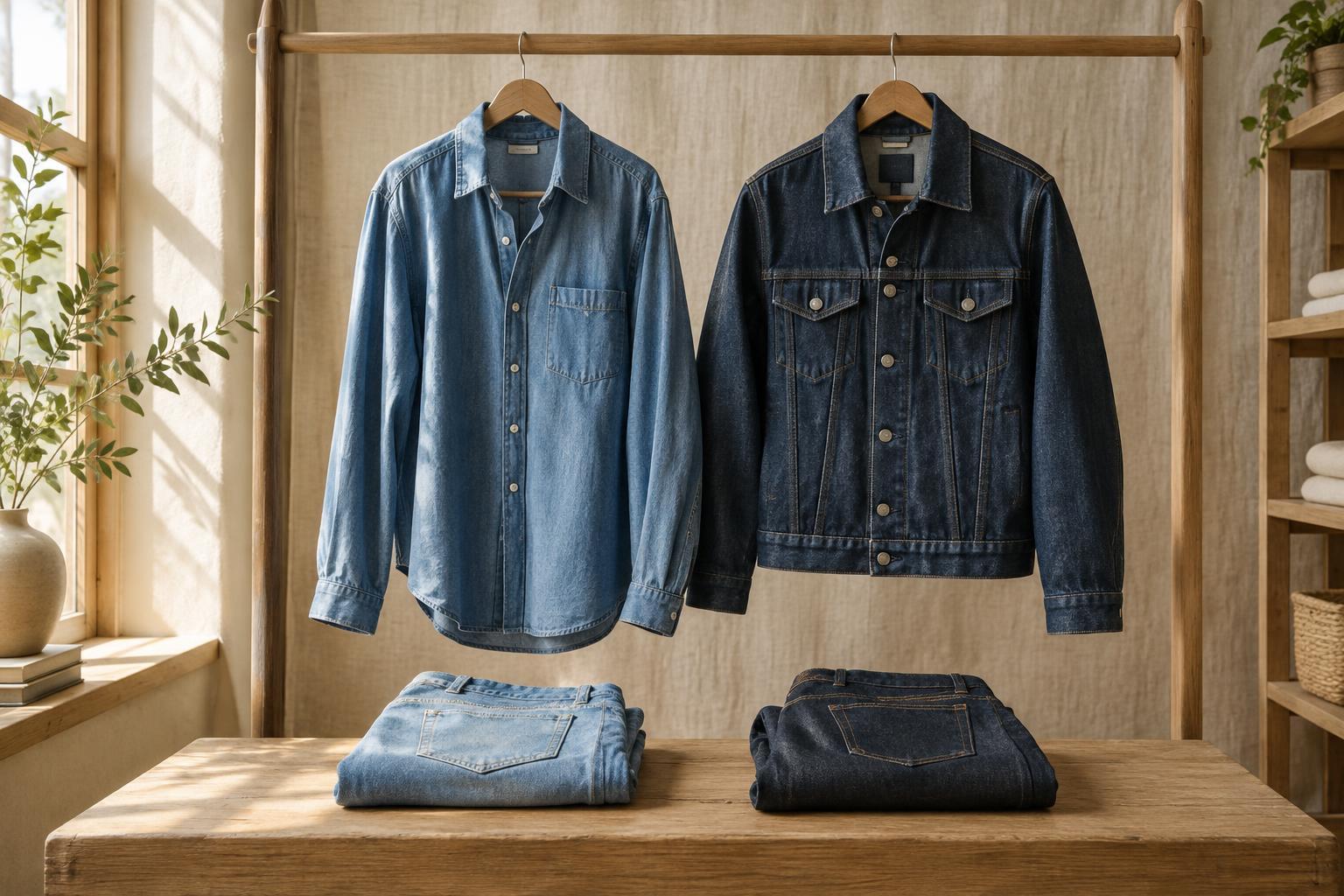
Fabrics and TexturesDenim weight affects how jeans and jackets drape, feel, and layer. Learn what lightweight and heavyweight denim offer, why fabric weight is only part of the story, and how to choose a pair you will enjoy wearing.
Read article · 4 min↗
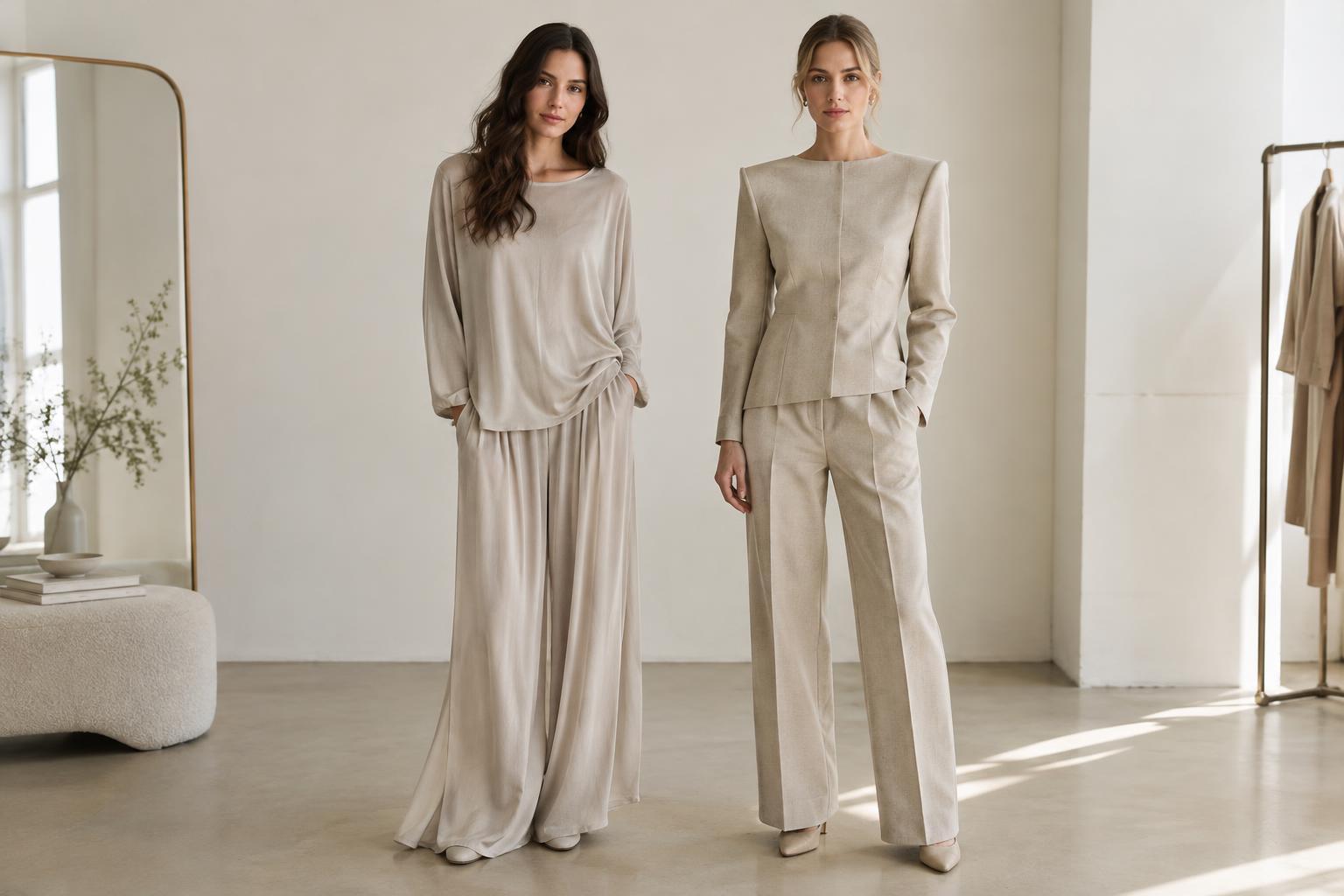
Fabrics and TexturesTwo garments can have the same color and cut yet create very different silhouettes. Learn how drapey and structured fabrics behave, how to combine them, and what to check when trying clothes on.
Read article · 4 min↗
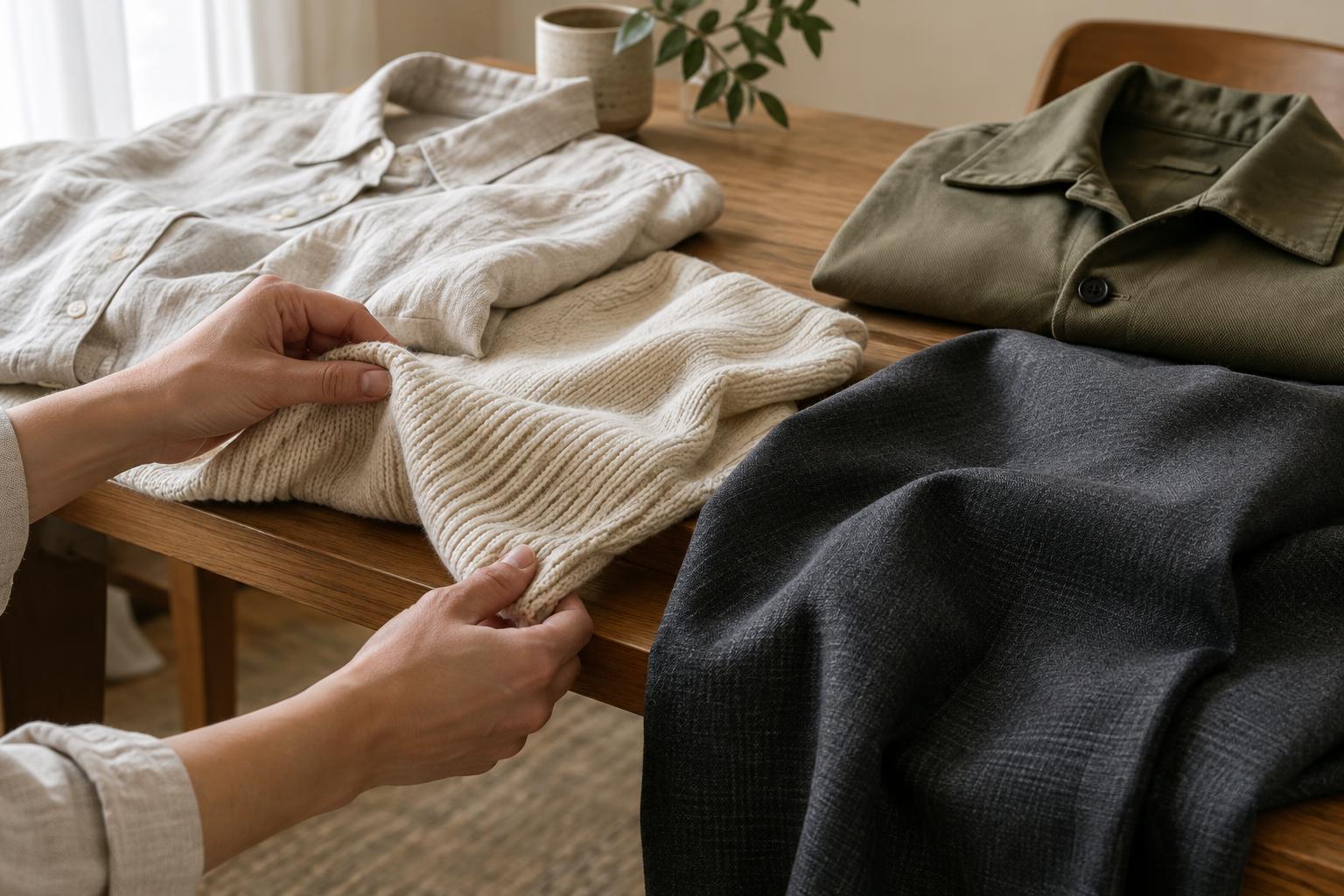
Fabrics and TexturesA fabric can feel thick without being heavy, or heavy without looking bulky. Learn what weight and thickness reveal about drape, warmth, layering, and everyday wear—and how to assess a garment when neither measurement is listed.
Read article · 4 min↗
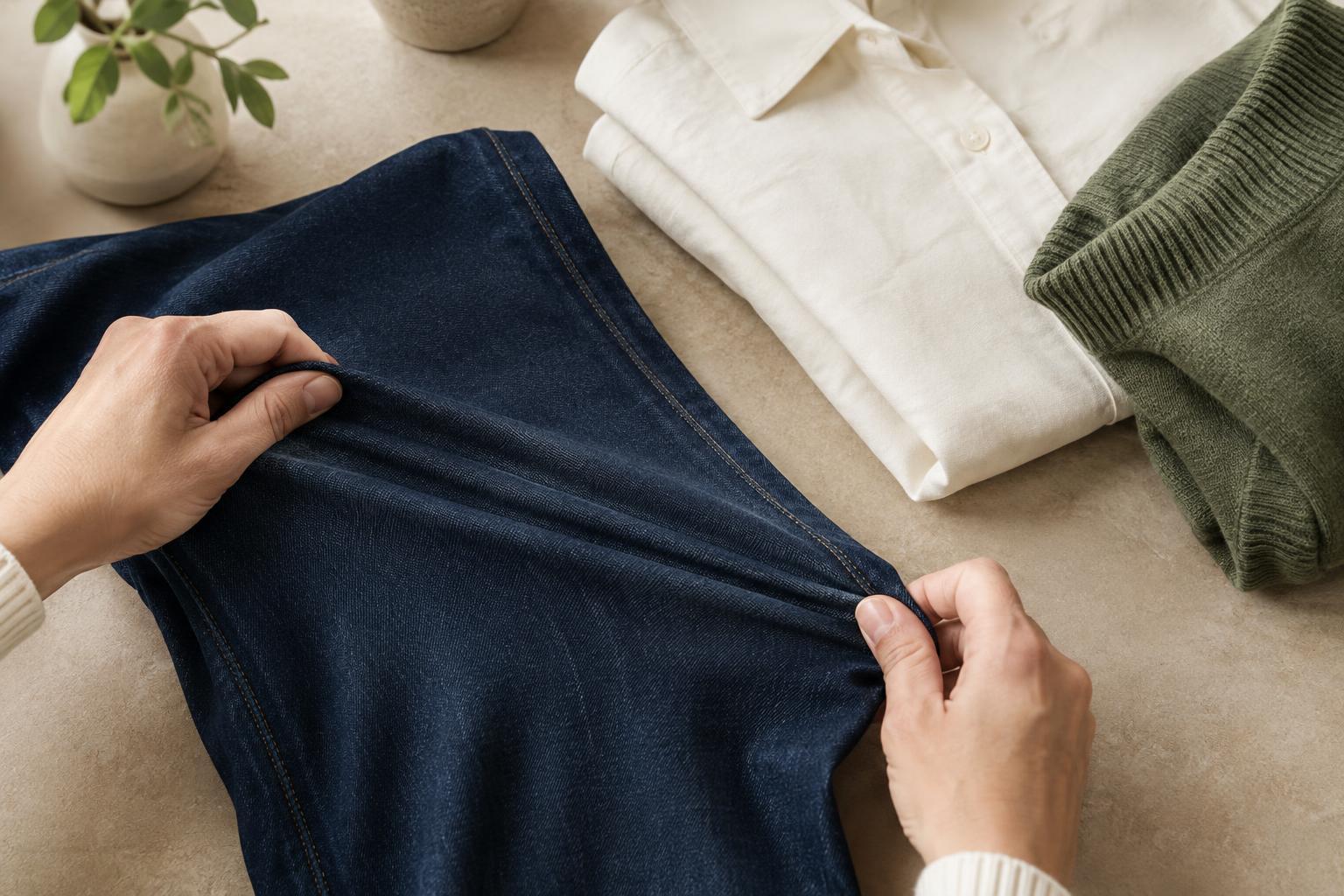
Fabrics and TexturesElastane can make clothes easier to move in and help them return to shape, but stretch is not always the best choice. Learn how to read fabric labels, judge fit and care for stretchy pieces.
Read article · 4 min↗
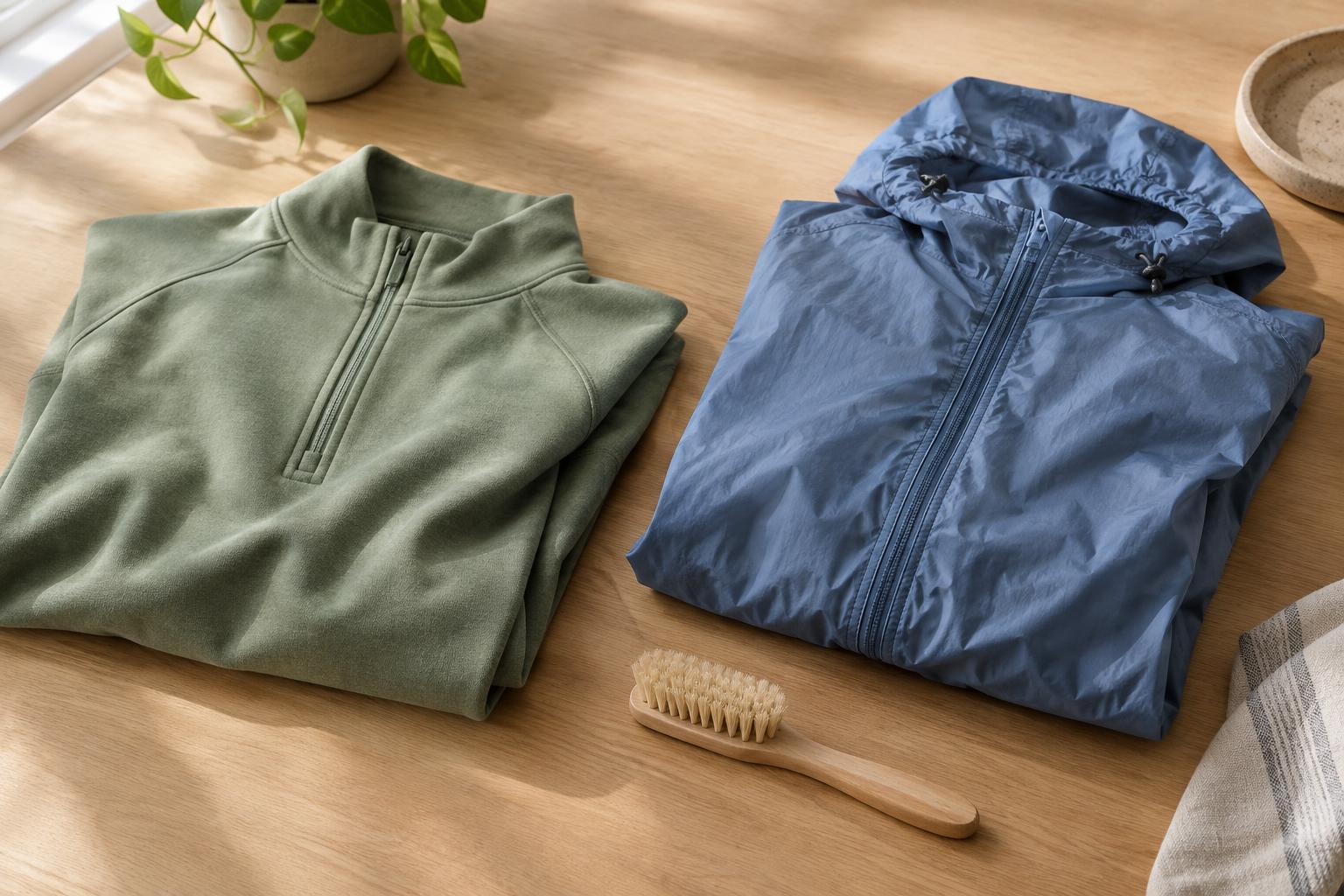
Fabrics and TexturesPolyester and nylon can look surprisingly similar on a clothing label, but they often behave differently in everyday wear. Learn how to compare their feel, durability, drying time and care needs before choosing a garment or accessory.
Read article · 4 min↗
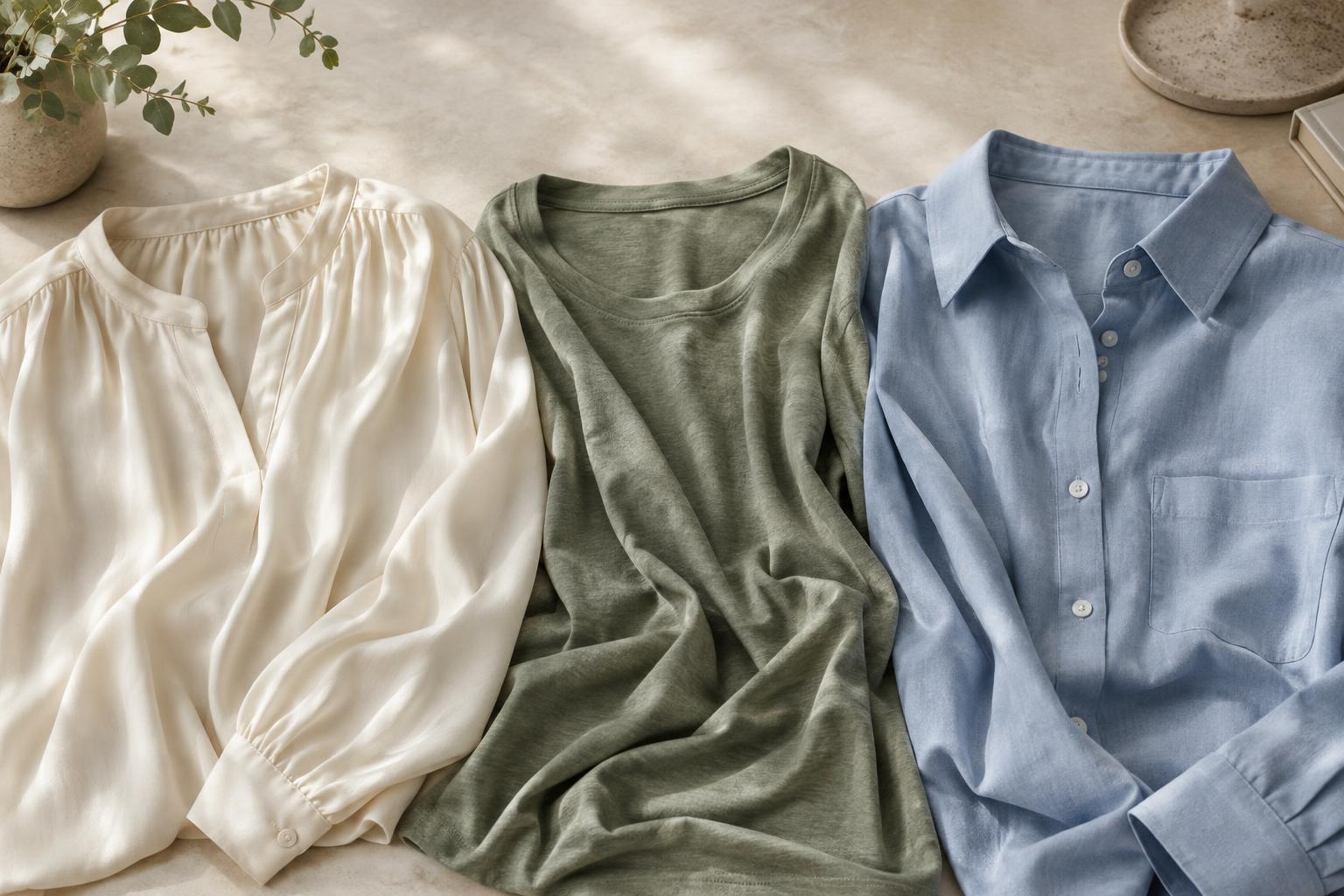
Fabrics and TexturesViscose, modal and lyocell can look similar on a clothing label, but they do not always feel or behave alike. Learn what these regenerated fibers are, how to choose between them and how to care for them in an everyday wardrobe.
Read article · 4 min↗
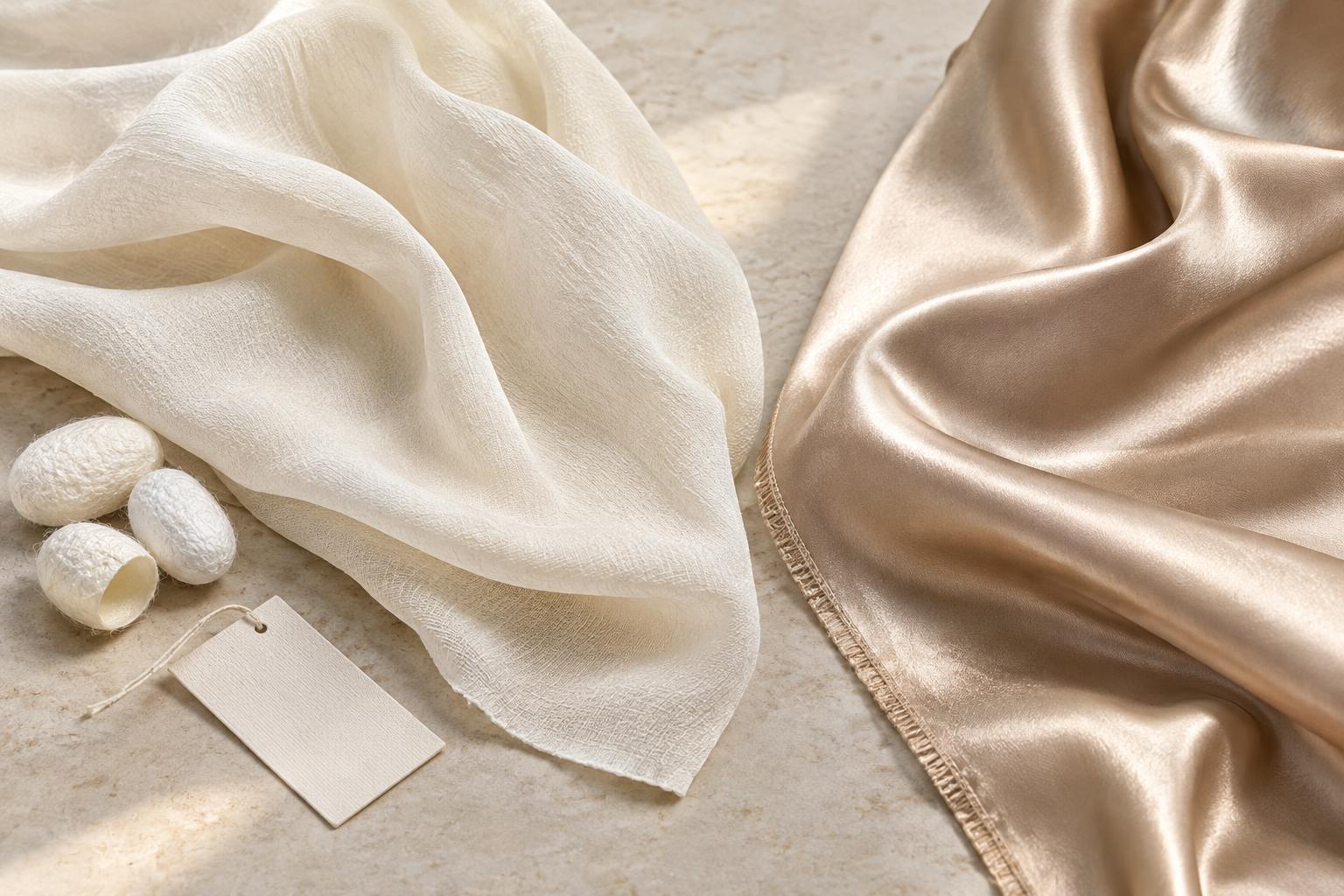
Fabrics and TexturesSilk and satin can look similarly smooth, but they describe different things. Learn how fiber and weave affect a fabric’s feel, appearance and care, so you can choose pieces that suit your wardrobe.
Read article · 4 min↗
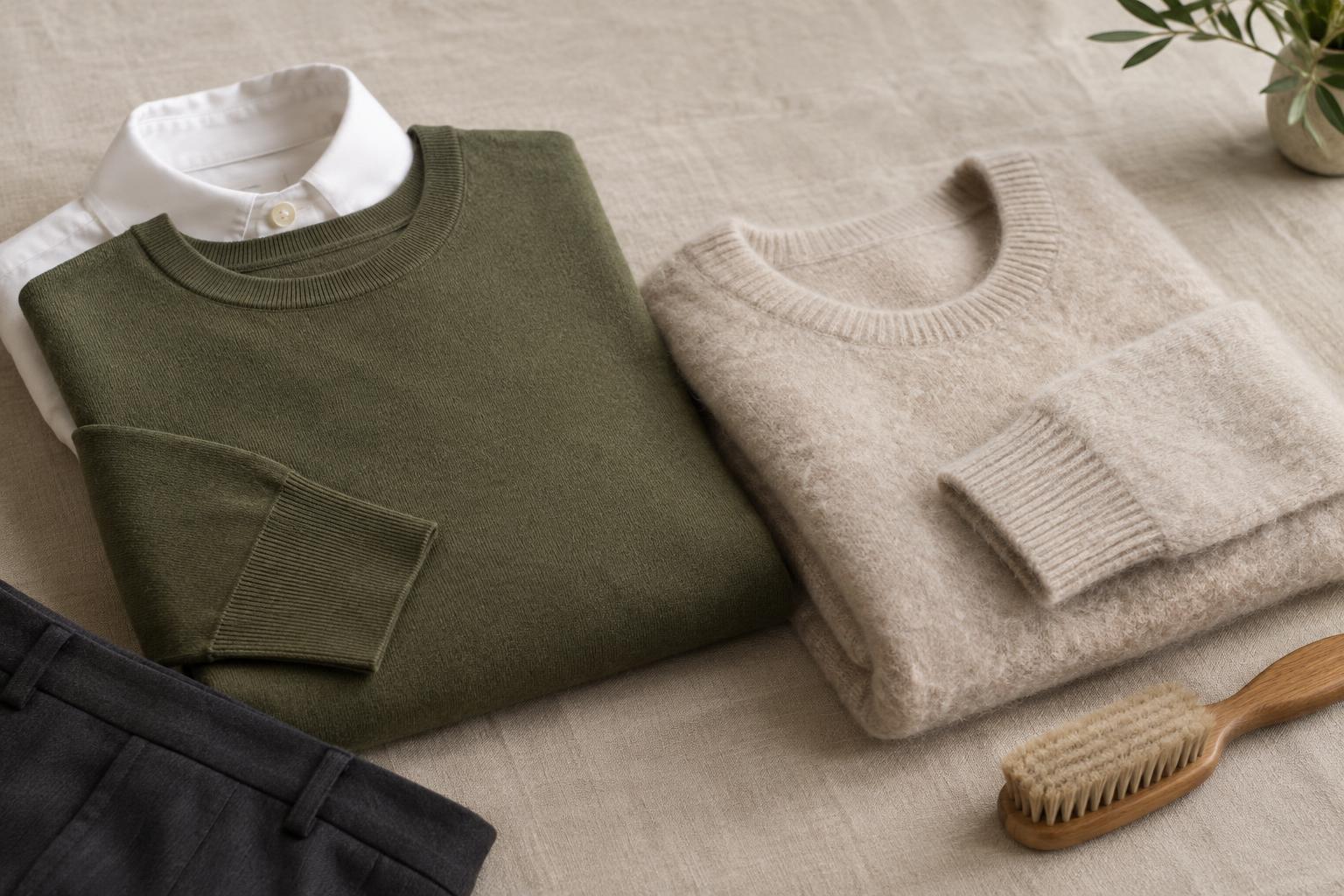
Fabrics and TexturesMerino wool and cashmere can both make a sweater feel special, but they suit different routines. Compare their texture, warmth, layering potential and care needs to decide which belongs in your everyday wardrobe.
Read article · 4 min↗
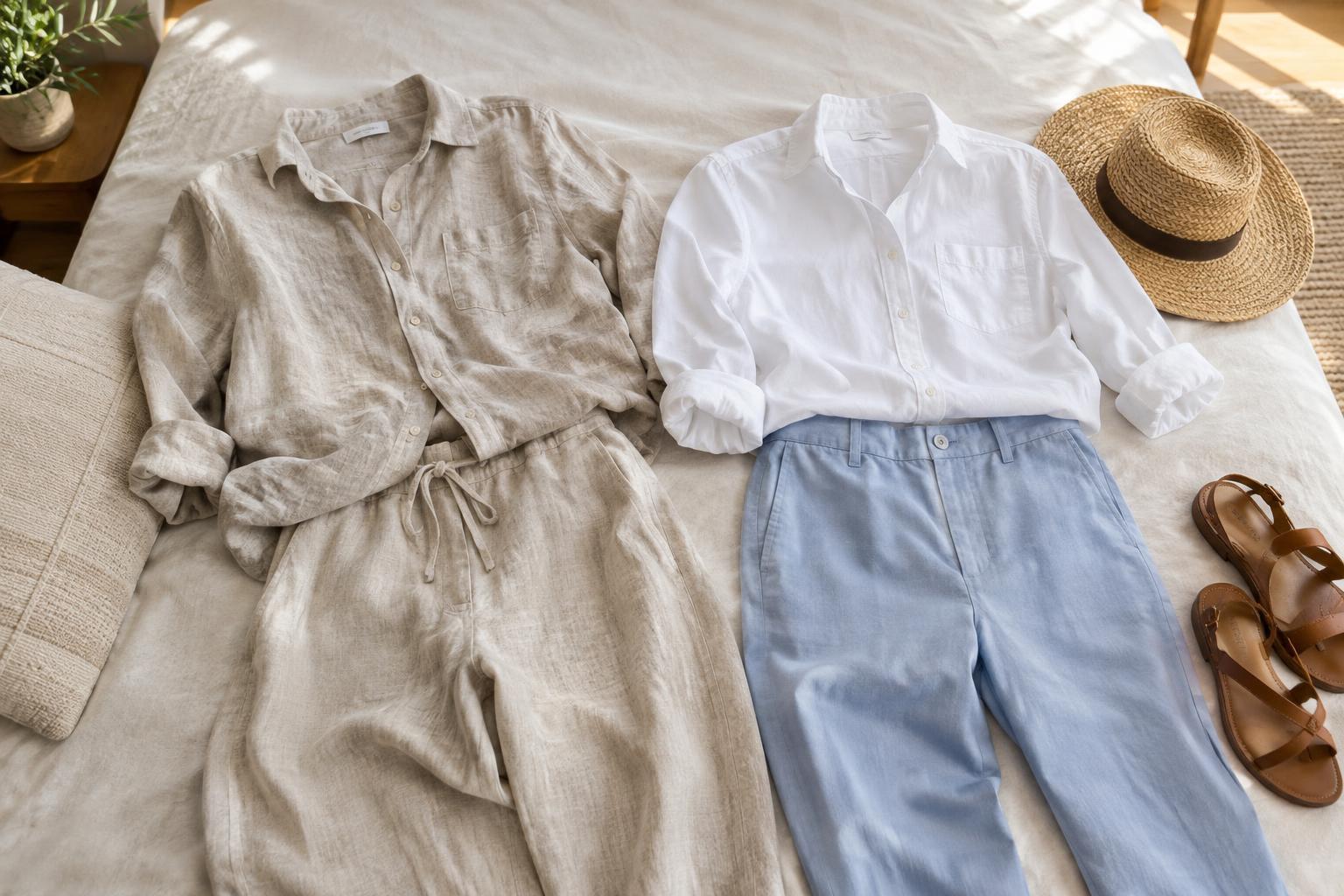
Fabrics and TexturesLinen and cotton can both work well in the heat, but the feel of an outfit depends on more than its fiber label. Compare airflow, texture, wrinkles and care, then use simple outfit examples to choose the fabric that suits your day.
Read article · 4 min↗
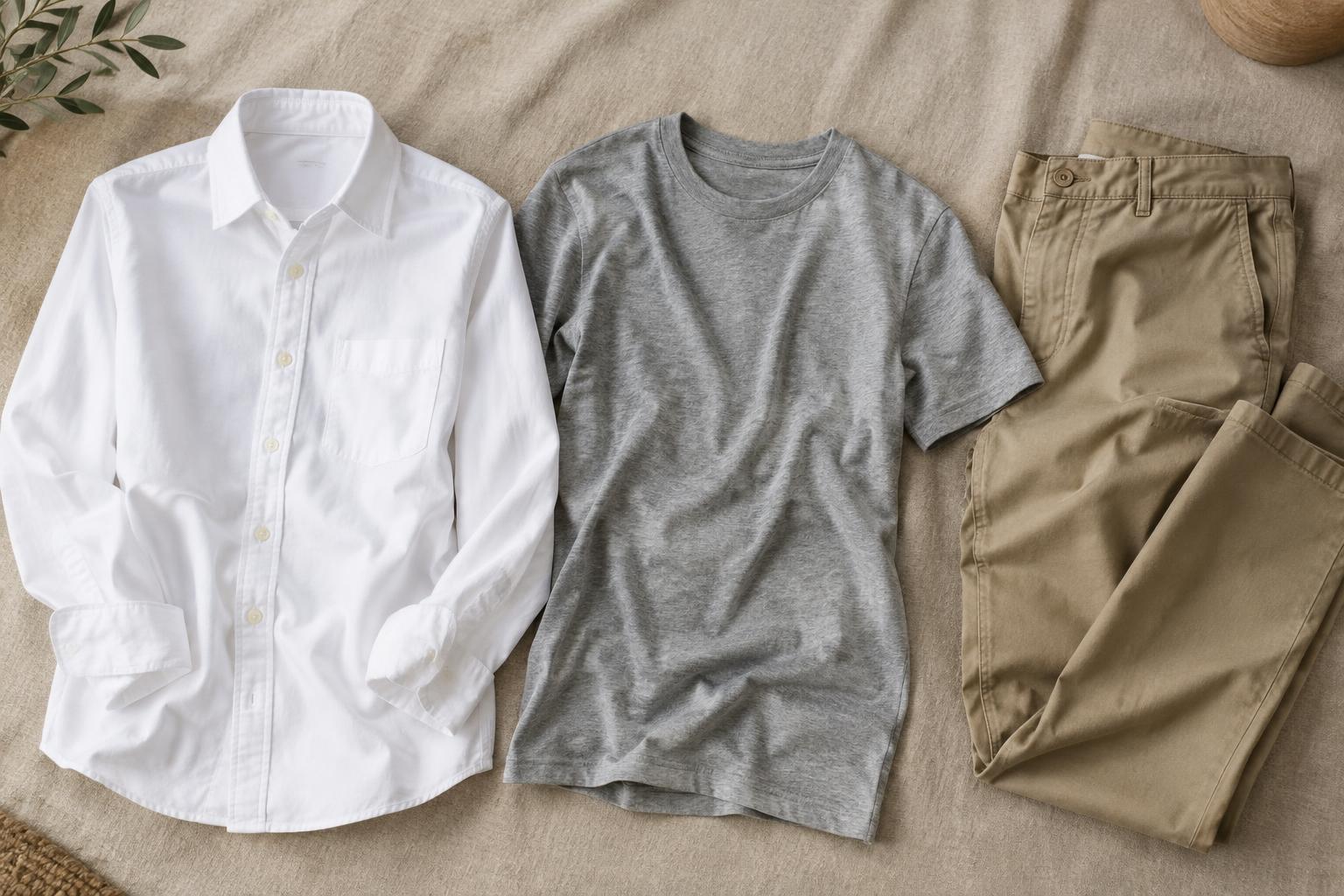
Fabrics and TexturesA shirt, a T-shirt and a pair of chinos can all contain cotton, yet feel and behave very differently. Learn how poplin, jersey and twill are made, where each works well, and what to check before choosing an everyday garment.
Read article · 4 min↗
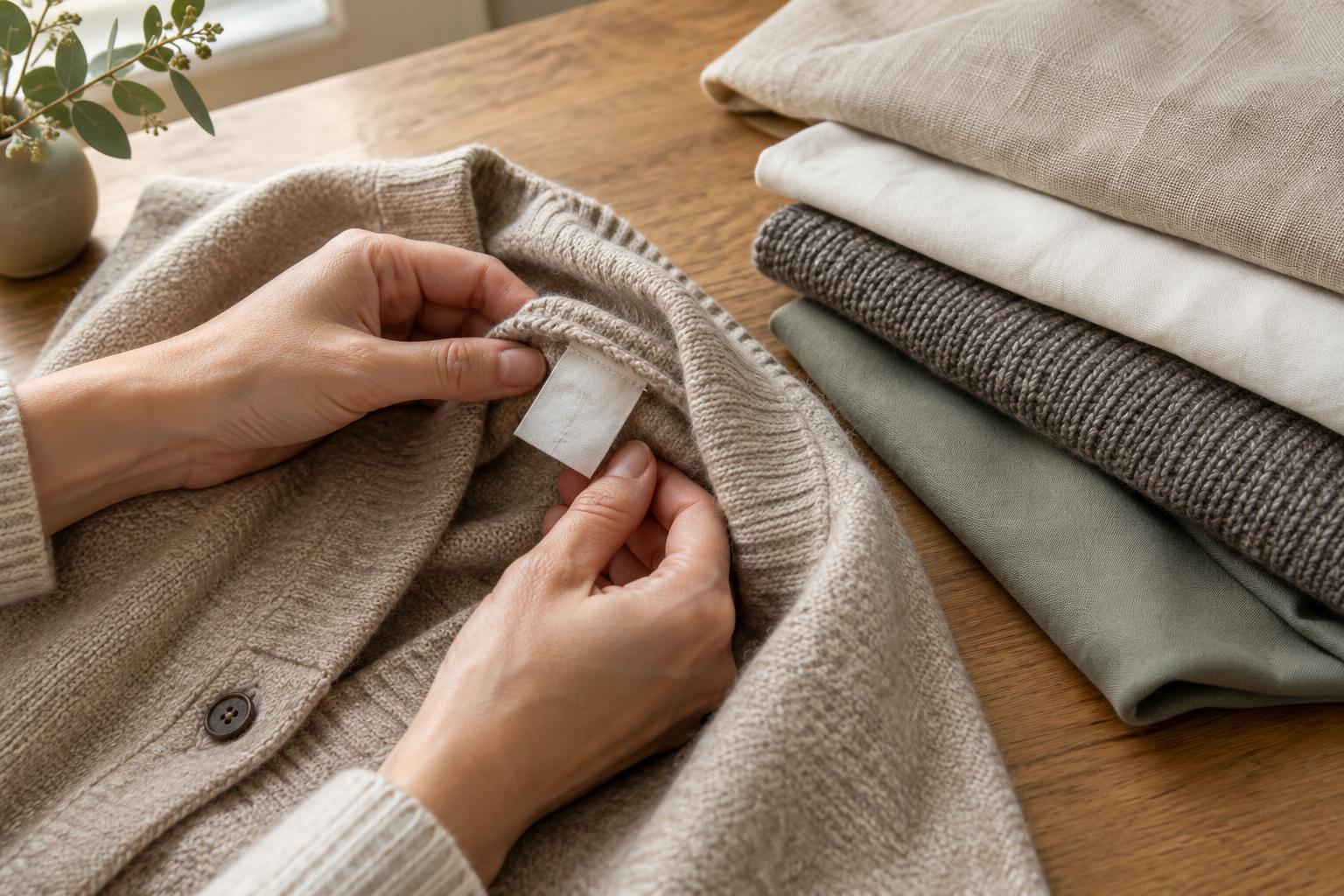
Fabrics and TexturesA fabric composition label can offer useful clues about how a garment may feel, drape and fit into your wardrobe. Learn what common blends suggest, why small percentages matter and what the label cannot tell you on its own.
Read article · 4 min↗
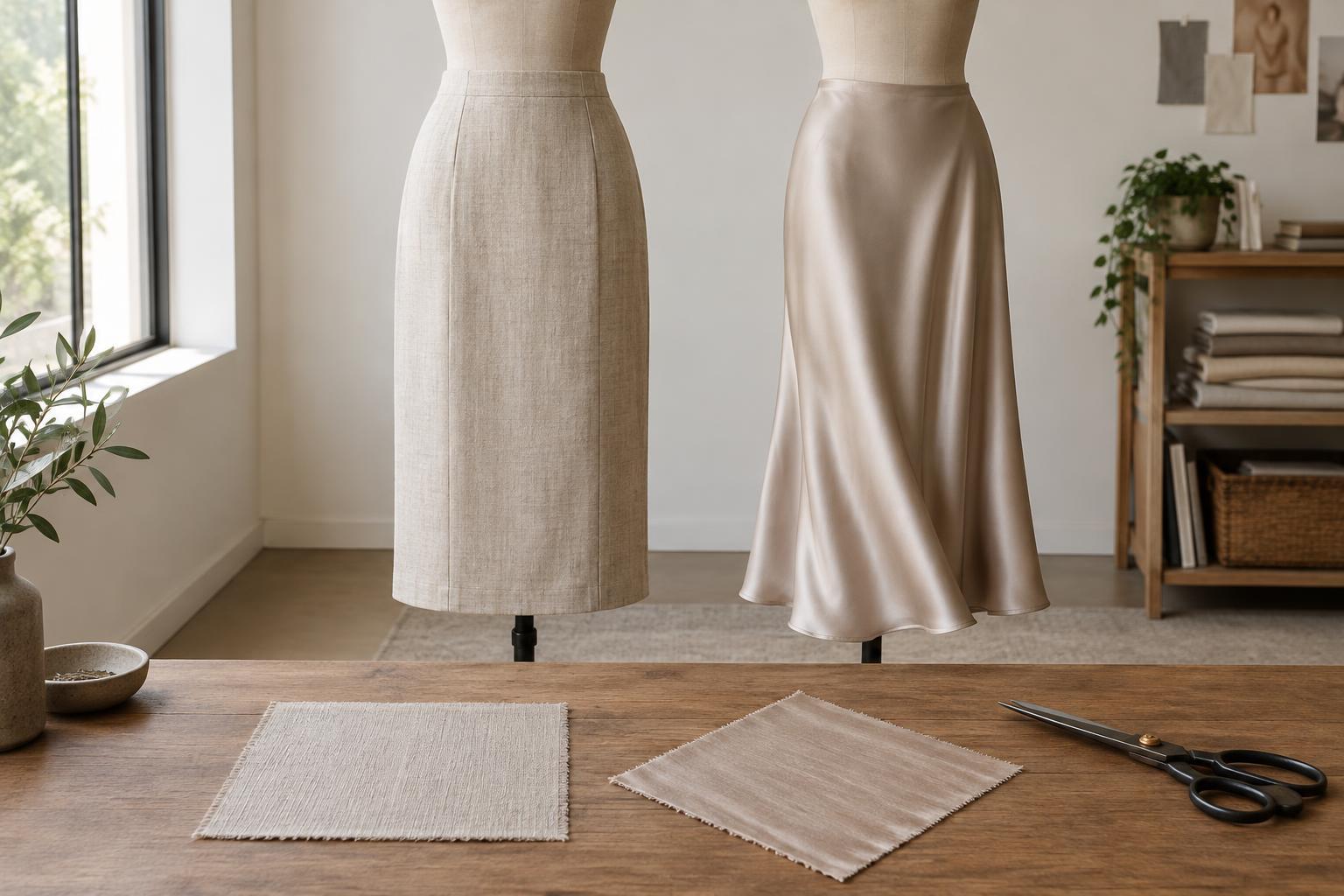
Fabrics and TexturesA woven garment can skim the body, hold a crisp shape, or fall in soft folds partly because of the direction in which its pieces were cut. Learn how lengthwise grain, crosswise grain, and bias affect drape, fit, and everyday care.
Read article · 4 min↗
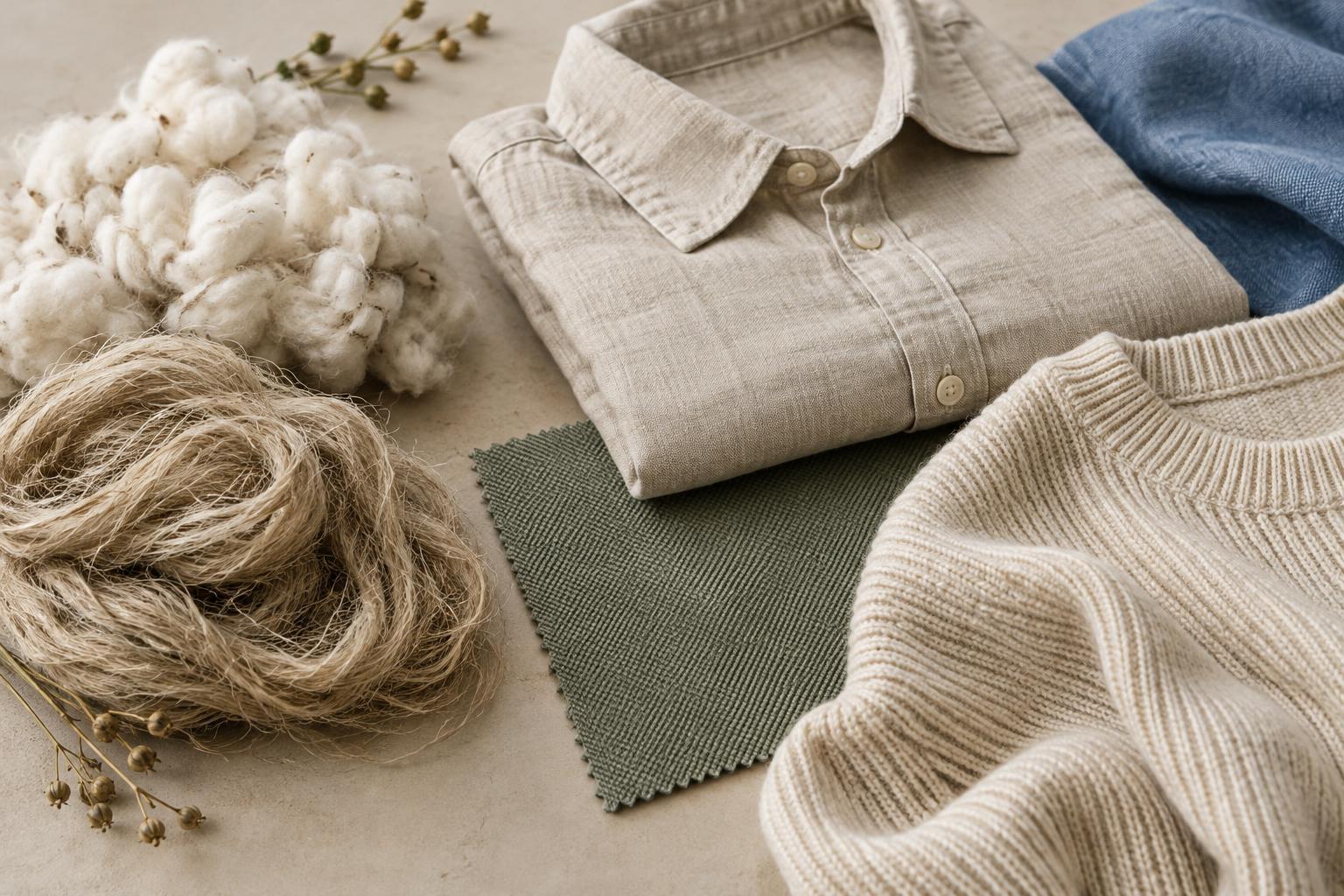
Fabrics and TexturesA fabric label tells you what a garment is made from, but not the whole story of how it will feel or wear. Learn how fiber, weave and knit work together so you can choose clothes that suit your comfort, care routine and everyday style.
Read article · 4 min↗
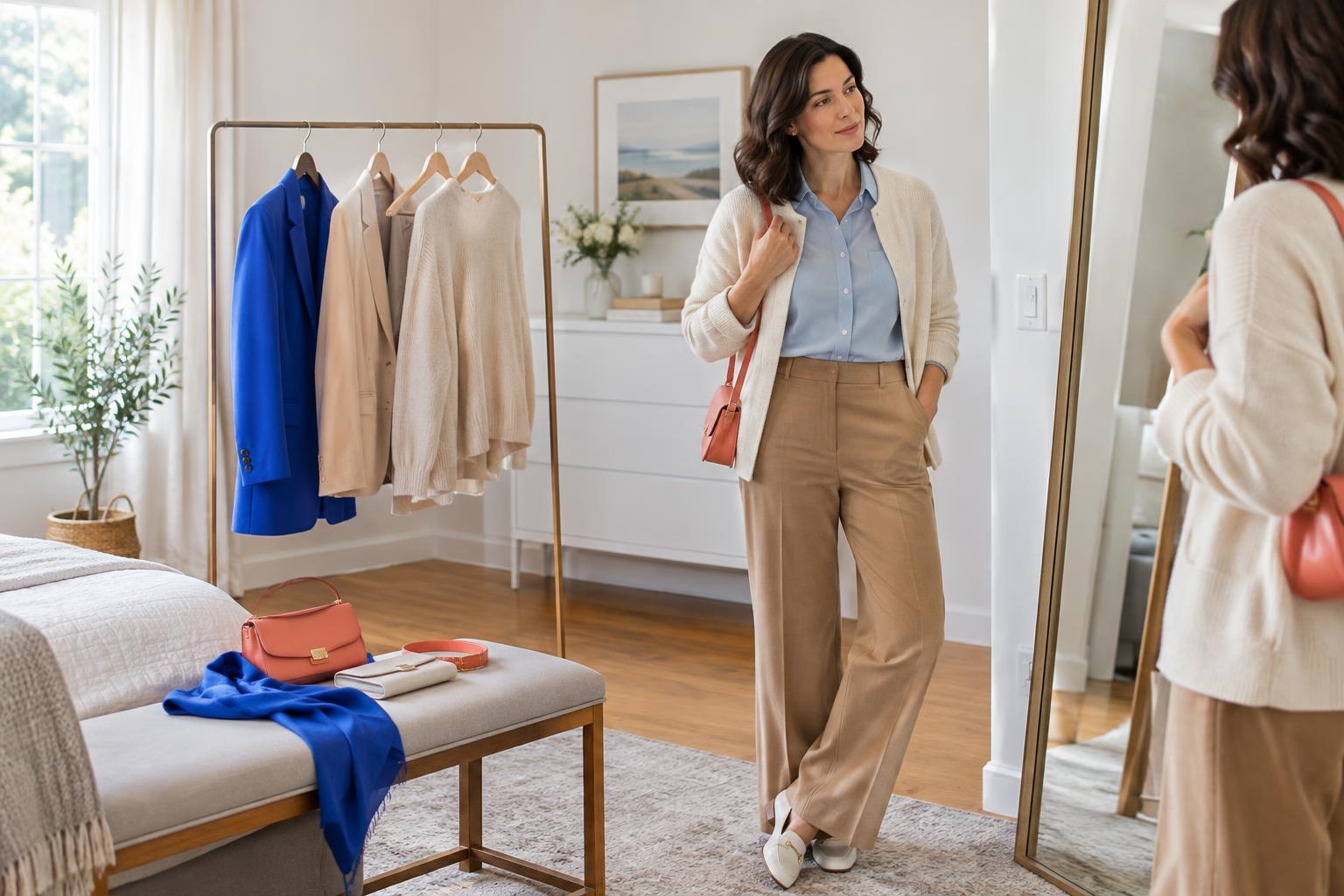
Color and Outfit IdeasWhen an outfit feels slightly off, the problem may be color intensity, an accidental near-match, or too many pieces competing for attention. Learn simple ways to spot each issue and adjust your look without giving up the colors you enjoy.
Read article · 4 min↗
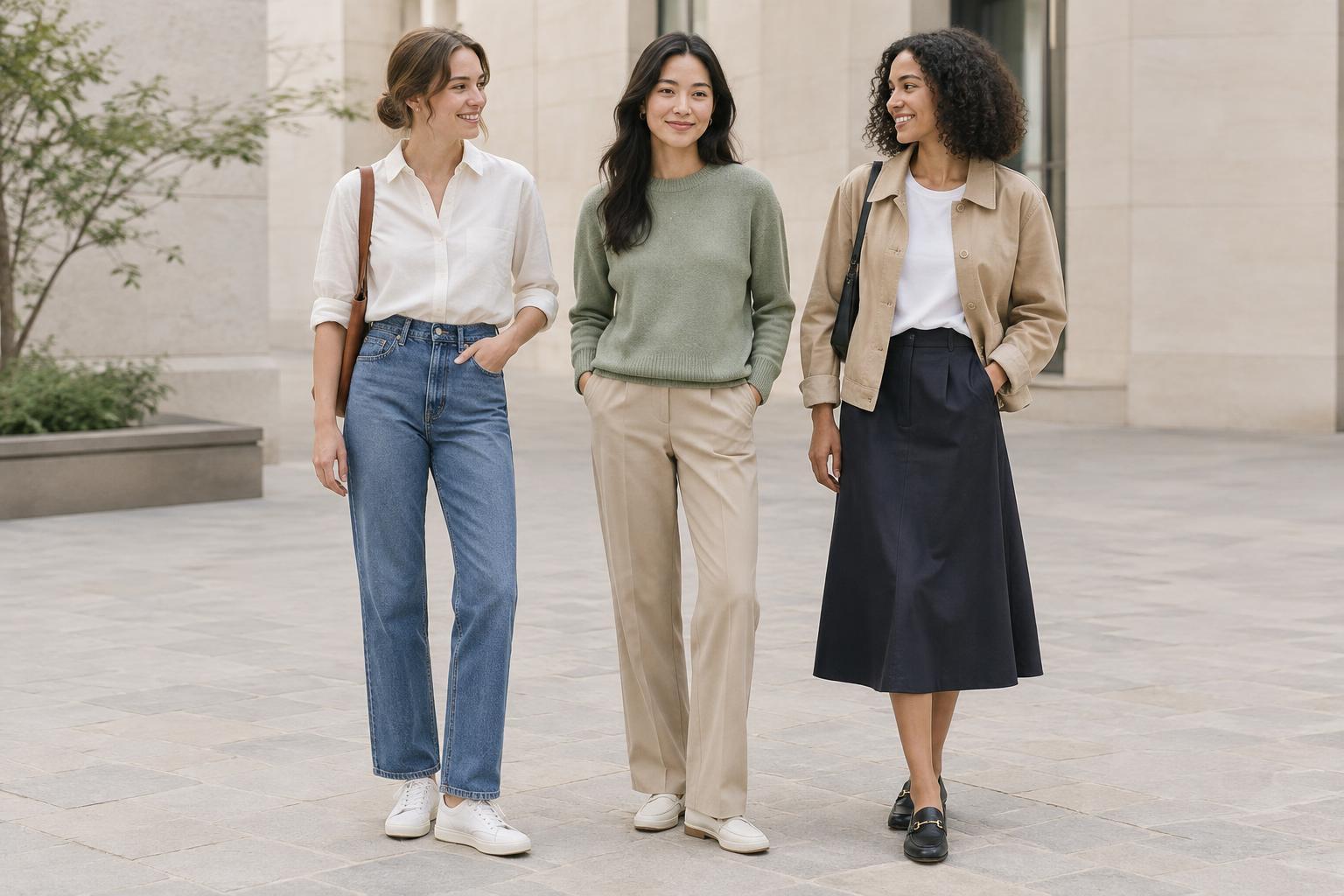
Color and Outfit IdeasA small change to a tuck or hemline can make familiar clothes feel more intentional. Learn how to use waistlines, layers and visible breaks to adjust an outfit without following rigid rules.
Read article · 4 min↗
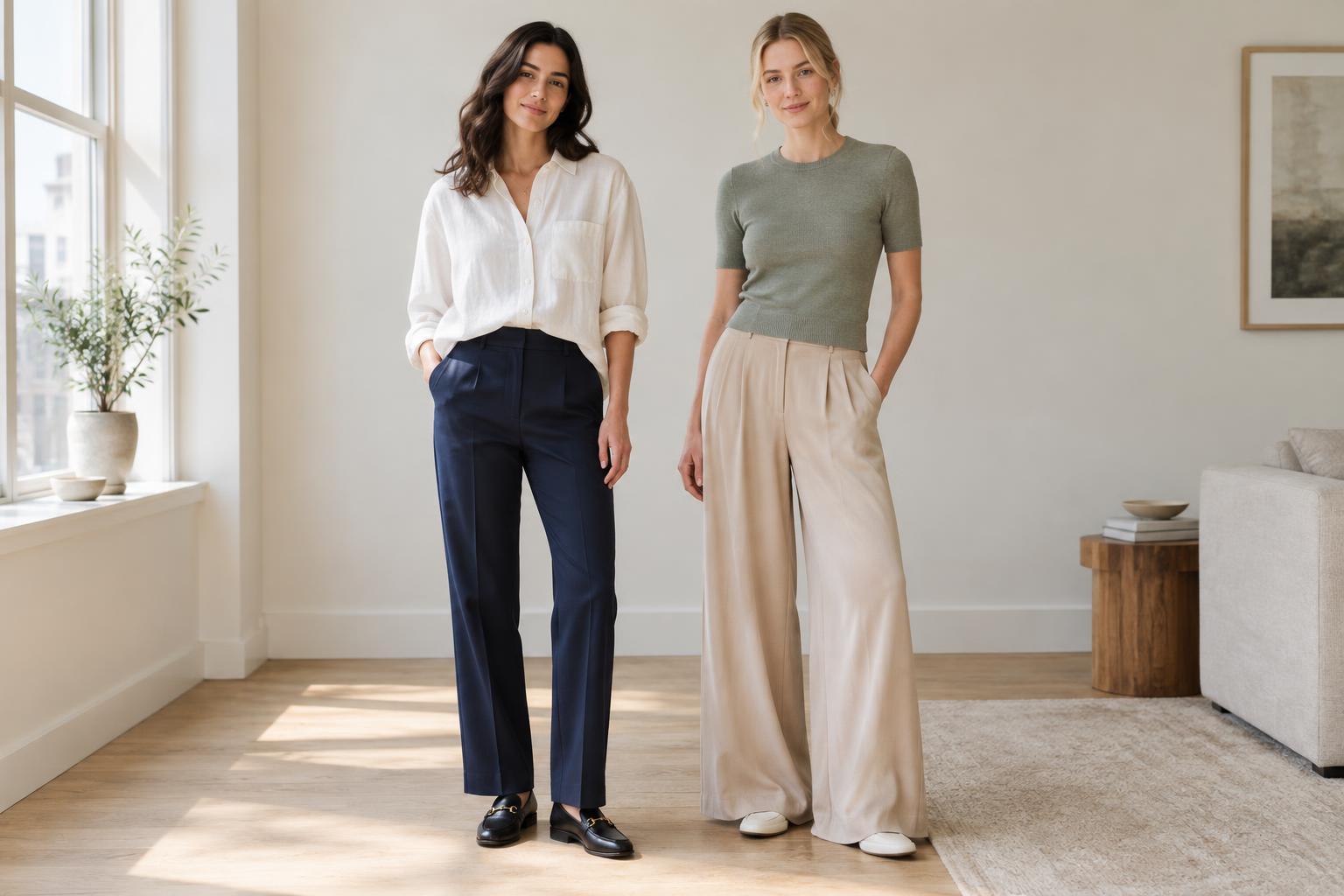
Color and Outfit IdeasThe right trouser silhouette depends on more than whether your top is loose or fitted. Use proportion, fabric and small styling adjustments to make both pieces work together.
Read article · 4 min↗
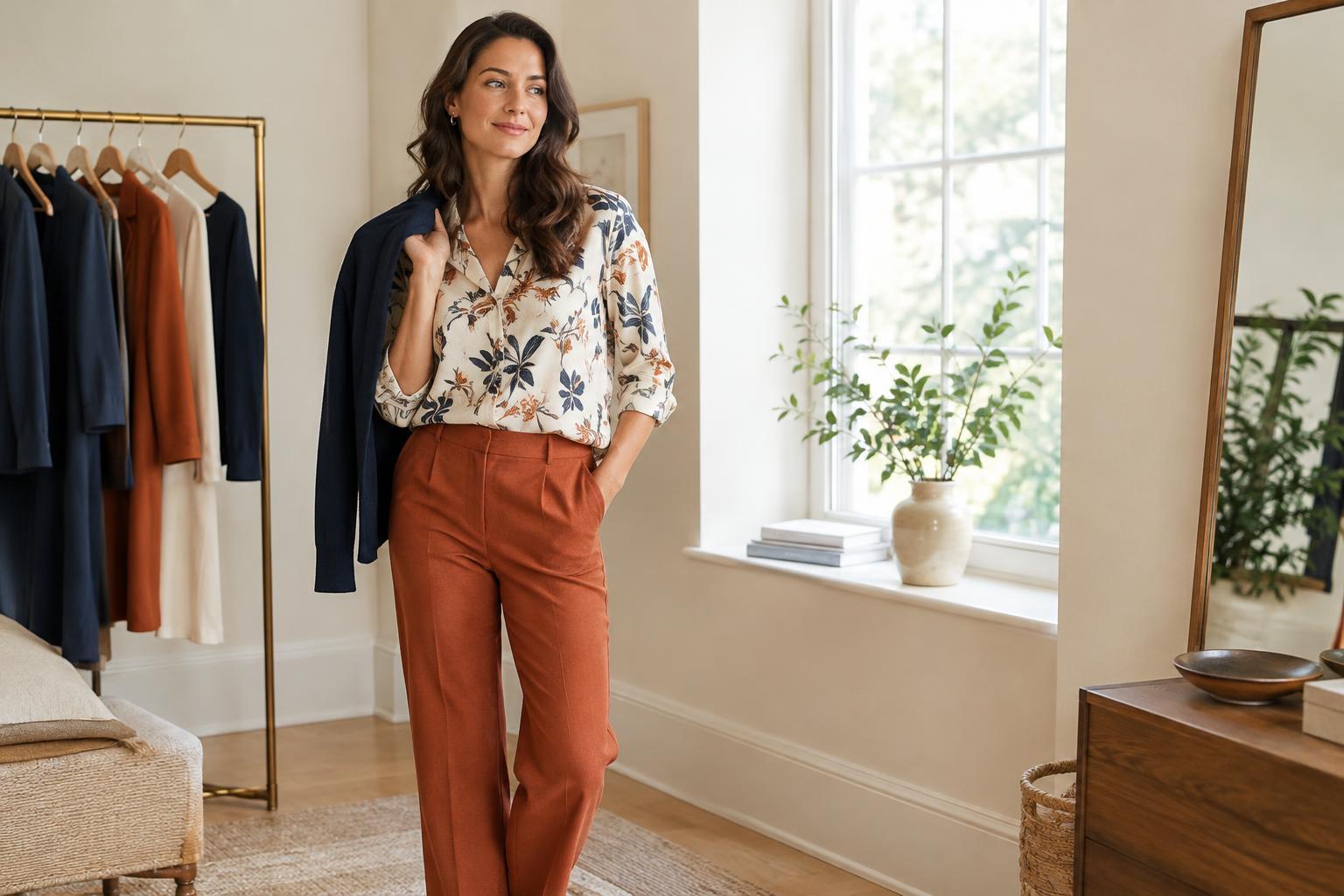
Color and Outfit IdeasA patterned garment can make an outfit feel lively without making it difficult to style. Learn how to choose solid colors from a print, balance visual weight, and build combinations you will want to wear again.
Read article · 4 min↗
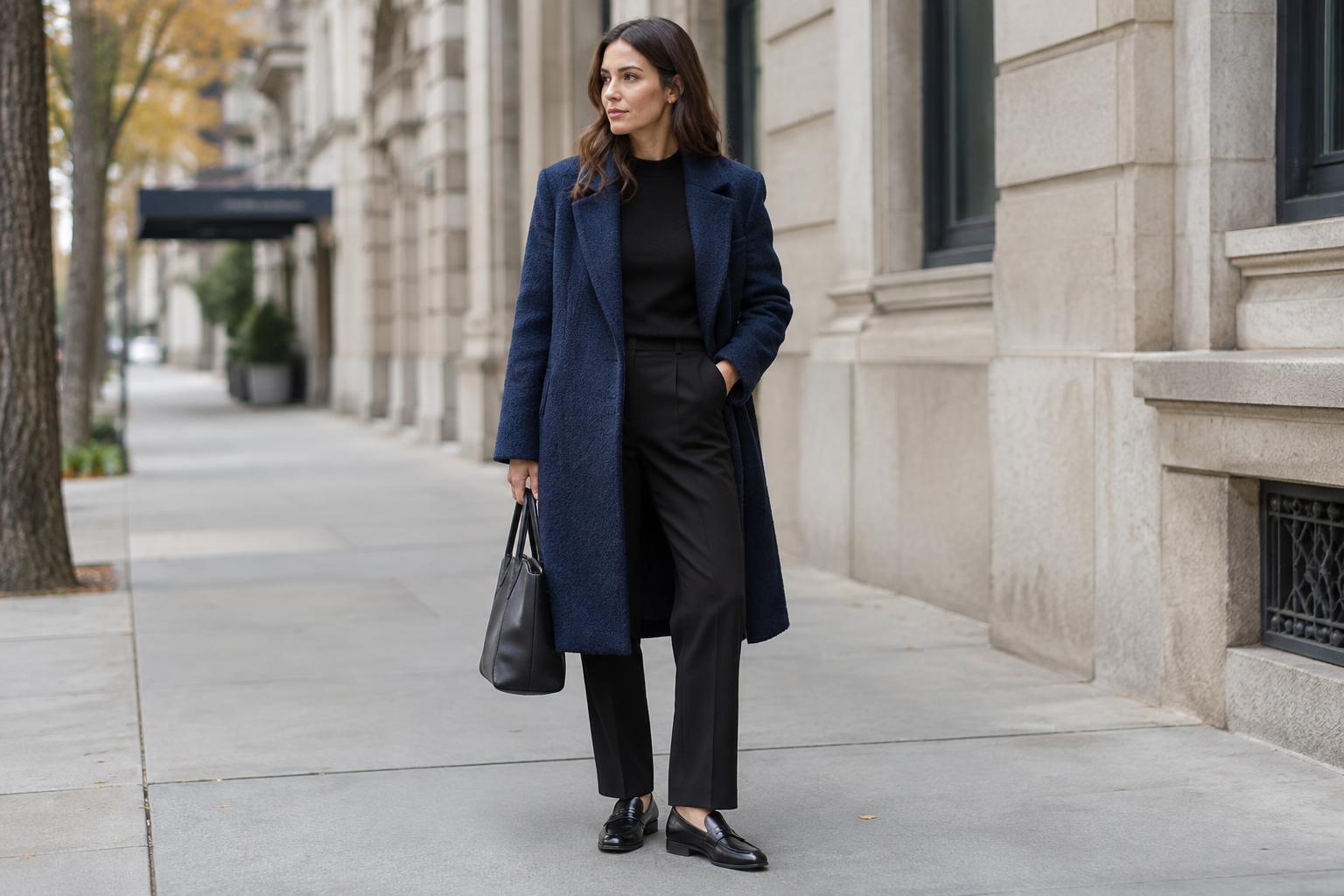
Color and Outfit IdeasNavy and black can make a versatile outfit when the pairing looks intentional. Learn how to use contrast, texture, layering and accessories to wear the two colors with confidence.
Read article · 4 min↗
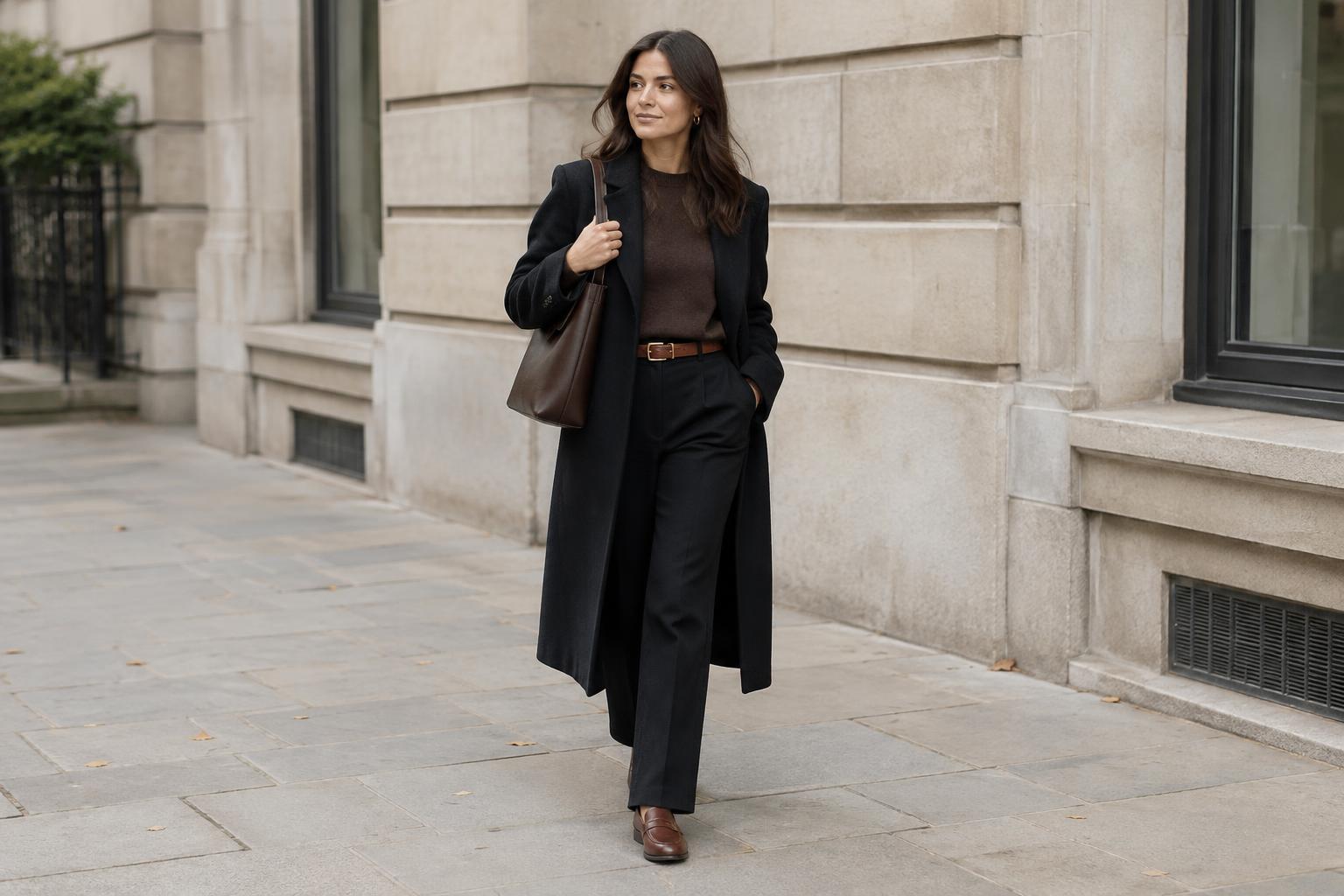
Color and Outfit IdeasBlack and brown can make a thoughtful everyday combination. Learn how to choose a brown tone, balance the two colors, use texture for contrast, and make accessories feel like part of the outfit.
Read article · 4 min↗
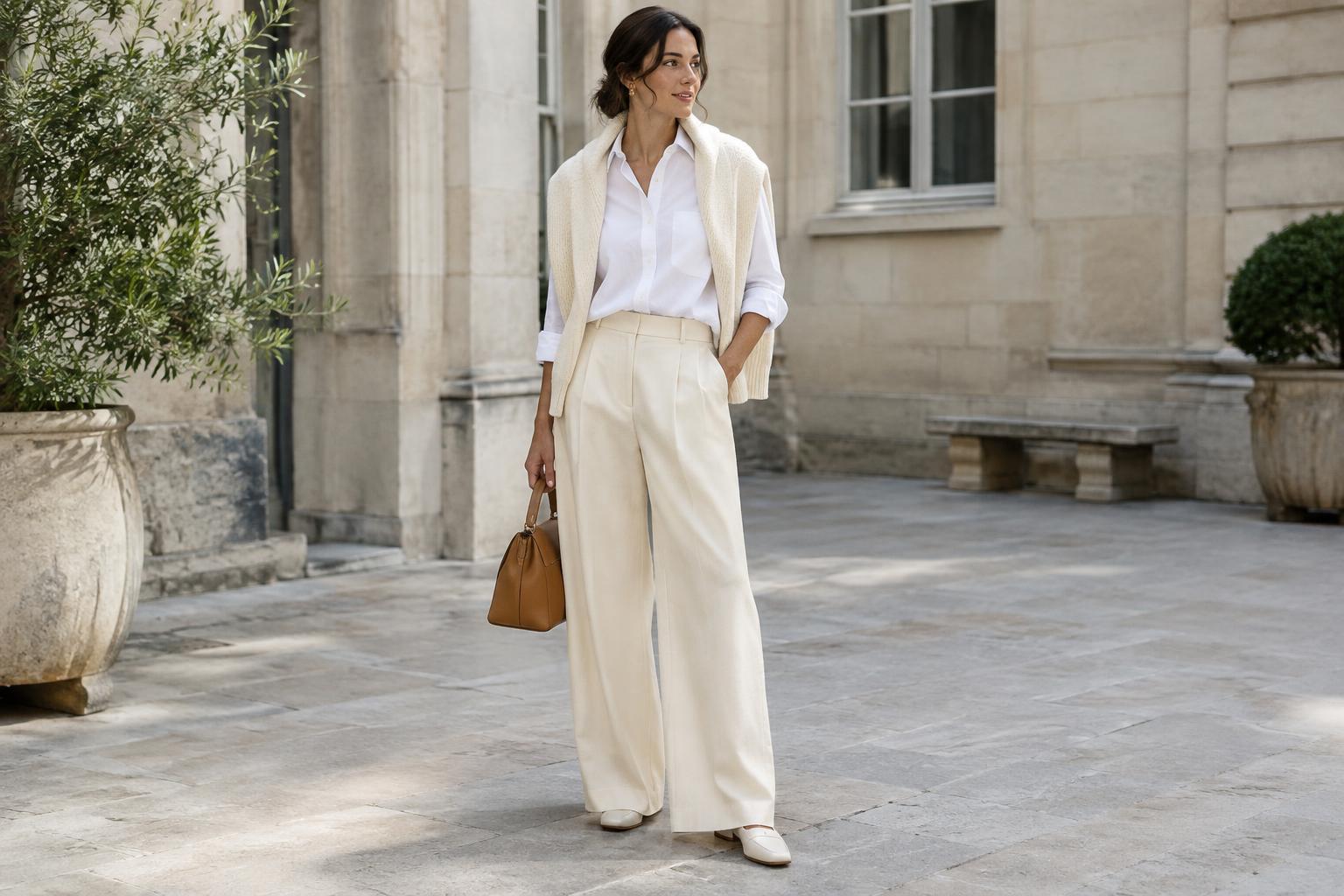
Color and Outfit IdeasWhite and cream can make an outfit feel relaxed, polished, or quietly layered. The key is to treat their differences as intentional: choose a shared undertone, add contrast through texture and shape, and check the combination in natural light.
Read article · 4 min↗
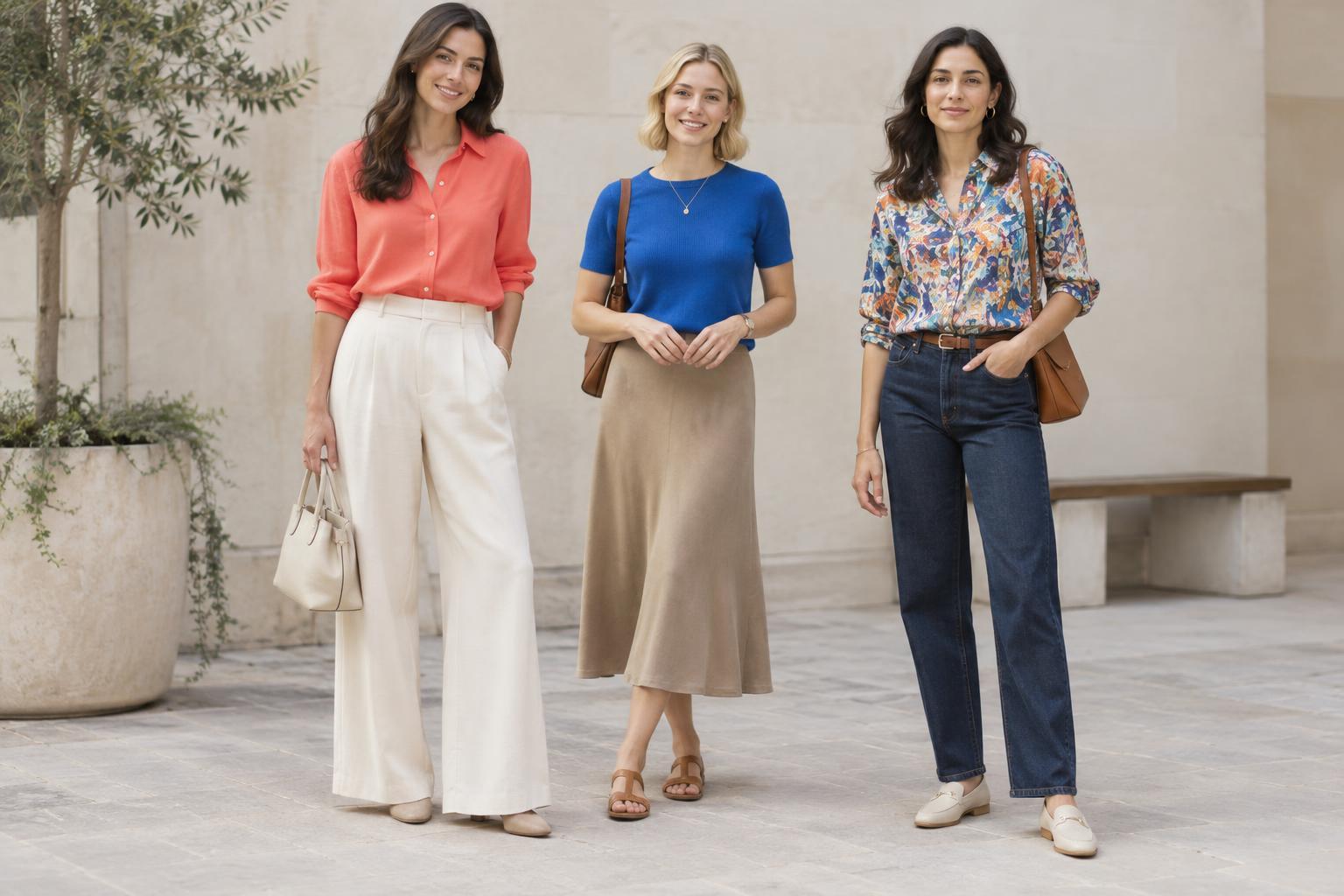
Color and Outfit IdeasA colorful top can make getting dressed easier when the rest of the outfit gives it room to shine. Learn how to choose bottoms by color, contrast, shape and texture, with practical combinations you can adapt to your wardrobe.
Read article · 4 min↗
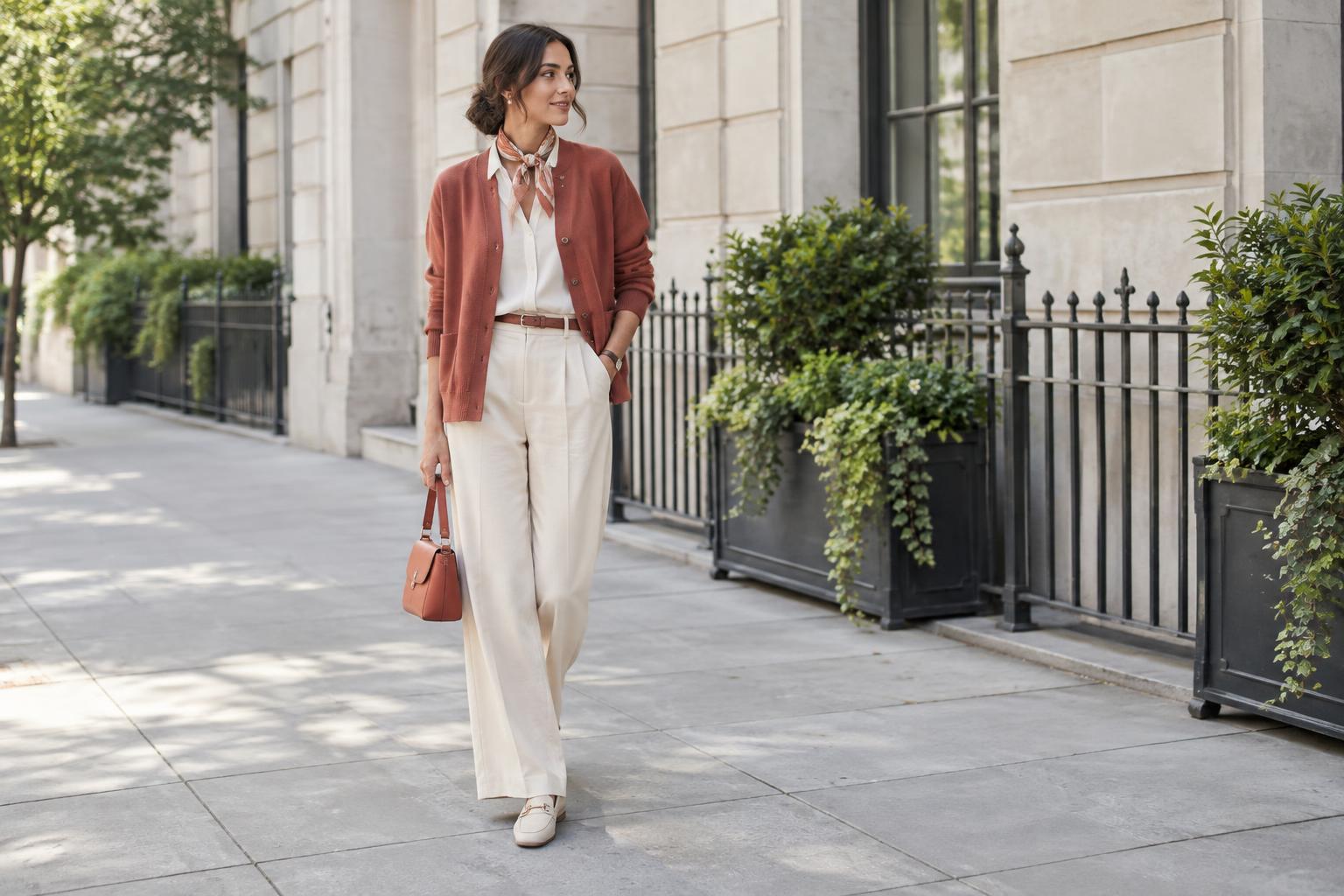
Color and Outfit IdeasRepeating a color can make separate pieces feel connected without making your outfit look overly matched. Learn how to choose a starting color, echo it through clothing or accessories, and adjust the idea for prints, neutrals and layers.
Read article · 4 min↗
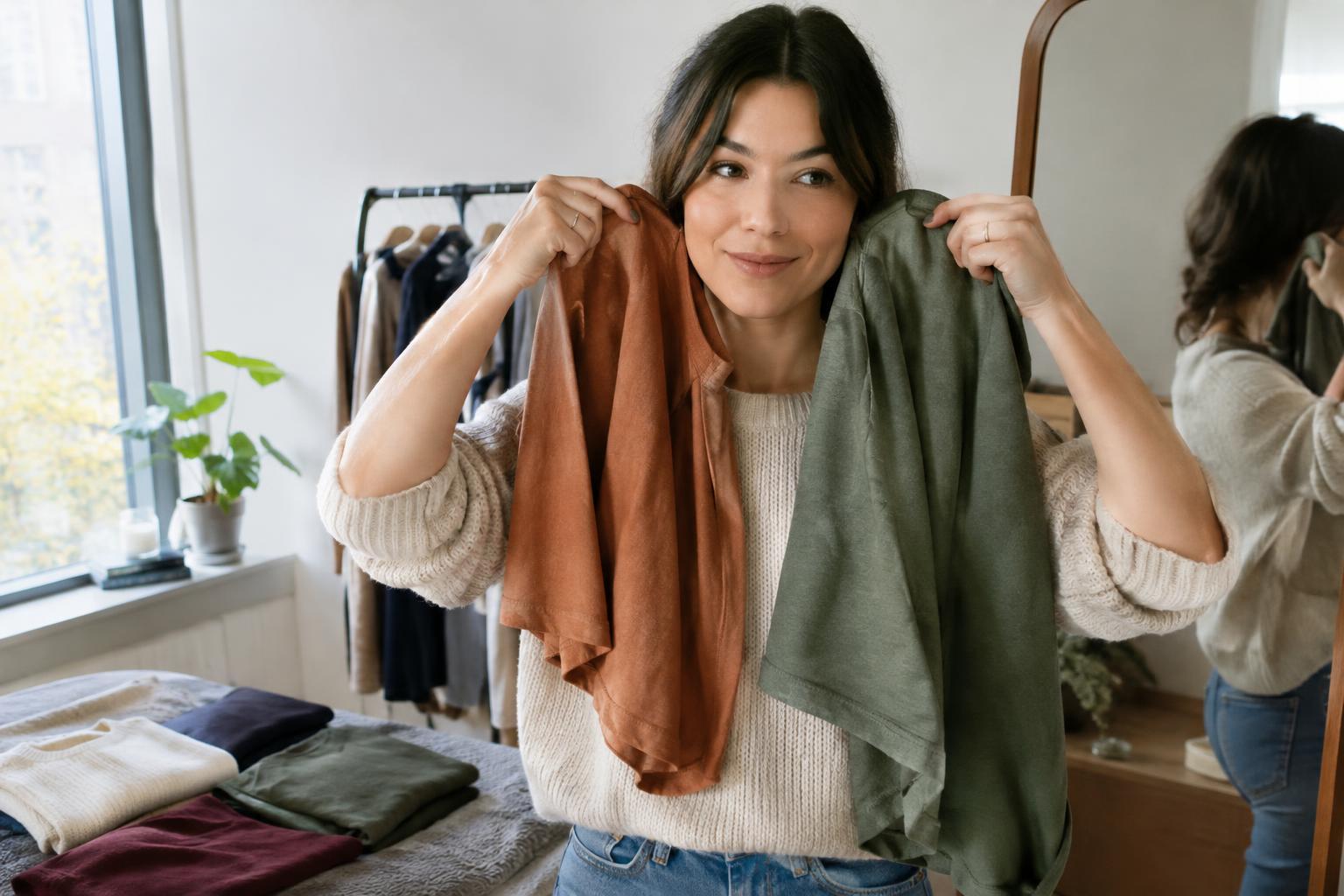
Color and Outfit IdeasThe color closest to your face can change the feel of an outfit, but you do not need a fixed palette to choose it. Use natural light, compare colors side by side, and adjust contrast, fabric, and accessories to find combinations you enjoy wearing.
Read article · 4 min↗
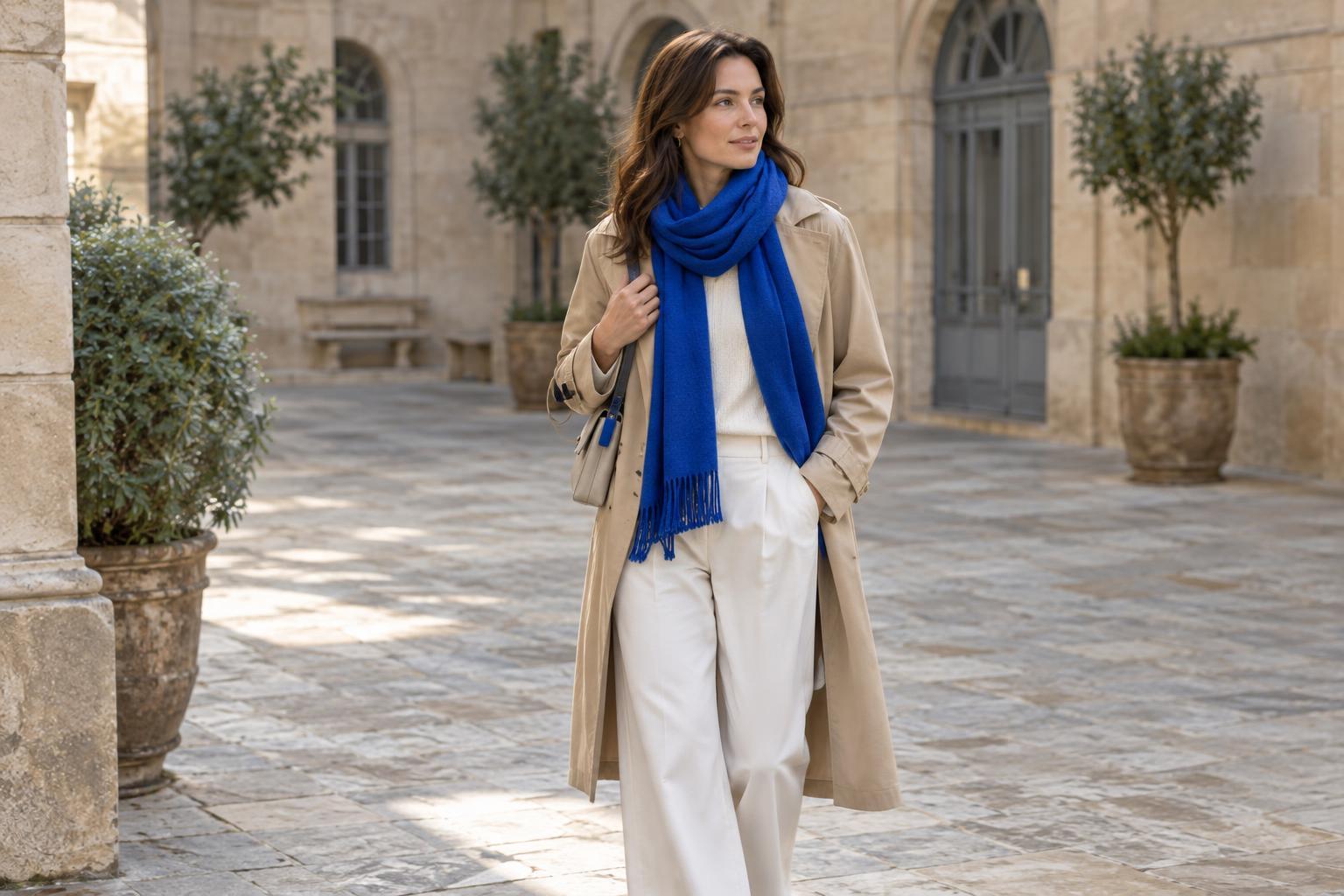
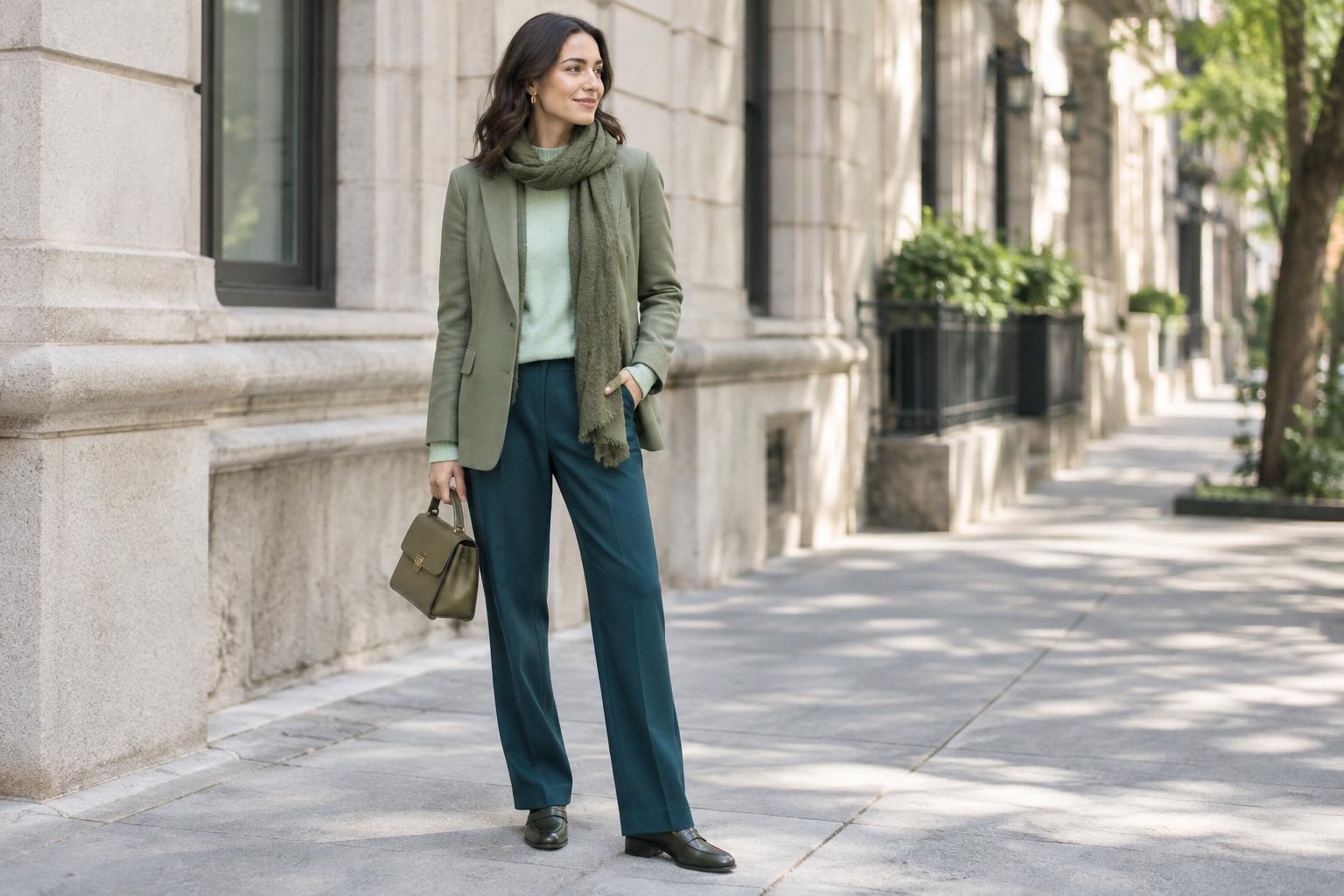
Color and Outfit IdeasAnalogous colors sit next to one another on the color wheel. Learn how to turn that simple relationship into wearable outfits, with practical ways to choose a dominant hue, vary lightness and texture, and finish the look with accessories.
Read article · 4 min↗
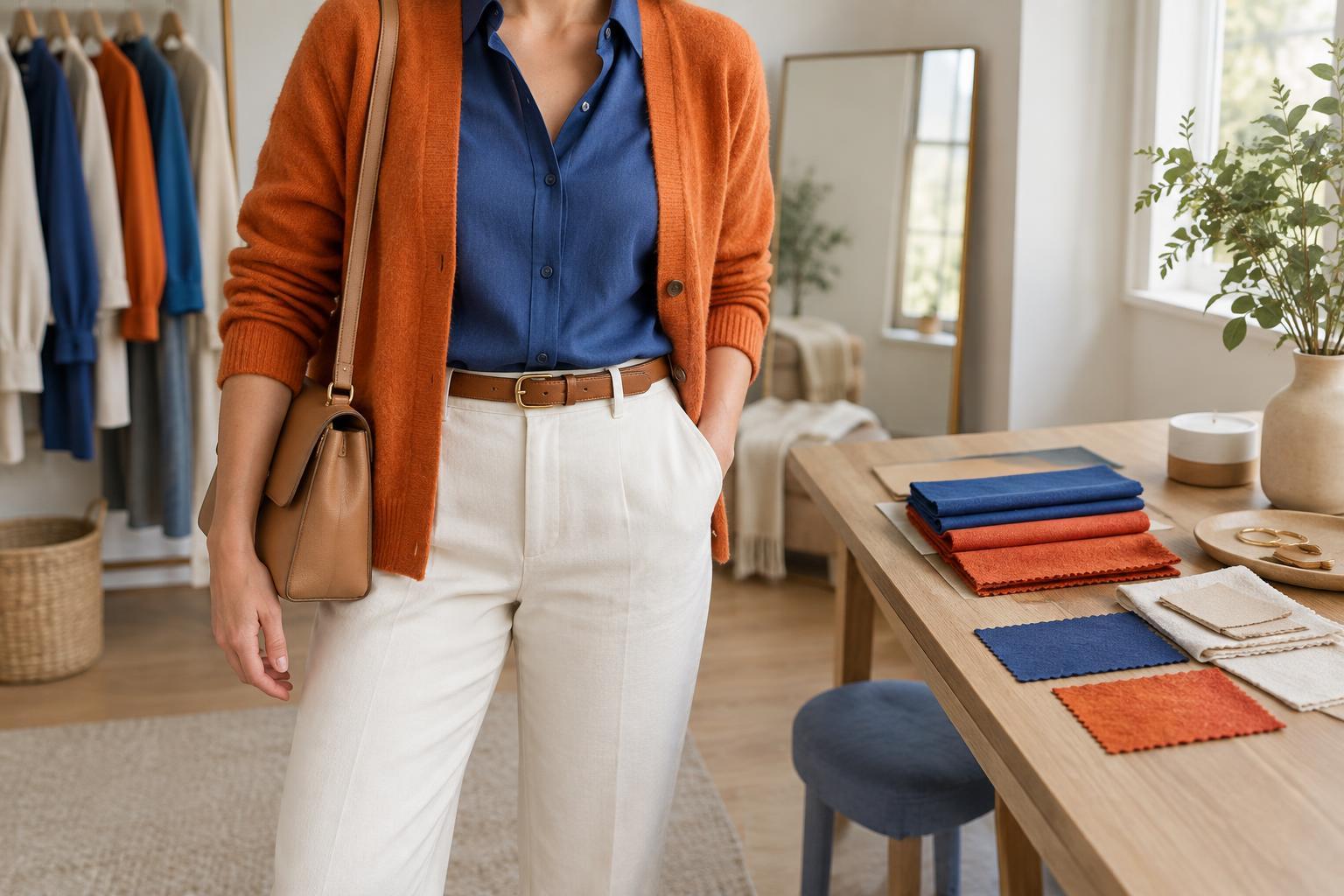
Color and Outfit IdeasColors opposite each other on a color wheel can make an outfit feel lively without making it complicated. Learn how to choose a complementary pair, adjust its intensity, and use accessories or familiar neutrals to make the combination your own.
Read article · 4 min↗
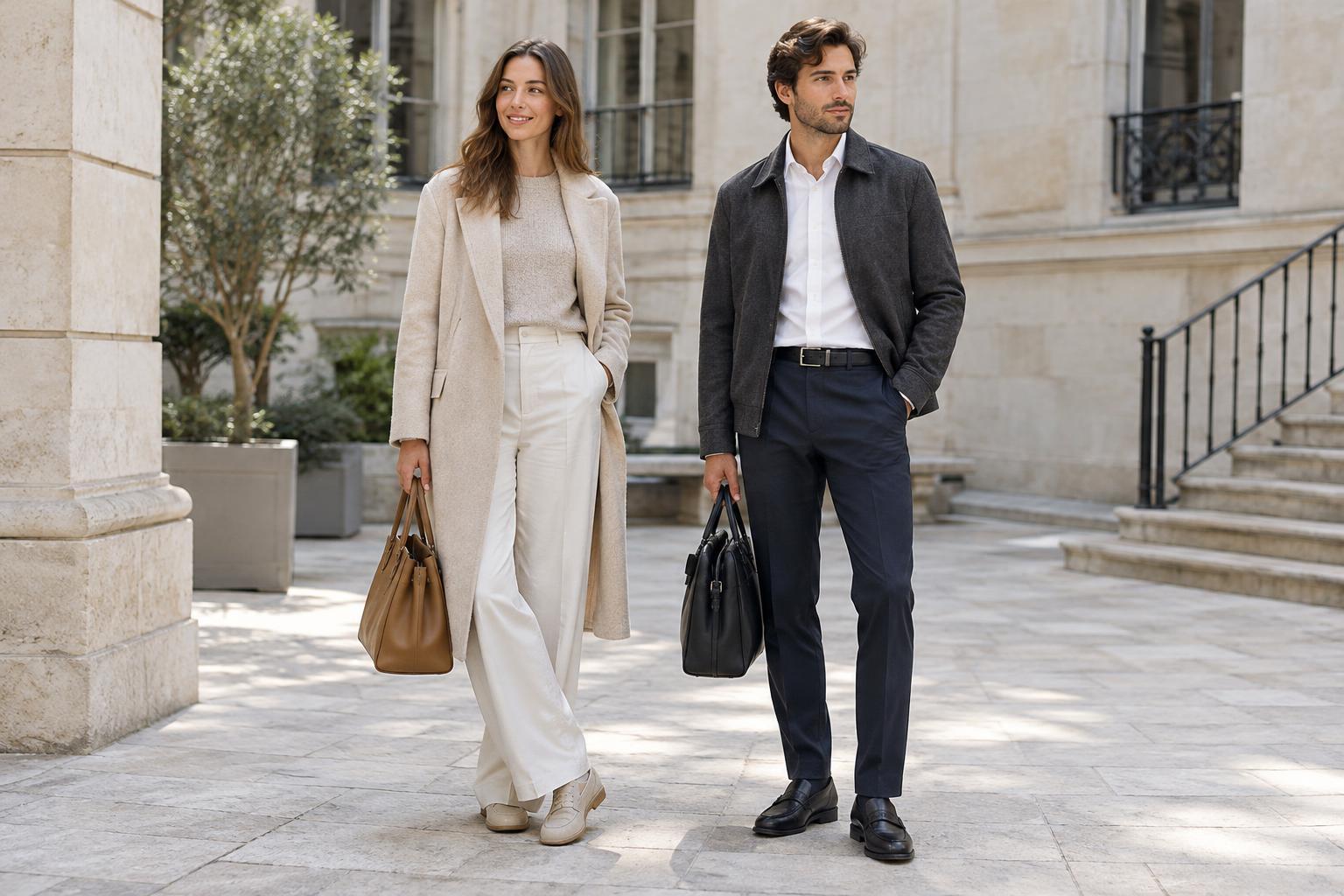
Color and Outfit IdeasContrast changes how an outfit feels, even when the pieces stay simple. Learn how to use light and dark colors, texture, and accessories to create either a quiet, blended look or a sharper, more graphic one.
Read article · 4 min↗
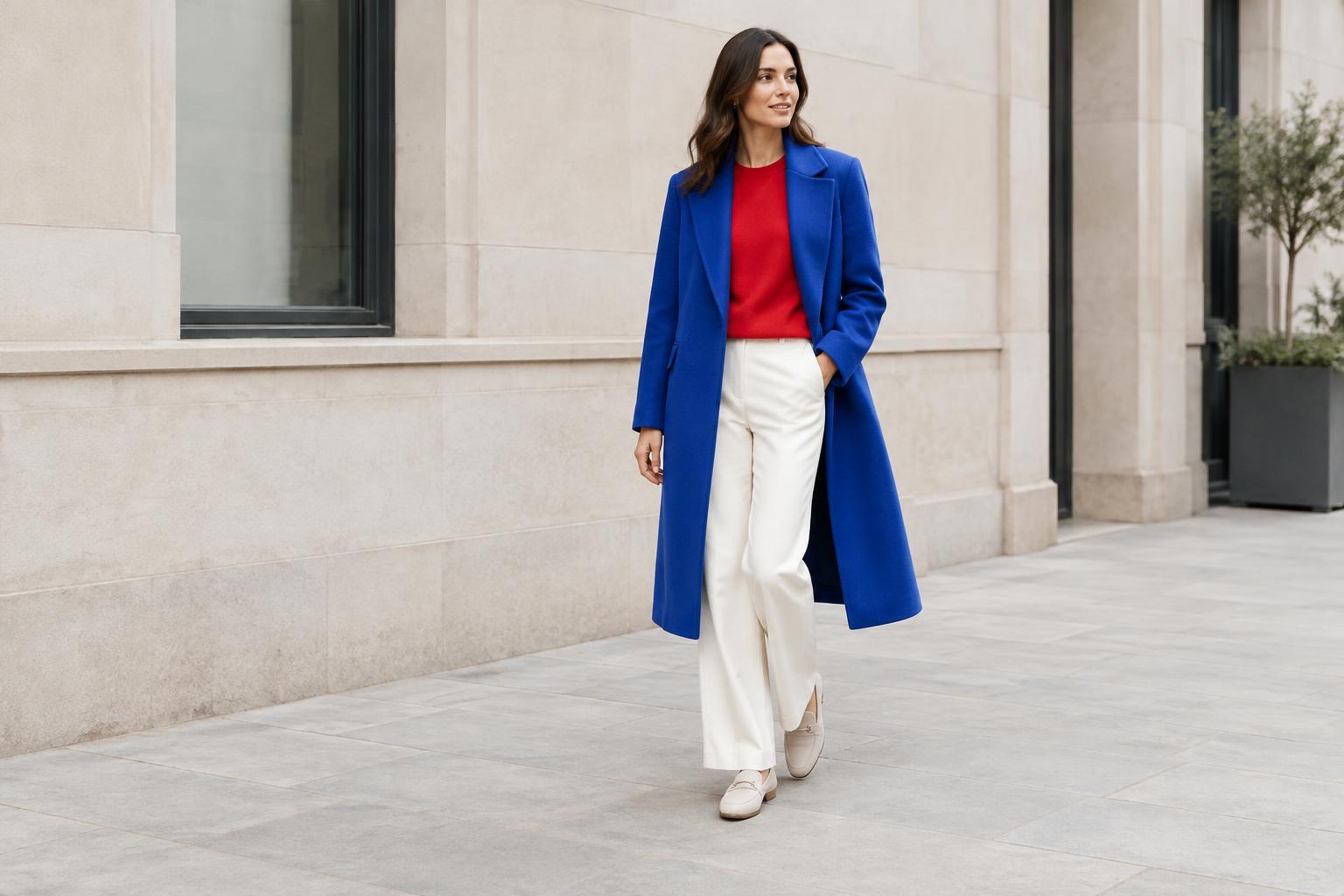
Color and Outfit IdeasTwo strong colors can look intentional rather than overwhelming. Choose a clear lead color, give each shade a defined place in the outfit, and let simple shapes and quiet details provide balance.
Read article · 4 min↗
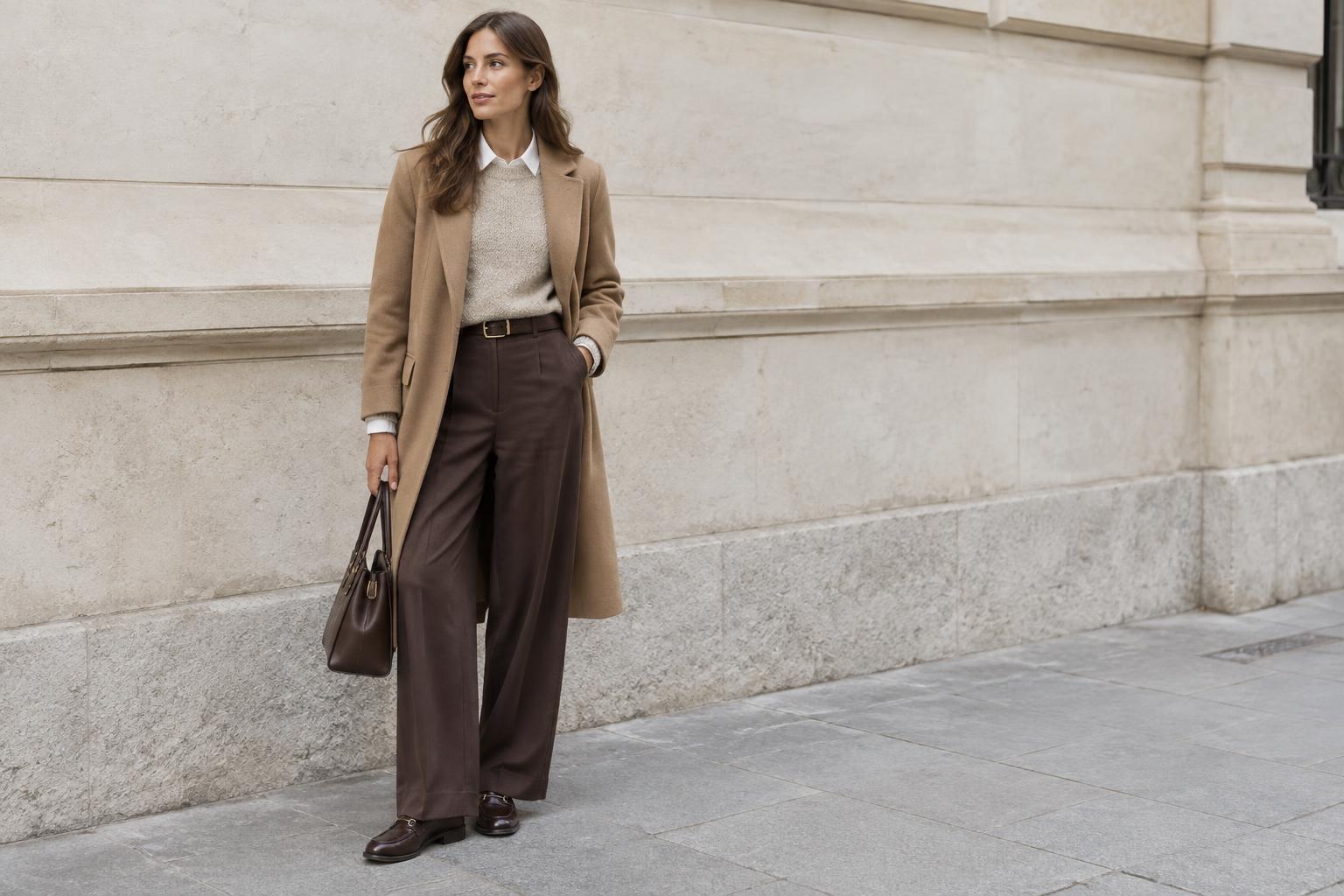
Color and Outfit IdeasDressing in one color family does not mean every piece has to match. Learn how to use lighter and darker shades, fabric texture, layering and accessories to give monochrome outfits shape and interest.
Read article · 4 min↗
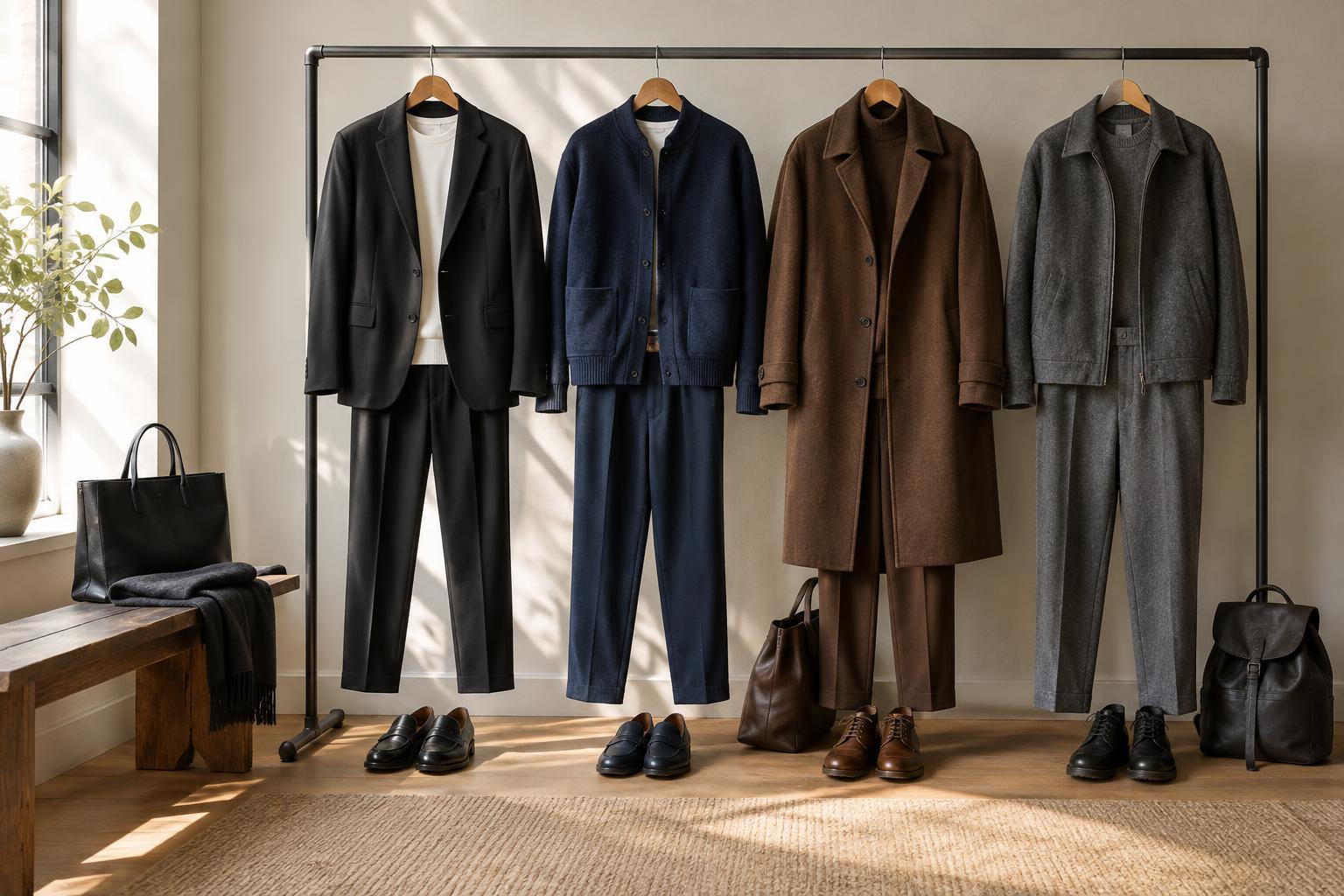
Color and Outfit IdeasA neutral base makes everyday outfits easier to combine, but it does not have to be black. Compare black, navy, brown and gray by looking at the clothes you already wear, the contrast you enjoy and the fabrics you reach for most.
Read article · 4 min↗
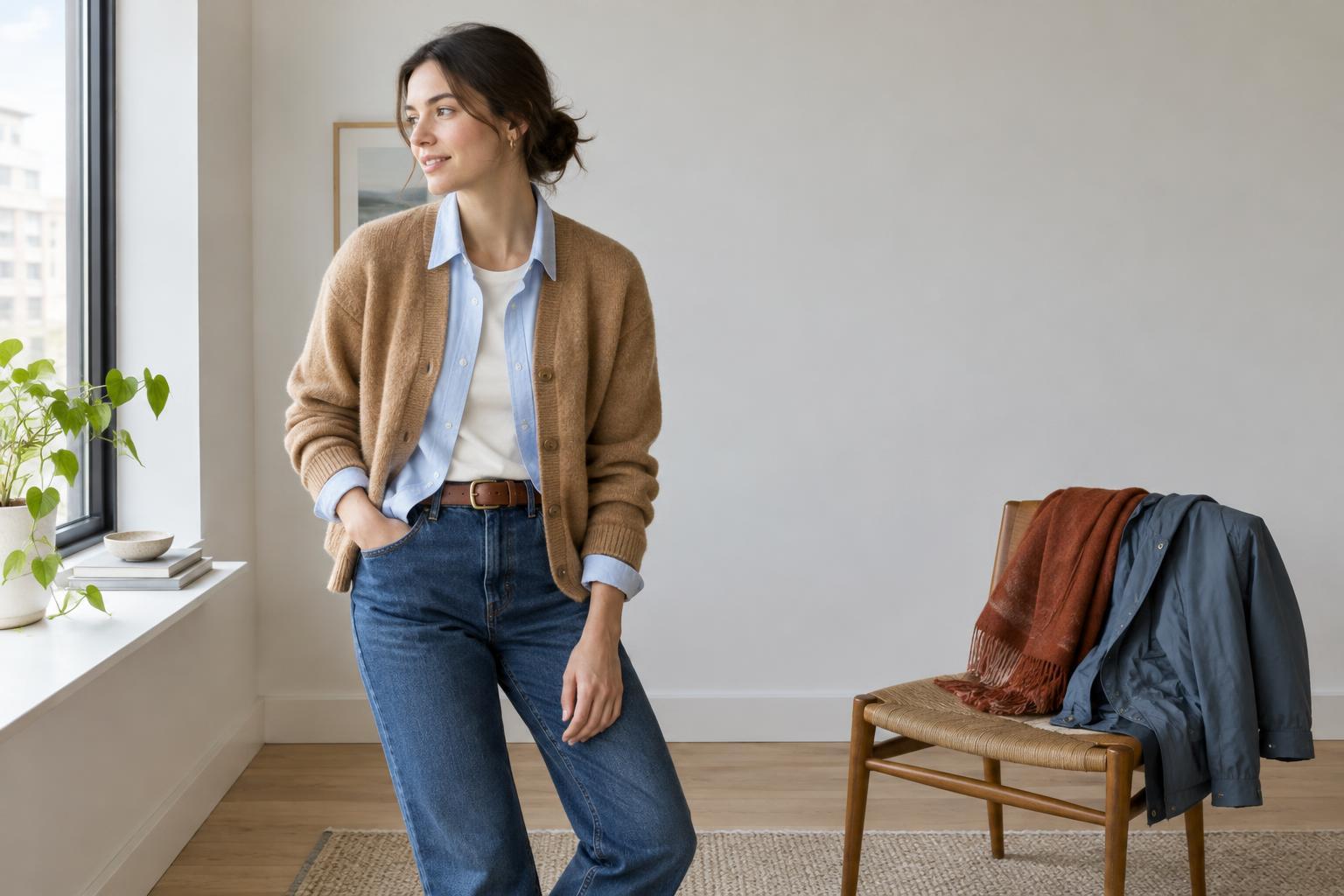
Color and Outfit IdeasWarm and cool colors are useful tools for getting dressed, not rules about what you can wear. Learn to recognize their undertones and combine them in easy outfits, from a casual denim look to a simple travel wardrobe.
Read article · 4 min↗
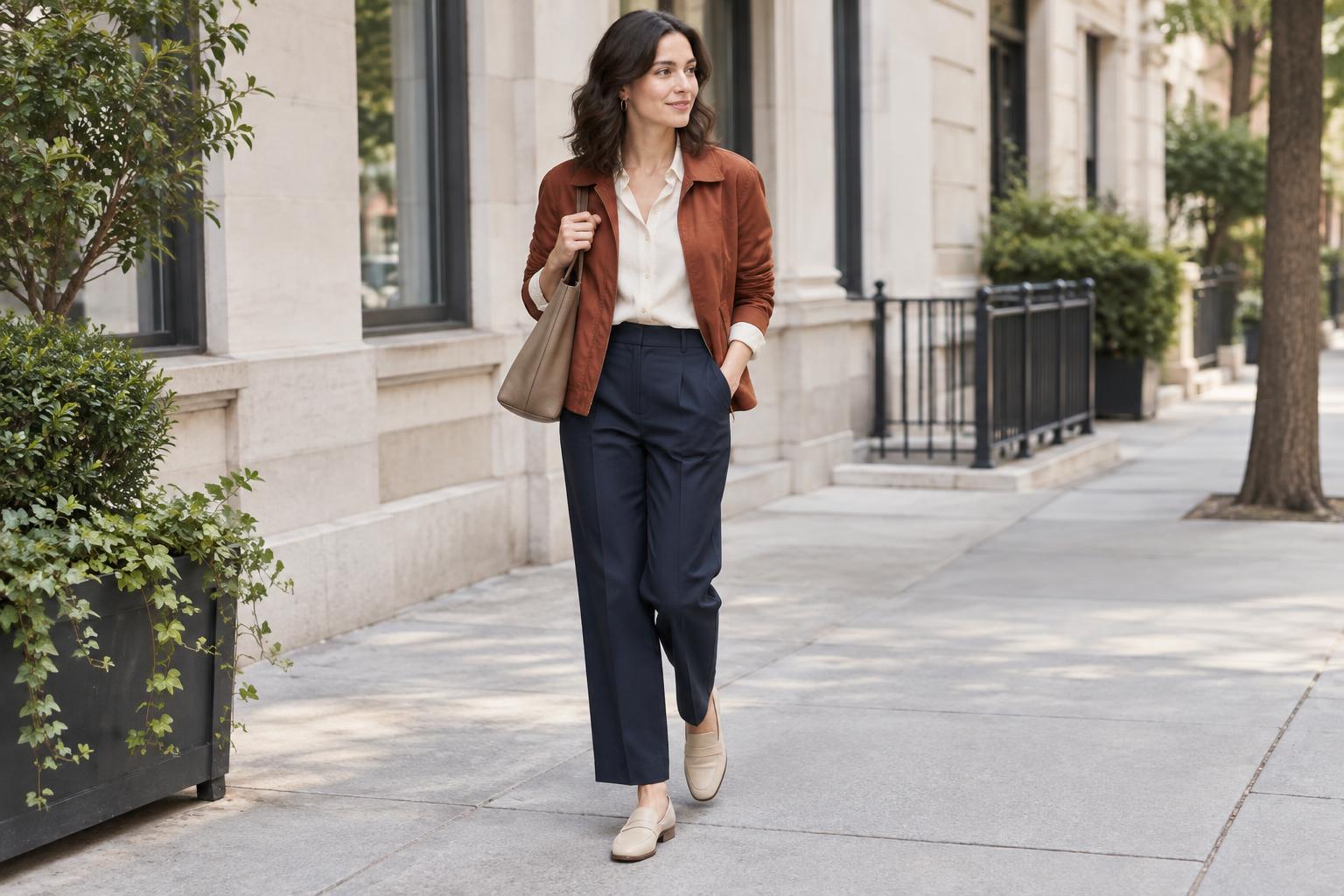
Color and Outfit IdeasThe three-color outfit rule can make getting dressed feel simpler, but it is a guide rather than a limit. Learn how to use it to build a balanced outfit, how to count patterns and accessories, and when a fourth color—or just one—works better.
Read article · 4 min↗
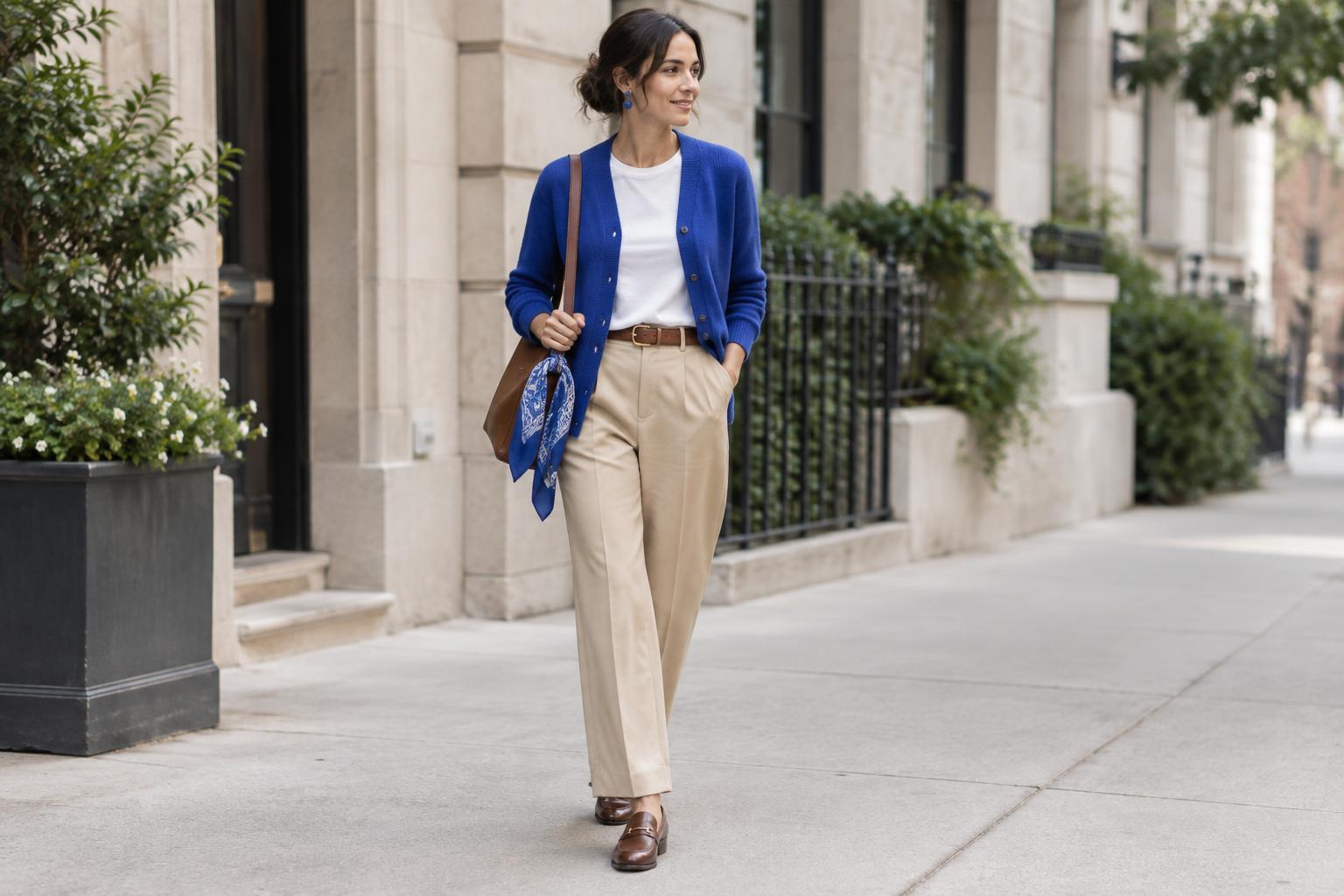
Color and Outfit IdeasA favorite color can be the starting point for an outfit, not a rule that every piece must match. Learn how to choose an anchor, add supporting neutrals, use contrast and texture, and make the result feel like your own style.
Read article · 4 min↗
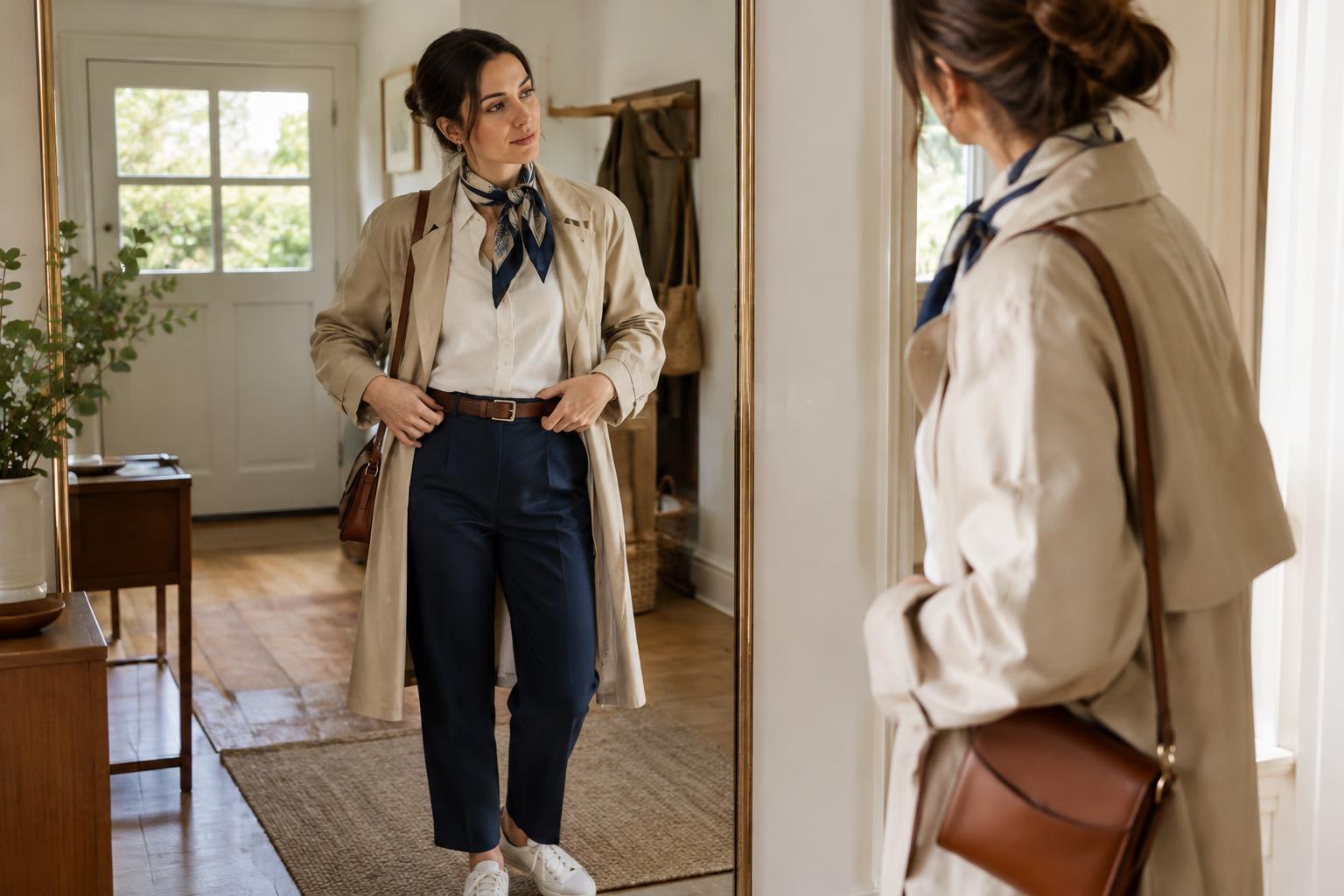
AccessoriesAccessories can make an everyday outfit feel considered, but only if they fit, work together and suit the day ahead. Learn how to spot three common mistakes and make practical changes without giving up your personal style.
Read article · 4 min↗
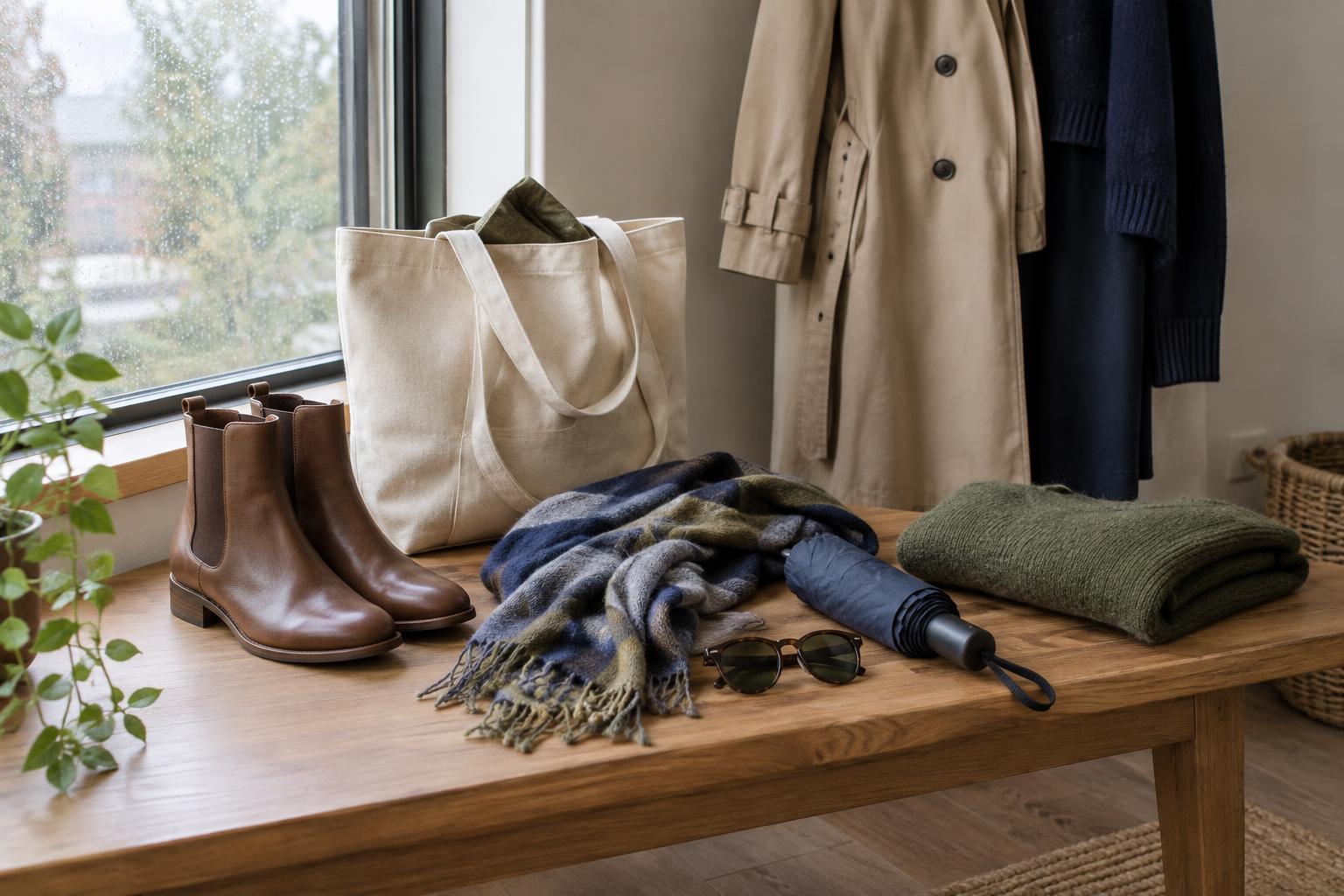
AccessoriesA seasonal wardrobe update does not have to mean replacing your clothes. Check the accessories that handle changing temperatures, rain, brighter days and shifting outfit colors, then keep only the pieces that work with what you already wear.
Read article · 4 min↗
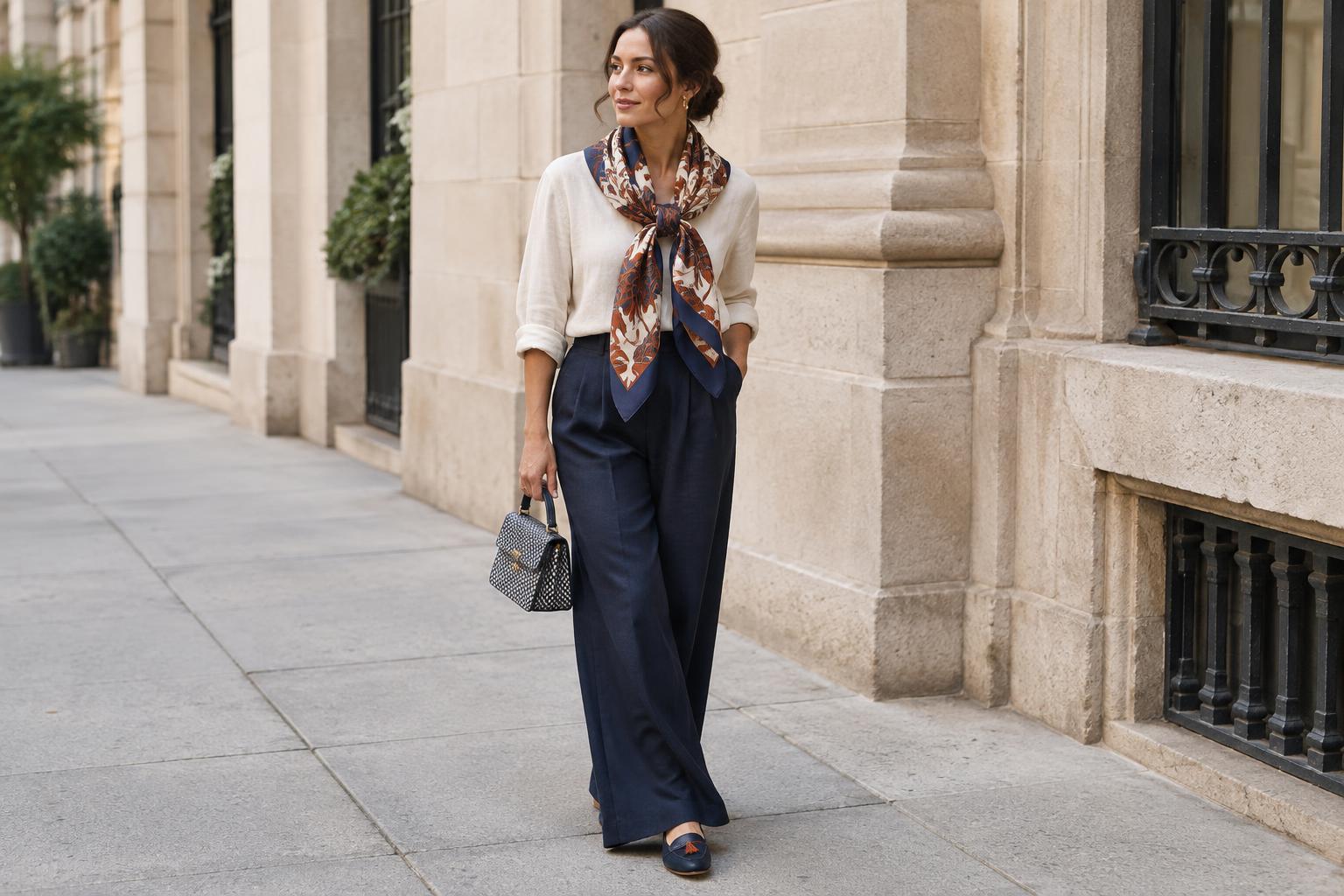
AccessoriesPatterned scarves, bags, shoes, and jewelry can make a simple outfit feel personal. The trick is to give the patterns a connection while letting one take the lead. Use color, scale, spacing, and texture to build combinations that look intentional rather than busy.
Read article · 4 min↗
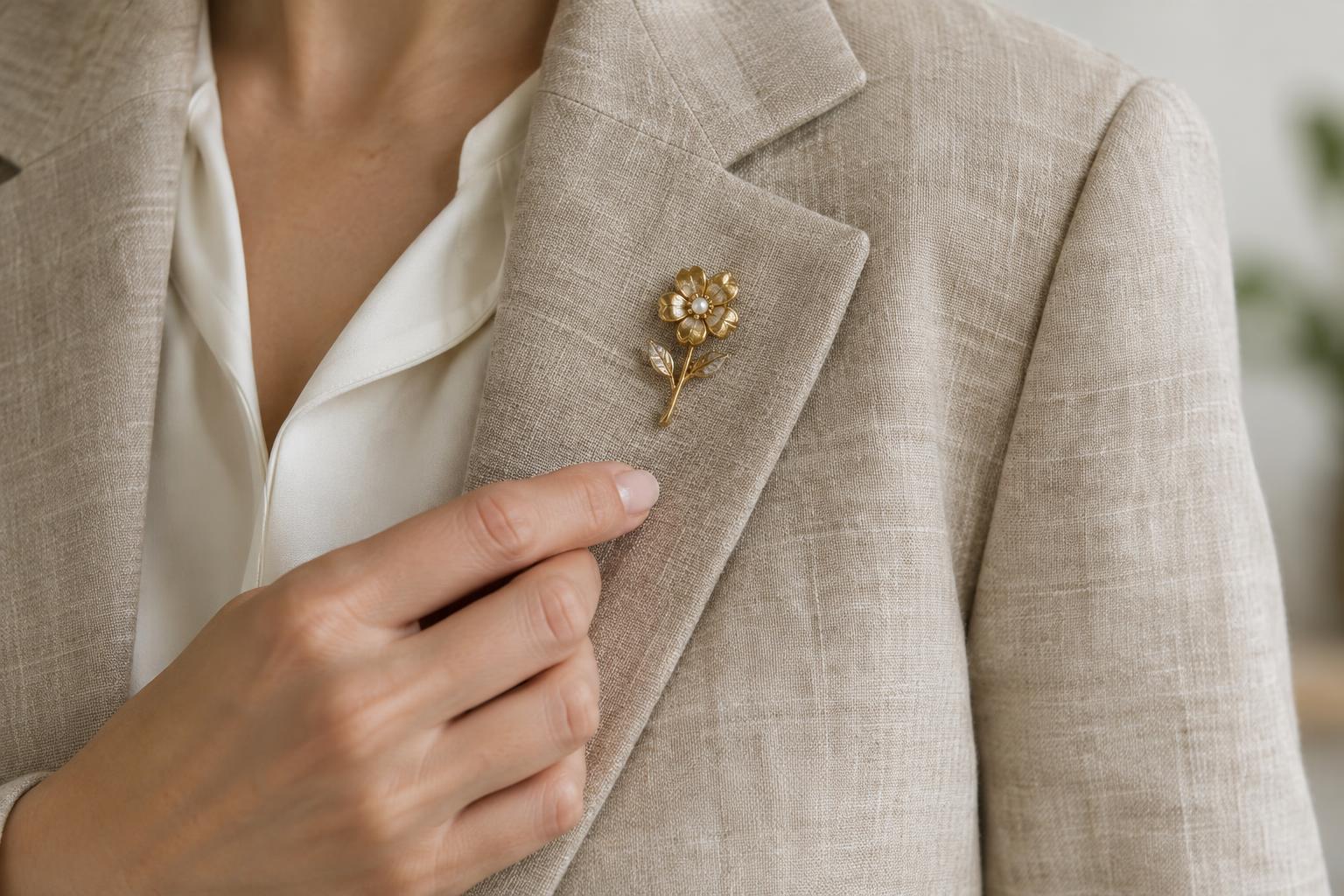
AccessoriesA brooch can give an outfit a personal touch, but its pin and weight can leave marks on silk, chiffon or fine knits. Learn how to choose a safe placement, support the fastening and spot trouble before it becomes a snag.
Read article · 4 min↗
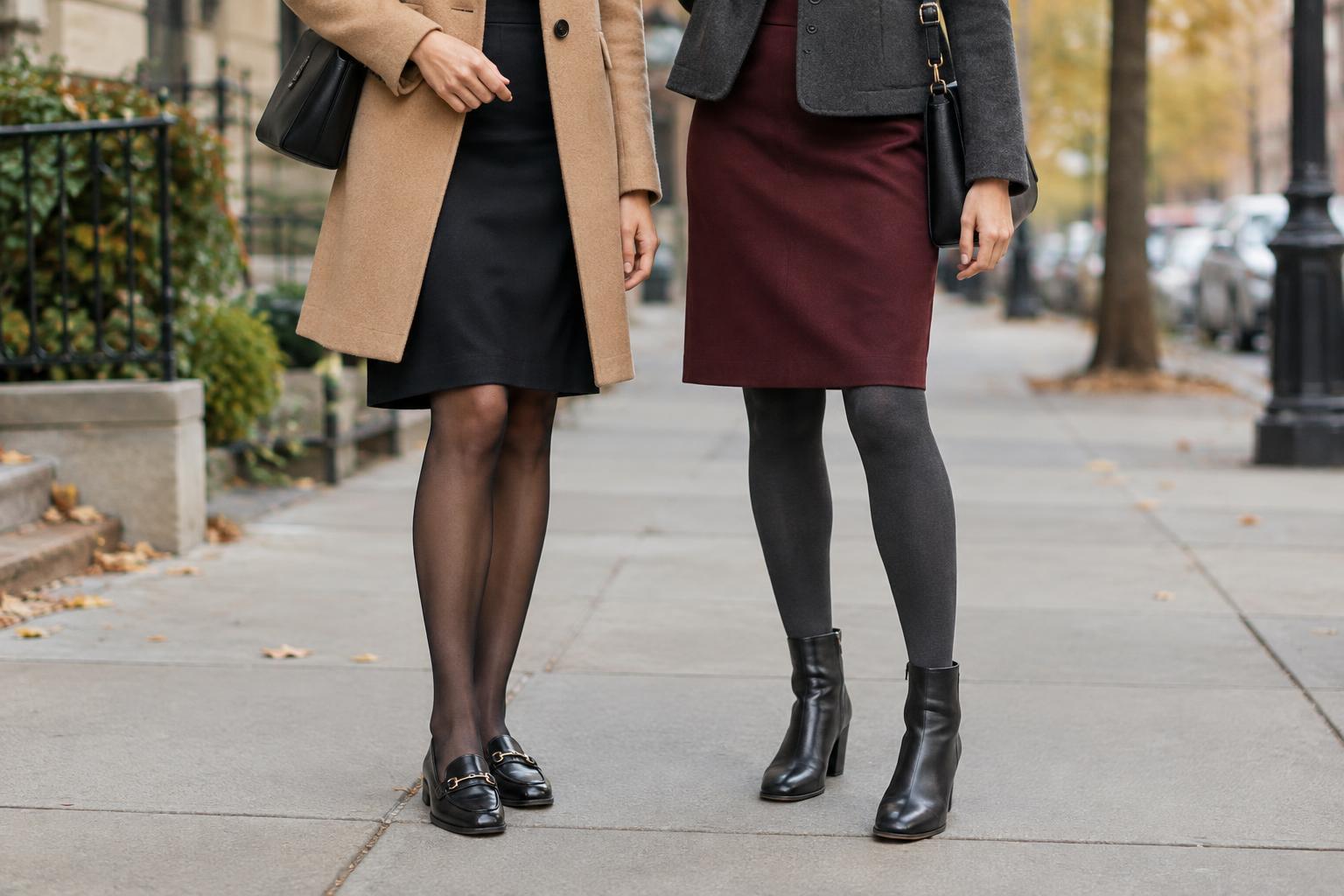
AccessoriesTights can change the mood of an outfit as much as a shoe or a jacket. Learn when a sheer, semi-sheer or opaque finish works best, and how to choose a color and texture that feels intentional.
Read article · 4 min↗
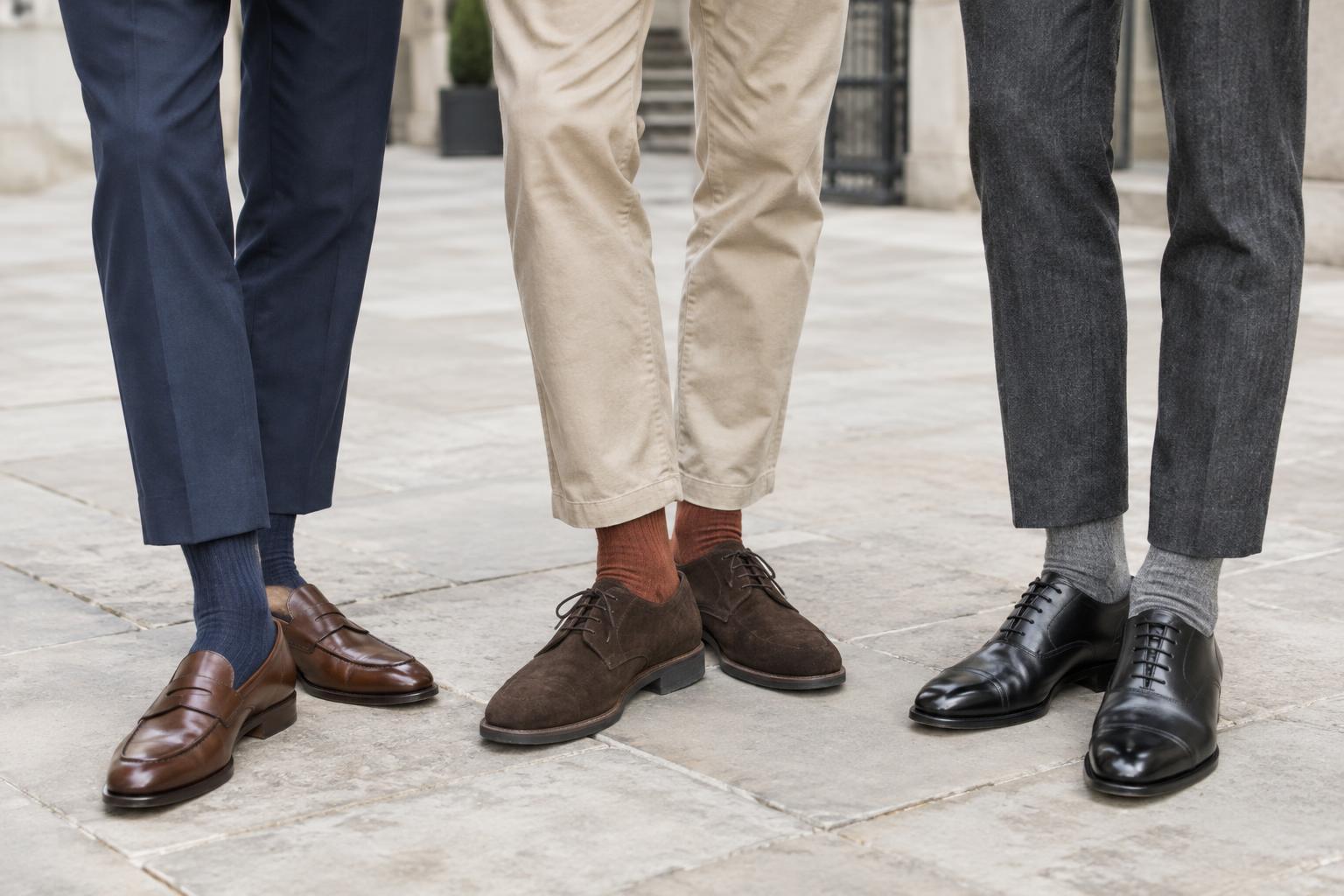
AccessoriesVisible socks can quietly connect an outfit or add a deliberate accent. Learn how to choose their color, texture and height in relation to your trousers, shoes and the amount of sock on show.
Read article · 4 min↗
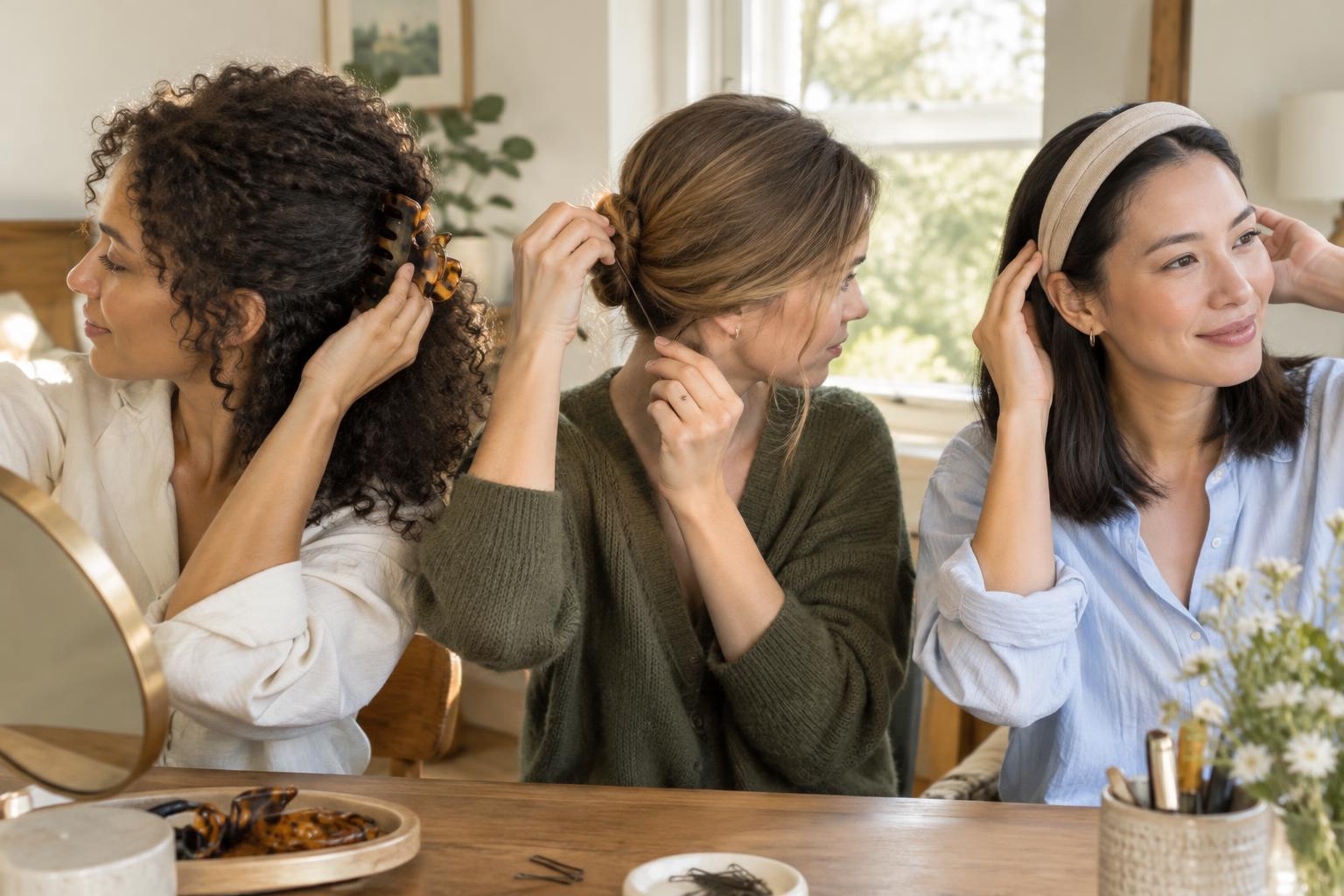
AccessoriesThe best hair accessory is one that stays put without pulling or flattening your style. Learn how to match clips, pins and headbands to your hair, the look you want and the way you spend your day.
Read article · 4 min↗
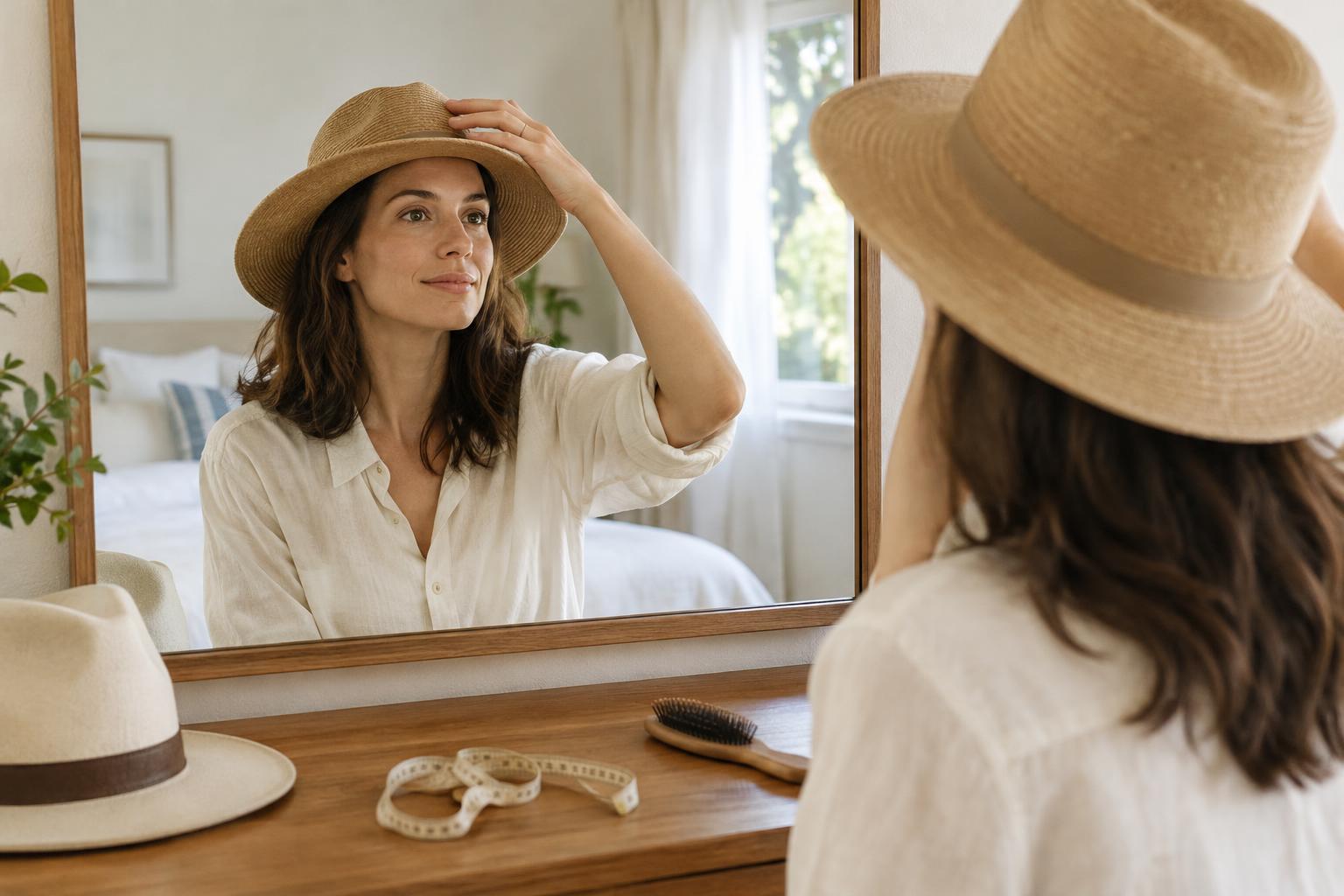
AccessoriesA hat should feel secure without squeezing your forehead or needing constant adjustment. Learn how to measure your head, check the crown and brim, account for your hair, and test a hat before making it part of your everyday wardrobe.
Read article · 4 min↗
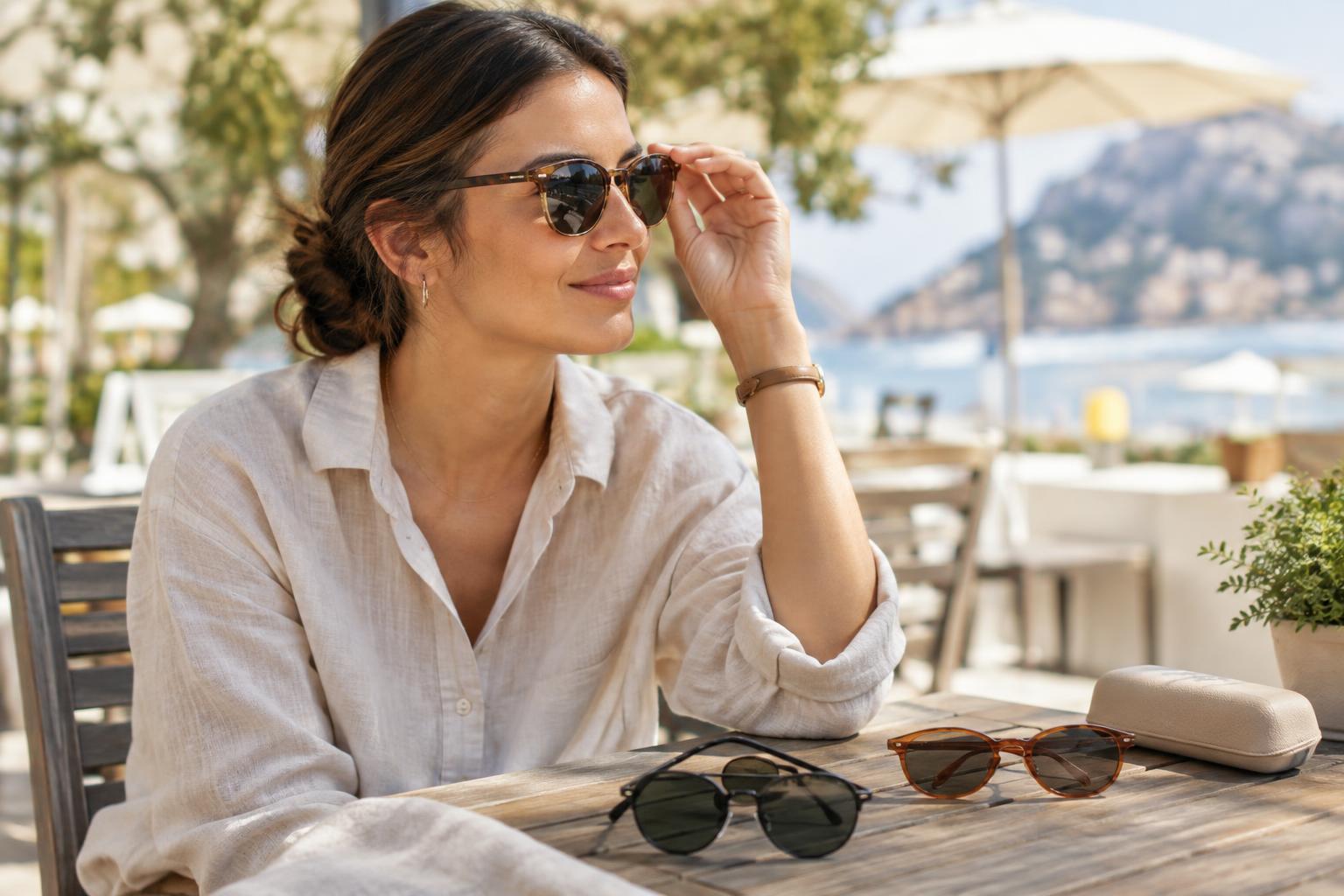
AccessoriesGood sunglasses do more than complete an outfit. Learn how to check UV protection, find a comfortable fit, compare lens features and choose a pair you will enjoy wearing regularly.
Read article · 4 min↗
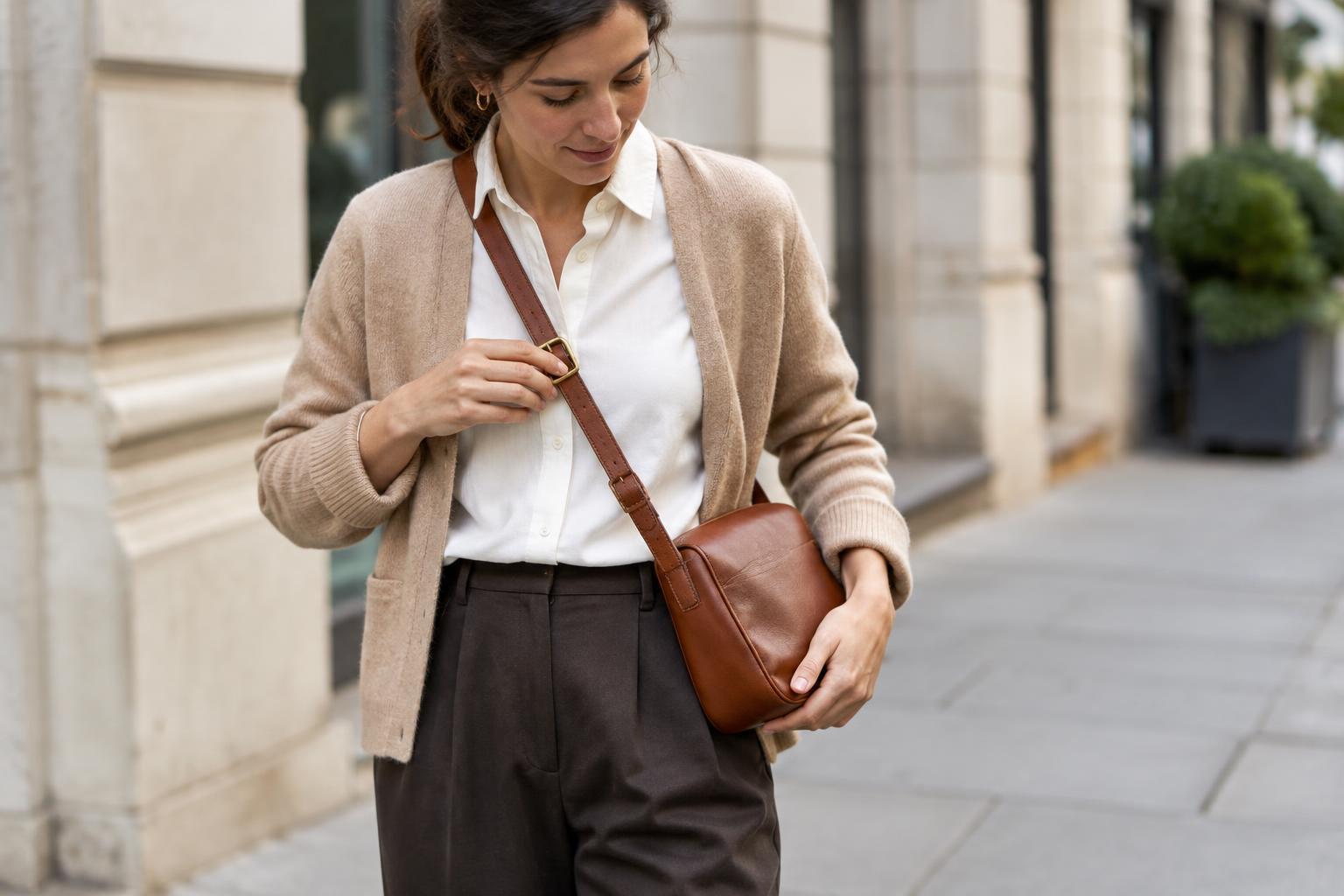
AccessoriesA crossbody bag should feel secure without pulling at your neck or disrupting your outfit. Learn how to find a useful starting length, fine-tune the fit for your body and clothing, and keep the bag comfortable throughout the day.
Read article · 4 min↗
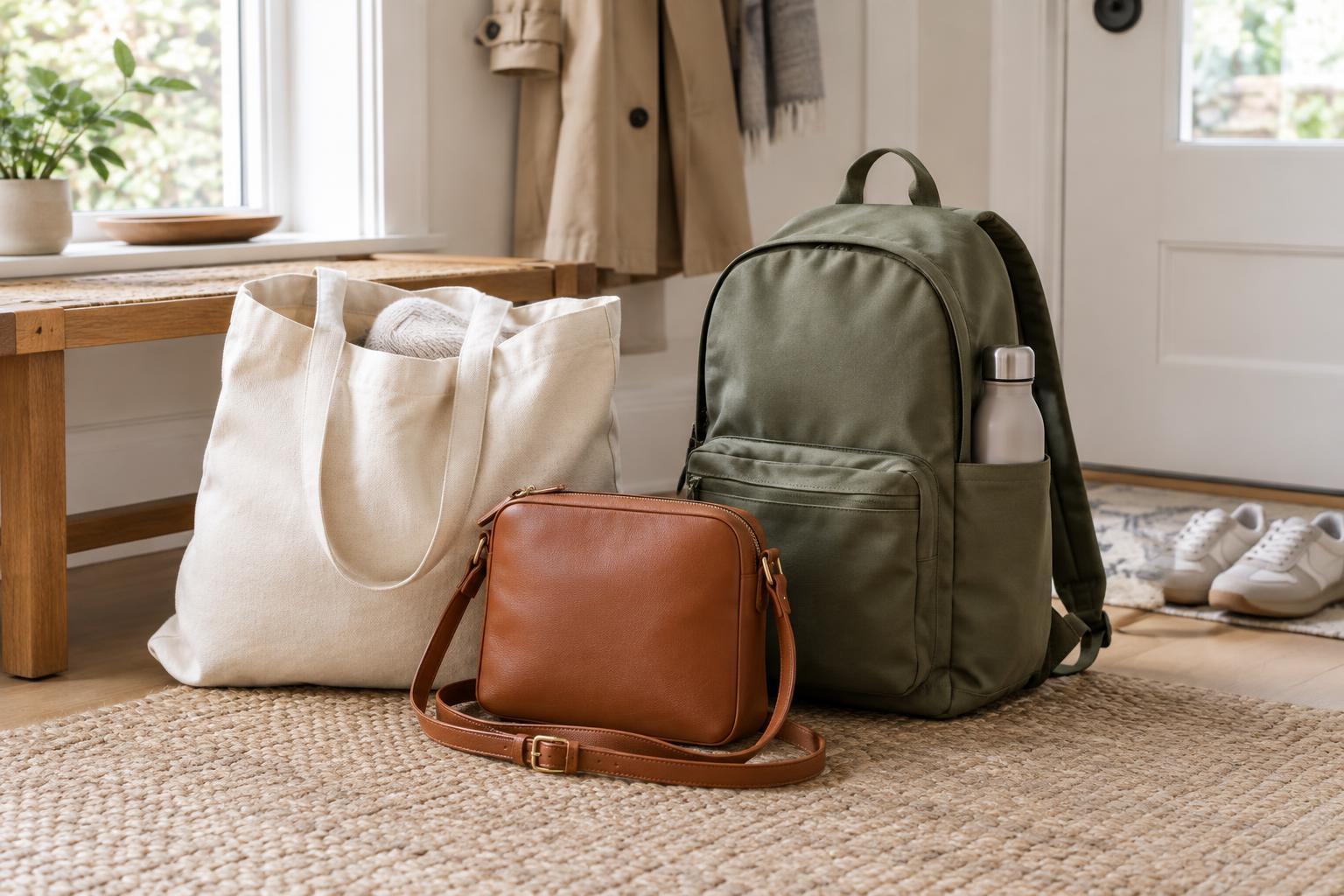
AccessoriesThe right everyday bag depends less on trends than on what you carry, how far you walk and how often you need your hands free. Compare totes, crossbodies and backpacks through practical routines, then use size, materials and outfit proportions to make your choice.
Read article · 4 min↗
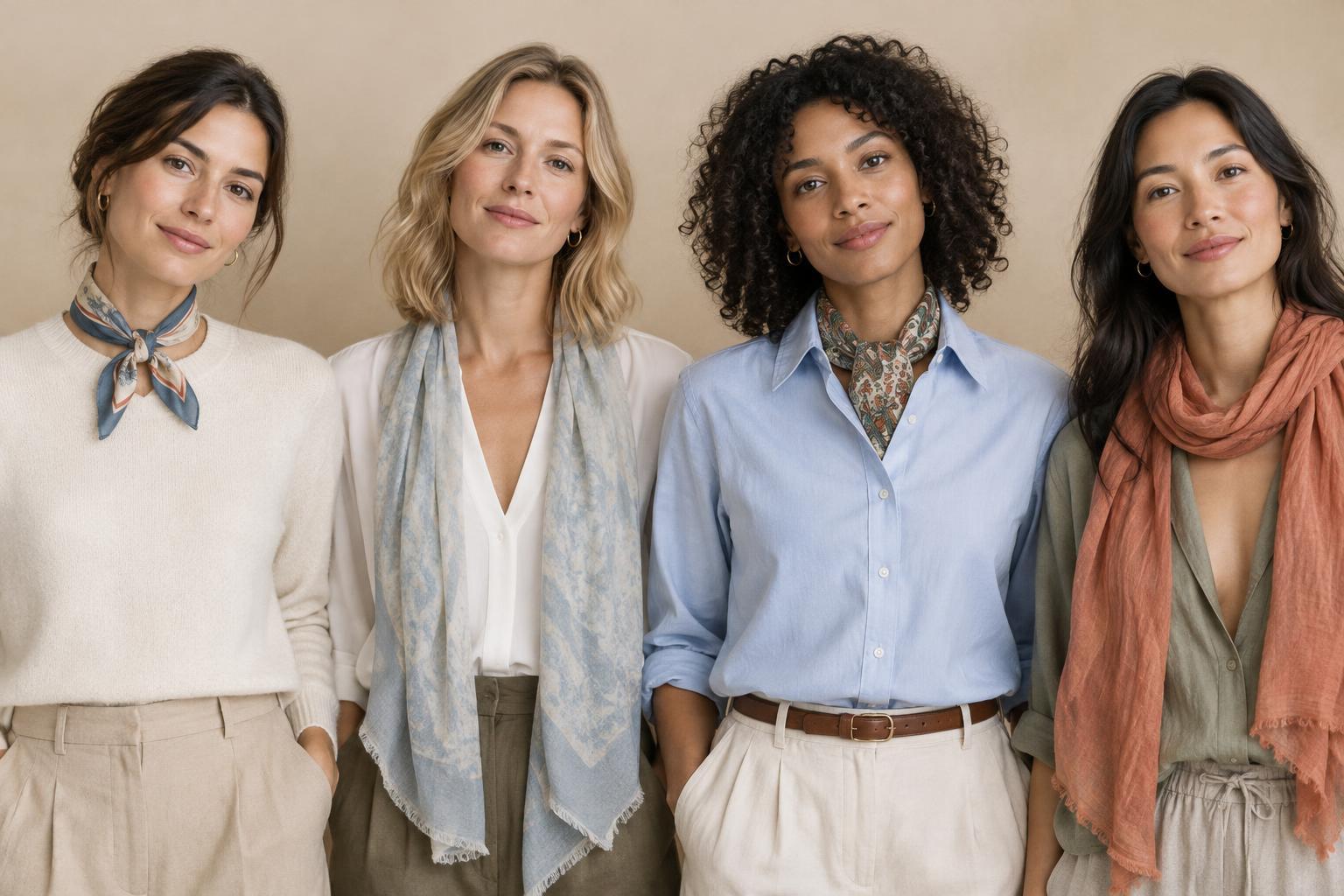
AccessoriesA scarf can add color, texture or warmth without changing the rest of an outfit. Learn a few simple ties for crew necks, V-necks, collars and open necklines, plus how to adjust the fabric so it sits comfortably.
Read article · 4 min↗
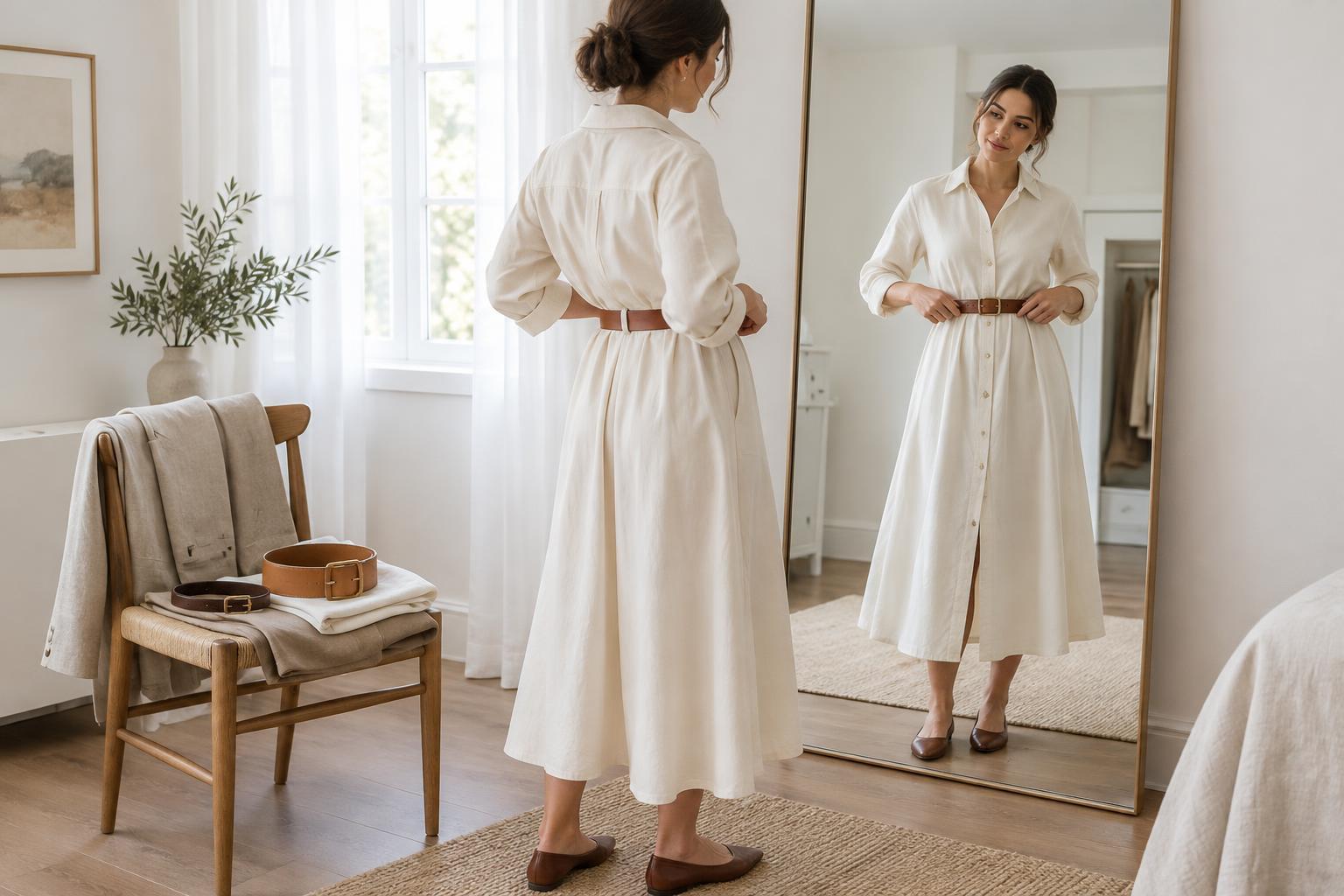
AccessoriesA belt does more than hold clothing in place. Its width, color and position can change where the eye lands and how an outfit feels. Learn how to choose a belt for trousers, dresses and layers using simple mirror checks.
Read article · 4 min↗
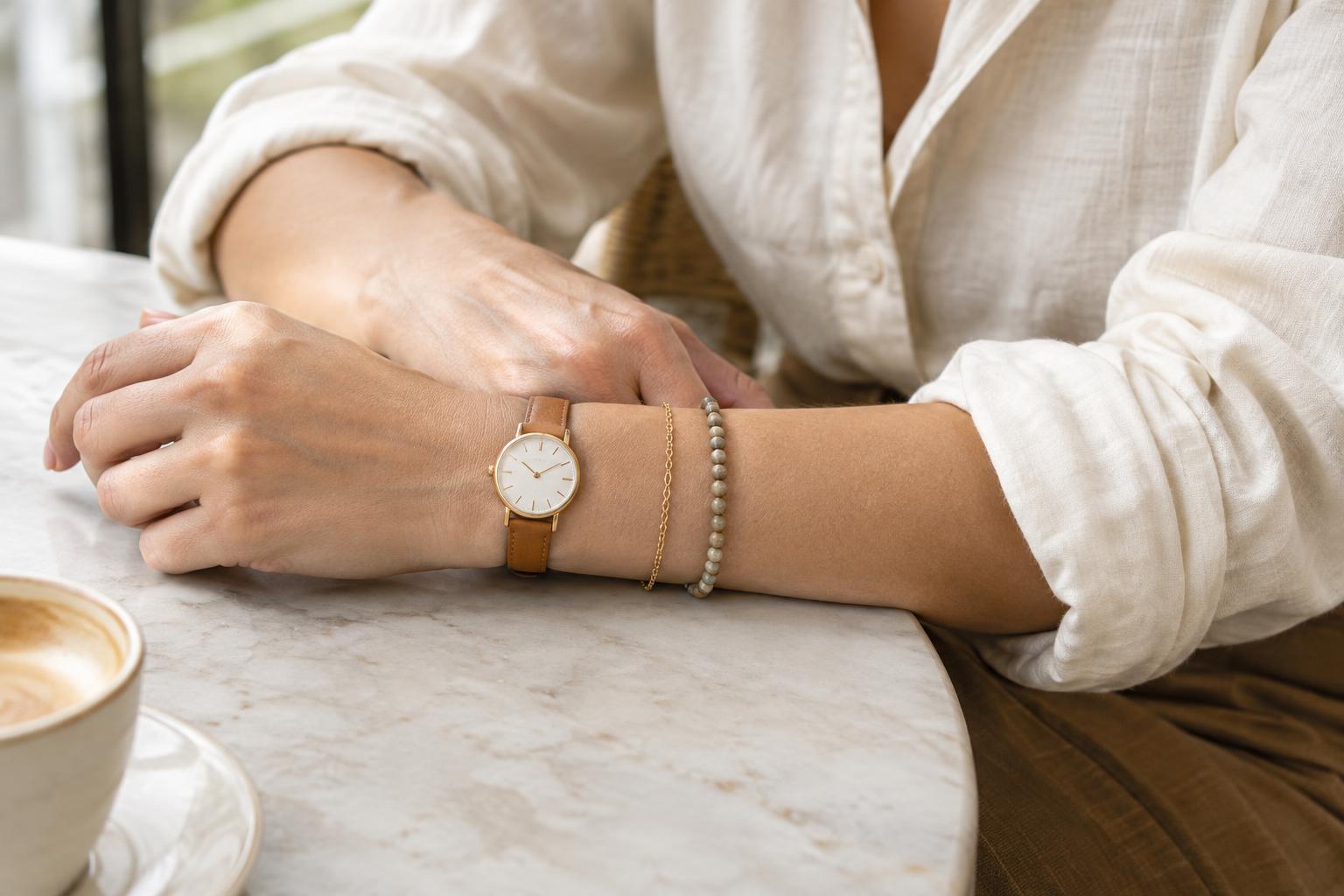
AccessoriesA watch, a bracelet and a sleeve all compete for the same small space. Learn how to arrange them comfortably, balance their colors and textures, and keep the details visible without making an everyday outfit feel crowded.
Read article · 4 min↗
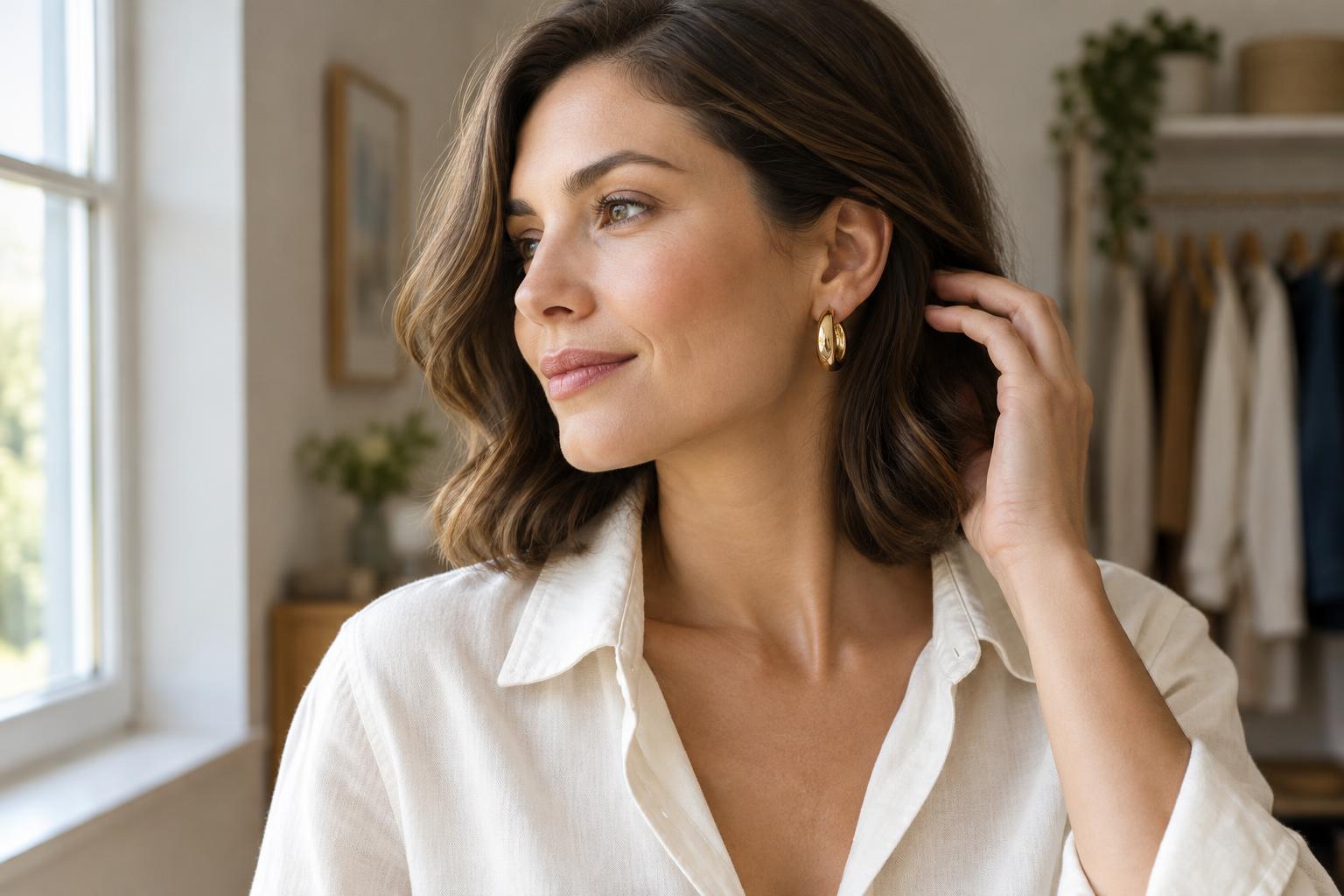
AccessoriesEarrings sit between your hair and neckline, so their shape can change how an outfit feels. Use a few simple checks to find pairs that show up, feel comfortable, and work with the clothes you already wear.
Read article · 4 min↗
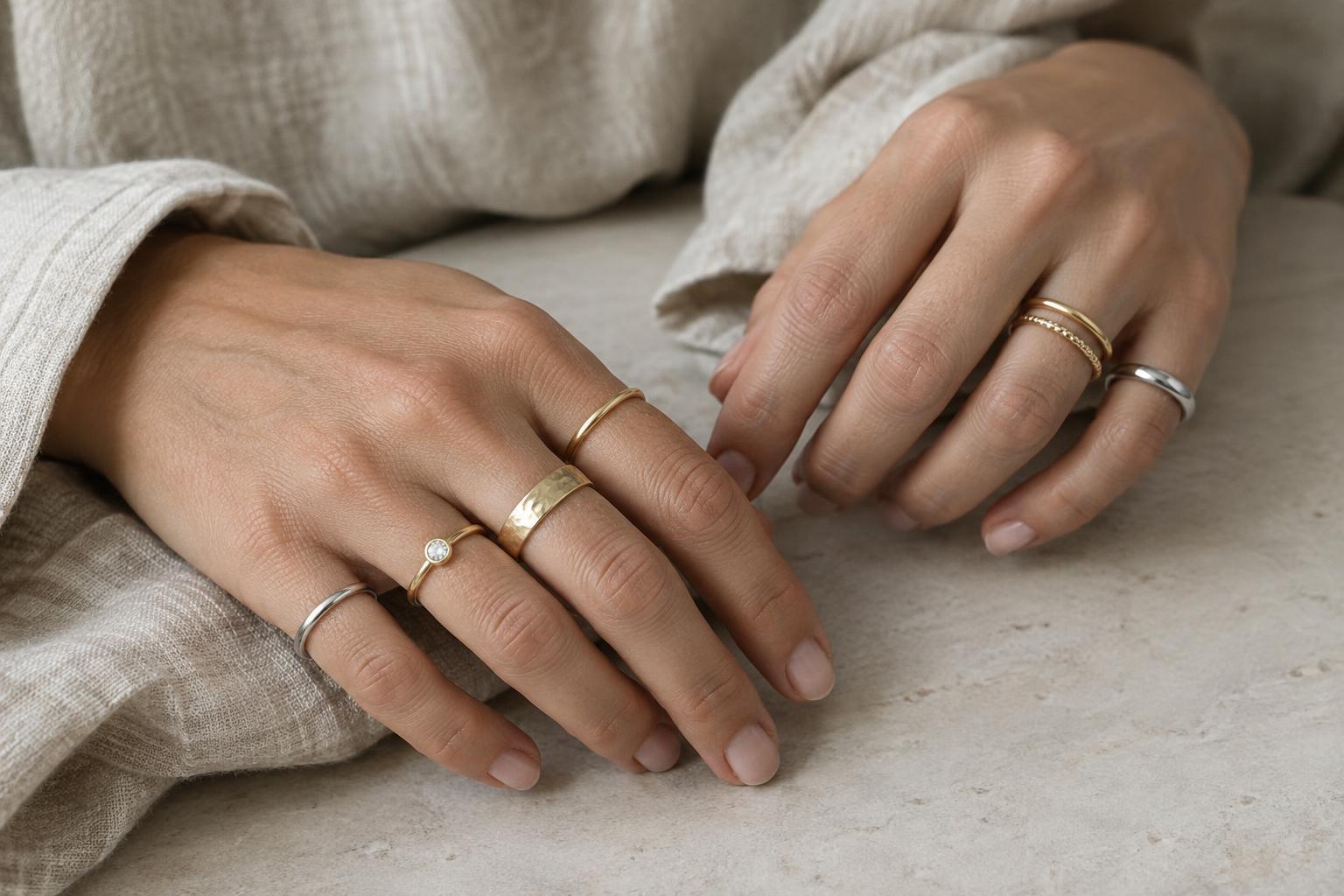
AccessoriesA ring stack should feel as good as it looks. Learn how to combine shapes, widths and finishes while leaving your fingers room to move.
Read article · 4 min↗
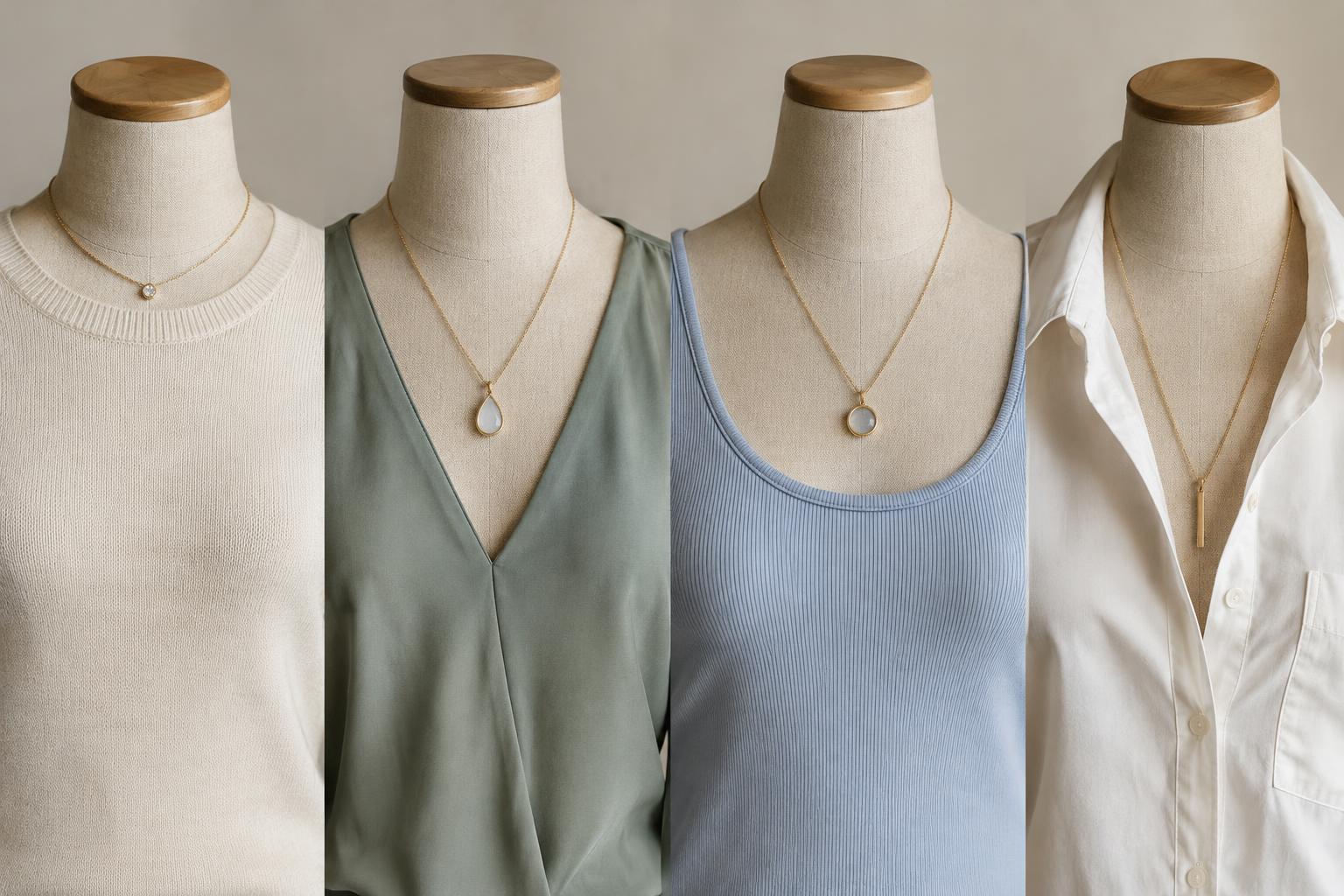
AccessoriesA necklace can change how a neckline feels, but there is no single length that works for everyone. Learn where common necklace lengths tend to sit, how to pair them with crew, V, scoop and collared necklines, and how to check the fit before you buy.
Read article · 4 min↗
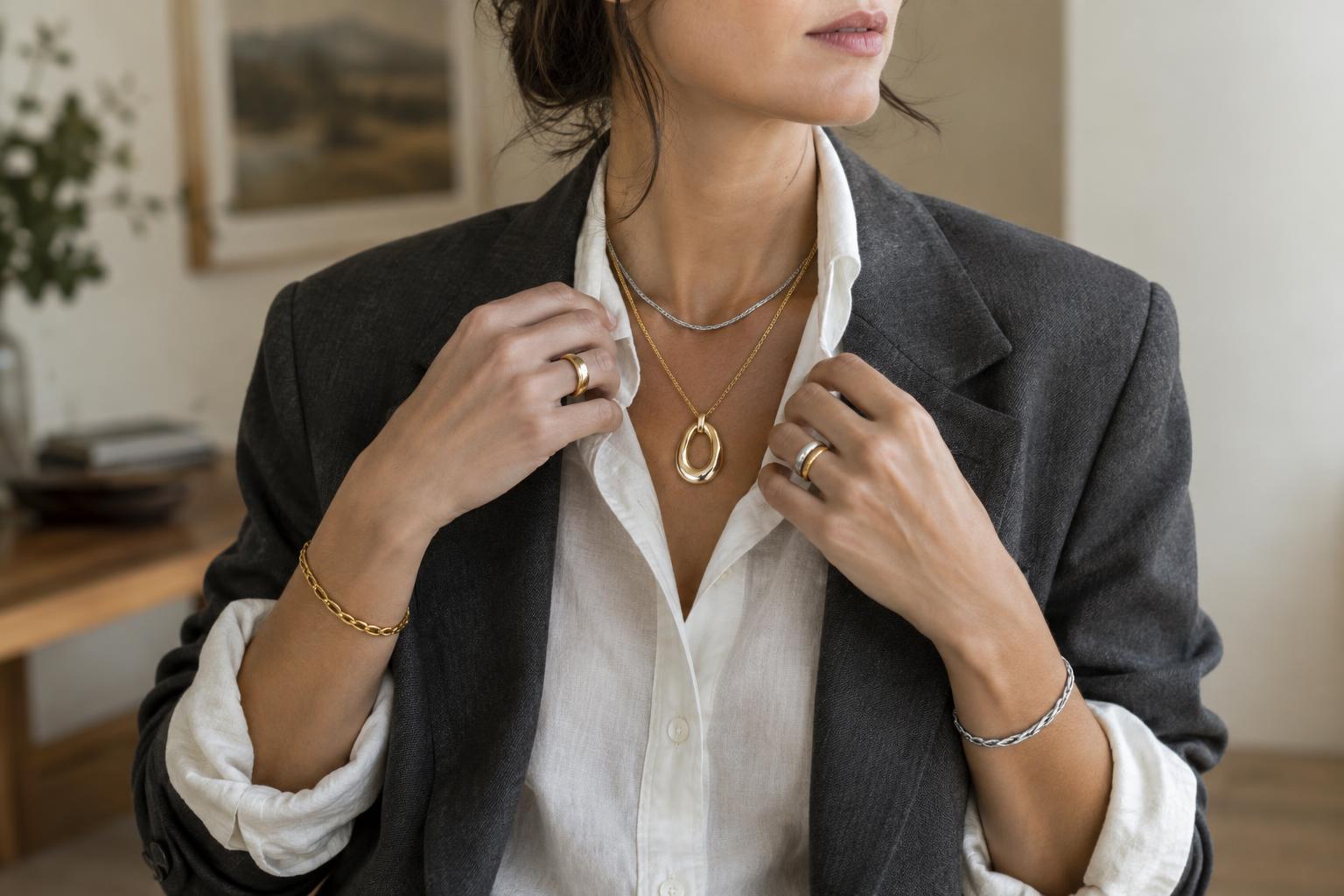
AccessoriesGold- and silver-tone jewelry can work together when the mix has a clear point of view. Learn how to choose a focal piece, repeat each tone, balance scale and finish, and use your outfit to tie everything together.
Read article · 4 min↗
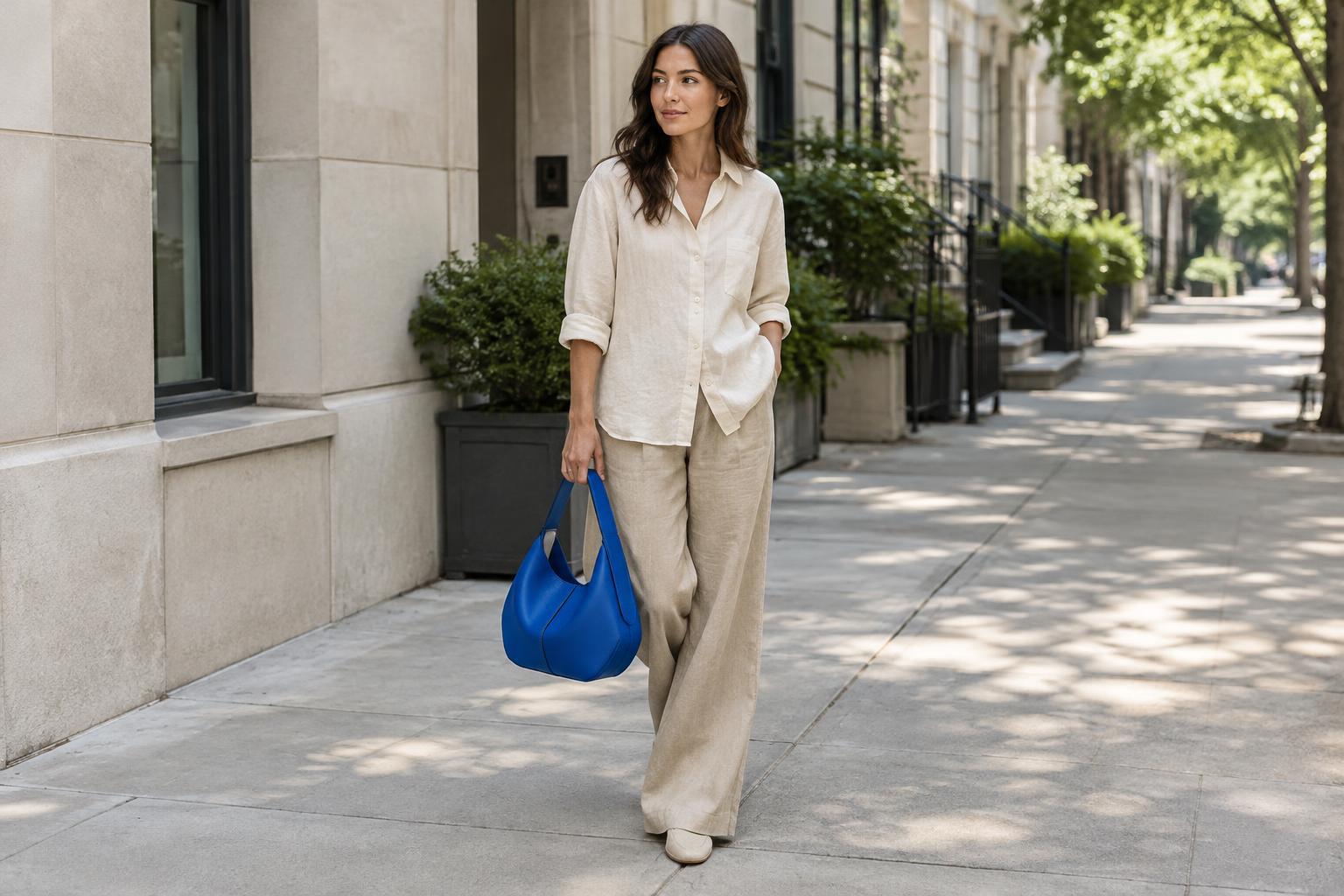
AccessoriesA bold bag, scarf, necklace or pair of earrings can give a simple outfit personality. The key is to choose one focal point, leave it some visual space and let the rest of your outfit support it.
Read article · 4 min↗
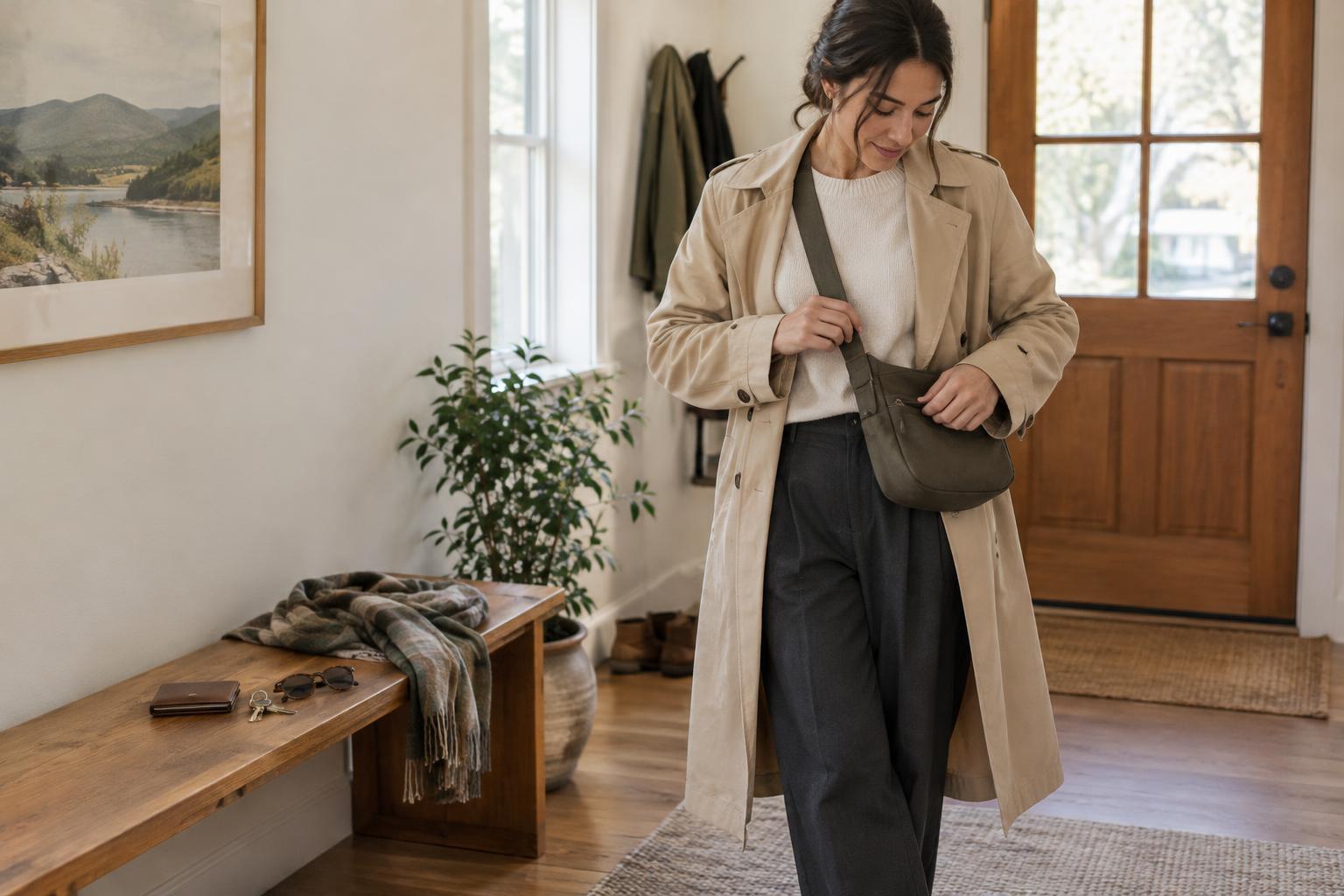
AccessoriesThe most useful accessories do more than finish an outfit. They carry what you need, make getting dressed easier and feel comfortable throughout your day. Start with your routine, then choose a few versatile pieces you will actually use.
Read article · 4 min↗
 Garment Care