Start with the outfits you actually wear
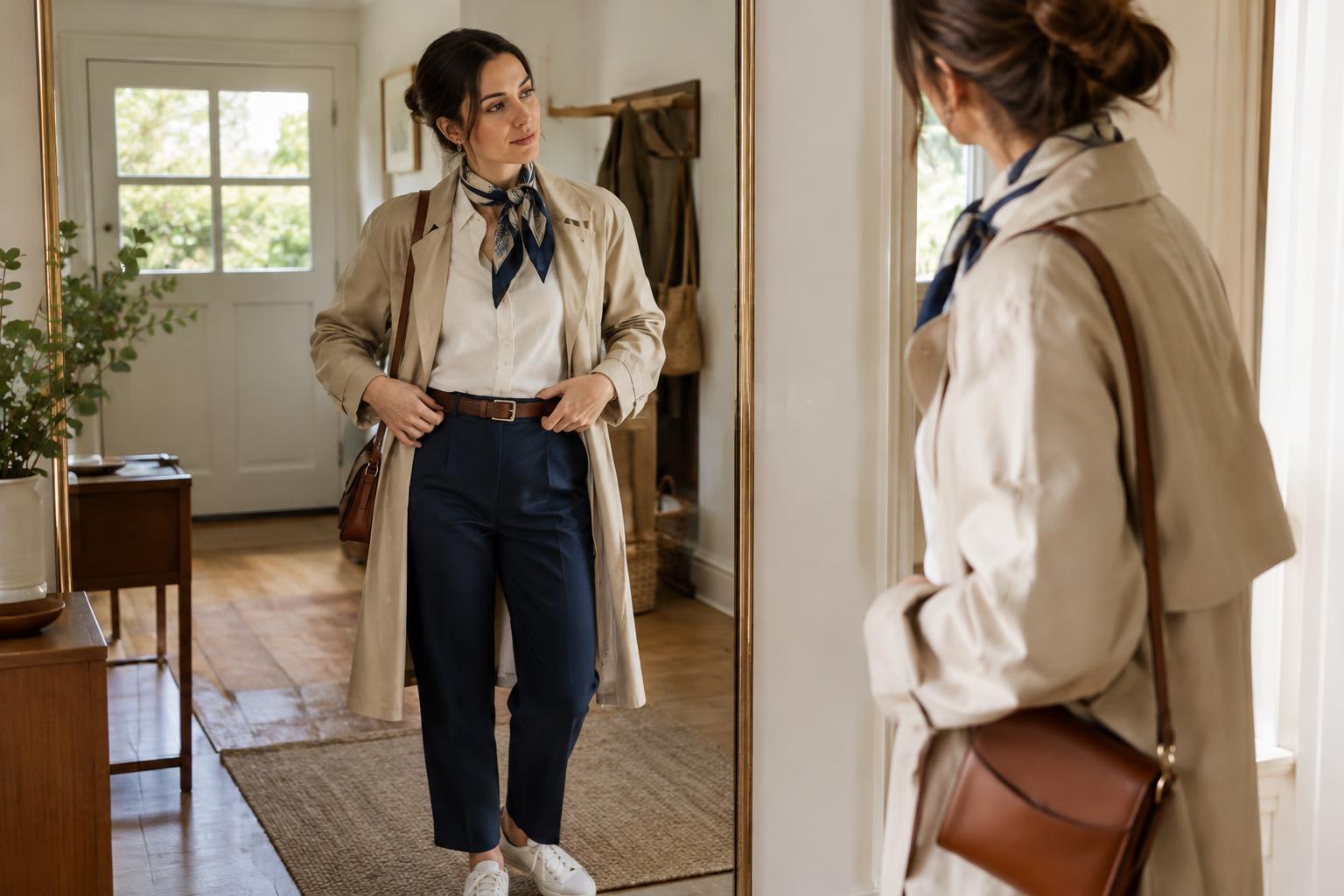
Before putting away one season’s accessories and bringing out another’s, look at a few outfits you wear repeatedly. A work outfit, a casual weekend outfit and an errand-running outfit are enough to reveal what needs to change. If the clothes still feel right but you reach for a warmer layer in the morning, a scarf may be more useful than a new top. If you are changing shoes every time it rains, footwear deserves attention first.
Make a short checklist for each outfit: shoes, bag, weather protection, temperature adjustment and finishing detail. You do not need a different accessory in every category for every outfit. The point is to notice gaps before buying anything. Keep the pieces that serve several outfits close at hand, and move rarely used items out of the way so the useful choices are easy to see.
Check what goes on your feet and carries your essentials
Shoes have the biggest effect on how an outfit handles a seasonal change. Check that your everyday pair suits the conditions you expect to walk through and that it remains comfortable with the socks you plan to wear. Clean off dirt, inspect the soles and make sure laces, fastenings or straps still work. A lighter shoe may suit a dry afternoon but feel impractical on a wet commute; a sturdier pair can stay ready without becoming your only option.
Next, empty your everyday bag. Remove receipts and items you no longer need, then check its closure, lining and straps. Ask whether it has room for the layer or small weather accessory you now carry. A bag that works across seasons is often more useful than one chosen solely to match a coat. If you switch bags, transfer essentials deliberately and check the pockets before leaving home.
Prepare small layers for uncertain temperatures
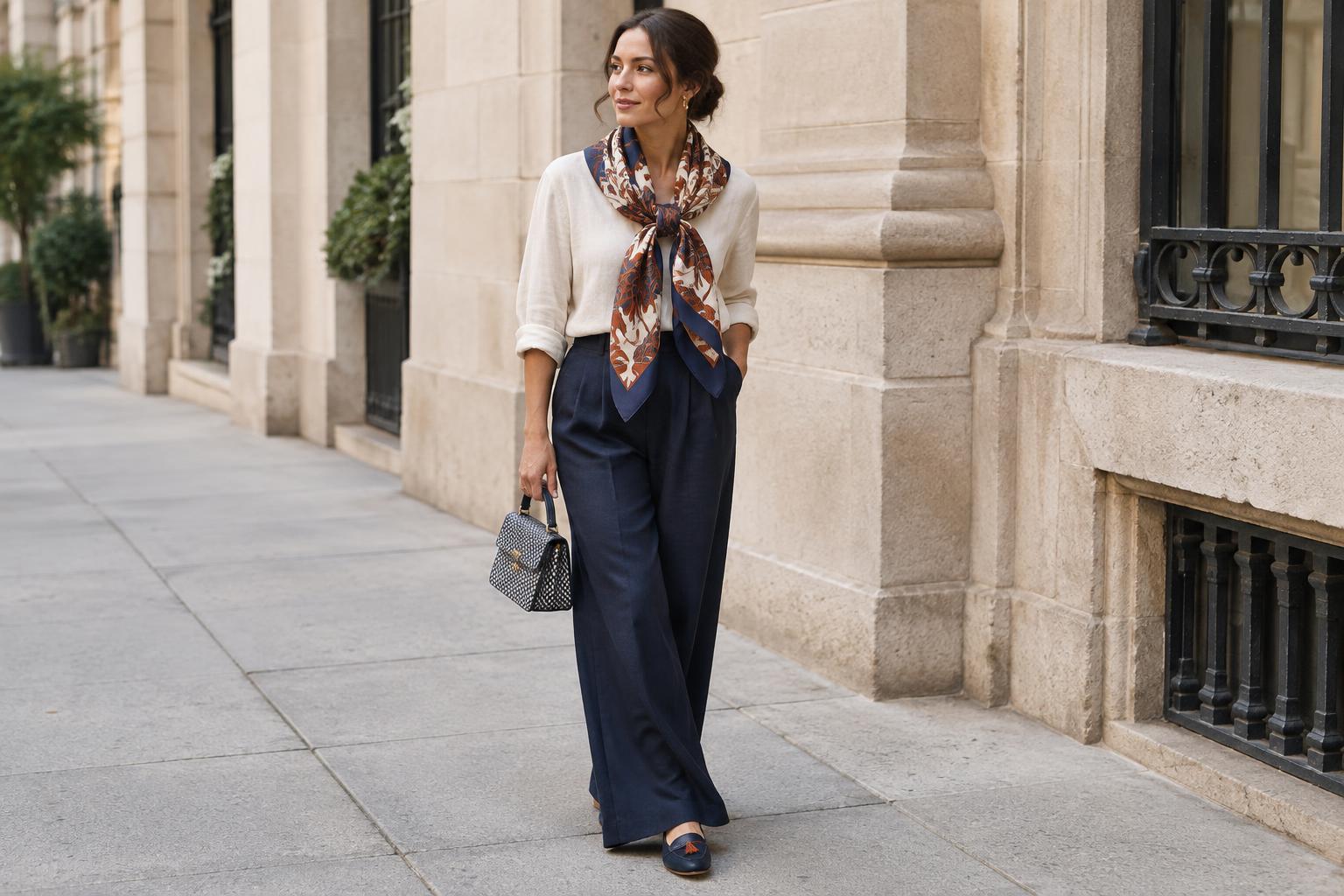
A scarf, wrap, hat or pair of gloves can make a familiar outfit more adaptable when mornings and afternoons feel different. Choose based on how you use it, not just how it looks on a shelf. A scarf that fits comfortably inside your coat collar is easier to wear on a cold walk; a lighter one may be easier to pack and take off indoors. Check that hats and gloves still fit well and can be worn with your usual outerwear.
Keep only the small layers that solve a real problem. If you routinely forget gloves, put them in the pocket of the coat you wear most. If a wrap lives in your bag, check that it folds without taking over the space. During a warmer transition, this check may be as simple as washing and storing winter pieces while keeping one light layer available for cooler evenings.
Match weather protection to your routine
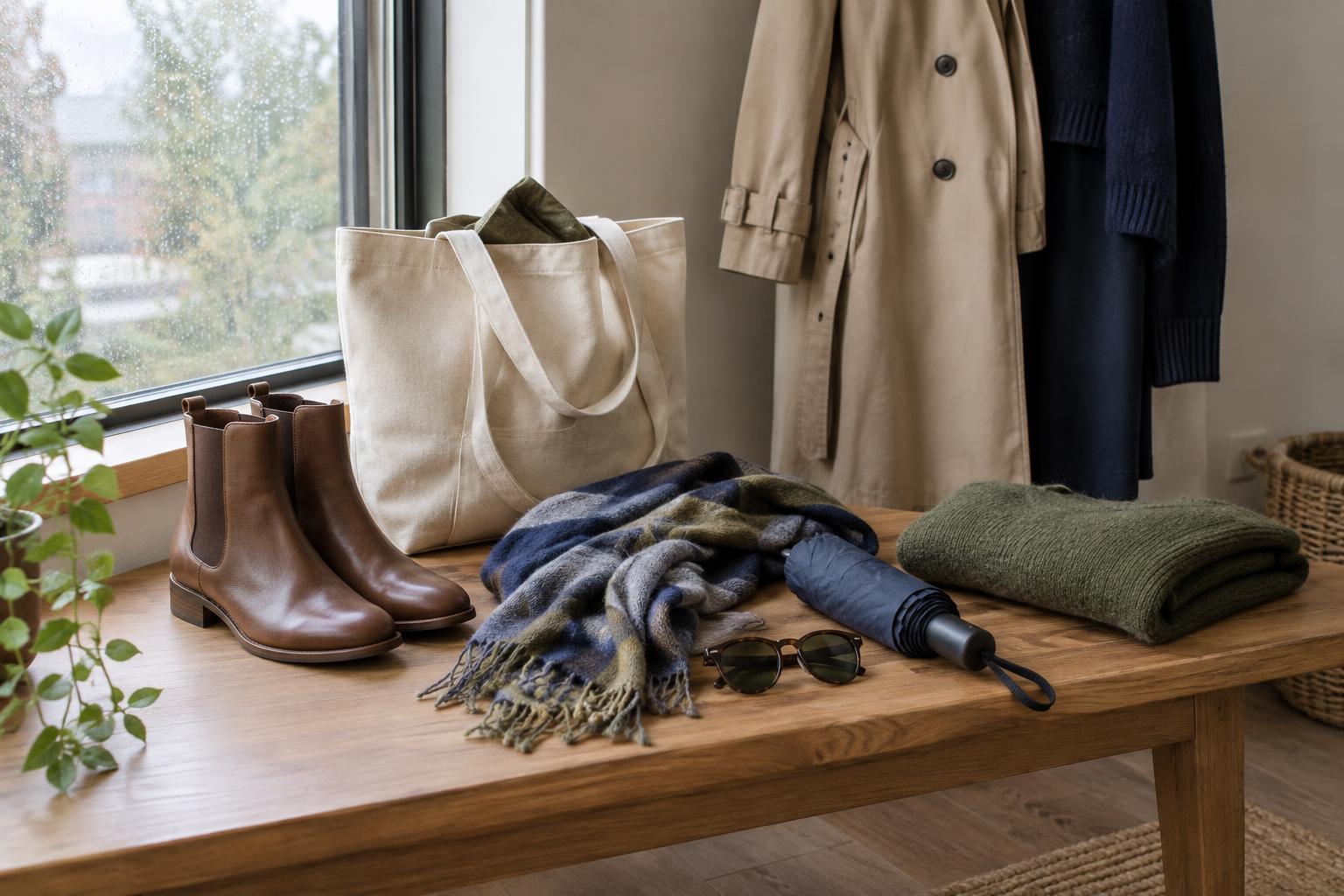
Look at the journey you make most often. Someone walking between stops may find a compact umbrella useful, while someone who needs both hands free may prefer a hood or a suitable hat. Open an umbrella before you need it to check the frame and closure. Make sure a hat stays in place and does not block your view. Store damp accessories where they can dry rather than leaving them shut inside a bag.
Brighter days are another reason to review what you carry. Check that sunglasses are comfortable, clean and kept in a case or safe pocket when not in use. You can also set aside a small pouch for the items you tend to move between coats and bags. Keeping practical accessories together makes a change in weather less likely to trigger a rushed search at the door.
Edit colors and care before adding anything new
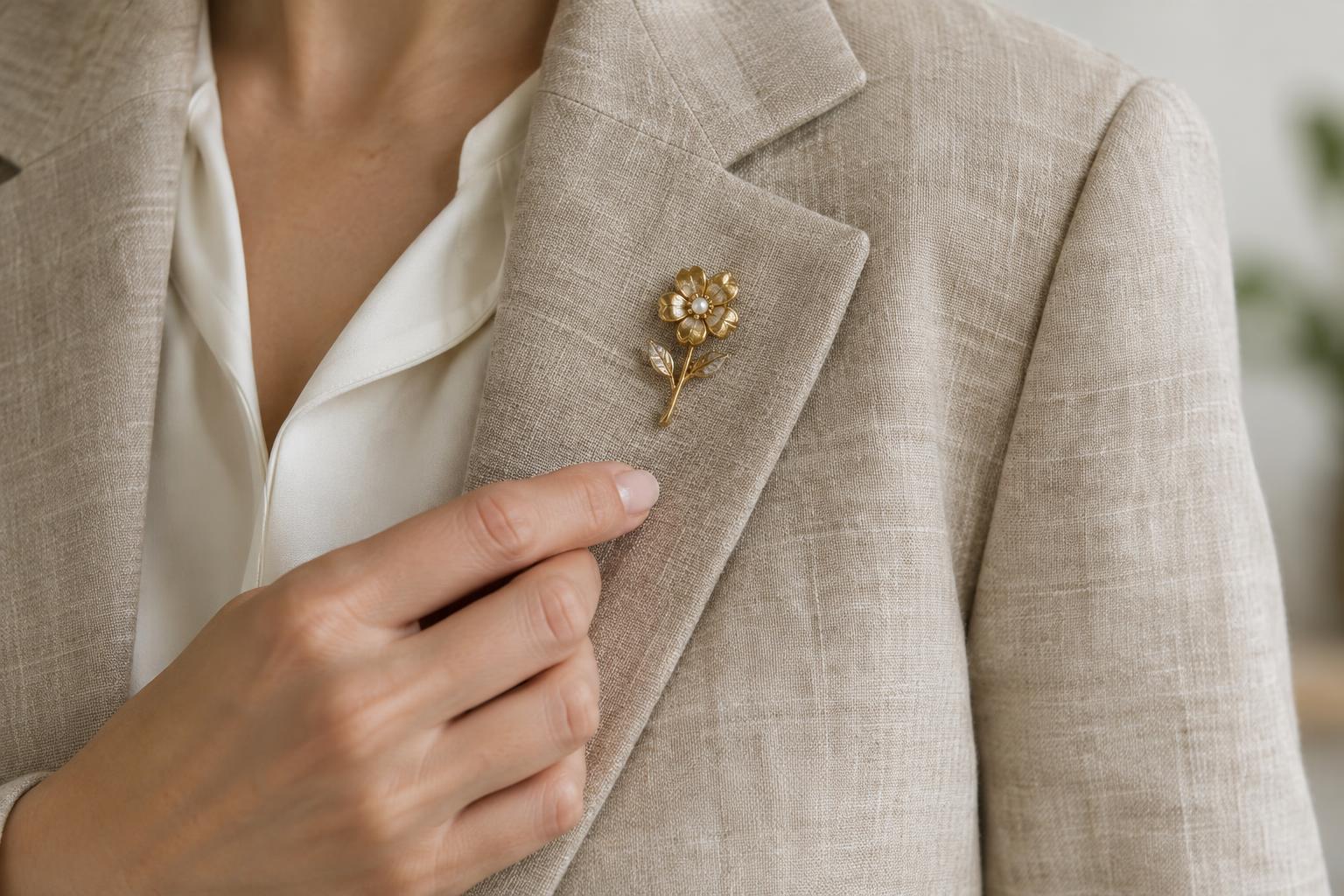
Once the practical pieces are covered, consider how they work together. Lay your most-used shoes, bag, scarf and outer layer beside a few regular outfits. Repeated colors can make a mixed wardrobe feel connected, but everything need not match exactly. A scarf can introduce a color you enjoy, while shoes and a bag in versatile shades can support several combinations. Texture helps too: a woven scarf or smooth belt can change the feel of an outfit without requiring a different set of clothes.
Finish the checklist with care. Brush or wipe accessories as appropriate for their materials, follow any care labels, and let items dry fully before storing them. Set aside anything that needs a repair, such as a loose buckle or damaged strap. Then write down only the gaps you could not fill from what you own. A seasonal accessory refresh works best when it leaves you with a small, dependable selection you can reach for without rethinking your whole outfit.