Two kinds of comfort
A shirt can feel cool while you stand still and clammy after a brisk walk. That is because breathability and moisture-wicking solve related but different problems. Breathability describes how readily air and water vapor move through a fabric. A breathable garment can help heat and perspiration vapor escape, especially when its fit allows some air to circulate.
Moisture-wicking describes how a fabric moves liquid sweat away from your skin and spreads it across a larger area. That can help the moisture evaporate, but it does not guarantee that the garment will dry quickly in every setting. In humid air or beneath a dense jacket, evaporation may be slow. For comfort, think about both the fabric and the conditions around it.
Look beyond the fiber name
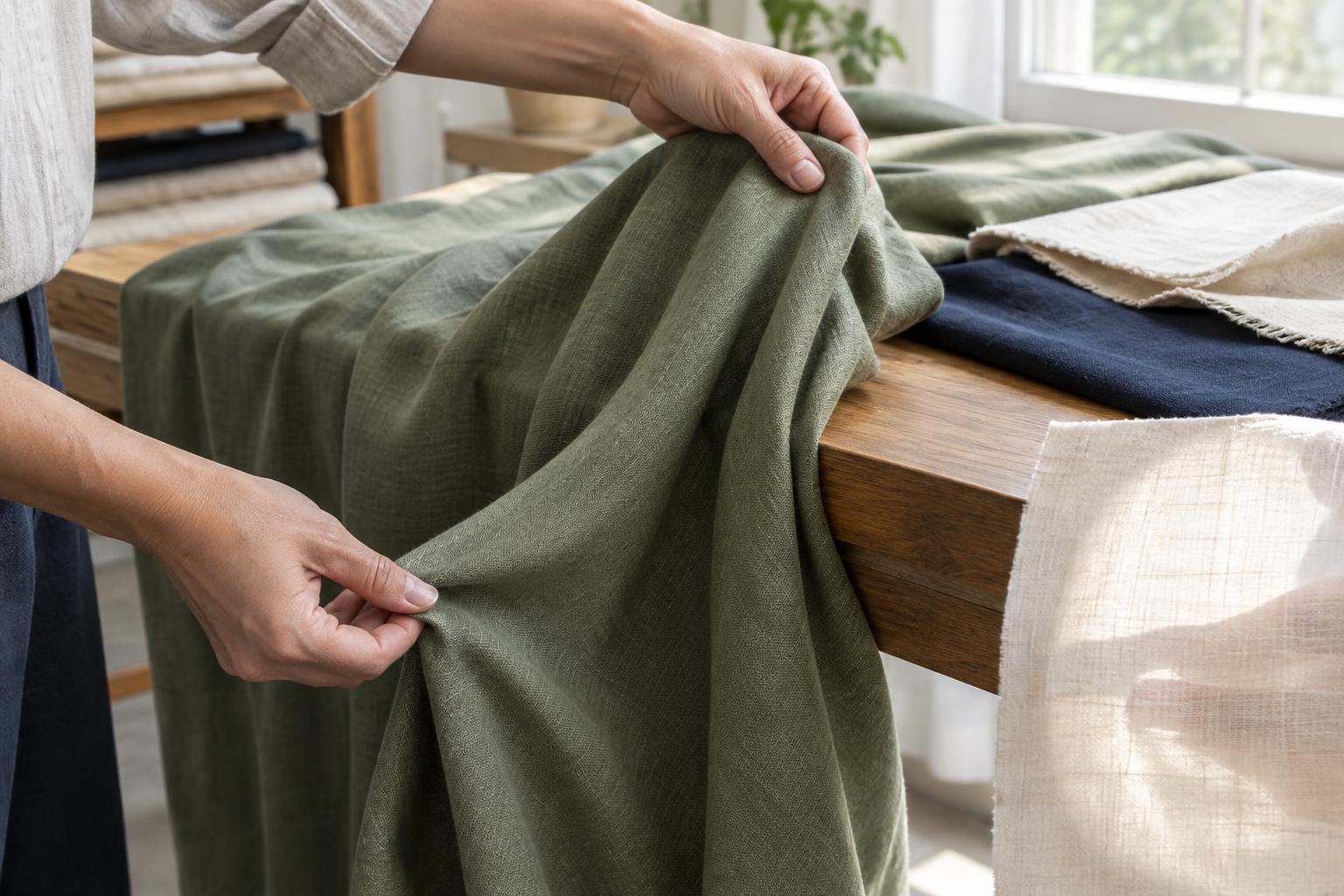
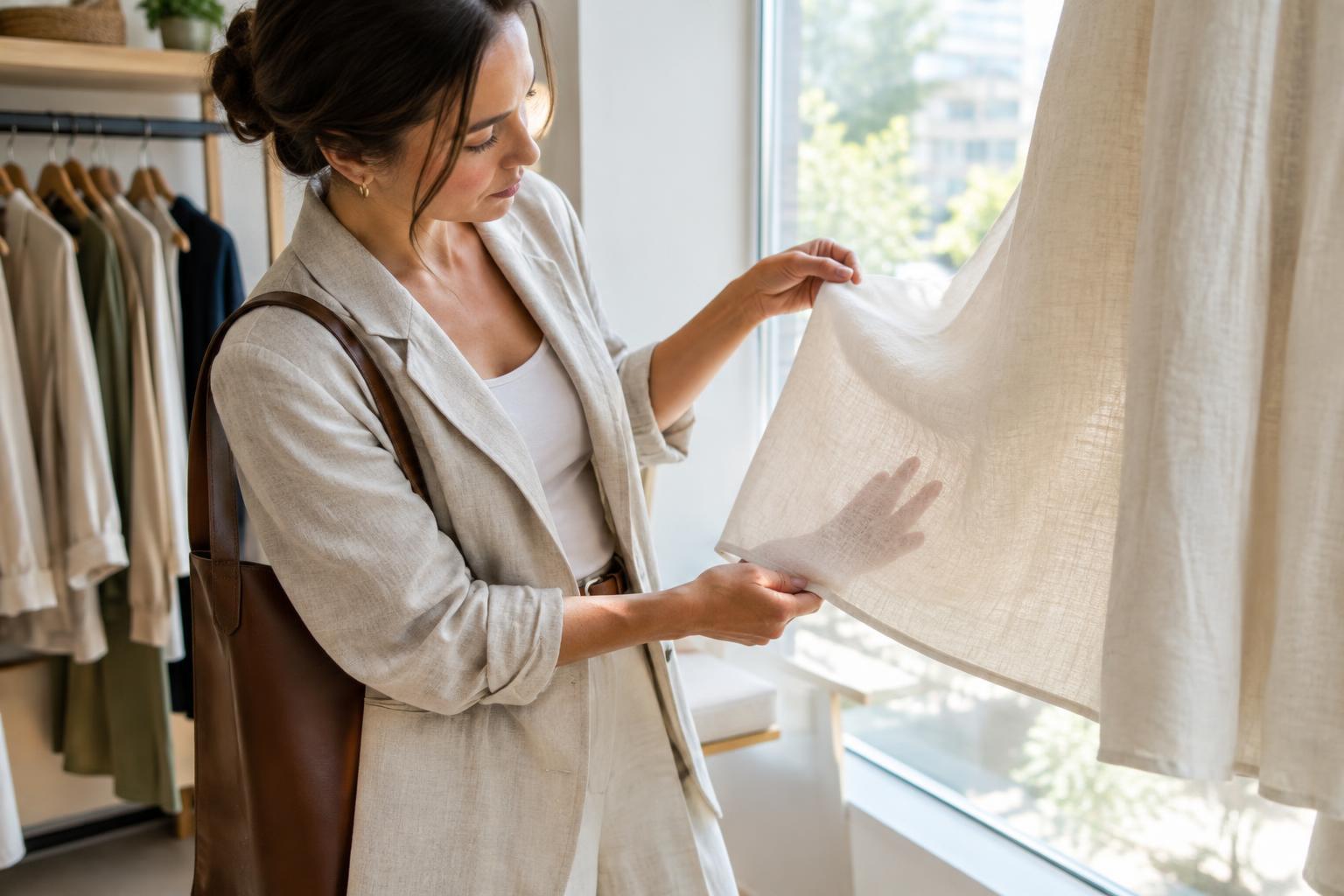
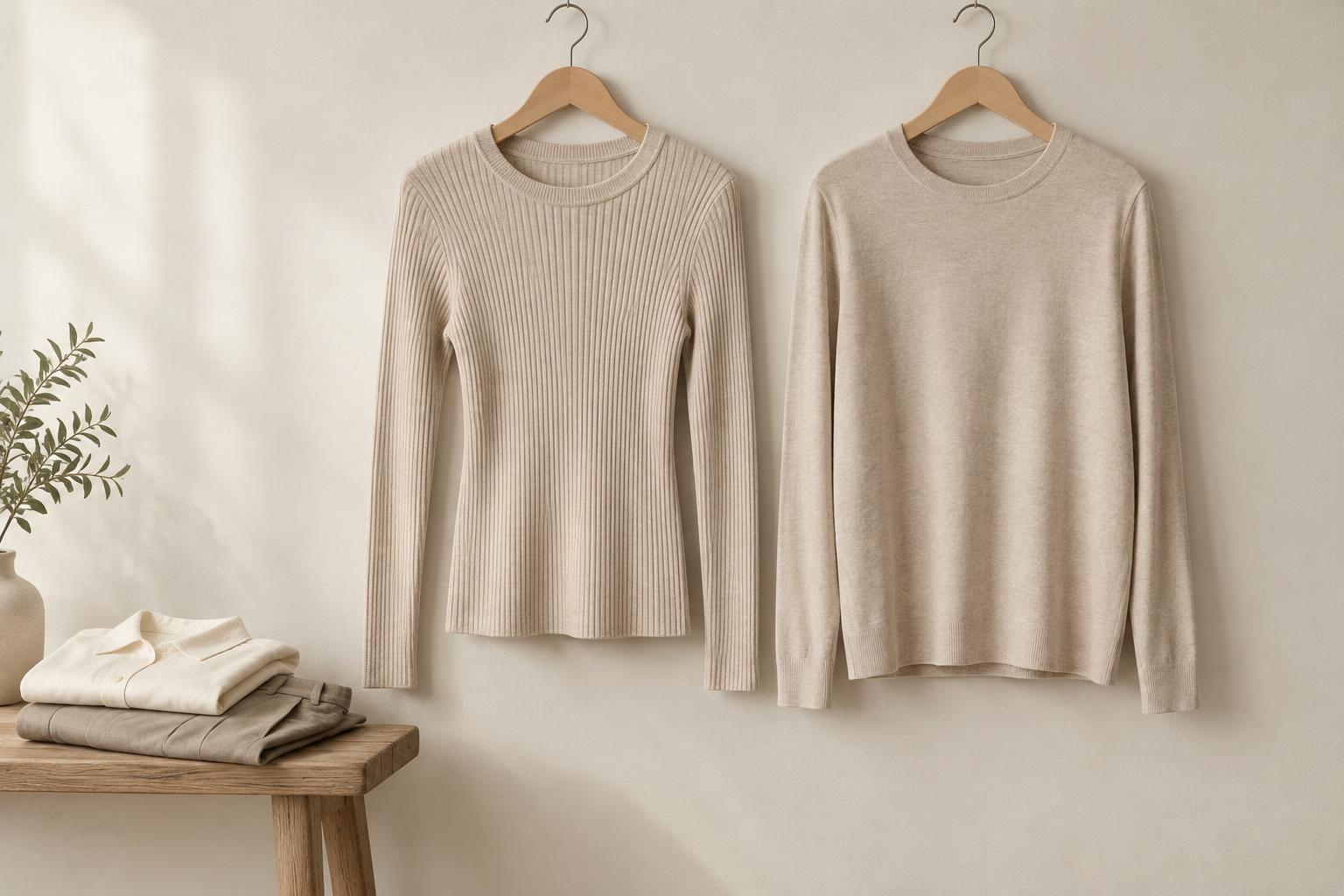
Fiber is a useful starting point, not a complete verdict. Lightweight linen often feels airy because linen garments are frequently made with relatively open weaves and relaxed cuts. Cotton can feel soft and comfortable in the heat, but it tends to absorb moisture and may stay damp after heavy sweating. Wool, including lightweight merino, can handle some moisture without immediately feeling wet; a thick wool knit, however, will feel very different from a fine one.
Many synthetic activewear fabrics are designed to move sweat and dry relatively quickly. Yet a tightly knitted polyester top may feel less airy than a loose cotton shirt, and not every synthetic garment wicks equally well. Fabric weight, weave or knit, finishes, lining and fit all matter. Hold a garment up to the light, feel its thickness and check whether its cut leaves room for movement. Those simple observations can be more useful than a single claim on the label.
Match the fabric to your plans
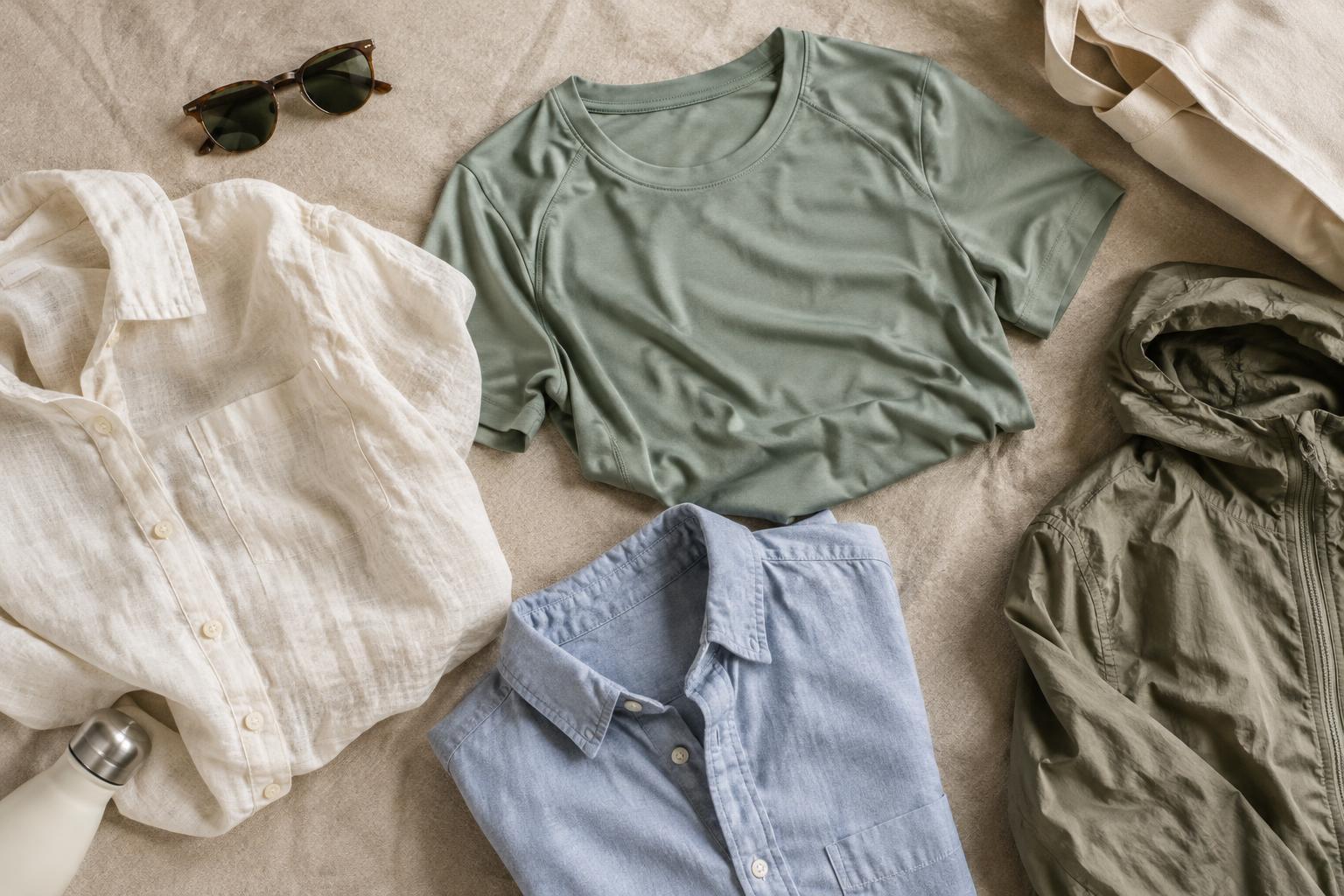
For a mostly seated day in warm weather, prioritize airflow and a comfortable fit. A loose linen shirt, a light cotton top or a thin woven blend can work well if you are unlikely to sweat heavily. A breathable garment may also feel more comfortable than a close-fitting one in direct sun, provided you choose a coverage level that suits the conditions.
For a fast commute, long walk or active errand, consider a wicking layer next to your skin. A lightweight performance tee or suitable wool blend may feel less clingy once you start sweating. If your day includes both a walk and an office, you could wear that layer beneath an overshirt, then remove or open the outer layer when needed. For travel, ask how easily the garment can be washed, how long it takes to dry in your usual conditions and whether you will be comfortable wearing it for several hours.
Remember what layers can change
The best base layer cannot release much moisture if the layers above it trap heat and vapor. A lined blazer, dense overshirt or rain shell changes how the whole outfit feels. When you expect changing temperatures, choose layers you can open or remove. A lightweight shirt beneath an unlined jacket, for example, gives you more ways to adjust than one heavy top.
Fit matters for the same reason. A little space around the body encourages airflow, while fabric pressed closely against the skin may feel warmer even if the material itself is light. Close-fitting garments can still be useful when you want sweat moved away from your skin during activity. The goal is not to make every piece as loose or as technical as possible, but to give each layer a job.
Use a simple decision test
Before getting dressed, ask three questions: How much will I move? How warm or humid might I feel? Can I adjust my layers? If you expect little exertion, start with a light, airy garment you enjoy wearing. If you expect to sweat, put more weight on moisture management and drying comfort. If your day could include both, combine a comfortable base with an easy-to-remove layer.
Finally, notice how your clothes perform on an ordinary day. Does a shirt cling after the commute? Does a favorite fabric feel comfortable outdoors but stuffy under a jacket? Those observations will help you choose more reliably than treating “breathable” or “wicking” as a promise. The most useful fabric is the one that suits your activity, your outfit and the way you actually wear it.