Start with what the accessory needs to do
An accessory can add color, texture or personality to an outfit, but it also has a job to do. A bag carries your essentials. A belt holds or shapes clothing. Shoes support the plans you have made. When an accessory looks good in isolation but gets in the way of your day, the outfit can feel harder to wear than it needs to.
Before adding a finishing touch, ask two questions: Does it work with these clothes, and will I be comfortable using it today? A bold necklace might be ideal with a simple top for dinner but distracting when it catches on a high collar at work. The goal is not to follow a rigid rule. It is to notice what makes an outfit look and feel intentional.
Mistake one: ignoring fit and placement
Poor fit is easy to overlook because accessories often come in fewer sizes than clothes. Yet a slipping belt, a bracelet that bumps against your desk or a bag strap that keeps falling off your shoulder can change how you move. If you spend the day adjusting an accessory, its appearance is unlikely to make up for the inconvenience.
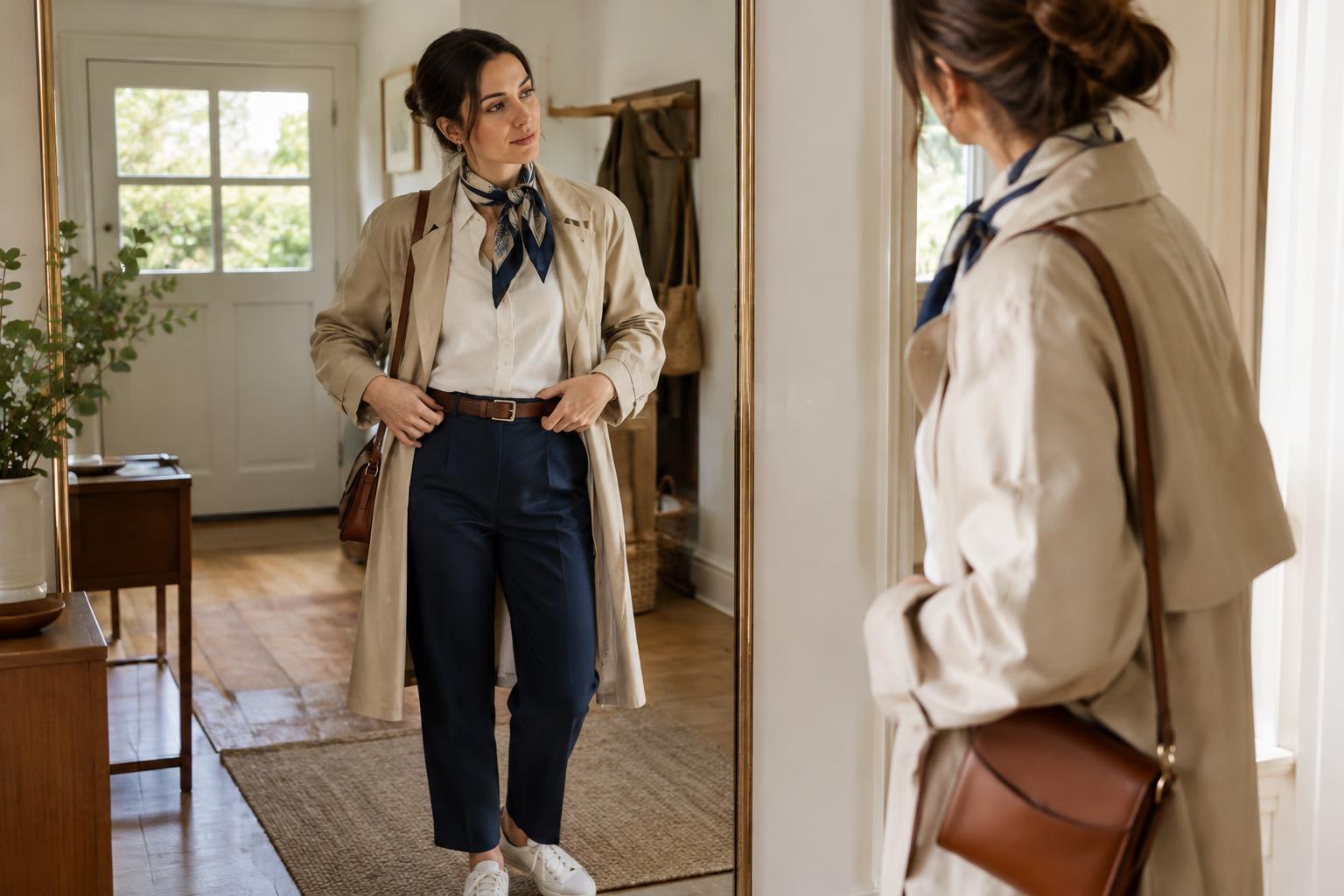
Check fit while moving, not just while standing in front of a mirror. Sit down with a belted outfit to see whether the belt presses uncomfortably. Walk with a full bag to test the strap length and where the bag rests. Try sunglasses while looking down as well as straight ahead. For shoes, consider whether your feet have enough room throughout the day, especially if you expect to walk.
Placement matters visually, too. A crossbody bag that lands at the widest part of a jacket may make the jacket bunch; shortening or lengthening the strap can let the fabric hang more smoothly. A long necklace can disappear beneath a neckline, while a shorter one may sit clearly against the top. Small adjustments often help more than buying another piece.
Mistake two: making every piece the focal point
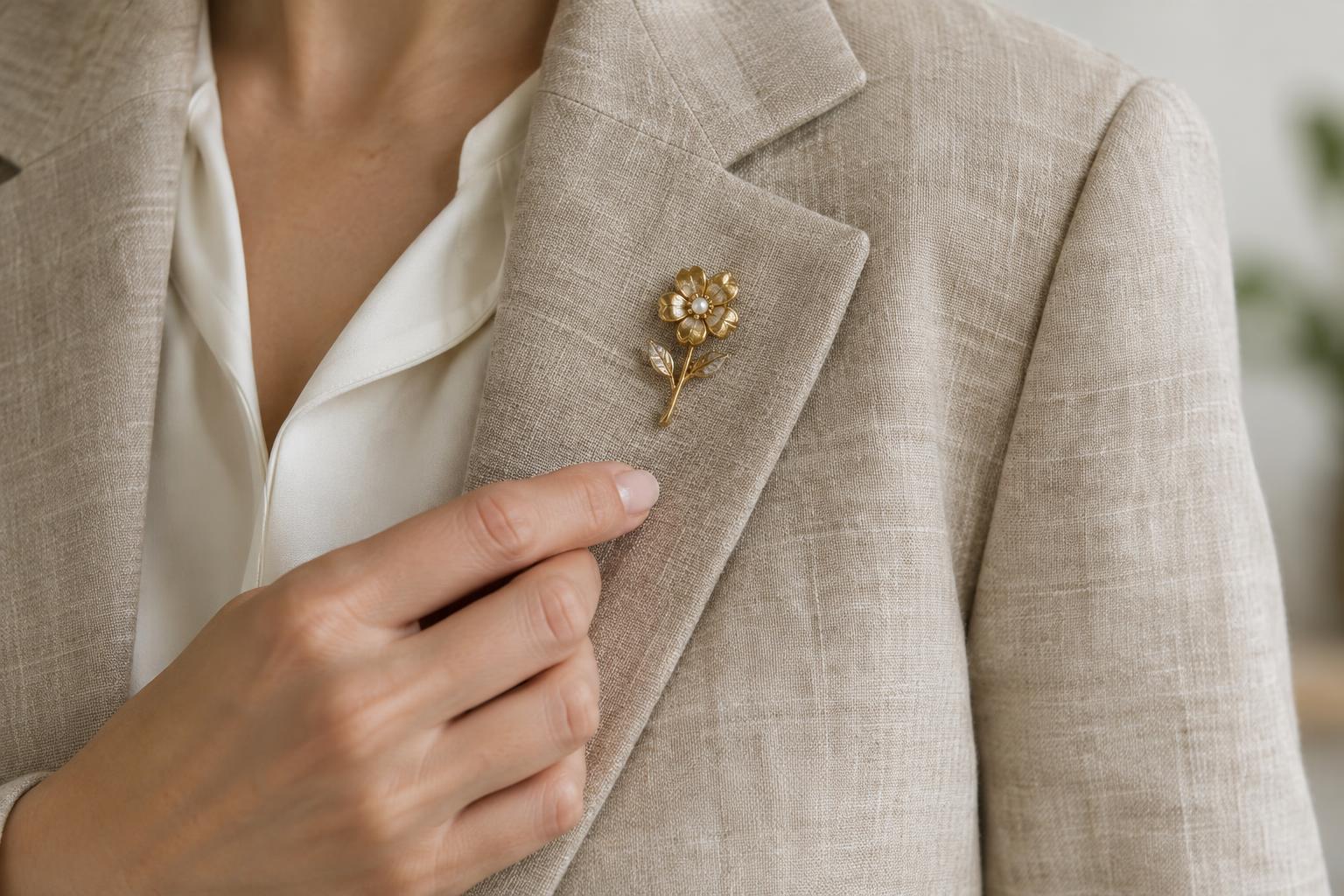
A colorful scarf, sculptural earrings and a patterned bag can each be appealing. Worn together, they may compete for attention, particularly if they all sit near the face or upper body. This does not mean you must wear only one interesting accessory. It means giving the eye somewhere to settle.
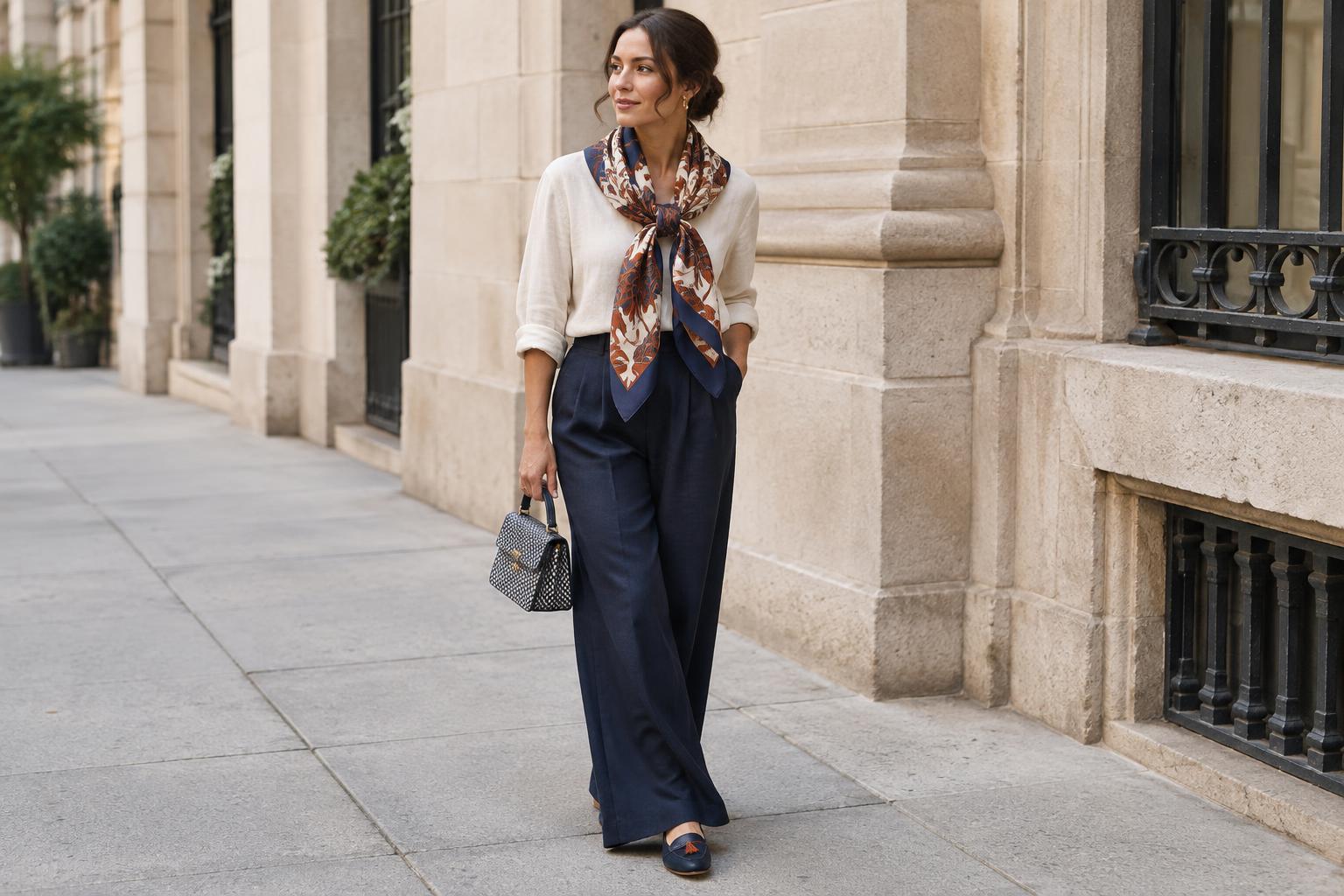
Choose a lead piece, then let the others play a quieter role. With a printed scarf, for example, you might wear small earrings that pick up one color in the print and carry a plain bag. If oversized earrings are the focus, a bag with a simple shape can add texture without introducing another strong pattern. Repeating one color or material creates a connection without requiring a perfectly matched set.
Distance can help balance bolder choices. Statement earrings and distinctive shoes have space between them, so they may feel less crowded than statement earrings paired with an equally striking necklace. Look at the whole outfit from a few steps away. If your eye jumps rapidly between several details, remove one piece or swap it for a quieter version. If you enjoy a more expressive look, keep the contrast deliberately; the test is whether it feels like your choice.
Mistake three: choosing for the mirror, not the day
An accessory can suit an outfit and still be wrong for the occasion. A tiny bag may leave you carrying your keys and phone in your hands. A delicate scarf may need constant retucking on a windy commute. Shoes that work for a short outing may be a frustrating choice for a day with long walks.
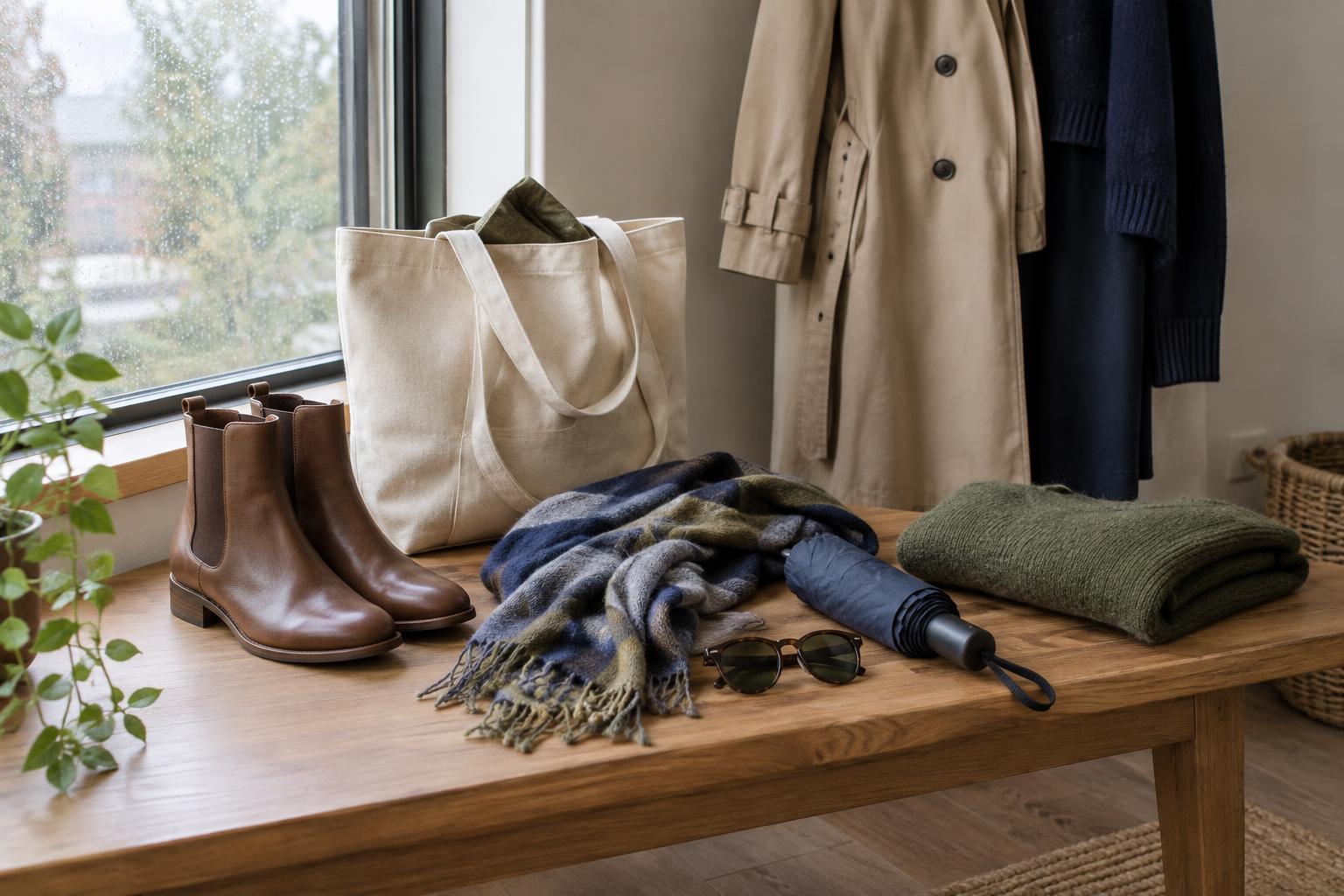
Think through your route and tasks before deciding. If you need both hands free, a secure crossbody bag may serve you better than a clutch. If you will move between warm and cool spaces, a scarf you can easily fold into a bag is more useful than one that needs careful arranging. For travel, consider whether each accessory earns its space by working with several outfits, rather than with just one.
Practical does not have to mean plain. A comfortable shoe can add color; a roomy bag can have a distinctive shape. The useful question is whether you can wear or carry the piece without repeatedly thinking about it. When the answer is no, try changing its size, closure, material or placement before abandoning the idea altogether.
A quick edit before you leave
Once dressed, give your accessories a brief trial run. Put everything you need in your bag. Walk a few steps, sit down and check whether anything slips, pulls or catches. Then look at the outfit as a whole: which detail do you notice first, and do the other pieces support it?
If something feels off, make one change at a time. Adjust a strap, move a necklace over a top instead of under it, or replace a patterned item with a solid one. This simple edit helps you learn what works with your clothes and routines. Over time, the accessories you reach for most will reveal a personal style that is not only appealing, but easy to live in.