Start with structure, not just the fiber label
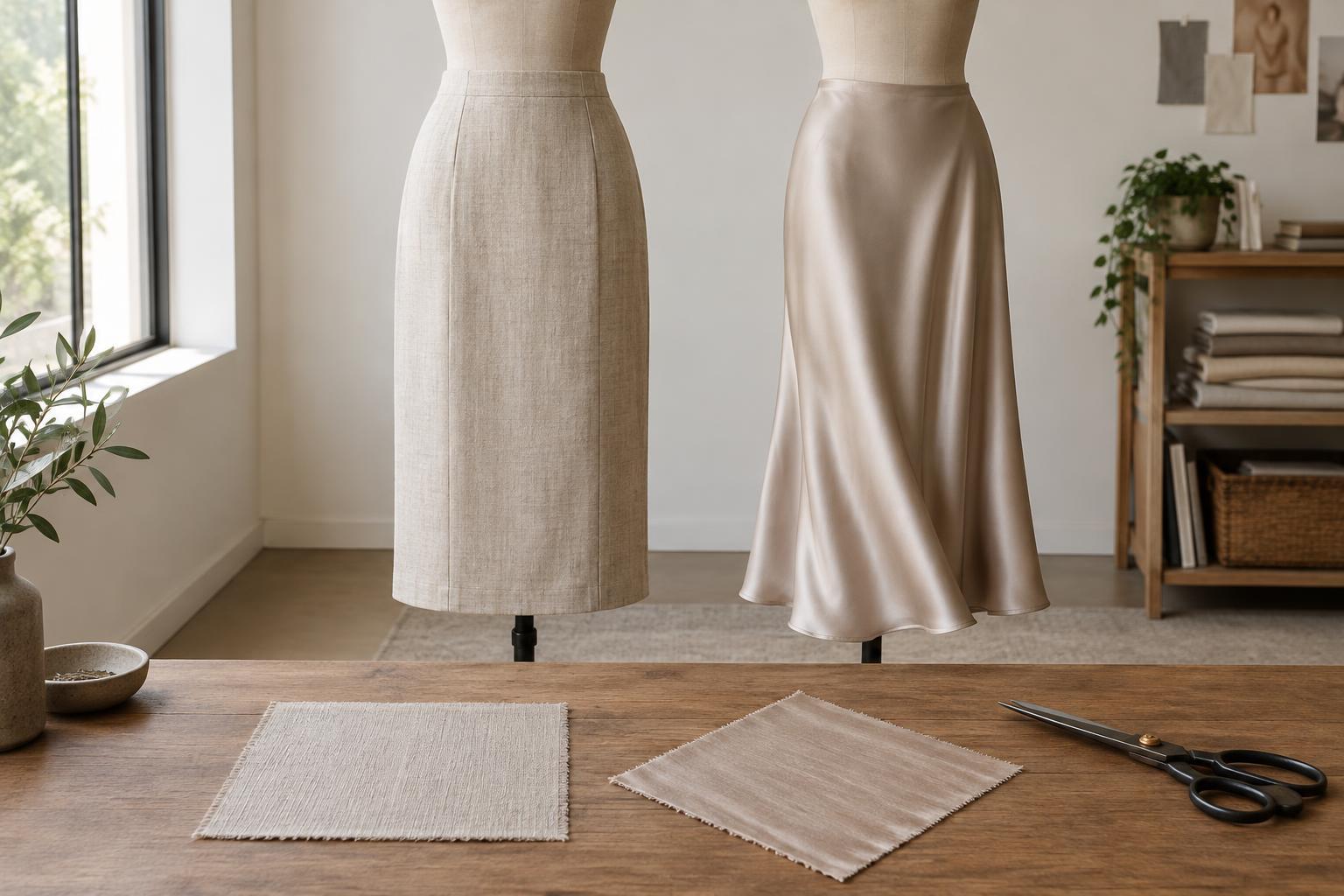
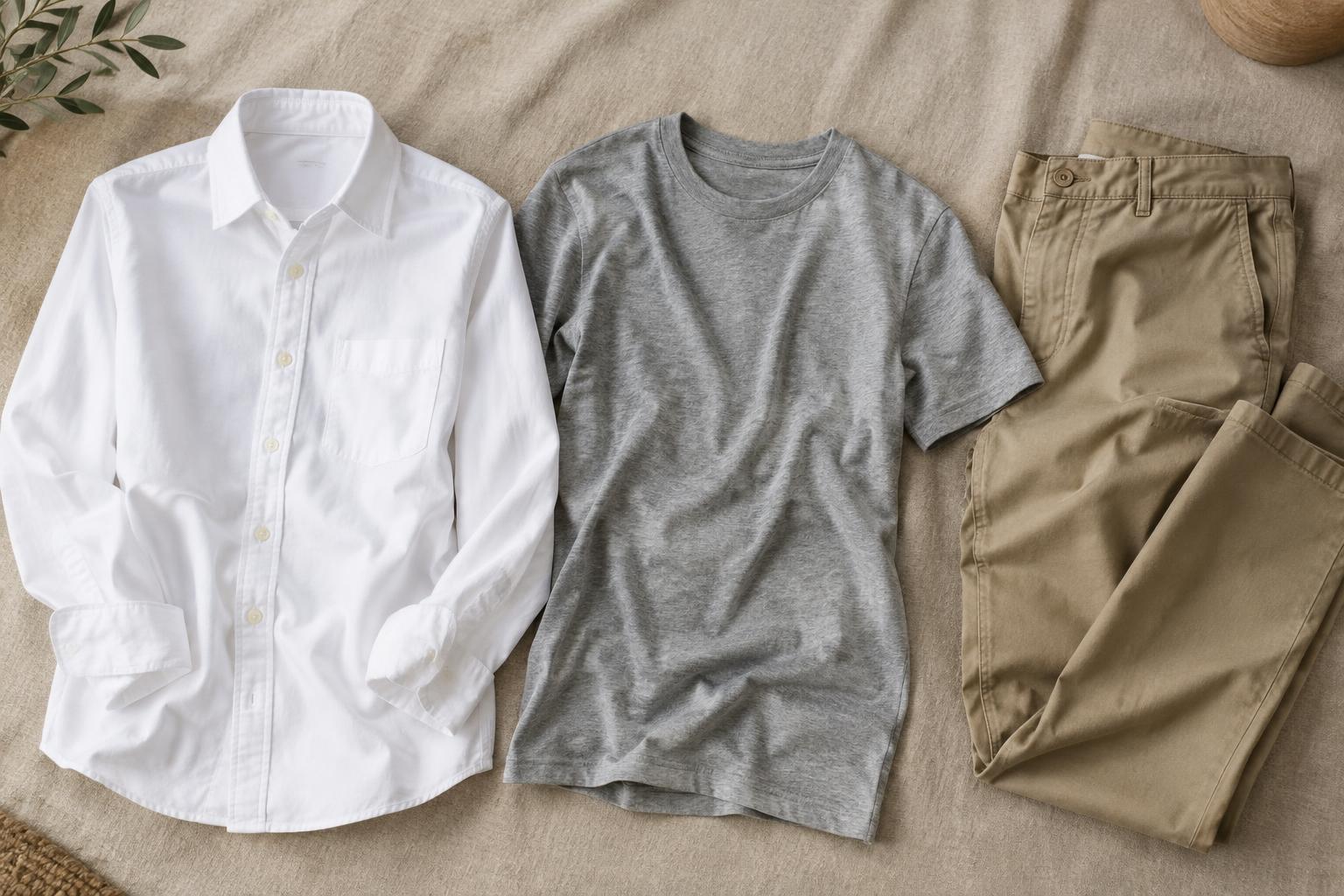
A label that says “100% cotton” tells you what a fabric is made from, but not how it will feel or wear. Cotton poplin, cotton jersey and cotton twill use different constructions. Poplin and twill are woven: their threads cross one another. Jersey is knitted from interlocking loops. That structural difference helps explain why a poplin shirt tends to look crisp, a jersey T-shirt moves easily with the body, and twill trousers often feel substantial.
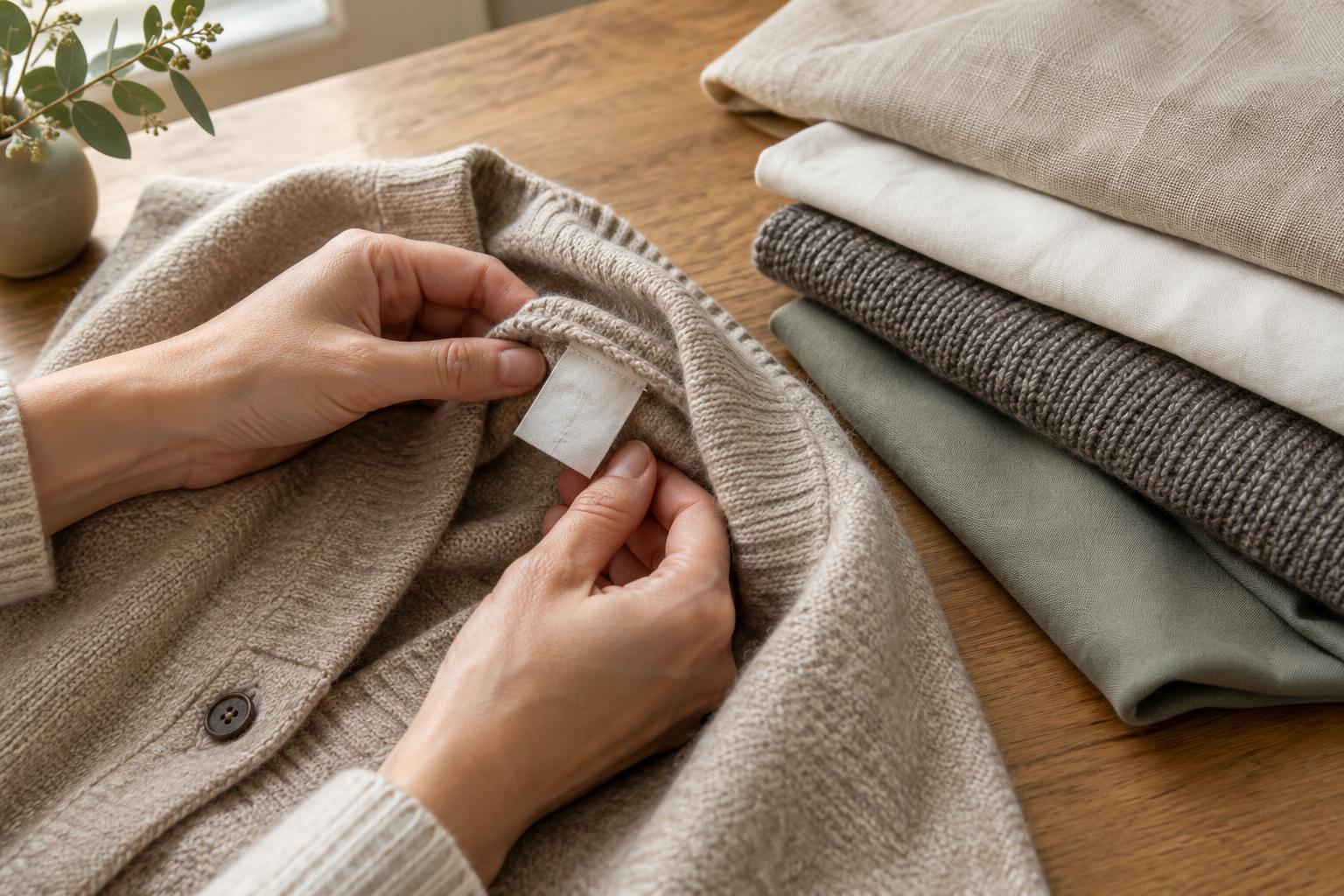
These are useful tendencies, not guarantees. Yarn thickness, fabric weight, finishing and any added fibers also affect the result. When comparing garments, look at the label, then handle the fabric: notice its surface, how it hangs and whether it stretches and springs back.
Cotton poplin: smooth, light and neatly shaped
Poplin is a closely woven fabric with a smooth surface and a fine, subtle rib. In cotton clothing, it is common in button-up shirts, shirt dresses and lightweight trousers. It usually holds a collar or cuff more clearly than a soft knit, which makes it handy when you want an outfit to look put together without adding a heavy layer.
Try a cotton poplin shirt open over a tank top, tucked into jeans, or worn under a sweater with the collar showing. Its relative crispness gives each combination a defined outline. If you prefer a relaxed fit, check that the shoulders, chest and elbows have enough room: ordinary woven poplin does not stretch like jersey unless the fabric includes a stretch fiber or is otherwise designed to give.
Poplin can crease with wear, especially where you sit or bend your arms. A looser cut may make those creases less noticeable, while a quick steam or careful iron can restore a sharper look. Very light or pale versions may also be somewhat sheer, so hold the fabric up to the light when deciding how you would wear it.
Jersey: soft movement for close-to-body pieces
Jersey is a knit rather than a weave. Its looped construction gives it natural give, even when the fiber content is entirely cotton. It is familiar in T-shirts, casual dresses and many long-sleeved tops. Compared with poplin, it usually drapes closer to the body and feels less structured, making it comfortable for pieces you plan to wear under other layers.
Weight matters here. A thin jersey tee can slip easily beneath a shirt or cardigan but may show the outline of layers underneath. A heavier jersey top can stand on its own and may feel less clingy. If you want a clean neckline beneath a jacket, check whether the neckband lies flat and returns to shape after a gentle stretch.
Jersey edges may curl when cut, and knit garments can lose shape if handled roughly while wet. Follow the care label, reshape the item after washing and let it dry without pulling at the shoulders. A folded tee also avoids the shoulder bumps that some hangers can leave on soft knits.
Twill: a diagonal weave with useful substance
Twill is a woven construction identified by diagonal lines on the fabric’s surface. Denim and many chino fabrics are examples of twill, though they can differ greatly in weight and finish. A cotton twill shirt might be fairly supple; a heavier pair of twill trousers may hold its shape and withstand frequent wear in areas such as the knees and seat.
That body makes twill a useful anchor for everyday outfits. Pair twill trousers with a soft jersey top for contrast, or wear a twill overshirt over a poplin shirt when you want a sturdier outer layer. Do not assume every twill garment is stiff: a lighter weave or a softened finish can make it drape more gently. As with poplin, check the fiber label if you need stretch, since the diagonal weave alone does not promise an elastic fit.
Twill’s textured surface can make minor creases less prominent than they appear on a smooth shirt fabric. Heavier versions can take longer to dry, though, so consider the garment’s weight and care instructions if you need clothes that are easy to wash and pack.
Choose by the job each garment needs to do
For a simple everyday outfit, assign each fabric a role. Choose poplin when you want a crisp shirt or defined collar, jersey when ease of movement and soft layering matter most, and twill when you want more body in trousers or an overshirt. Mixing them adds visual interest without requiring a bold print: a smooth poplin shirt, soft jersey tee and diagonally textured twill trousers can sit comfortably in one wardrobe.
Before buying, try the movement you expect from the garment. Sit in the trousers, raise your arms in the shirt and see whether the tee recovers after stretching. Then check thickness, opacity and care instructions. Those small tests tell you more about everyday usefulness than the fabric name alone.