The difference you can see
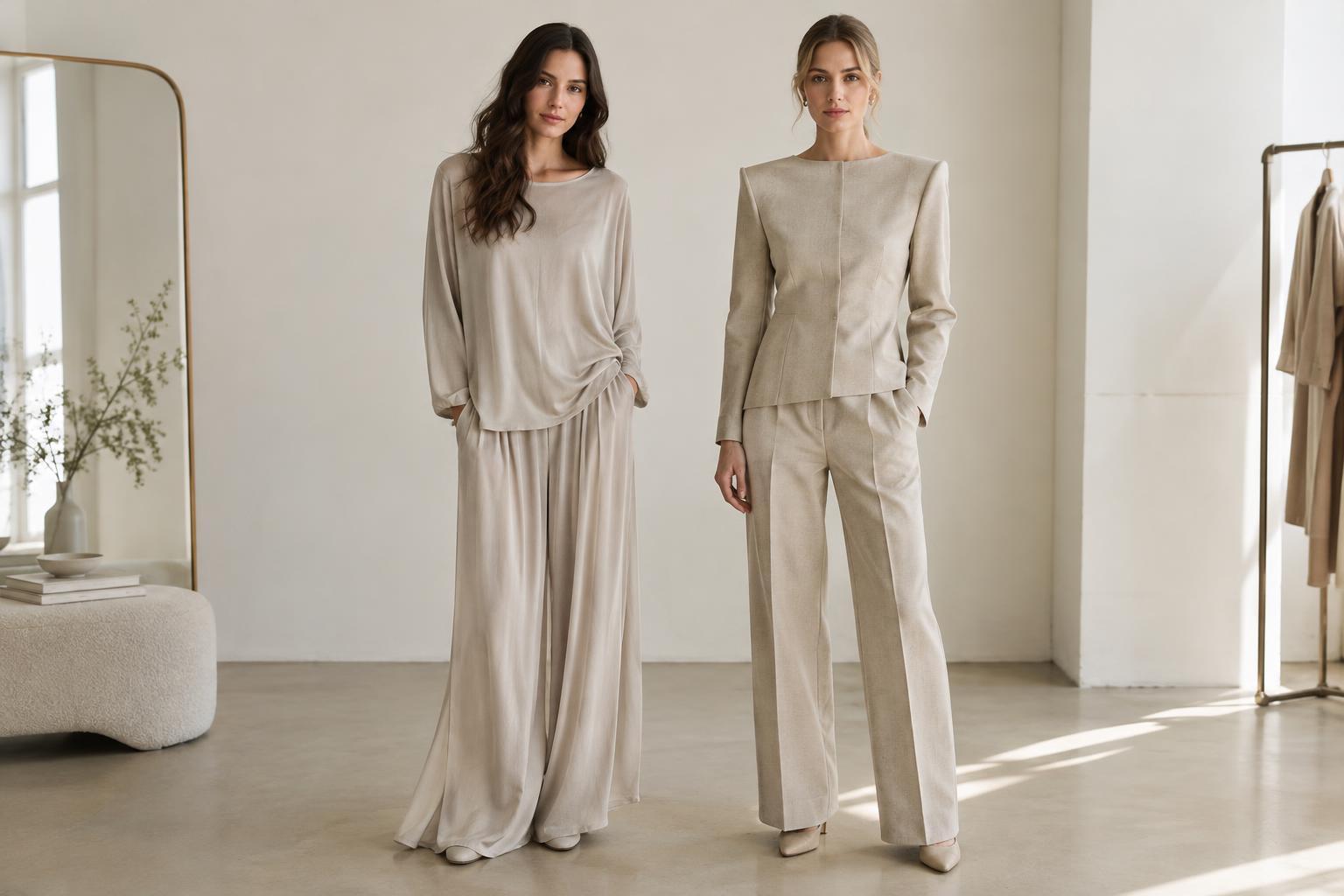
Imagine two wide-leg trousers with the same waistband and hem width. One is made from a fluid fabric that falls in soft folds from the hip. The other is made from firm cotton that holds a more defined outline around the leg. Their measurements may be similar, but the first pair moves with the body while the second keeps more of its own shape. That difference is the starting point for understanding drape and structure.
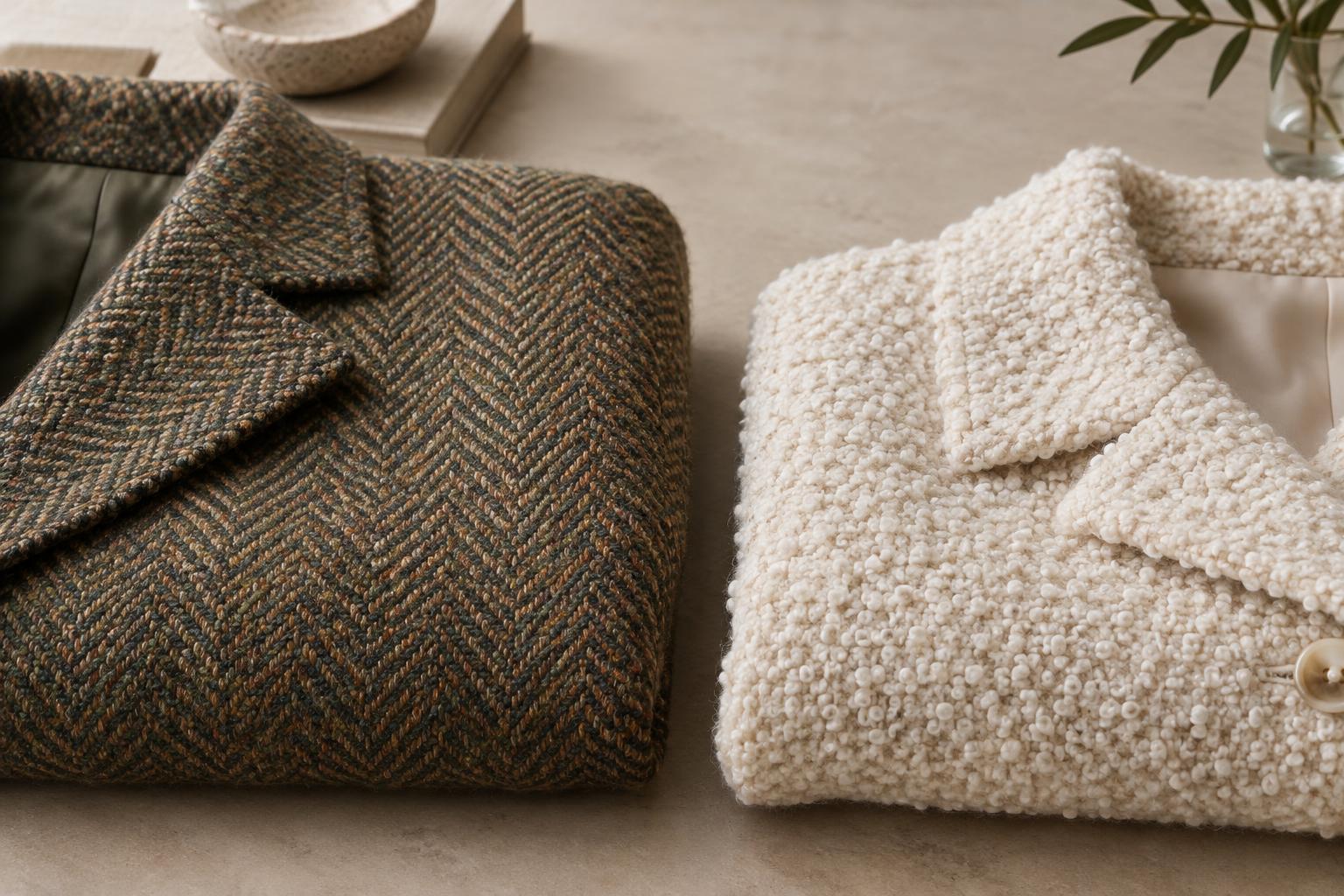
Drape describes how fabric hangs and folds under its own weight. A drapey material tends to follow curves and gather into soft lines. Structure describes a fabric’s ability to hold a shape away from the body. Structured materials can make collars stand up, hems project outward and seams look crisp. Neither quality is automatically more flattering or more formal; each changes where an outfit looks soft, sharp, close-fitting or roomy.
What creates a soft or defined silhouette
Fabric weight matters, but weight alone does not tell the whole story. A heavy, supple knit may fall close to the body, while a lighter, tightly woven cotton may keep a boxy shape. Fiber, weave or knit, thickness and finish all affect how a garment behaves. Construction matters too: lining, interfacing, pleats and seams can give a soft fabric more definition or encourage a firm fabric to fold in a particular way.
Look at where the fabric goes after it leaves a seam or a point of support. A fluid shirt may fall straight from the shoulder and settle around the waist when tucked. A crisp shirt may create space at the sides, making the torso look more squared off. A soft skirt often narrows toward the legs as it hangs; a structured skirt can maintain volume through the hem. These are visual effects, not rules about which body shapes should wear which fabrics.
Use contrast to balance an outfit
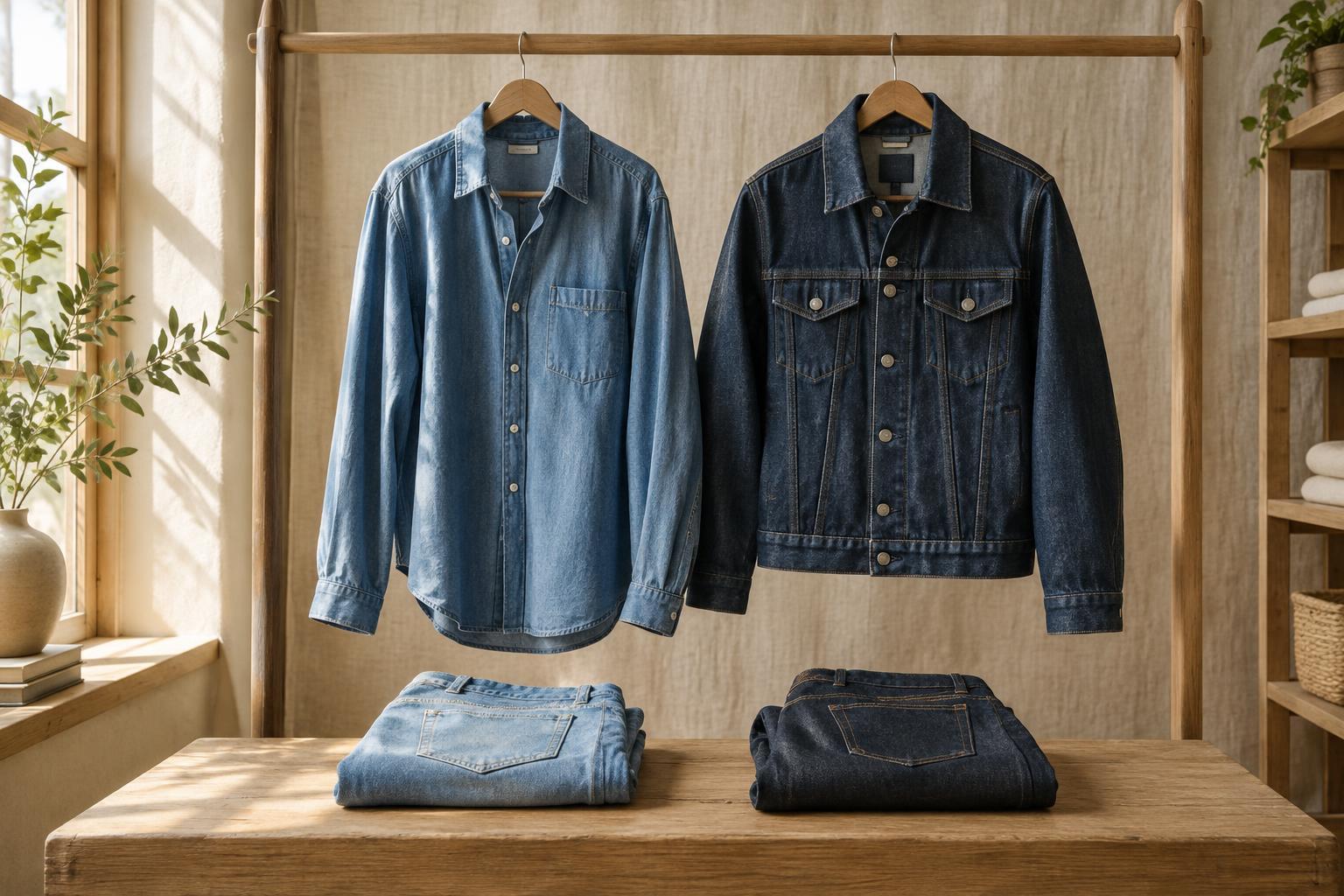
Combining drape and structure is an easy way to give an outfit a clear shape without relying on a close fit. Try a fluid blouse with straight, firm denim: the jeans provide a defined base, while the blouse softens the upper half. Reverse the idea with a crisp overshirt over a relaxed knit top and supple trousers. The overshirt frames the shoulders, and the layers beneath keep the look comfortable and easy to move in.
Proportion can guide the pairing. If a drapey piece is generously cut, a structured item can mark an edge: a firm waistband defines where wide trousers begin, or a tailored jacket gives a long, flowing dress a clearer shoulder line. If two structured pieces feel too rigid together, an open neckline, rolled sleeve or softer accessory can break up the outline. If everything feels loose and fluid, try a tuck or a belt before replacing a garment. A small styling change may be enough to show where one piece ends and another begins.
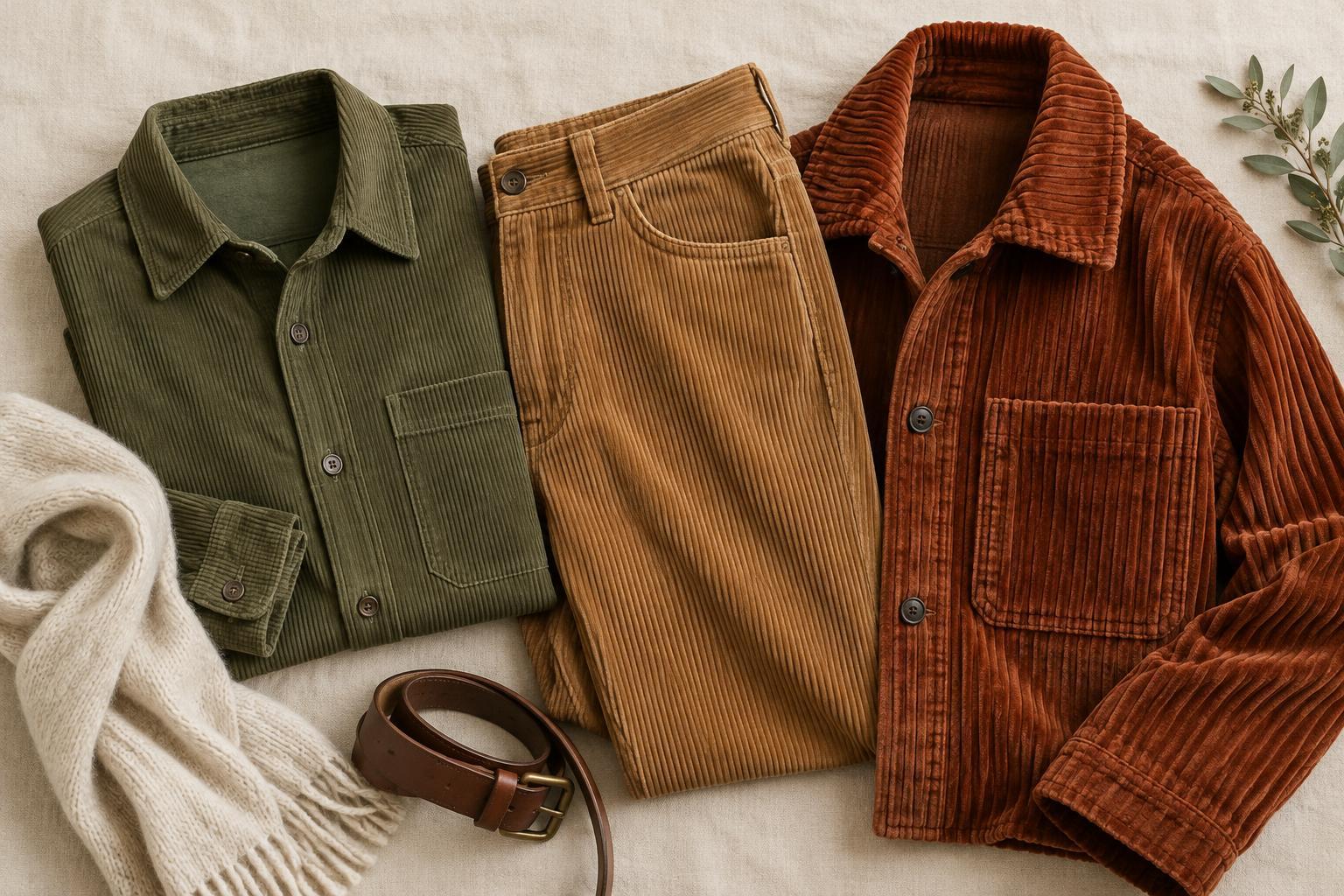
Texture adds another dimension. Smooth, fluid fabric next to textured denim creates contrast even in similar colors. A soft knit under a crisp cotton shirt gives a layered outfit depth without requiring a bold pattern. When planning an outfit, notice both the silhouette from a distance and the surface of the fabrics up close.
Check the shape before you commit
In a fitting room or at home, look at a garment while standing, sitting and walking. Does a trouser leg swing as you move or keep a straight line? Does a jacket retain its shoulder shape when left open? Does a skirt settle back into place after you sit? These observations reveal more than a fabric label alone. Pay attention to how the garment behaves with the shoes and layers you expect to wear most often.
Then consider care. A crisp piece may need pressing to maintain the outline you liked when you tried it on. A fluid piece may wrinkle or stretch in ways that alter its fall. Check the care label and decide whether the upkeep fits your routine. The useful question is not whether drape or structure is better. It is whether the fabric creates the shape you want—and whether that shape still works as you move through your day.