Let condition guide the wash
How often you wash a garment depends on what touched your skin, how you wore it and what happened during the day. A shirt worn on a hot commute may need washing that evening; the same shirt worn briefly over a clean base layer might be ready for another outing. Rather than following a fixed number of wears, check for odor, visible marks, dampness and changes in how the fabric feels.
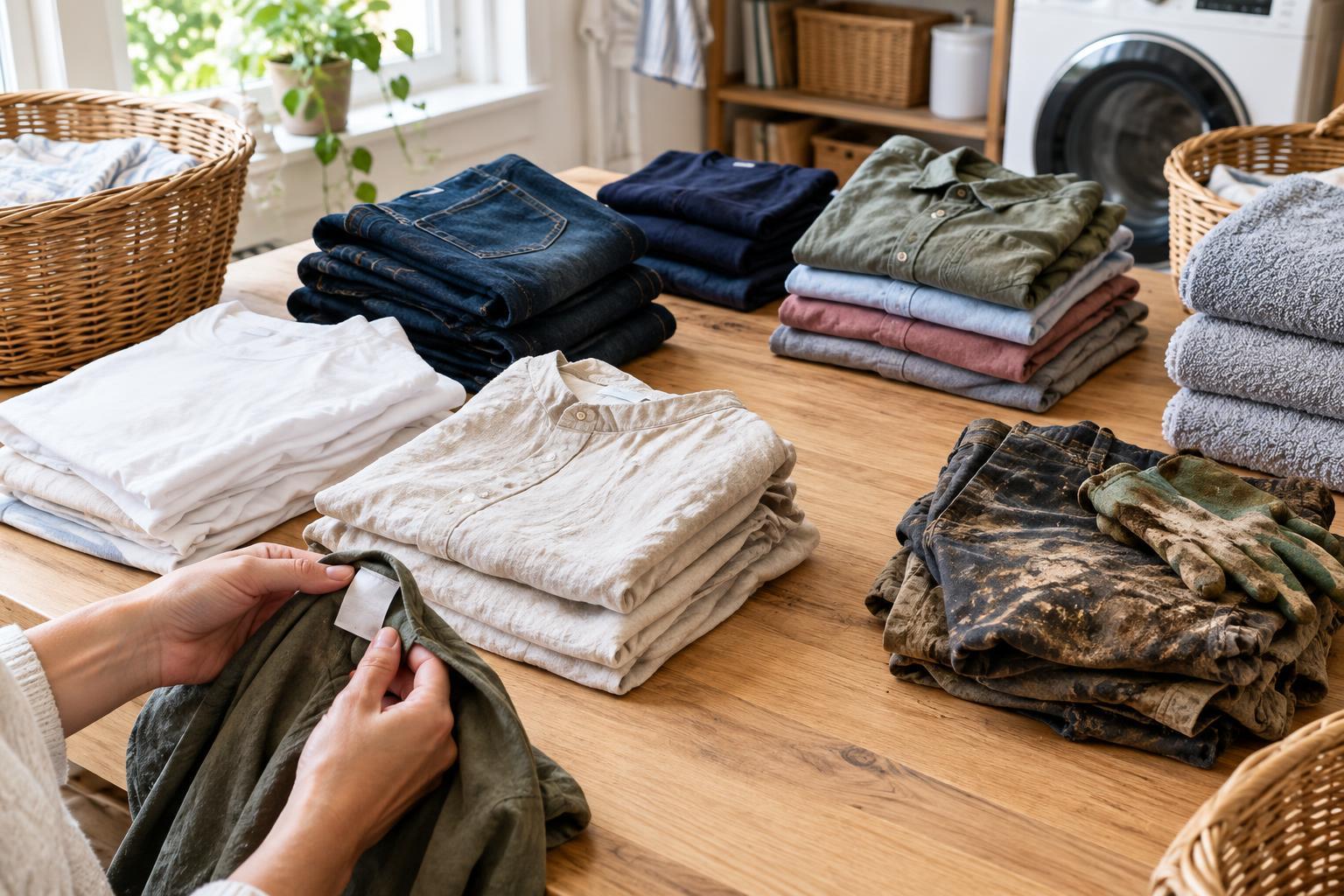
As a starting point, wash underwear and socks after each wear. Clothes worn during a sweaty workout usually belong in the wash too. Items with food spills, body-product buildup or a persistent smell should not go straight back into the wardrobe. If a garment looks clean, smells neutral and is fully dry, rewearing may be reasonable. Use a separate spot for clothes you plan to wear again so they do not get mixed up with freshly laundered pieces.
Air clothes before deciding
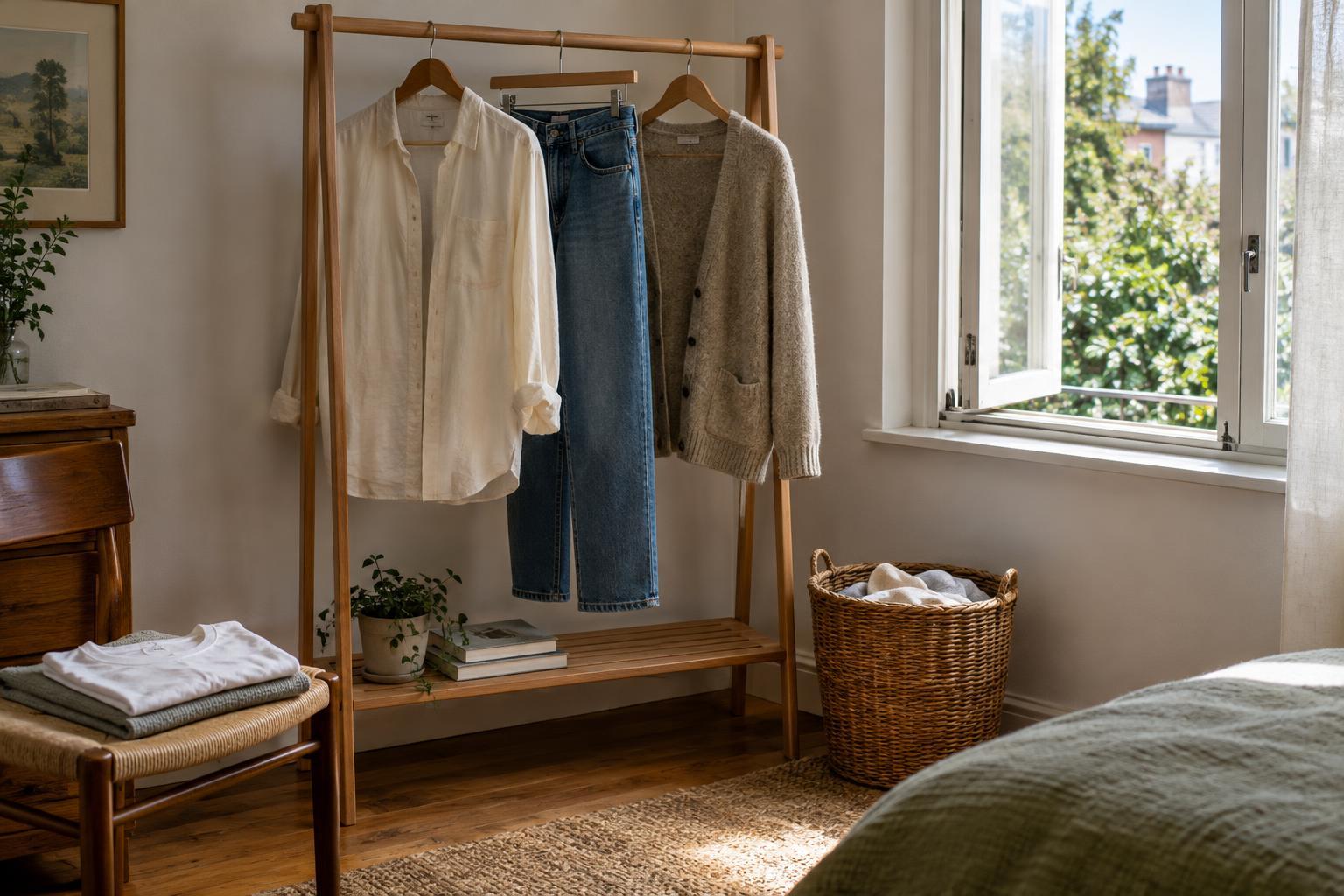
Airing is a useful step between wearing and washing. Take off the garment, empty its pockets and hang it where air can circulate, with room around the fabric. A jacket left on a chair in a heap may hold on to moisture and smells; the same jacket on a sturdy hanger has a better chance to dry and freshen. Give it time before making the wash-or-rewear decision.
For a lightly worn sweater, you can let it air overnight, then check the collar, cuffs and underarms in the morning. Turn the garment inside out if that helps the areas closest to your skin air more freely. Keep it out of strong sunlight if fading is a concern, and avoid putting it away while damp. Airing does not remove dirt or replace washing when a garment is soiled, but it can help you avoid washing something simply because you wore it once.
Think in layers, not just outfits
The layer closest to your skin generally needs the most frequent cleaning. A T-shirt under a cardigan absorbs more sweat and skin oils than the cardigan does. That makes base layers useful for extending the time between washes of sweaters, overshirts and structured jackets. If you prefer an open neckline, check collars and lapels carefully; those areas may have more skin contact than you expect.
Jeans and other sturdy trousers can often be reworn if they remain clean and comfortable, while a top worn directly against the underarms may need washing sooner. Sleepwear, work clothes and occasionwear also call for different judgments depending on wear time and activity. Try a quick inspection when you change: look at cuffs, hems, waistbands and underarms, then decide whether the item needs washing, airing or a small spot clean.
Match your care to the fabric
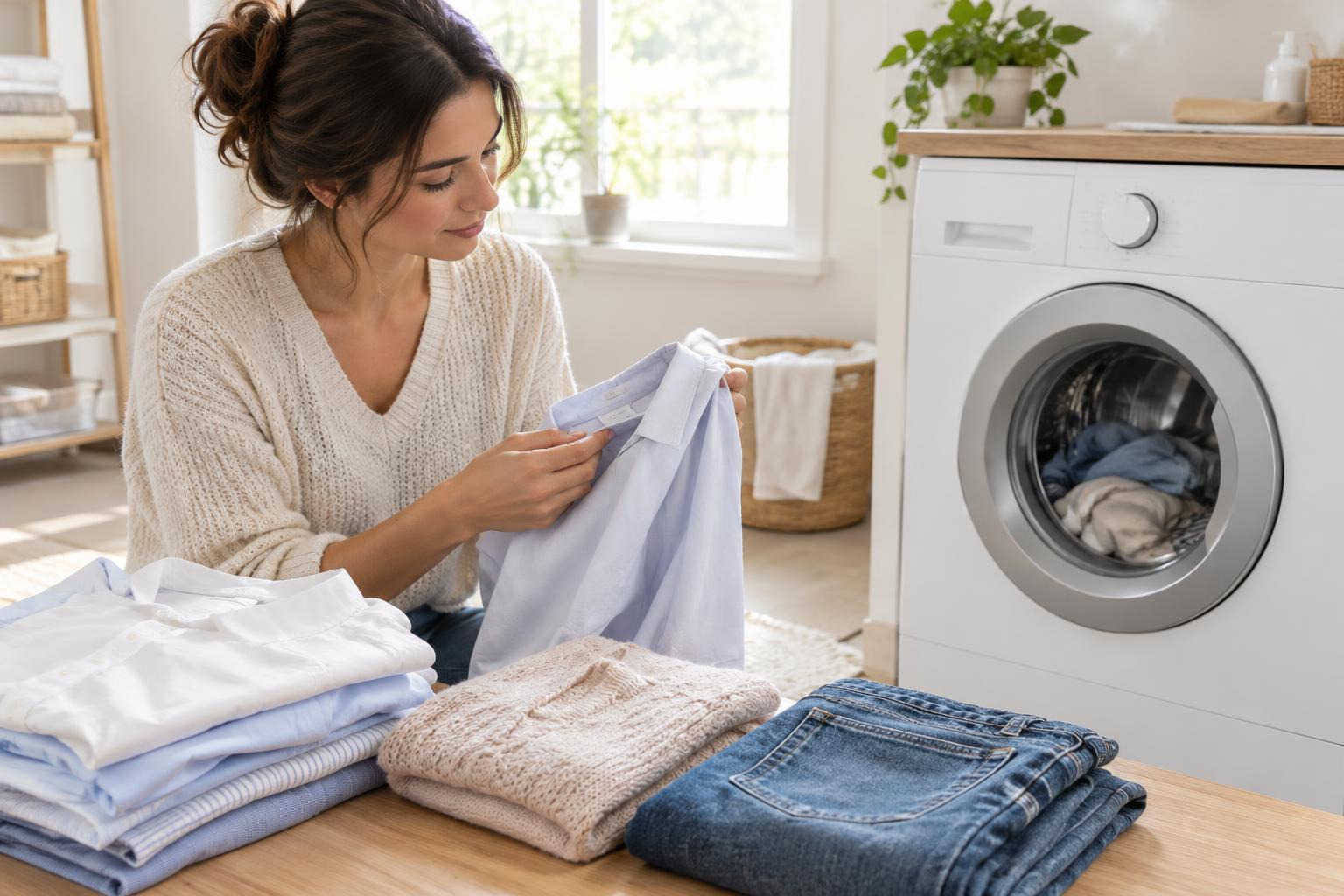
The care label is the best starting point for cleaning any garment. Some pieces tolerate regular machine washing; others call for a gentle cycle, hand washing or professional cleaning. Fabric and construction both matter. A loosely knitted sweater, for example, may stretch if hung while wet, even if it aired well on a hanger while dry. Lay it flat to dry after washing if its care instructions call for that.
For a small mark, spot cleaning may be enough: test an inconspicuous area, use a little water and suitable detergent, and blot rather than rub aggressively. Check the result when the fabric is dry, since a damp patch can hide a remaining stain. Avoid masking an odor with fragrance and returning the item to storage; if it still smells after airing, wash it according to its label.
Build a rewearing routine that stays simple
Set aside a hook, rail or shelf for clothes that have been worn but are not ready for the laundry. Keep pieces spread out at first, then fold or hang them once they are dry. This makes it easier to see what is available and prevents a lightly worn outfit from disappearing into a pile. Before getting dressed, give each item one more check for freshness and marks.
A practical routine might be to wash a base layer after a full day, air the overshirt you wore above it, and inspect your trousers before wearing them again. If the day was particularly warm or active, adjust accordingly. The goal is not to reach a certain number of wears. It is to keep clothes pleasant to wear and ready when you need them, without treating every brief outing as a reason to run a load of laundry.