Start with the color you want to notice
A colorful top does not require an equally bold bottom. First decide what you want the top to do: stand out as the main feature, blend into a coordinated palette, or add a small burst of color to an otherwise quiet outfit. That choice gives you a starting point before you consider whether to wear trousers or a skirt.
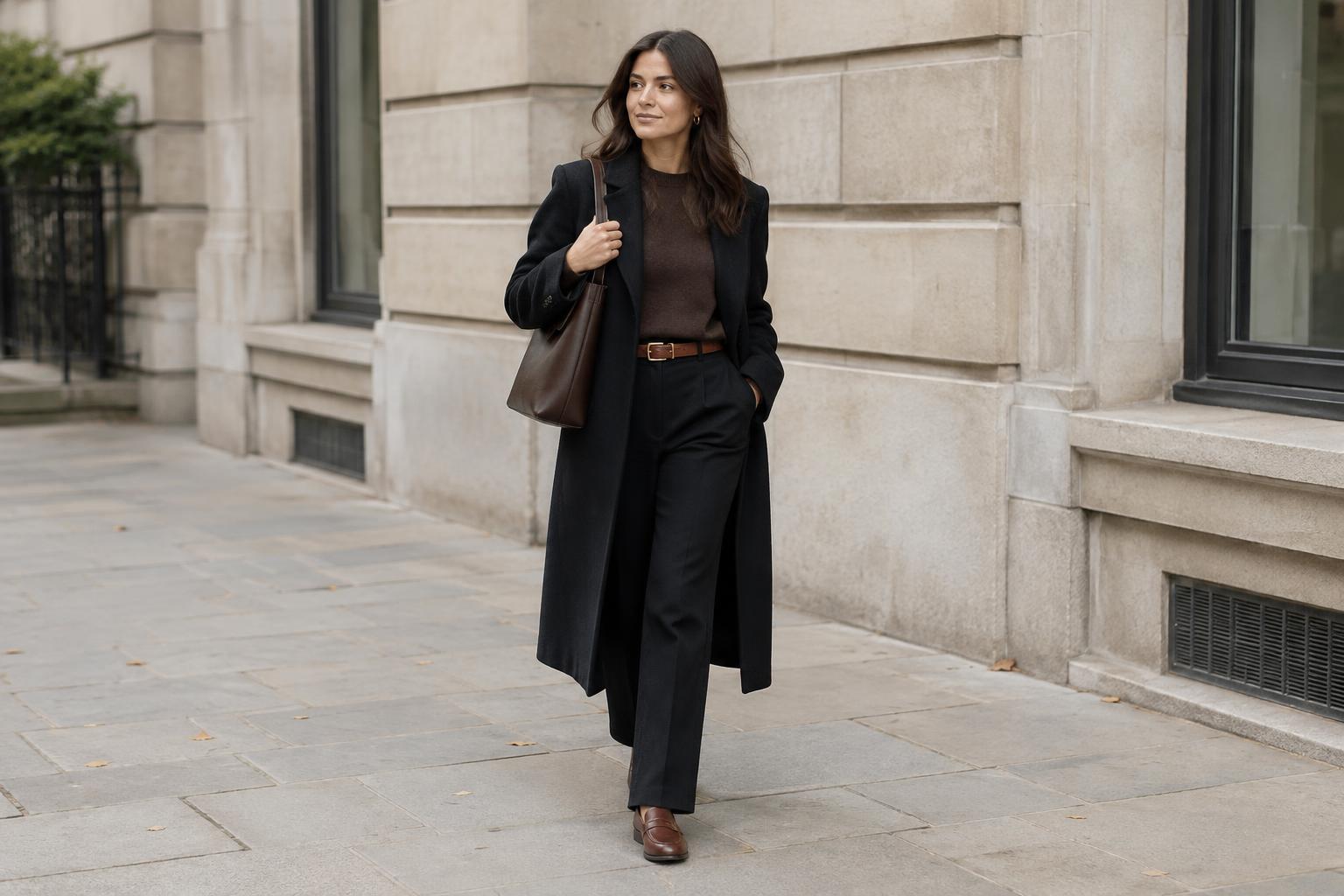
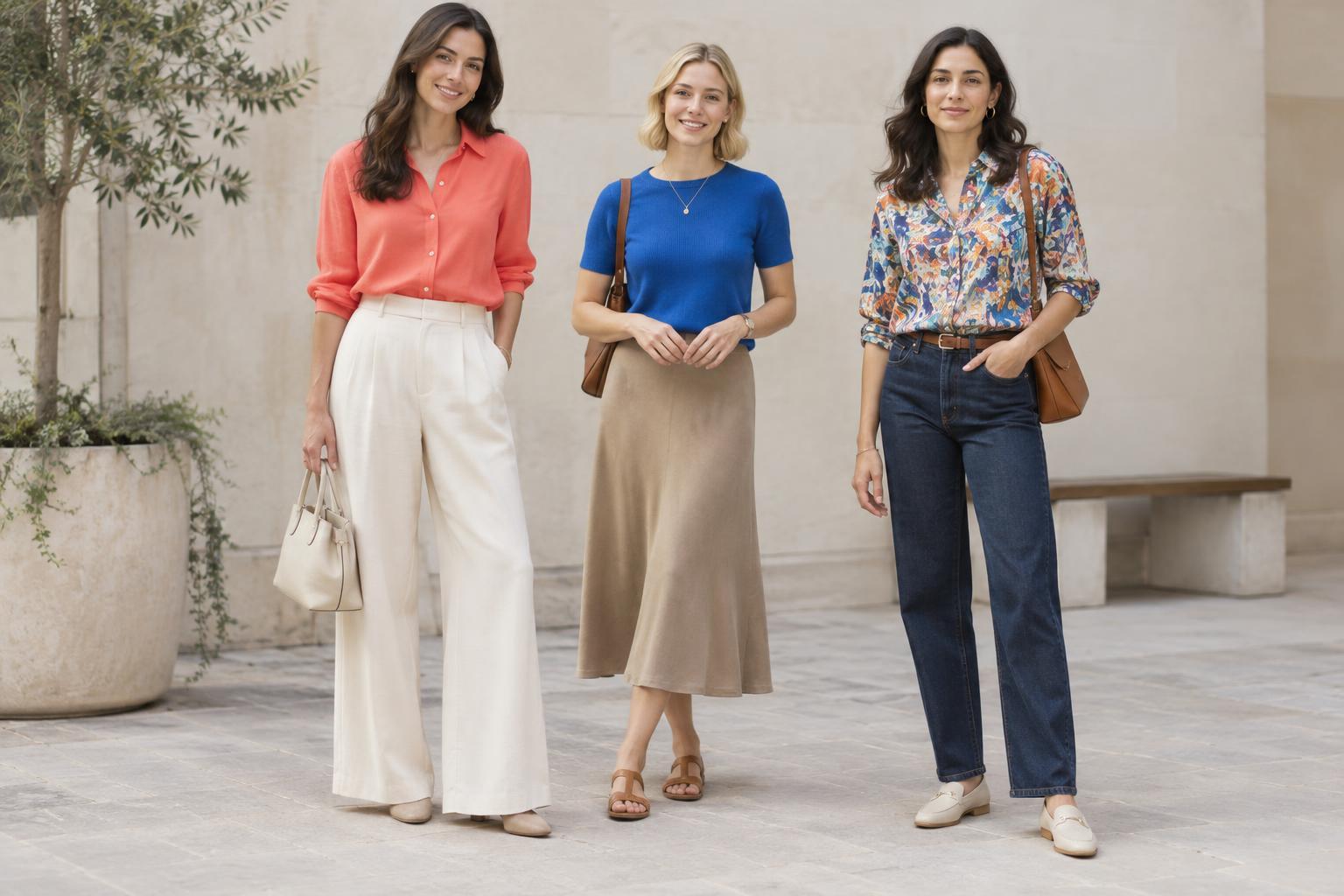
For the simplest approach, pair a vivid top with a neutral bottom already in your wardrobe. A cobalt blouse with dark denim feels relaxed; the same blouse with charcoal trousers looks more polished. Cream, navy, brown, gray and black can all play a supporting role, but they create different moods. Rather than asking which neutral is universally best, hold each option beside the top and notice whether the combination looks crisp, soft or heavy.
Use contrast with intention
Contrast affects how bold an outfit feels. A bright orange top with black trousers creates a strong division between upper and lower halves. Orange with tan or chocolate brown feels more blended, even though the top remains colorful. If a pairing seems too stark, try a bottom closer to the top in lightness. If it seems flat, add contrast through a darker skirt or a lighter pair of trousers.
You can also borrow a color from the top. With a printed blouse, choose trousers that match one of its quieter colors rather than its brightest shade. A floral top with small olive leaves, for example, can work with olive trousers while the flowers remain the focal point. For a solid top, a nearby color can create a similarly connected look: a teal knit with deep blue jeans is colorful without relying on an exact match. Exact matches can be striking, but they are not necessary.
Balance the shape as well as the color
Color draws the eye, but fit determines the overall outline. A loose, bright shirt often feels balanced with straight-leg trousers or a skirt that follows the body without clinging. A close-fitting colorful tee can sit comfortably above wide-leg trousers or a fuller midi skirt. These are starting points, not rules: the goal is to see the shape of the outfit rather than have every piece compete for attention.
Pay attention to where the top meets the bottom. Tucking in a blouse, adding a partial tuck, or choosing a shorter top can make the waistline clearer when you wear a wide or flowing bottom. If you prefer an untucked top, a straighter skirt or trouser leg may give it more definition. Try the outfit from a few steps back; small changes in hem length or waist placement can make more difference than changing the color.
Let texture set the mood
Two outfits with the same colors can feel different because of their fabrics. A bright cotton shirt with denim trousers has an easy daytime quality. Swap the denim for smooth tailored trousers, and the color may feel more deliberate. A saturated knit with a fluid skirt offers another balance: the knit gives the upper half structure while the skirt moves gently below it.
Texture is especially useful when you want a simple color palette without a plain result. Pair a colorful linen top with a cotton skirt, or a silky-looking blouse with matte trousers. Check the fabric weights, too. A very light top over a heavy skirt can work, but you may want a defined waist or a substantial shoe to make the pieces feel connected. Choose materials that suit where you are going and feel comfortable together.
Finish with one clear supporting choice
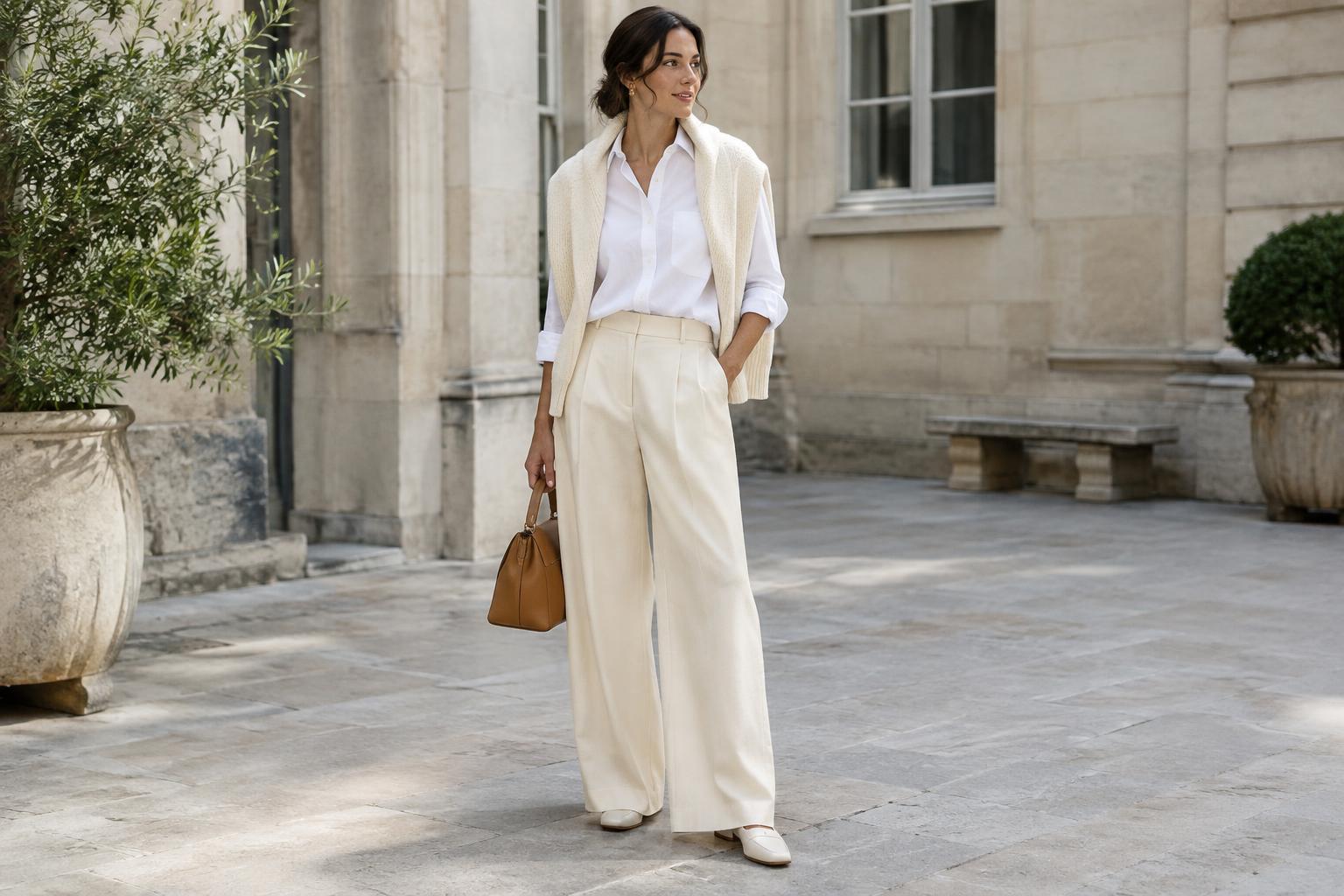
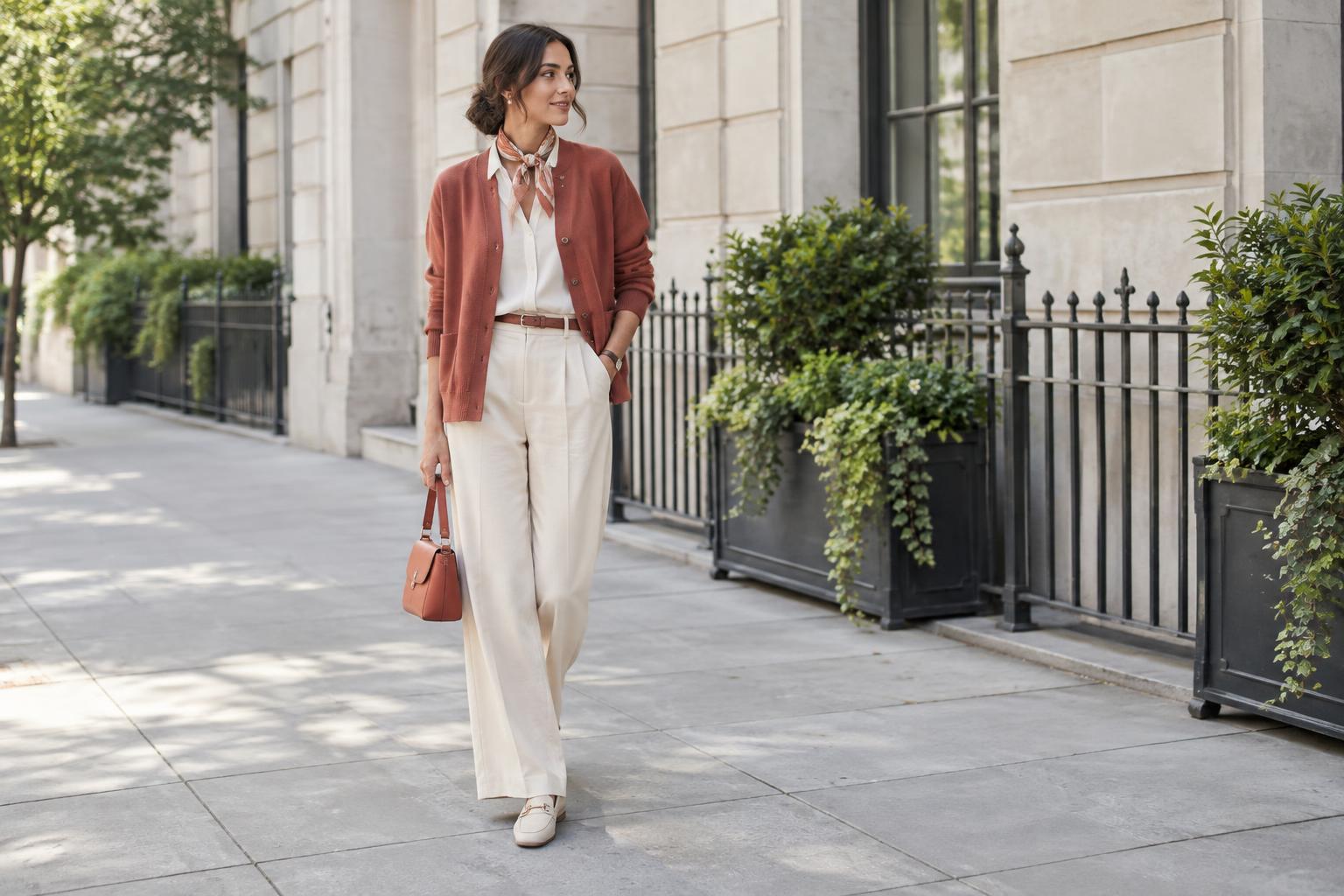
Once the top and bottom work together, keep the finishing pieces purposeful. Shoes close in color to the bottom can create an uninterrupted line, while shoes that echo the top can make its color feel repeated rather than isolated. A belt, bag or scarf can make the same small connection. You do not need to repeat the exact shade; a related tone is often enough.
If you are unsure, try a quick three-outfit test with one colorful top: wear it with a neutral bottom, a bottom in a nearby color, and a bottom that picks up a minor color in the top’s print. Use the shoes and accessories you already own. Notice which version suits your plans and feels most like you. Balancing color is less about finding a single correct formula than choosing which part of the outfit you want people to see first.