Start with the trip, not the fabric label
Wrinkle resistance and quick drying are useful travel features, but their importance depends on what you plan to do. If you will move between hotels and wear clothes several times before washing, a piece that comes out of a suitcase looking neat may matter most. If you expect to wash a shirt in a sink and wear it again soon, drying time becomes the priority. Most trips call for a balance of both.
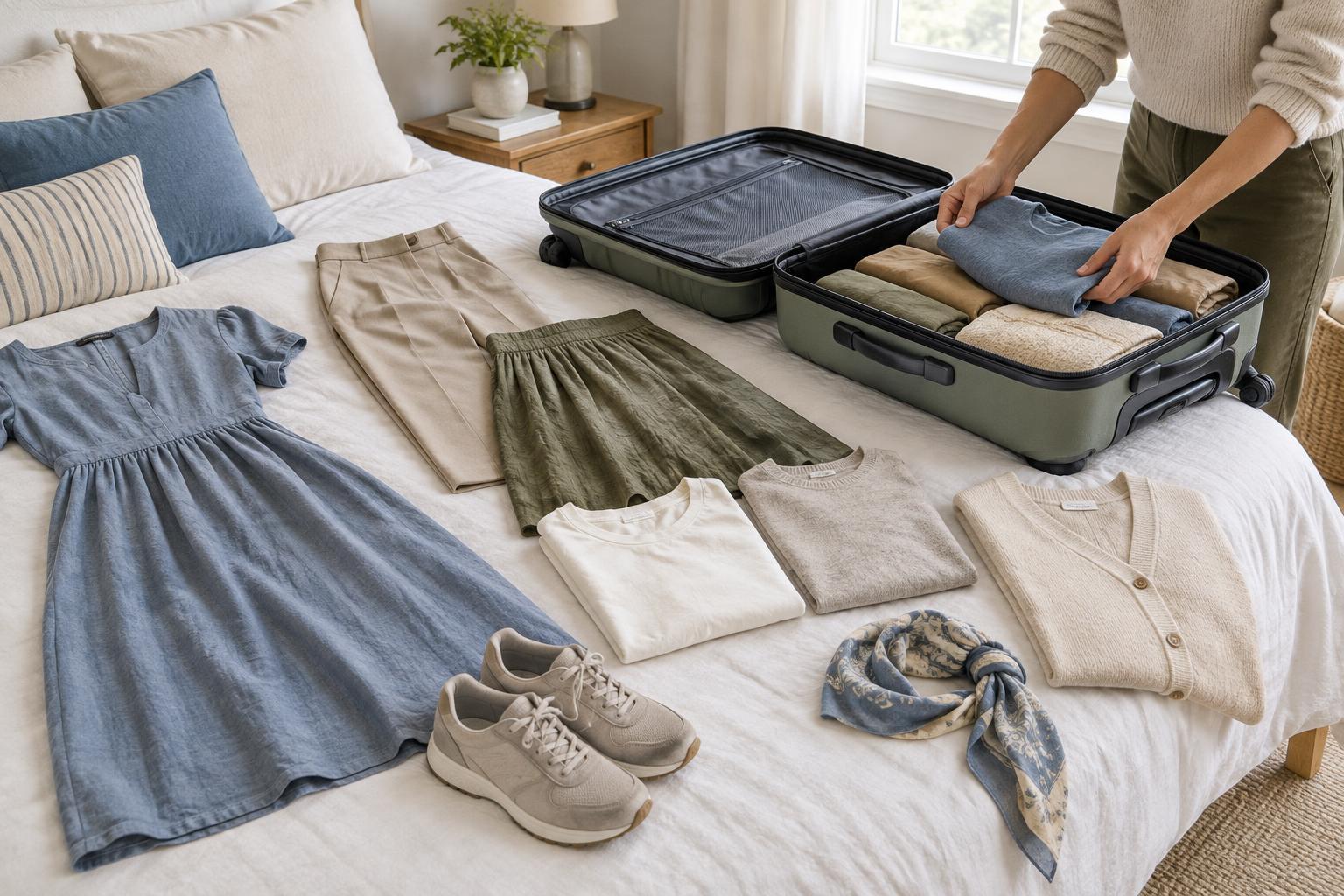
Think about the outfits you will need before choosing individual garments. A simple travel wardrobe might include two tops that work with the same trousers, a comfortable layer for cooler spaces, and one outfit that can be dressed up with different shoes or accessories. Choosing pieces that work together makes it easier to pack less, even when no single item performs perfectly in every situation.
Look for fabrics that suit how you will wear them
Lightweight polyester and nylon fabrics often release moisture faster than thick, absorbent fabrics, making them useful for pieces you may wash during a trip. They can also hold their shape well in a bag. Fabric weight and finish still matter: a dense knit may take longer to dry than a thin woven shirt made from a similar fiber. Touch the garment and check whether it feels substantial, airy or prone to clinging.
Wool, including fine merino, can be a useful option for tops and layers because many wool knits recover from creasing when hung up. Drying time varies with thickness, so a light wool T-shirt and a heavy sweater should not be treated alike. Cotton and linen can feel comfortable in warm weather but generally crease more readily, especially when packed tightly. A blend may offer a compromise if you like their feel but want a tidier finish.
Pay attention to the garment as well as its fiber content. A patterned shirt, textured weave or relaxed silhouette can make small creases less noticeable. Smooth, pale fabric with a crisp collar may show every fold. Decorative linings, thick waistbands and multiple layers can also slow drying, even when the outer fabric feels light.
Test a garment before giving it suitcase space
A quick at-home test is more reliable than judging a piece by a “travel” description. After checking its care label, wash the garment as you would on the road, gently press out excess water with a towel, and hang it where air can circulate. Note how it feels after several hours and whether cuffs, pockets or seams remain damp. Avoid assuming that every hotel room will offer the same drying conditions: humidity and limited airflow can make the process slower.
To check creasing, fold the dry garment and leave it in a drawer or bag overnight. Shake it out, hang it up and see whether the folds relax enough for your needs. This test is especially helpful for trousers, dresses and shirts you hope to wear straight from your luggage. If a piece needs pressing to look the way you want, decide whether that extra step fits your trip.
Build outfits around easy-care pieces
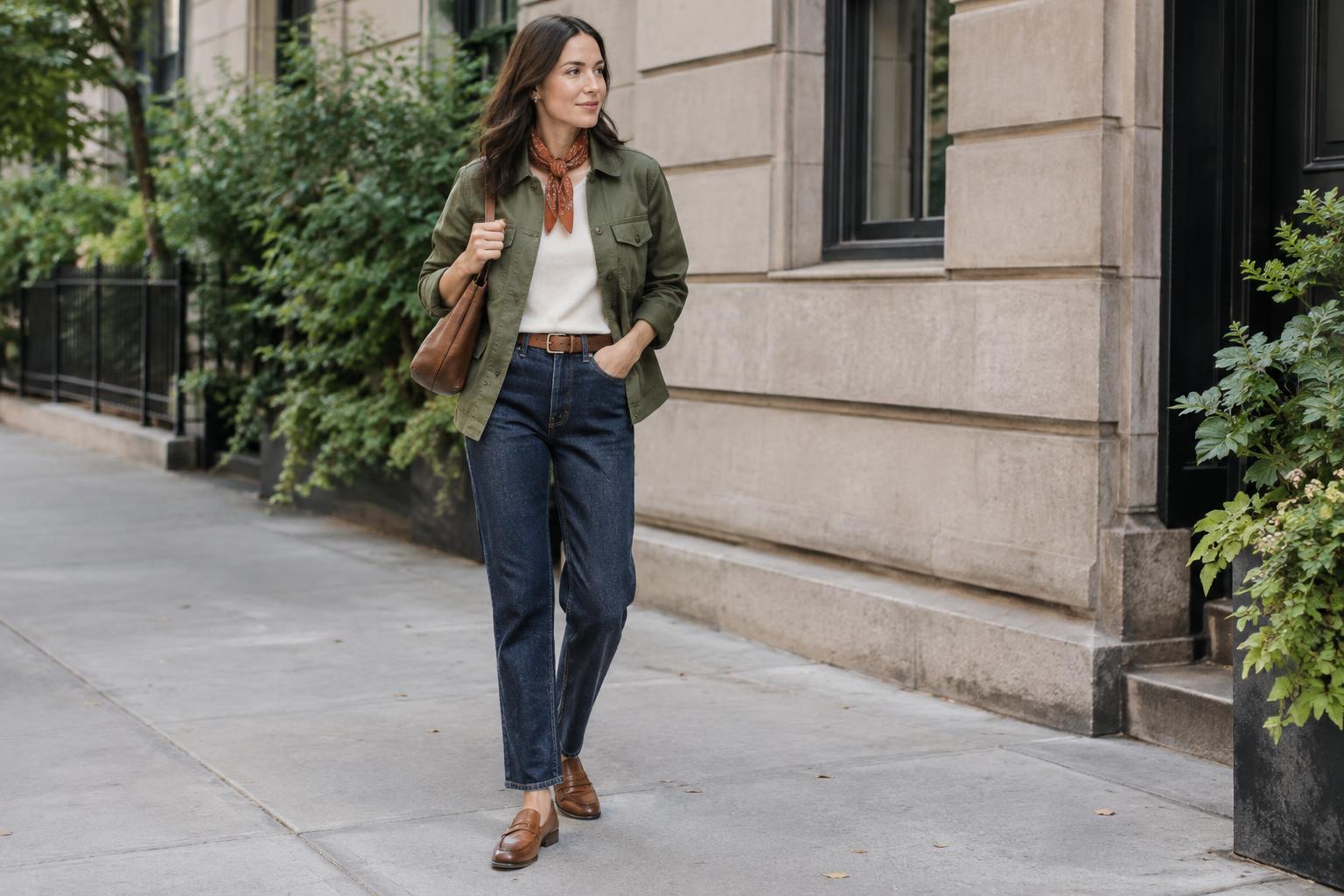
Choose a small color palette so your fastest-drying pieces can do more than one job. For example, dark trousers, a patterned top and a plain top can all work with one lightweight overshirt. The overshirt adds warmth, changes the look of each outfit and can cover minor creases in a base layer. A scarf or other compact accessory can provide variety without adding another full outfit.
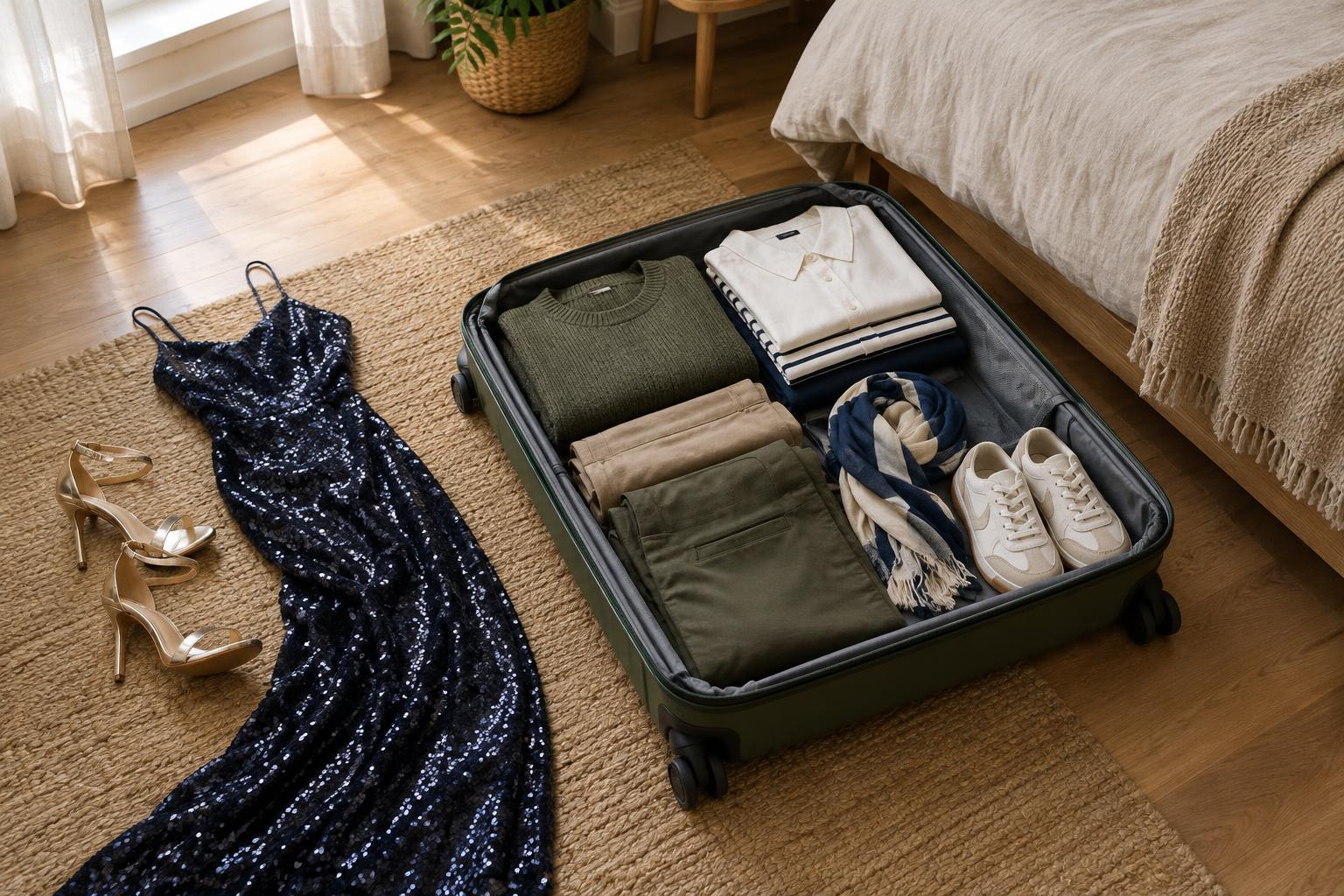
Keep one outfit in reserve if you expect to wash clothes while traveling. That gives damp items time to dry rather than forcing you to pack or wear them too soon. If your plans include both casual walking and a smarter meal, look for trousers or a dress that feels comfortable throughout the day but has a shape you would also be happy to wear in the evening.
Pack and care for clothes with drying in mind
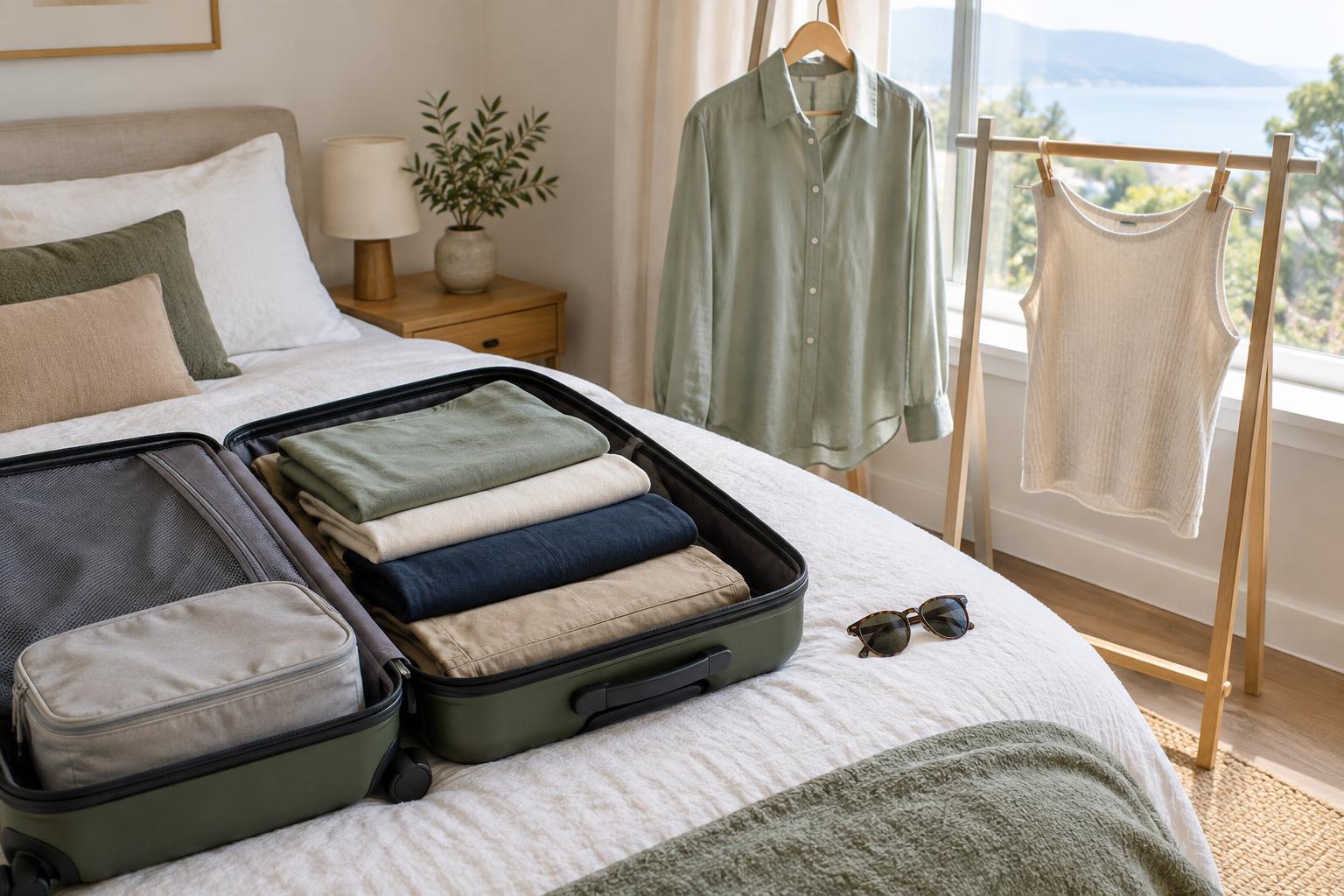
Even wrinkle-resistant clothes can crease when a bag is overfilled. Fold structured pieces along their seams, roll softer knits if that helps them fit, and leave enough room to avoid crushing everything together. Unpack and hang garments when you arrive; this gives folds a chance to relax before you need to wear them.
When washing on the road, follow the care label and use a small amount of suitable detergent. Press water out gently rather than twisting delicate fabrics, then lay or hang them as directed. Keep damp clothes out of a closed packing cube. A travel wardrobe works best when its care routine is realistic: choose pieces you can wash, dry and wear again under the conditions you are likely to have.