Sort before you store
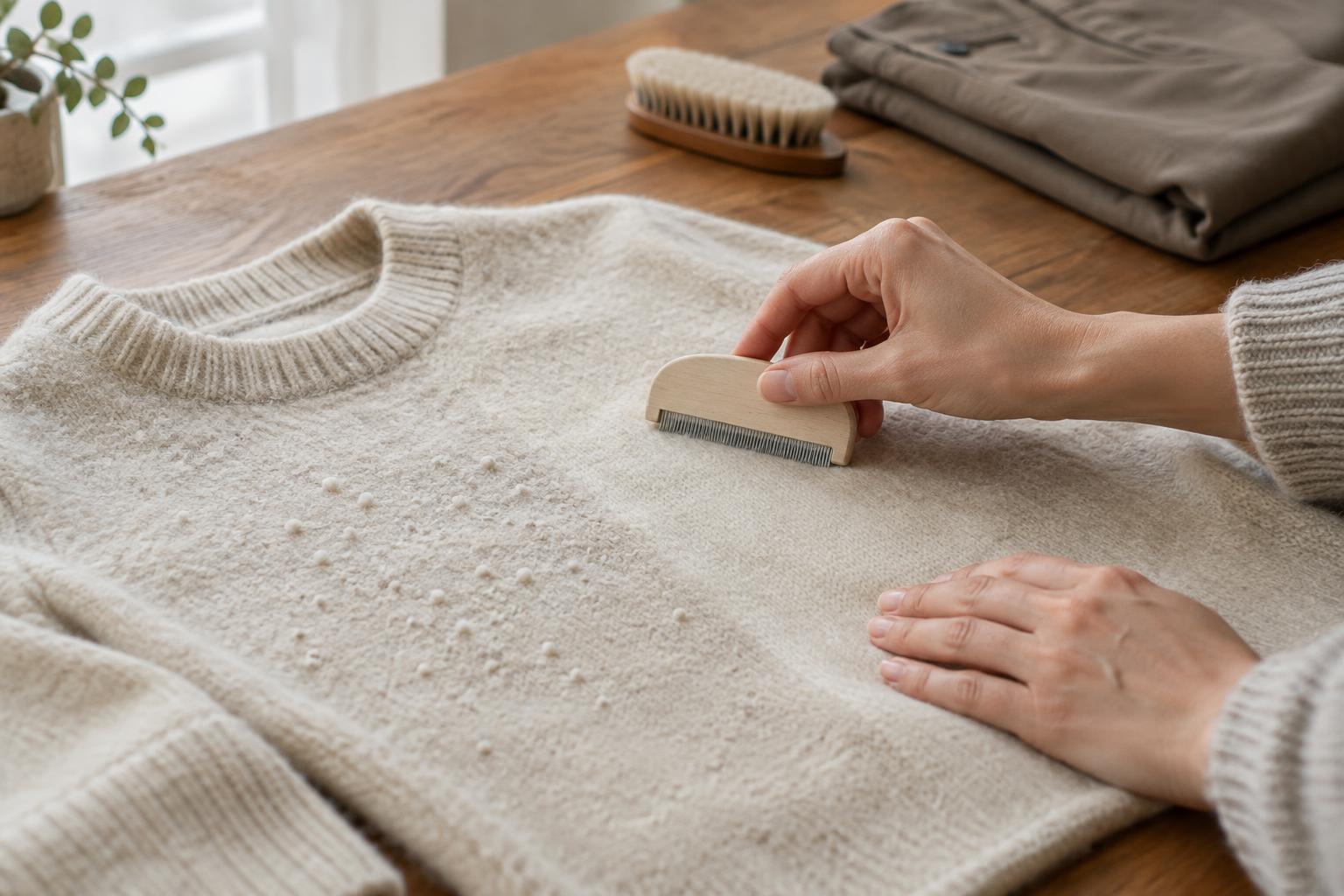
Seasonal storage works best when it begins with a quick edit, not a stack of clothes pushed into a box. Set aside anything you wore during the past season and check it in good light. Look for loose buttons, worn seams, stains and items that no longer fit the way you want. Make a small repair pile and decide what to keep before you spend time cleaning and packing everything.
Group the keepers by care needs: washable basics, delicate pieces, outerwear and accessories. Check pockets for tissues, receipts and other forgotten items. If you have enough space, leave out a few layers that work across seasons, such as a light cardigan or overshirt. This prevents you from having to reopen every container when the weather changes unexpectedly.
Clean each piece according to its care label
Clothes should go into storage clean, even when they look fine. Body oils, deodorant, food marks and fragrance can linger in fabric, and a faint stain may be harder to address months later. Follow the garment’s care label rather than using one wash cycle for a whole category. Separate colors as you normally would, treat visible spots gently, and avoid aggressive scrubbing on knits or delicate weaves.
For pieces labeled dry clean only, follow that instruction or seek appropriate care before packing them away. Coats and structured garments may need attention at collars, cuffs and linings, while scarves and sweaters often need only the cleaning method specified on their labels. After washing or cleaning, make sure every item is completely dry. Even a slightly damp cuff or thick waistband can make a closed storage space musty.
Choose a storage method that suits the fabric
Fold knits, heavy sweaters and stretchy garments rather than hanging them for months; hanging can pull them out of shape. Place heavier pieces at the bottom of a container and lighter ones on top, without pressing the stack flat. For delicate folds, a layer of clean, acid-free tissue can help reduce sharp creases. Store structured jackets on supportive hangers if you have room, with enough space around them to keep their shape.
Container choice matters, but no single option is right for everything. Clean, thoroughly dry everyday clothes can go into lidded bins kept in a dry location. Breathable garment bags are useful for items you prefer to hang, particularly when you want to limit dust without sealing the fabric tightly. Avoid using vacuum bags for pieces that rely on loft or structure, such as down jackets or tailored coats: prolonged compression can leave them difficult to reshape.
Pick a dry, accessible place
Aim for a clean storage spot with a fairly stable temperature and low moisture. A closet shelf or space under a bed may be more suitable than a damp basement or an attic with large temperature swings. Keep containers off any floor that might get wet, and avoid placing clothing where it will be crushed by other household items. Before packing, wipe down shelves or bins and let them dry.
Small details make stored clothes easier to manage. Label each container by season and contents—for example, “winter knitwear” rather than simply “clothes.” Put pieces you may need early in the season near the top or front. If you use a scent product, keep it from touching fabric directly, and remember that a pleasant smell is not a substitute for cleaning or a dry storage space.
Unpack with a quick check
When the season returns, open containers and inspect garments before adding them to your wardrobe. Air out items that smell closed-in, check folds and seams, and look for any marks you may have missed. A gentle steam, if the care label permits it, can relax creases in many fabrics. Wash or clean anything that needs refreshing rather than assuming every stored piece is ready to wear.
This final check also helps you improve next season’s routine. If one box felt crowded, use a second container next time. If a sweater developed deep fold lines, change how you fold it. Seasonal storage does not need to be elaborate: clean clothes, complete drying, sensible packing and a suitable location do most of the work.