Start with the warmest part of the day
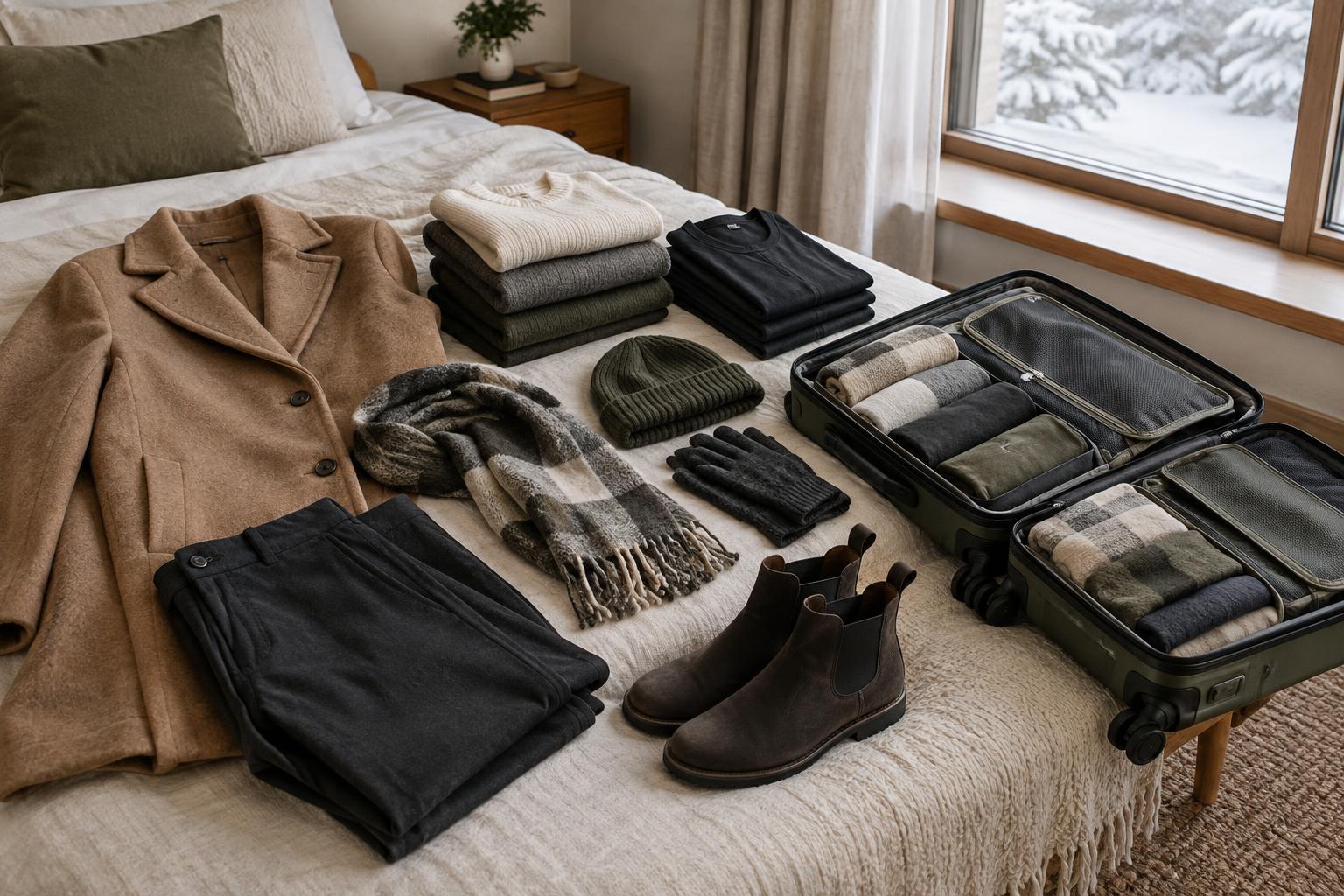
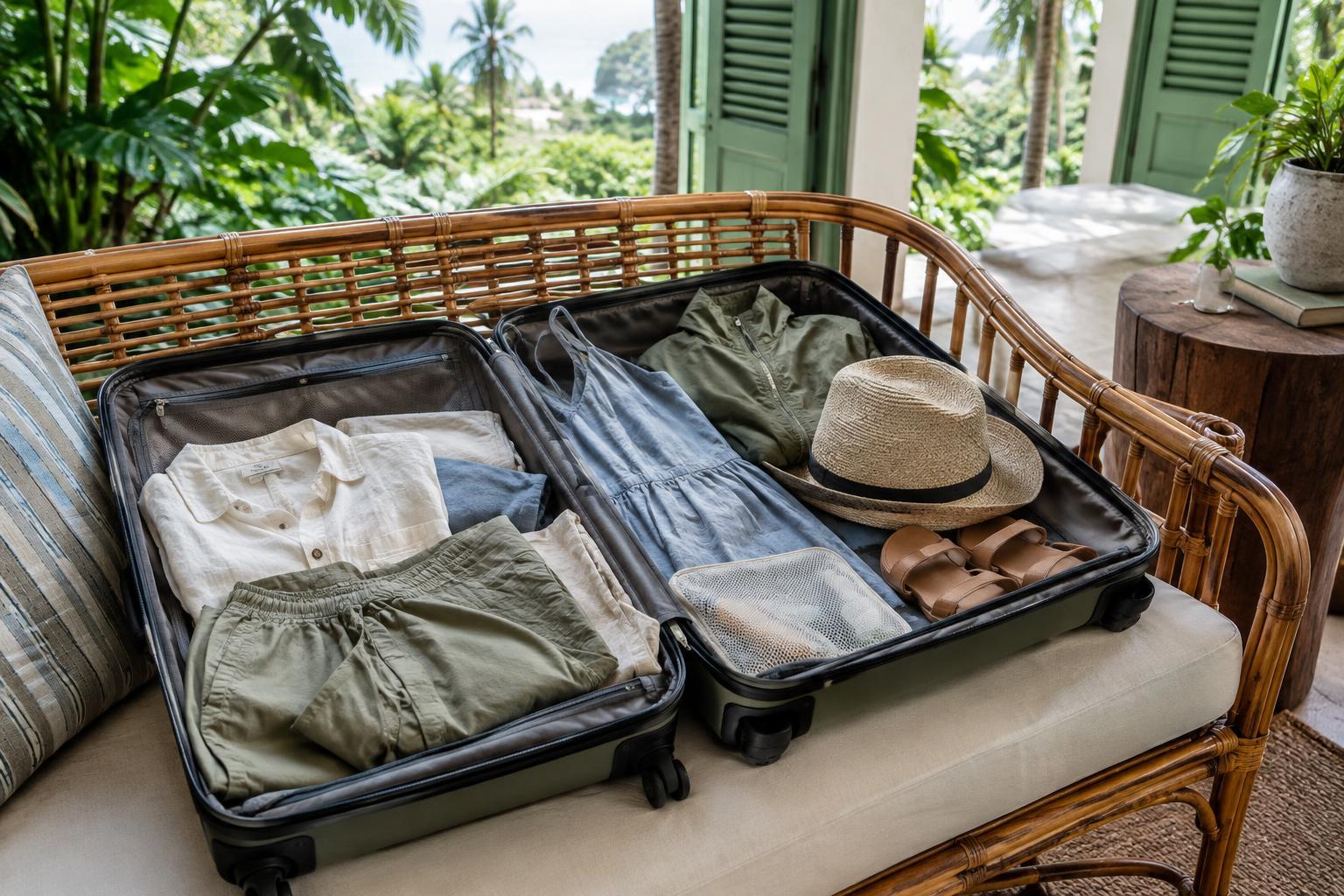
When a trip begins in a chilly morning and continues into a warm afternoon, it is tempting to dress for the first hour. That often leaves you carrying a bulky outfit for the rest of the day. Instead, choose a base outfit you would be comfortable wearing at the warmest point: perhaps a T-shirt and relaxed trousers, or a light dress with comfortable shoes. Then add removable layers for the cooler hours.
Think through your actual plans before packing. A morning spent outside may call for more coverage than a short walk from your accommodation to a café. A breezy waterfront can feel different from a sheltered street. You do not need a separate outfit for every possibility, but you do need pieces that can be adjusted without changing clothes.
Build three layers with different jobs
A useful travel outfit has a breathable base, a middle layer for warmth and an outer layer for wind or light rain when needed. The base could be a cotton T-shirt, a lightweight long-sleeved top or another fabric that feels comfortable against your skin. Choose one you are happy to wear on its own; otherwise, you may hesitate to remove the layers above it when the afternoon warms up.
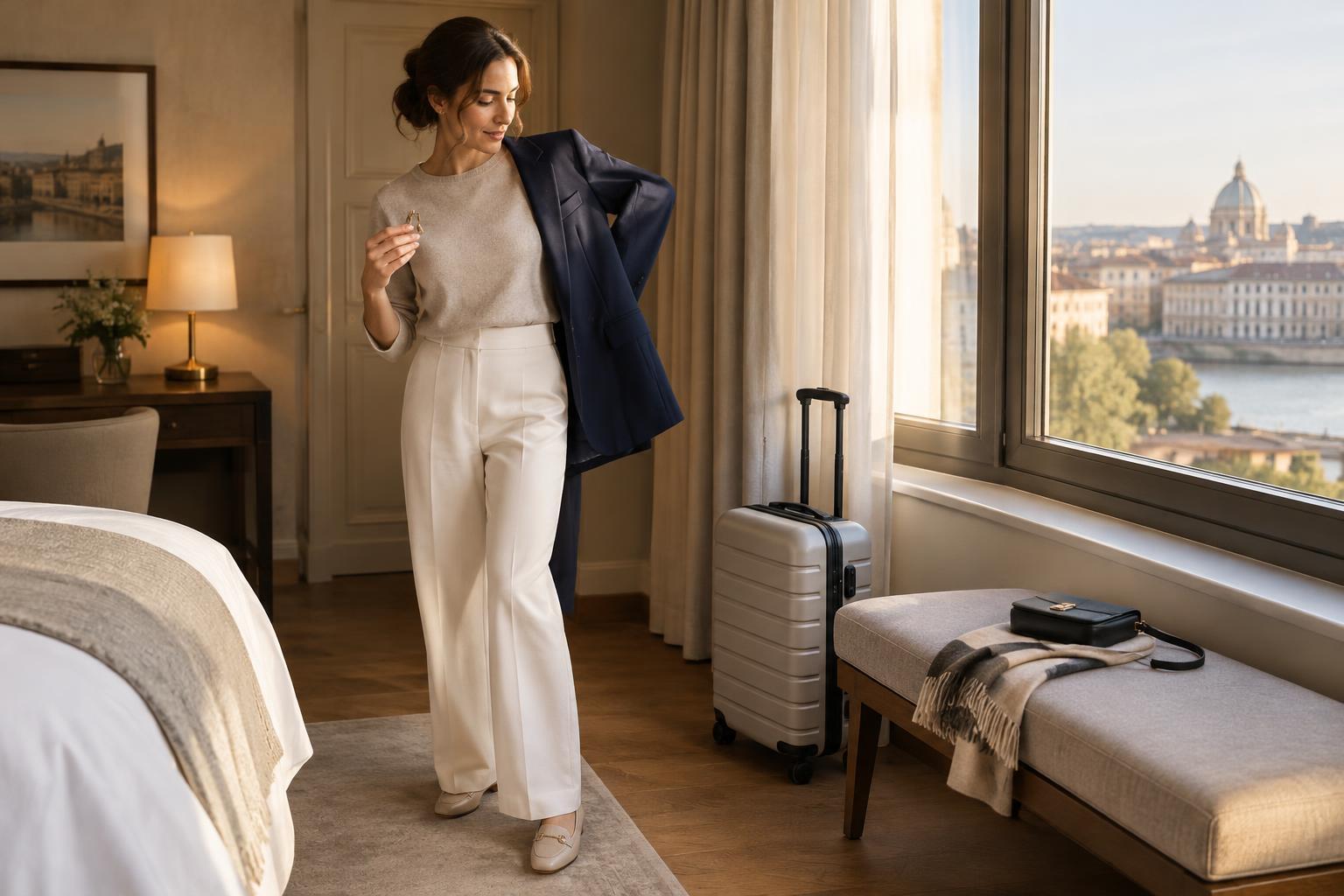
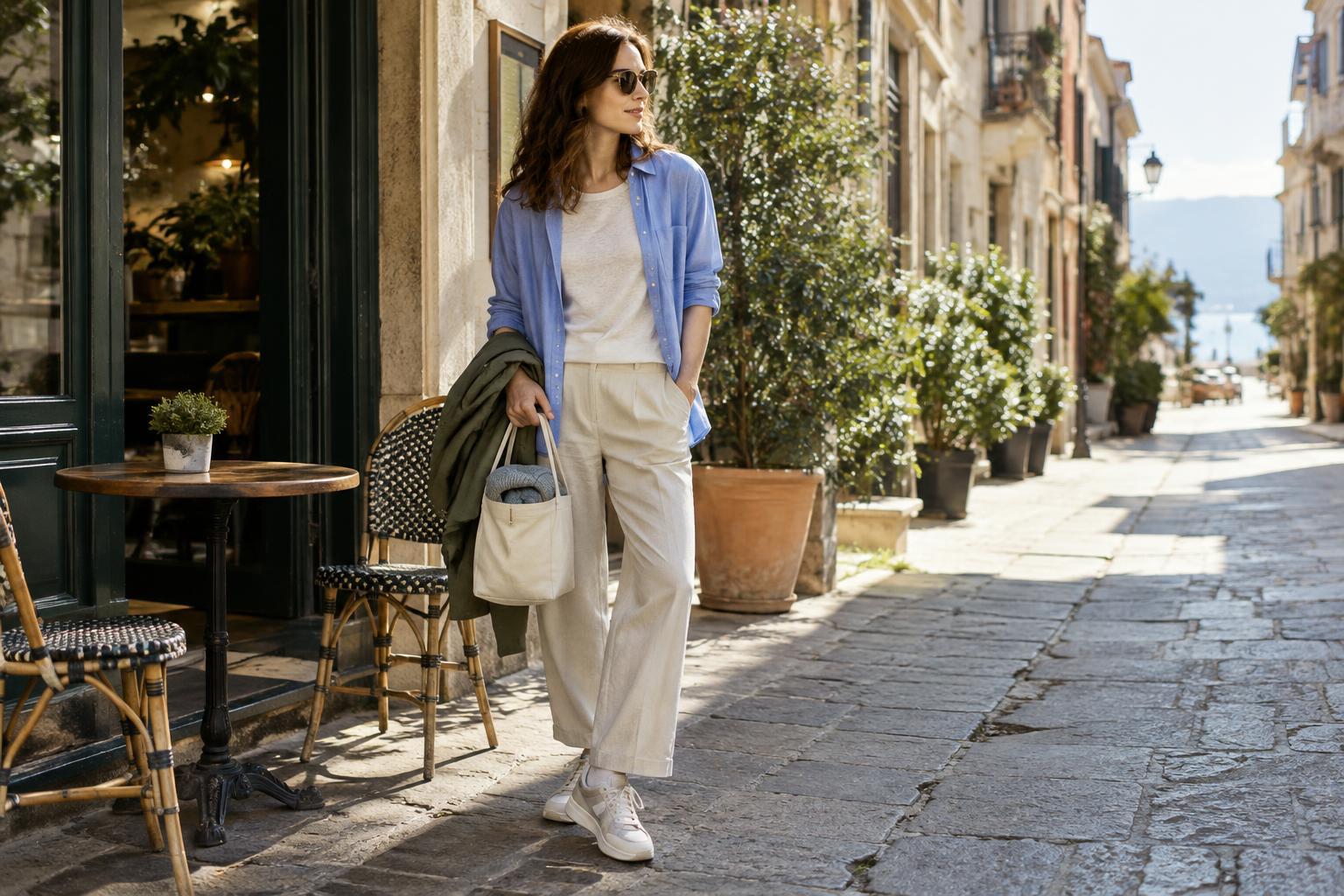
For the middle layer, try an open shirt, fine-knit cardigan or light sweater. An open shirt is especially flexible: wear it buttoned in the morning, open over a top later, or take it off entirely. The outer layer might be a lightweight jacket that has room for the middle layer underneath. Check that you can move your arms comfortably when everything is on, rather than assuming three individually well-fitting pieces will work together.
Choose fabrics and shapes you can manage on the move
Weight is only one consideration. A thick layer can be pleasant in the morning but awkward to carry at lunchtime. Look for pieces that fold without taking over your day bag or that you can comfortably wear open. Fabrics that dry reasonably well after a wash can also make a small travel wardrobe easier to reuse. If creases bother you, test how an item looks after it has been folded for a few hours before relying on it for a trip.
Keep the fit of each layer in mind. A close-fitting top sits neatly under an overshirt, while a slightly roomier jacket goes over both without pulling. Wide sleeves under narrow sleeves may bunch up, even if the fabrics are light. Try the full combination at home, including any bag straps: a crossbody bag or backpack can make repeated jacket removal less convenient than it sounds.
Make every layer belong to the outfit
A compact travel wardrobe works best when removing a layer does not leave the outfit looking unfinished. One straightforward approach is to choose a small color palette: for example, navy trousers, a cream top, a blue shirt and a neutral jacket. Each piece can be worn with the others, and the shirt can double as a layer for another outfit. You can add a brighter color through a scarf, cap or bag if you want more contrast.
Accessories can handle small changes without adding another garment. Sunglasses and a cap may be more useful in a sunny afternoon than the scarf you wore at breakfast. A light scarf can provide a little coverage early on and tuck into a bag later. Choose shoes for the walking you expect to do across the whole day, not just for how they look with the morning version of the outfit.
Plan where the layers will go
Before leaving, decide how you will carry anything you take off. A small tote or day bag with room for a folded shirt or jacket makes layering much less of a chore. If a jacket is too bulky for the bag, consider whether you would be comfortable wearing it open during the warmer hours. Avoid tying several pieces around your waist if you know that will annoy you while sightseeing or sitting down.
A simple daily check can help: start with the base outfit, add only the warmth you expect to need, and leave space for removed layers. If conditions are uncertain, prioritize the piece that offers the most flexibility rather than packing multiple items that do the same job. The aim is not to predict every temperature change perfectly. It is to stay comfortable while keeping your hands, bag and travel wardrobe manageable.