Start with the accessories you reach for now
A useful accessory system begins with your routine, not with a set of matching containers. Gather the pieces you use regularly and notice where you take them off. Earrings might land beside a mirror, while a belt ends up over a chair. Those habits show you where accessible storage would help most.
Sort your accessories into three groups: worn often, worn occasionally and not currently in use. You do not need to make permanent decisions about every piece. The aim is to give everyday items the easiest spots to reach, while keeping occasion-specific pieces together so they can be found when needed. If you want more ideas for building an accessory collection, browse Accessories · Jarlzy Style alongside your own wardrobe review.
Give each type of accessory a practical home
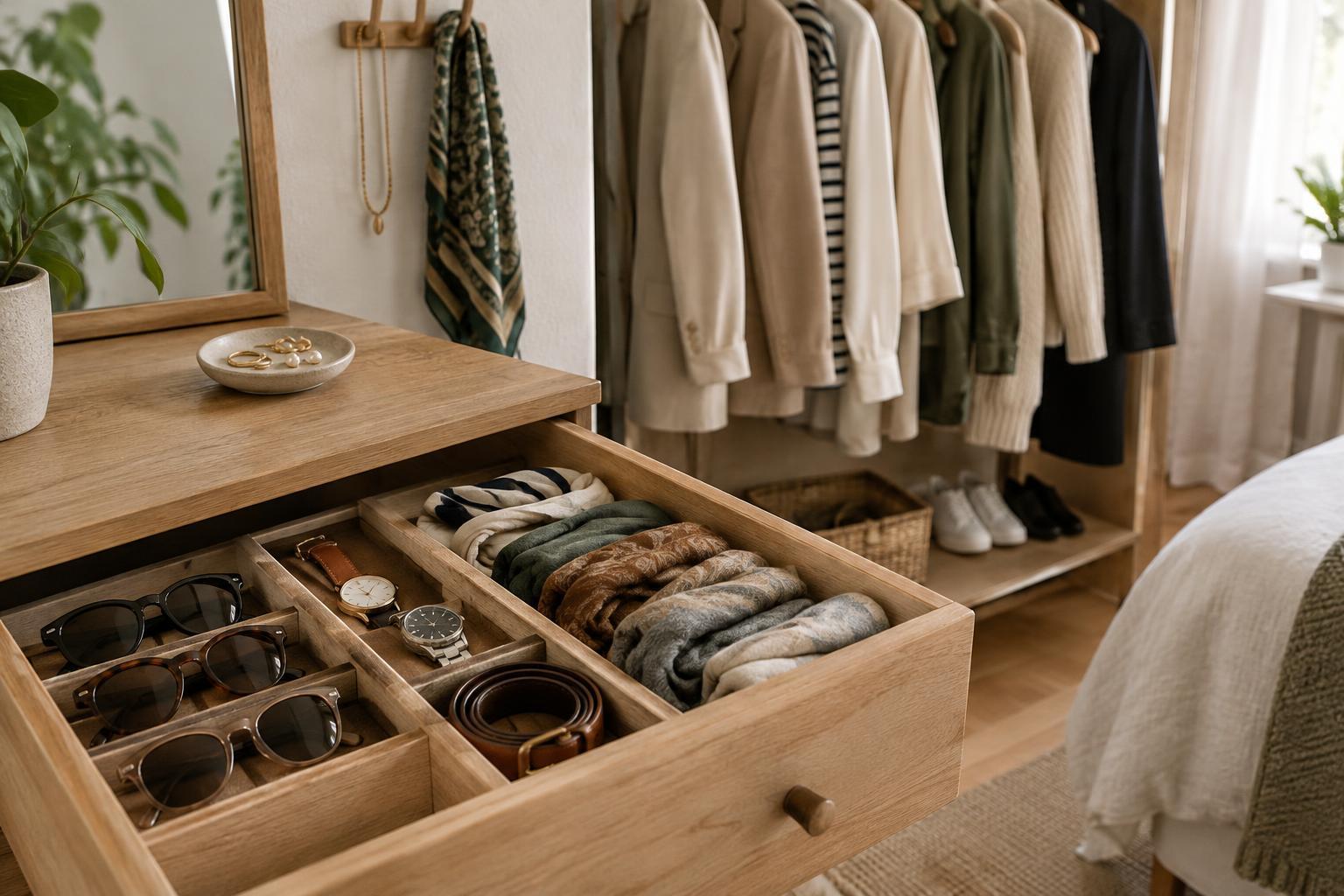
Small items benefit from separation. A shallow tray or divided box keeps rings, earrings and watches visible without leaving them in a pile. Leave enough space that you can pick up one item without disturbing the rest. For delicate chains, individual compartments or hooks can help prevent tangles. Fasten necklaces before putting them away if loose ends tend to catch on neighboring pieces.
Scarves, belts and bags need different solutions. Fold scarves loosely in a drawer if you want to see them at a glance; hang them if drawer space is scarce. Roll or hang belts rather than burying them under clothes. Give everyday bags an easy-to-reach shelf or hook, but check that a hook does not strain a handle over time. Store anything that can be crushed or snagged with enough room to keep its shape.
Place the most-used pieces near the point where you finish getting dressed. This might mean a small tray by a mirror and a separate spot near the door for the bag you carry most days. Storage does not have to keep every accessory in one place; it has to make getting ready simpler.
Build a small rotation around real outfits
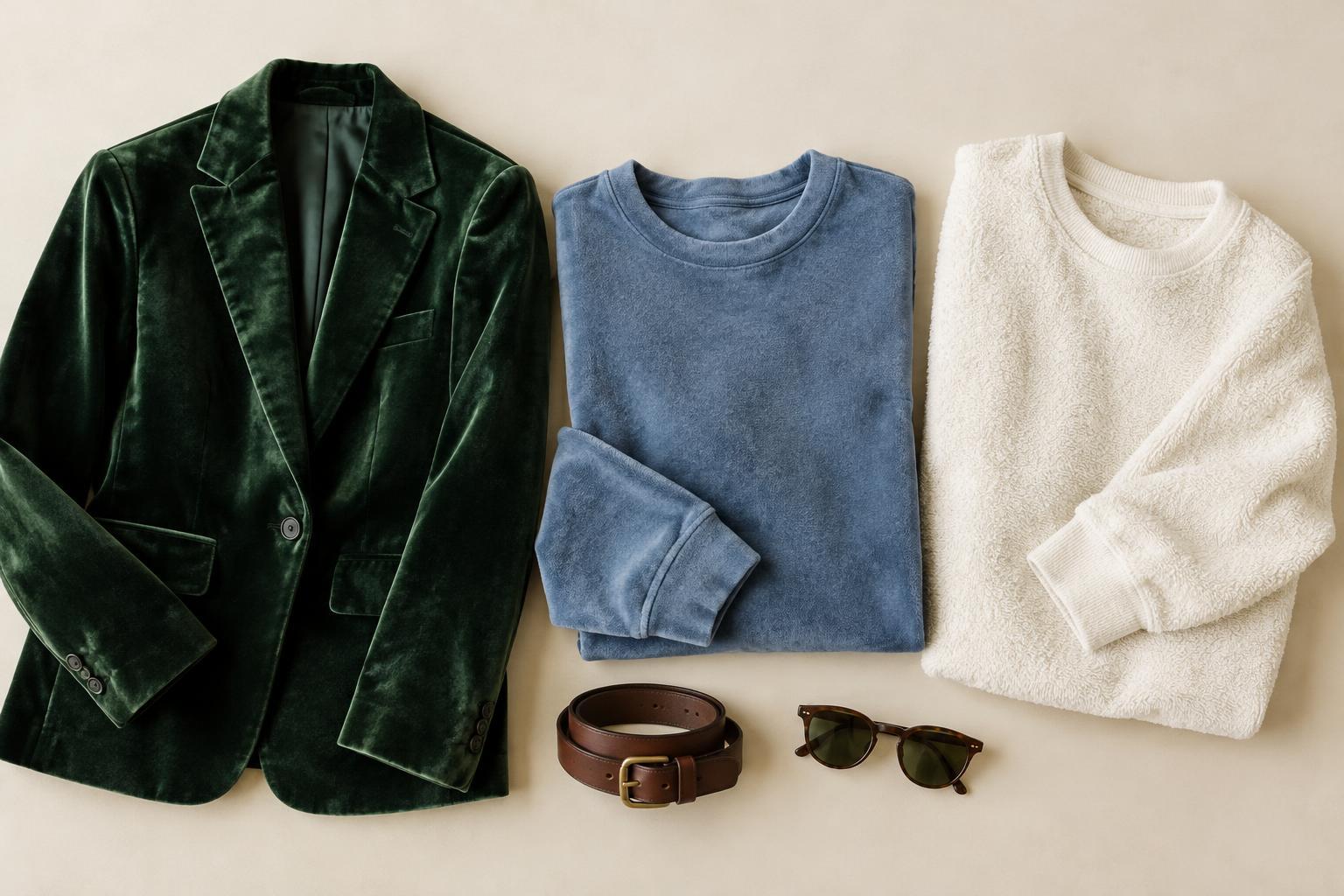
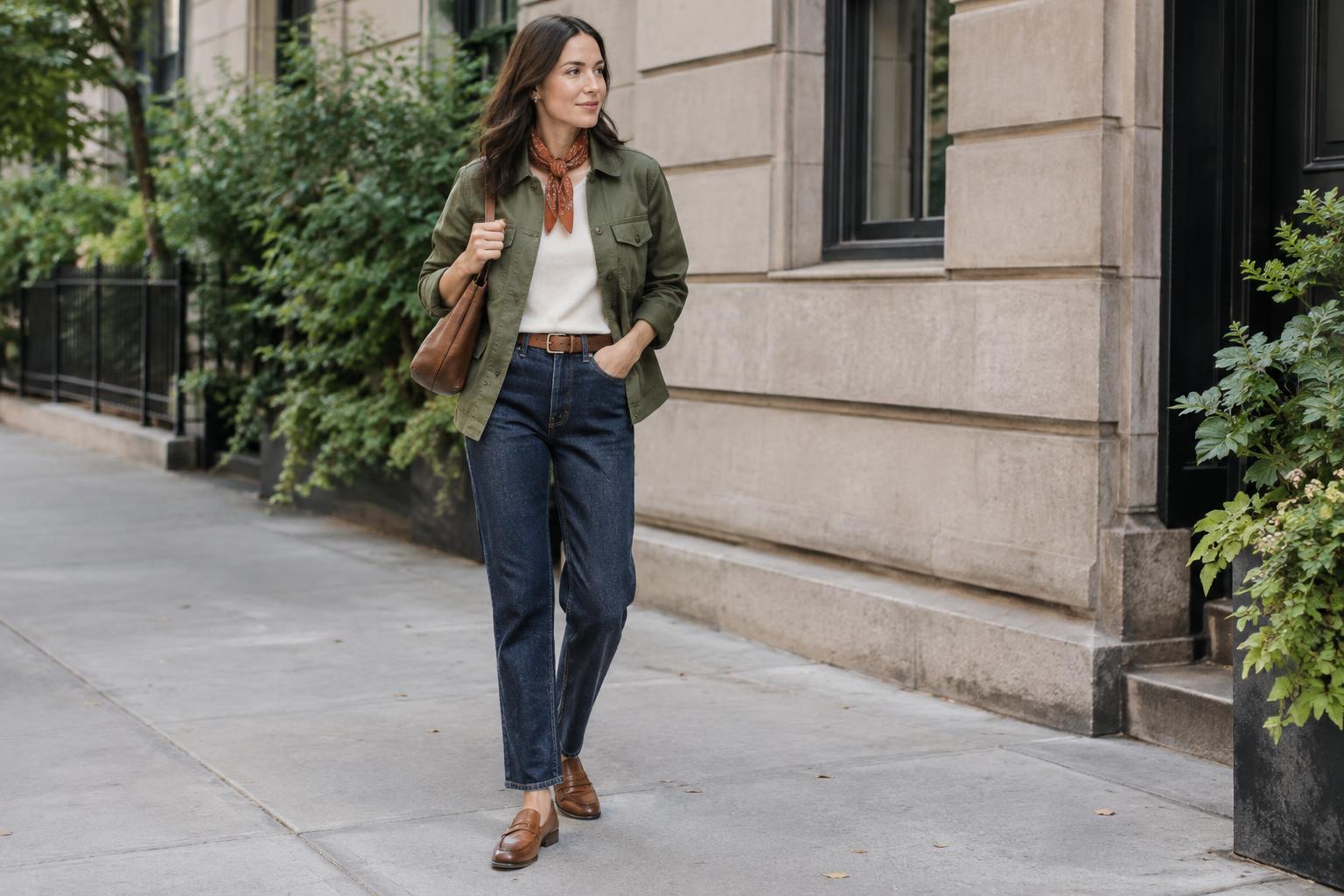
If you own several accessories but wear only one or two, try planning around outfits rather than choosing from the whole collection each morning. Pick three outfits you wear often, such as a workday combination, a relaxed weekend outfit and a slightly dressier look. For each one, choose an accessory that adds something useful: a belt that gives a loose layer shape, a scarf that adds color or a bag that holds what the day requires.
Keep those choices in an accessible area for a week or two. If a piece stays untouched, ask why. It may be uncomfortable, hard to fasten, too delicate for your routine or simply a poor match for the clothes you currently wear. Moving it back to occasional storage is not a failure; it makes room for pieces that serve you better.
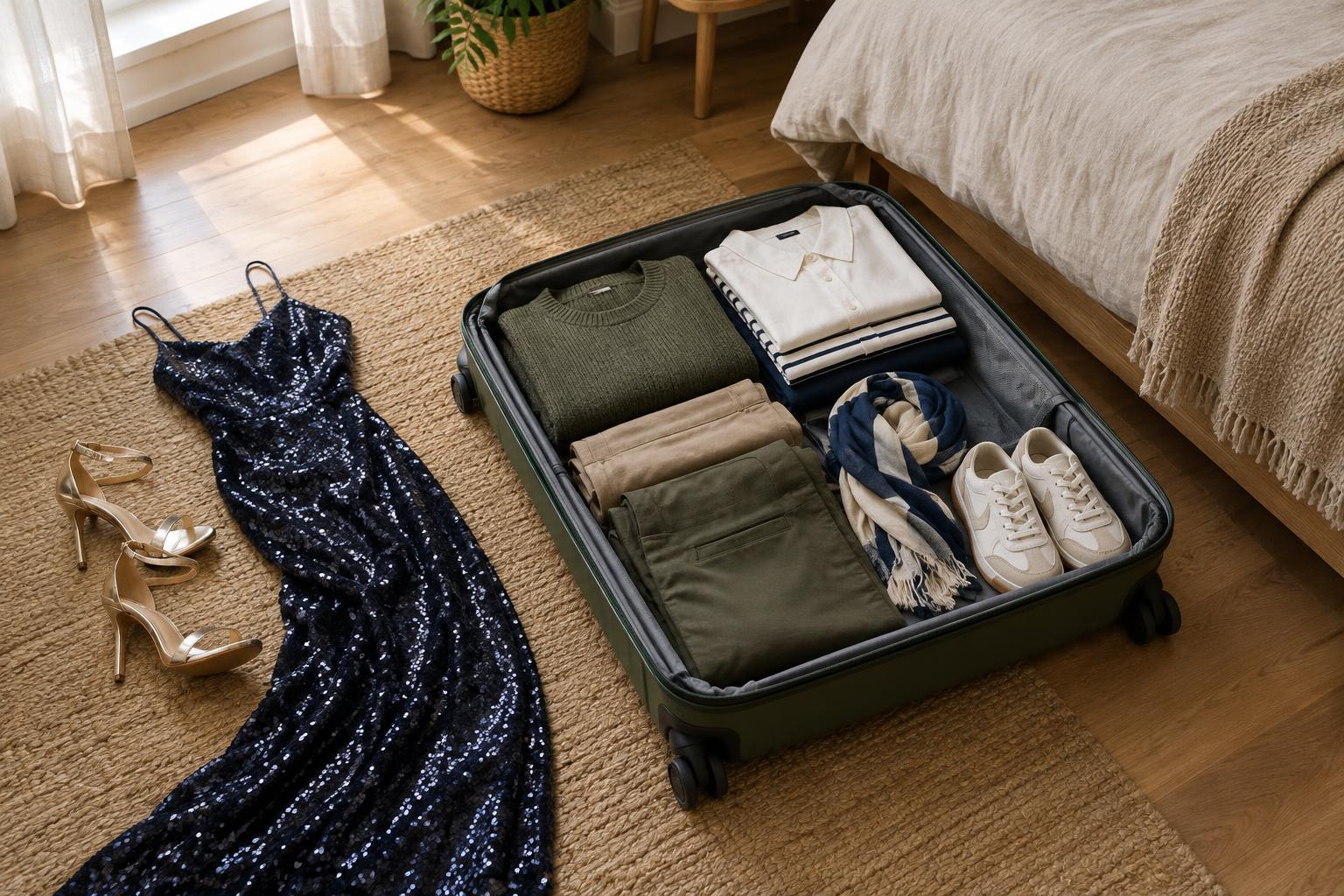
A rotation can change with your clothes. When outer layers or footwear change, review which bags, scarves and other accessories still feel useful. For more wardrobe-planning ideas as seasons shift, explore Seasonal Wardrobes · Jarlzy Style rather than trying to keep every accessory equally prominent all year.
Make putting things away part of getting dressed
Even a tidy setup becomes difficult to use if accessories never return to it. Give yourself a simple end-of-day step: empty the bag you are changing out of, place jewelry in its tray and return scarves or belts to their spots. A small dish for items you remove in a hurry can help, as long as you clear it regularly.
Use those moments to check condition, too. Let damp accessories dry before storing them, separate anything that might transfer color or catch on fabric, and address a loose clasp or damaged strap before it becomes easy to forget. Check care instructions or material-specific guidance when a piece needs cleaning; what is suitable for one material may not suit another.
The goal is not a display that always looks perfect. It is a system that lets you find what you like, notice what you use and get dressed without unnecessary searching. If you are looking for broader outfit inspiration while refining that routine, browse Jarlzy Style and bring the ideas that appeal to you back to the clothes you already own.