Start with the shape of your days
Before choosing clothes, picture a few typical days. You might spend a morning near the water, walk around town in the afternoon and go out for a casual dinner. Other days may involve sightseeing from the start, with no chance to change. Packing for those routines is more useful than packing a separate outfit for every possible activity.
Check the expected weather and think about how you will get around. Long walks call for different shoes than short trips from a hotel to the beach. A breezy evening may call for a light layer even when afternoons feel warm. If your plans include places with dress expectations, bring an outfit that suits them rather than assuming beachwear will work everywhere.
Build a small wardrobe that mixes easily
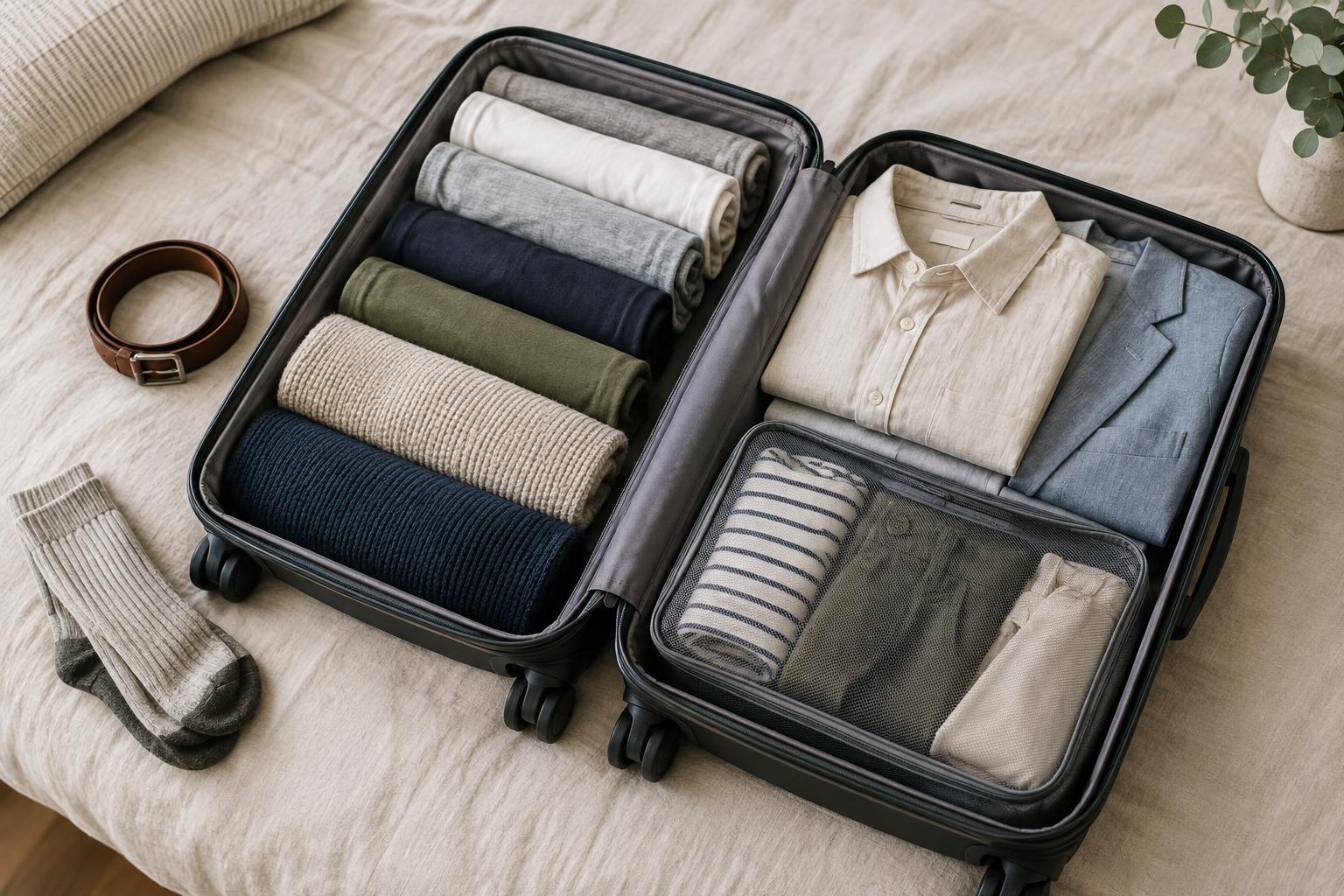
Choose a simple color palette so most tops and bottoms can be worn together. For example, navy shorts, light trousers and a printed skirt could work with white, blue and sand-colored tops. A print can add interest without making the wardrobe harder to combine if it shares colors with your plain pieces. Aim for outfits you would genuinely wear, not just combinations that look good laid out on a bed.
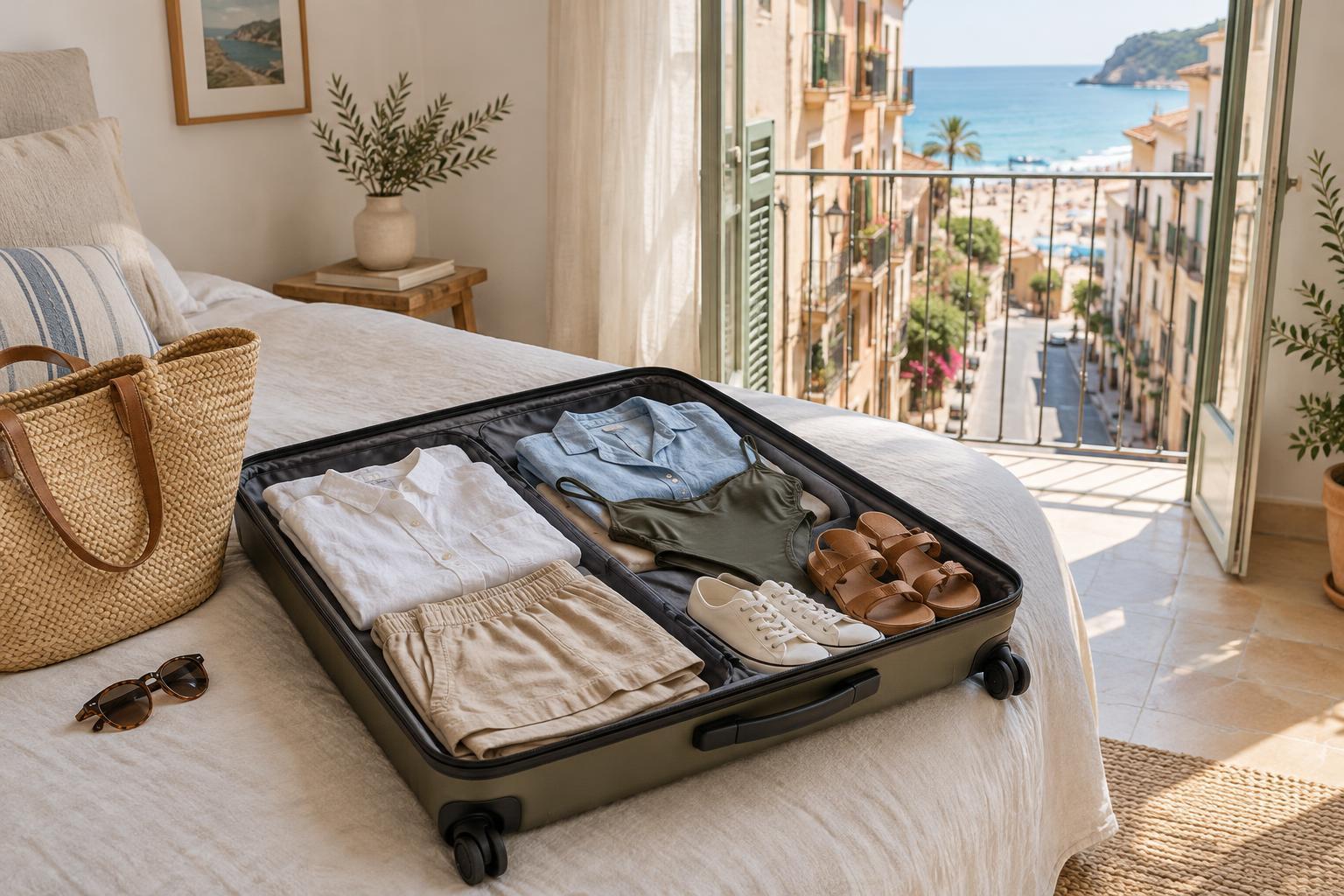
A practical starting point is a few breathable tops, two or three bottoms, one easy one-piece outfit if you like wearing dresses or jumpsuits, and a light overshirt or jacket. Adjust the number of pieces to your trip length and laundry options. An overshirt can provide coverage over swimwear, add a layer for an evening walk and make a simple top look more put together.
Fabric choice matters when clothes may be packed tightly or worn in warm weather. Lightweight cotton and linen can feel comfortable, though they may crease. Some blends resist creasing more readily. Rather than relying on a fabric label alone, consider how the garment feels, whether it needs special care and how it looks after being folded for a while.
Make beach-to-city changes simple
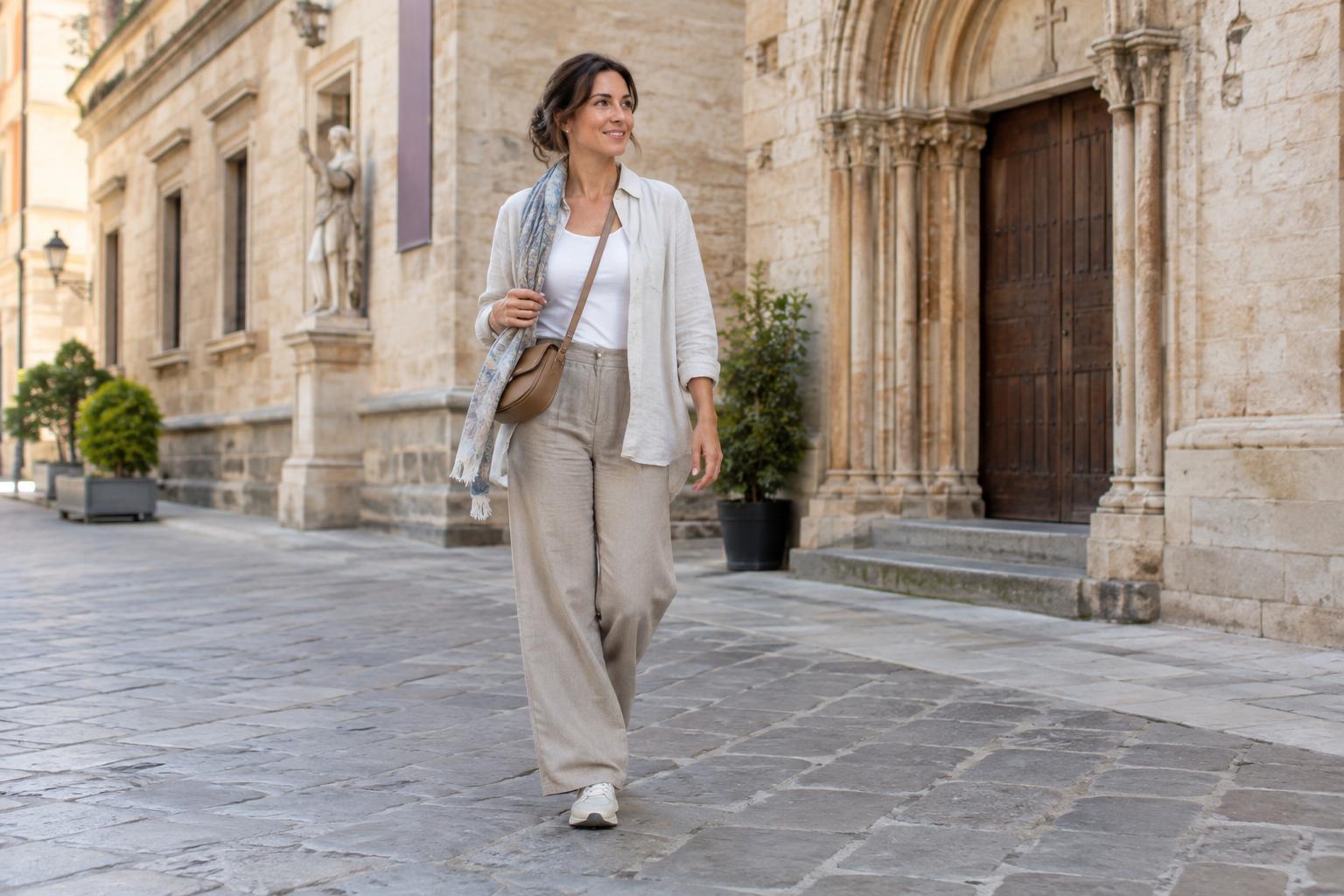
Keep your beach outfit and sightseeing outfit connected. A swimsuit worn under loose shorts and a shirt makes it easy to get to the water; after swimming, change out of damp swimwear before a long walk if you can. A dry top, lightweight trousers or skirt, and walking shoes can turn the same day into a comfortable city outing without requiring a complete second wardrobe.
Pack swimwear according to how often you expect to use it and whether it will have time to dry. A separate pouch helps keep damp items away from clean clothes on the way back from the beach, but unpack it promptly rather than leaving wet fabric sealed inside. A compact towel may be useful if one will not be provided where you are staying or swimming.
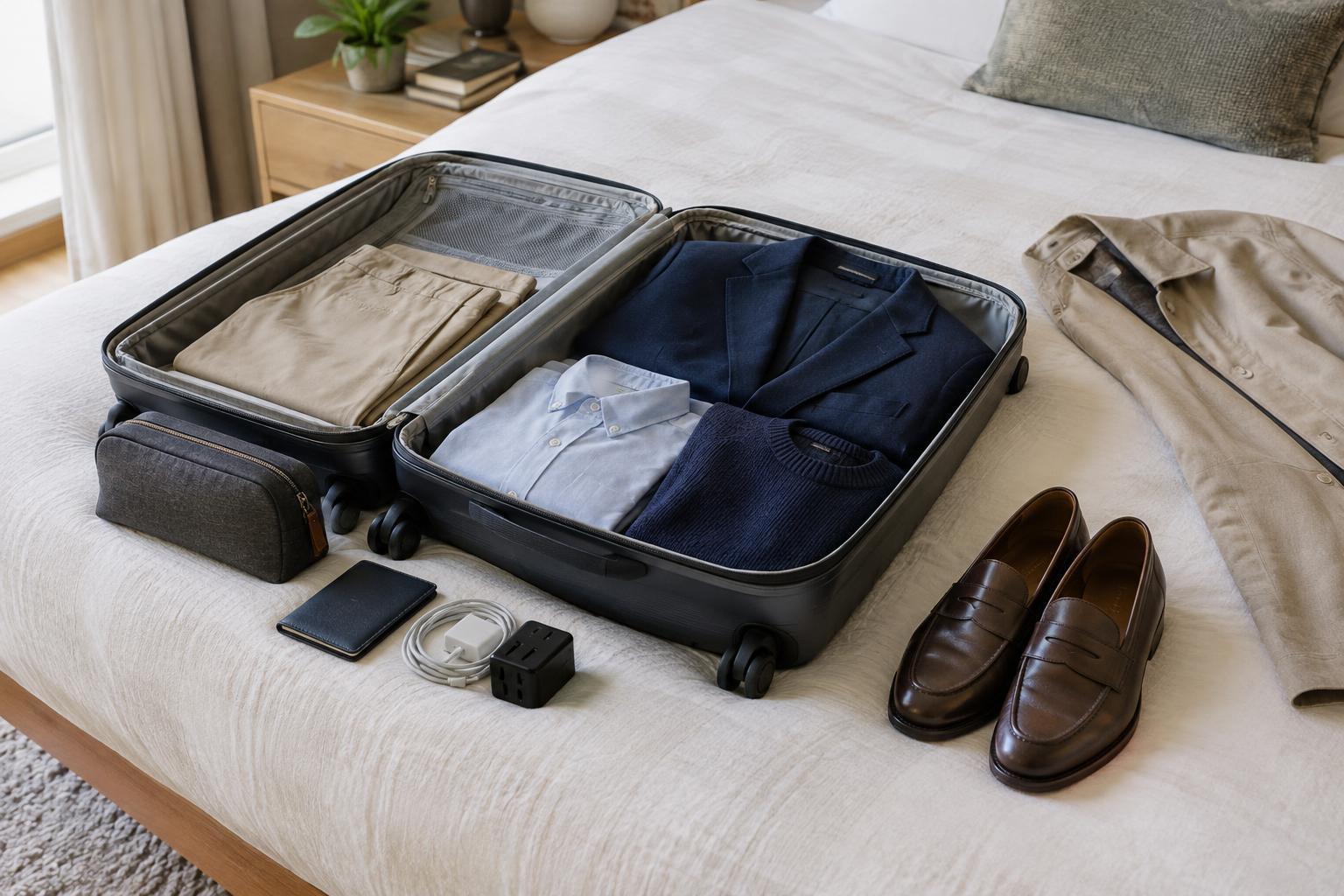
For an evening after sightseeing, small changes often do enough: switch a practical daytime top for a clean shirt, add an accessory or change into a different pair of shoes. The goal is not to make every beach item work for dinner. It is to bring a few flexible pieces that make changing plans easier.
Give shoes and accessories a job
Shoes can take up a surprising amount of bag space, so choose pairs with distinct uses. Comfortable walking shoes should be tested before the trip, not worn for the first time on a full sightseeing day. Sandals or water-friendly footwear can cover beach visits and short casual outings. Bring another pair only if your plans call for it; a lightweight option is easier to justify than a bulky one you might wear once.
A hat, sunglasses and a bag that keeps your hands free can serve both beach and city days. Think about what each bag needs to carry: a beach tote may have room for a towel, while a smaller crossbody or compact backpack can be more convenient on a walk. A reusable pouch for sandy items, a refillable water bottle and sun protection can help keep daily essentials organized.
Pack for the return journey, too
Lay out complete outfits before putting anything in your bag, then remove pieces that serve only one unlikely scenario. Wear your bulkiest shoes or layer in transit if that is comfortable. Keep items you may need soon after arrival, such as swimwear or a change of clothes, easy to reach.
During the trip, separate clean clothes from worn ones and let damp garments dry before packing them away. Shake sand from shoes, bags and towels before they go near the rest of your wardrobe. A little space left in your bag makes this easier and gives you room to repack without forcing everything into place. When each item has a clear role, a beach-and-city wardrobe can stay compact without making your days feel restricted.