Start with the time between washes
Instead of packing one outfit per day, estimate the longest stretch you expect to go without washing clothes. Think about where you will stay, whether laundry facilities are likely to be available, and how much time you can spare. A place with a washer makes a different packing plan possible from a series of short stays with no reliable laundry access. If your plans are uncertain, pack for a slightly longer stretch than you expect.
Count the items you prefer to change daily first, such as underwear and socks. Then consider which tops and bottoms you would feel comfortable wearing again. This gives you a more useful packing list than a fixed number of complete outfits: the same trousers might work with several tops, while a top worn on a hot day may need washing sooner.
Make laundry a part of the itinerary
Look for natural laundry pauses rather than waiting until everything is dirty. A longer stay in one place may give you time to wash, dry and repack without disrupting the day. If you expect to use a laundromat or a lodging laundry service, leave room in your schedule for it. Access alone is not enough if you will arrive late and leave early the next morning.
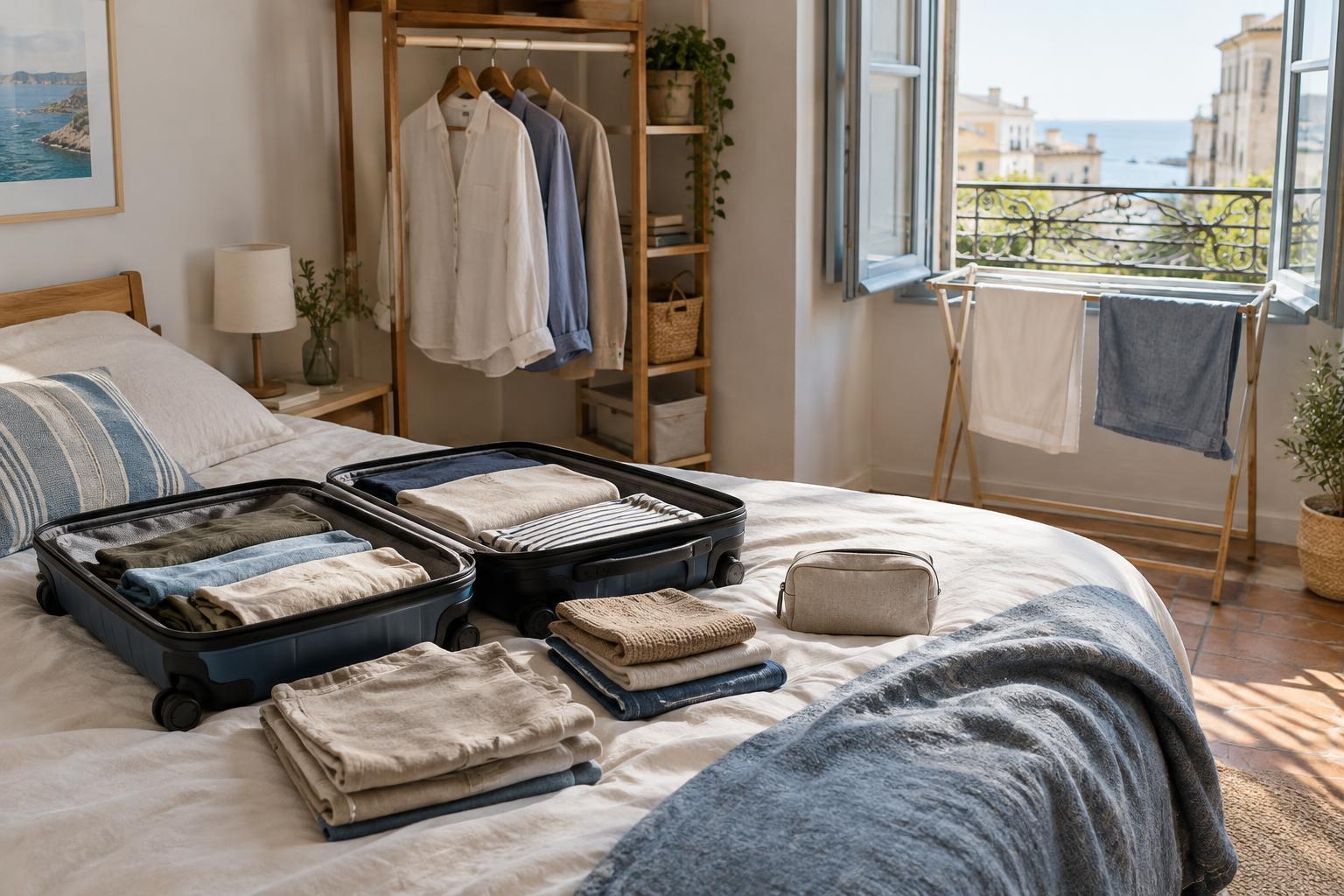
Drying time matters as much as washing time. A light top may dry quickly in a suitable space, while thick denim or a heavy sweatshirt can remain damp much longer. Before planning to wash something by hand, check its care label and consider whether you will have a place to hang it. If you will need to pack immediately after washing, choose another laundry day or keep a dry alternative ready.
Choose clothes you can comfortably rewear
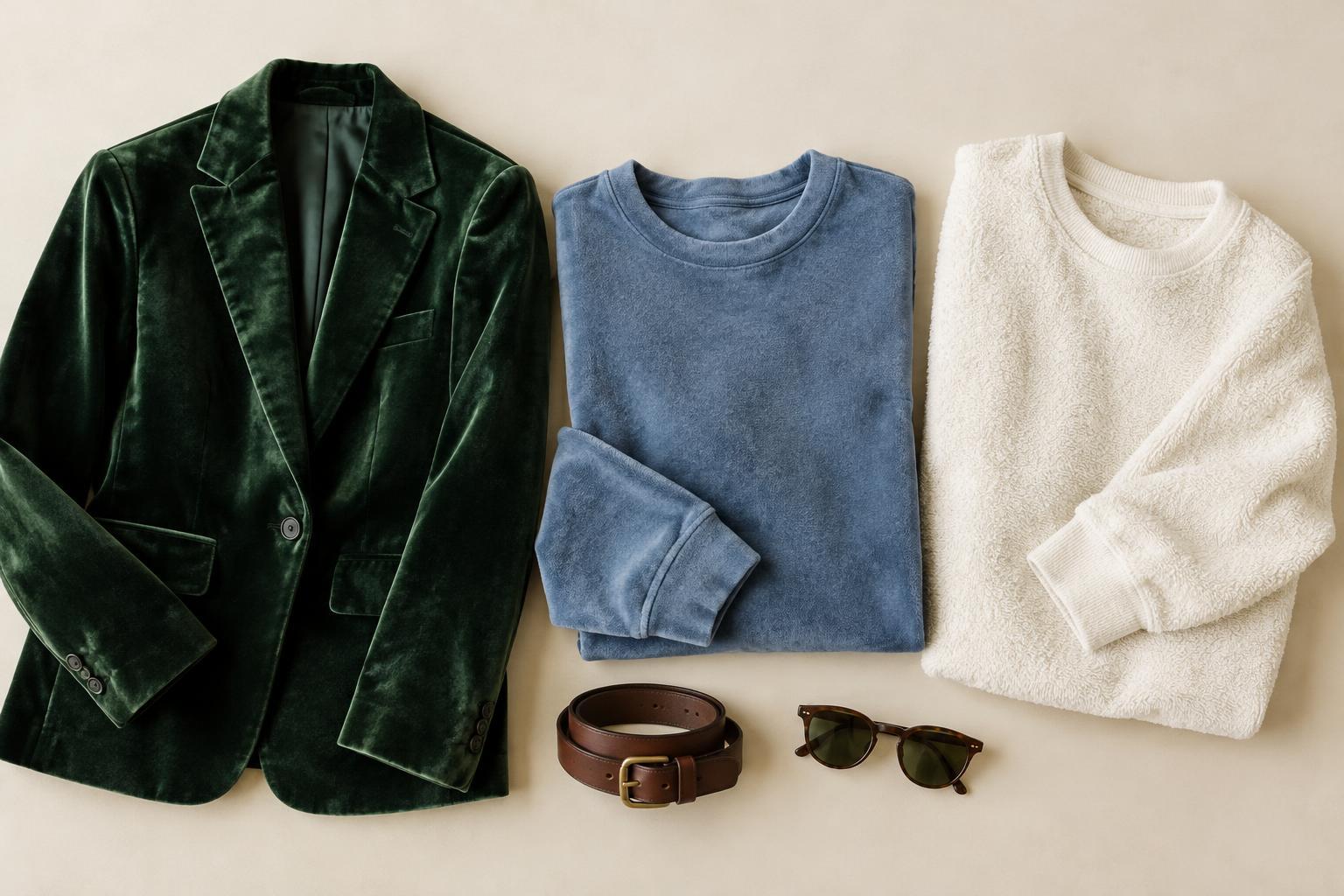
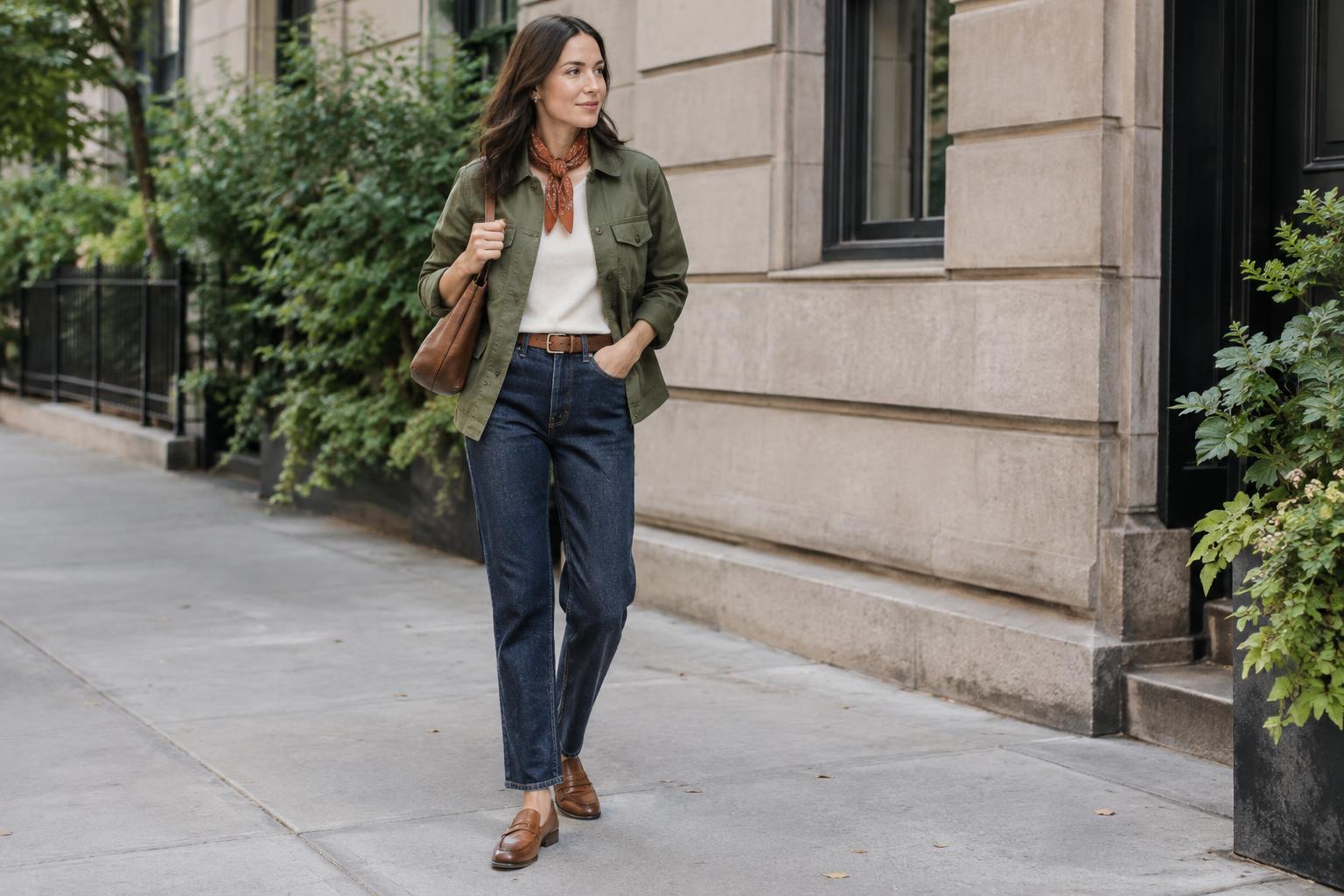
Build outfits around a small group of pieces that combine easily. For example, two bottoms in colors that work with most of your tops give you more options than two bottoms that each need a particular shirt. An overshirt, cardigan or light jacket can change an outfit without requiring another complete set of clothes. Rewearing becomes simpler when you are happy with several combinations, not just one planned look for each day.
Comfortable rewearing depends on the garment and how you use it. A layer worn over a clean top may stay wearable longer than a top against the skin. Clothes worn during a strenuous walk, in heat or around strong odors may need washing sooner. Let their condition guide you rather than following a strict rewear count. Airing a garment between wears and dealing promptly with a small mark can help you use it again when appropriate, but neither replaces washing when it is needed.
Pack for washing without overpacking
Keep clean and worn clothes separate so you can see what is still ready to wear. A washable laundry bag is useful, but any suitable bag you can close and carry will do. Avoid sealing damp items away for long periods; give them a chance to dry before packing them with the rest of your wardrobe.
If you plan to wash a few items yourself, check the care labels before departure. Not every fabric or garment is suited to the same treatment. A small amount of appropriate detergent may be helpful where permitted, though you can also decide to rely on available laundry facilities. The goal is to carry what supports your actual plan, not a collection of supplies for every possible situation.
Keep one clean option in reserve
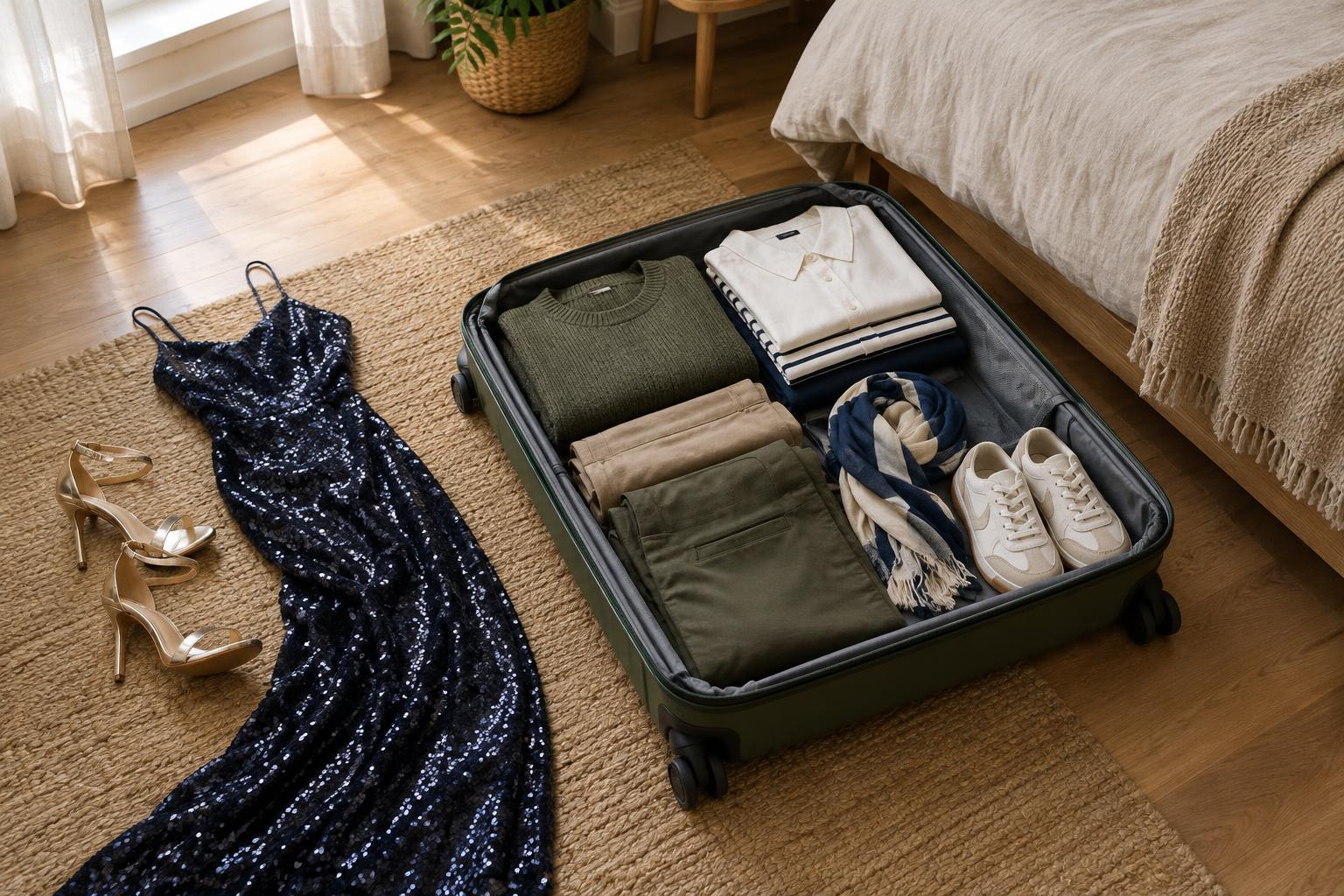
Leave a little room for delays, spills or a laundry stop that does not work out. A spare top and enough underwear to get through an extra day can provide flexibility without adding many complete outfits. If you have an event that requires particular clothes, set those items aside until you need them rather than counting on them for everyday wear.
Revisit your packing plan after a trip. Notice which clothes you washed often, which ones you rewore comfortably and which stayed untouched. Those observations can help you adjust the balance next time. A useful travel wardrobe is not the smallest one possible; it is one that lets you get dressed, wash clothes and change plans without making laundry the focus of the trip.