Build an outfit that can go both ways
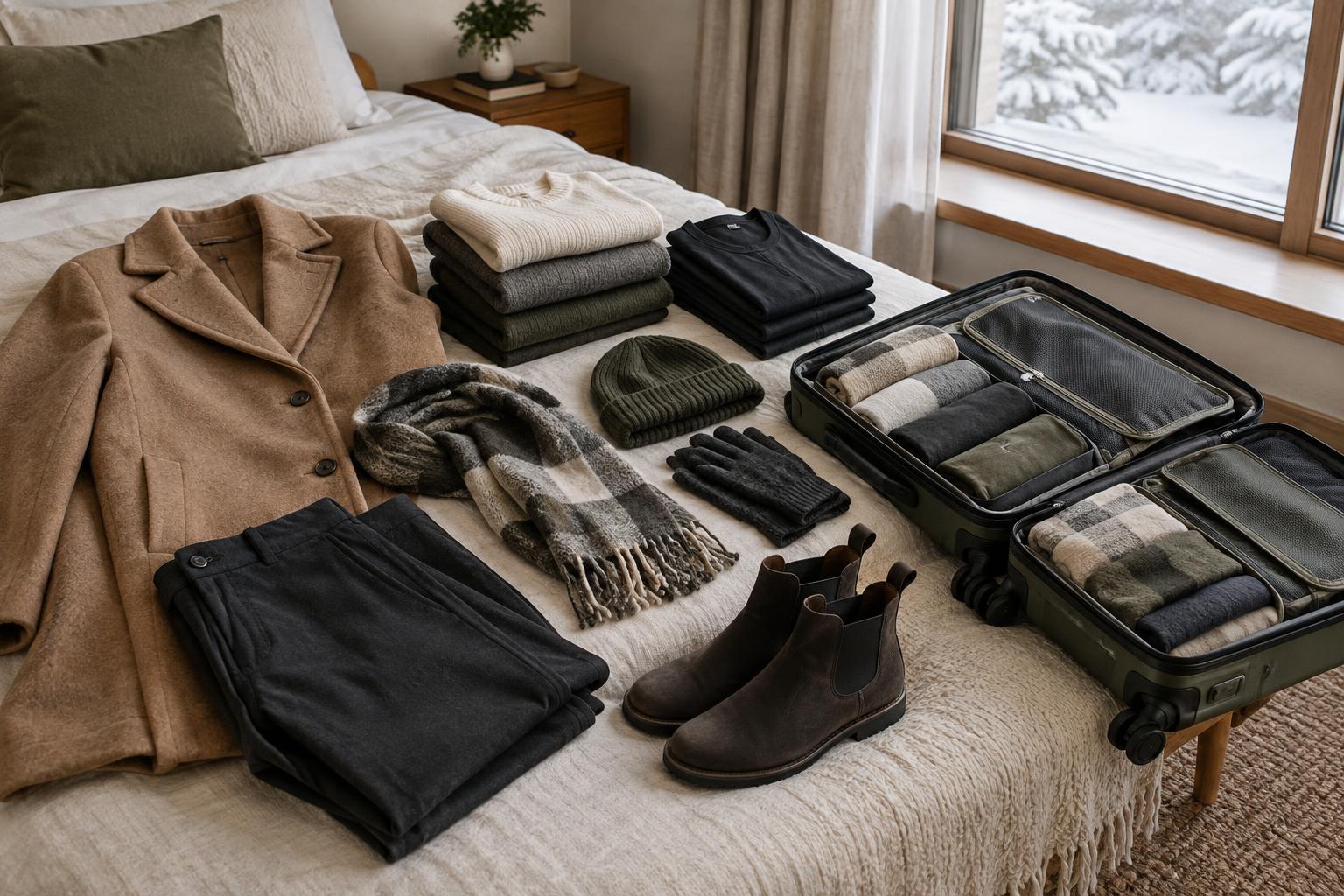
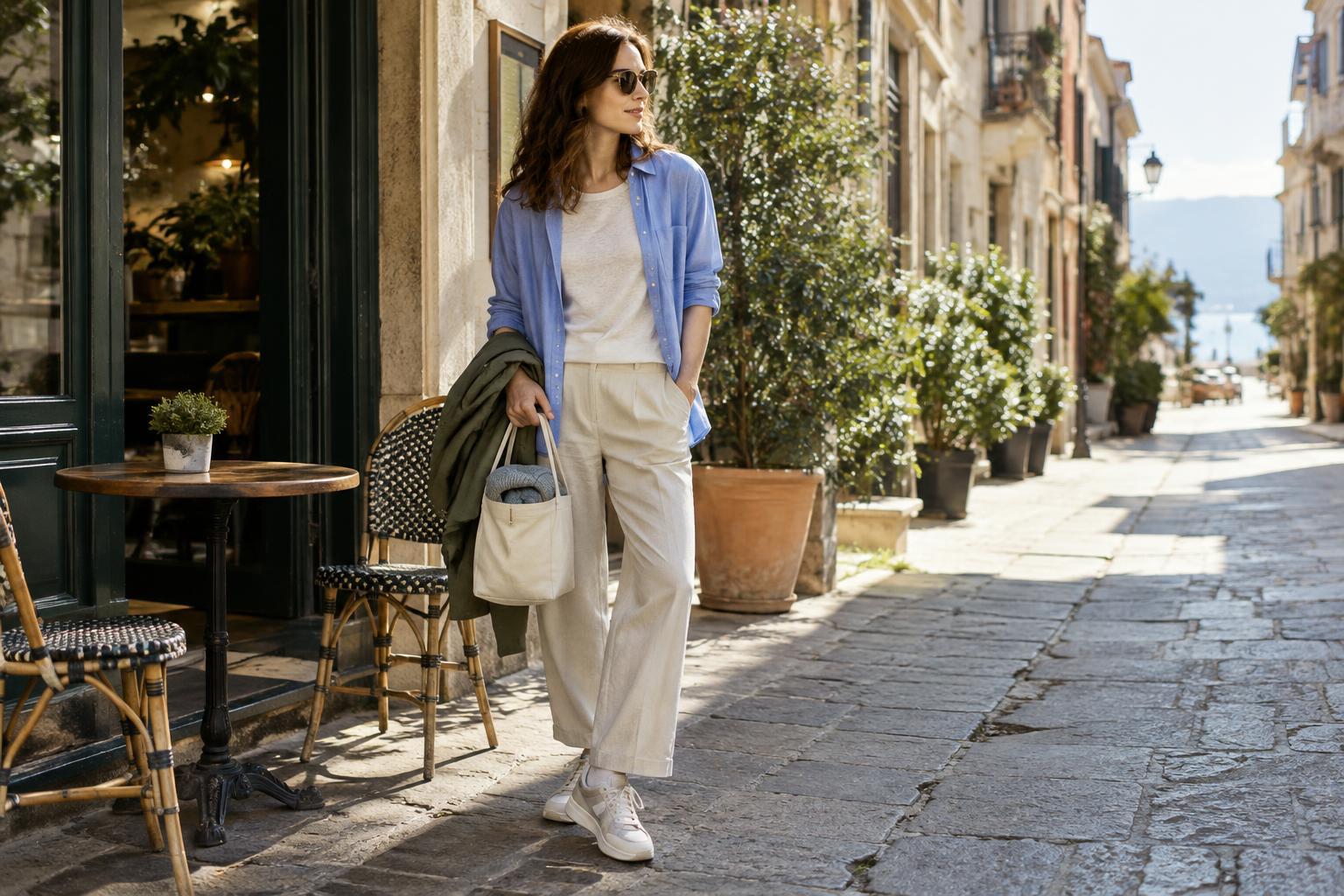
The easiest evening change begins before you leave your accommodation. Choose a daytime outfit that is comfortable enough for walking or sitting in transit but simple enough to dress up later. Straight-leg trousers, a relaxed midi skirt or dark, unfaded jeans can each provide a versatile base. Add a plain top that sits neatly under a layer. The aim is not to look dressed for dinner all day; it is to avoid pieces that are difficult to adapt, such as a top that only works with one particular jacket.
Keep the main pieces within a small color palette. For example, navy trousers, a cream top and a tan overshirt leave room for a scarf or bag to add color. A tonal outfit can also work: charcoal trousers and a gray knit become more deliberate when you add an accessory in burgundy or deep green. Choose colors you enjoy wearing rather than packing a separate outfit for every possible plan.
Let comfort and fabric do the groundwork
Travel days put clothes through repeated sitting, walking and temperature changes. A fabric that feels comfortable at the start of the day should still feel good after several hours. Knits and textured weaves can be forgiving of light creasing, while a structured cotton shirt or blazer may look sharp but need more attention when packed. Check how a garment behaves after you sit in it at home; that is more useful than judging it only on a hanger.
Think about shoes with the same care. If your daytime pair is clean, comfortable and suited to your evening destination, there may be no reason to change it. Simple leather sneakers, loafers or supportive flats can work across different plans, depending on where you are going. If you do pack a second pair, make sure the difference is worth the space. A compact pair of flats may be more useful than shoes you can wear only for a short walk.
Choose two or three extras that change the mood
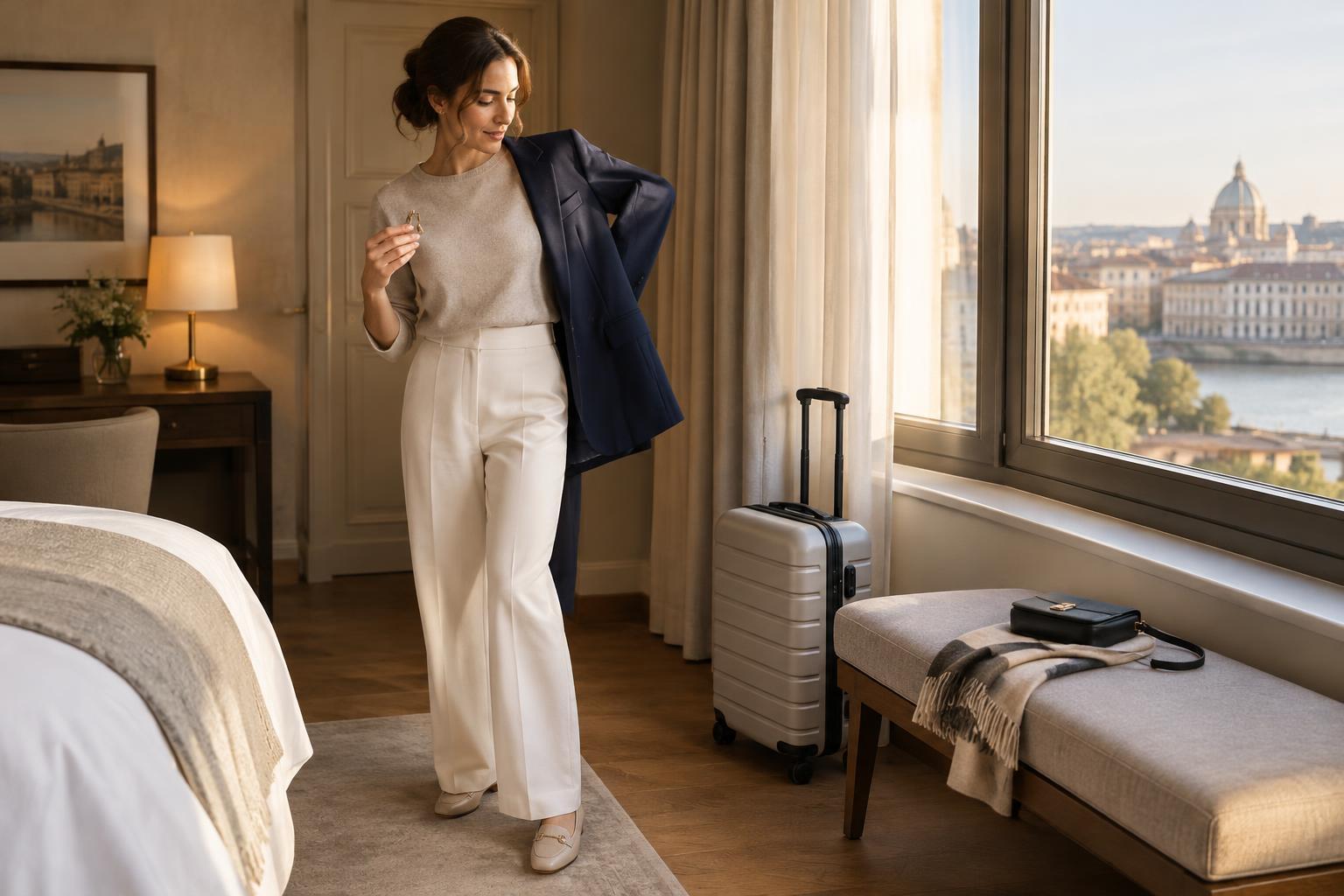
Small changes are often enough to make a familiar outfit feel ready for the evening. Swap a large day bag for a compact crossbody or pouch, add earrings or a watch, and change how you wear a scarf. These extras take little room and give the outfit a clearer focal point. You do not need all of them at once: one noticeable accessory against otherwise simple clothes can look more intentional than several competing pieces.
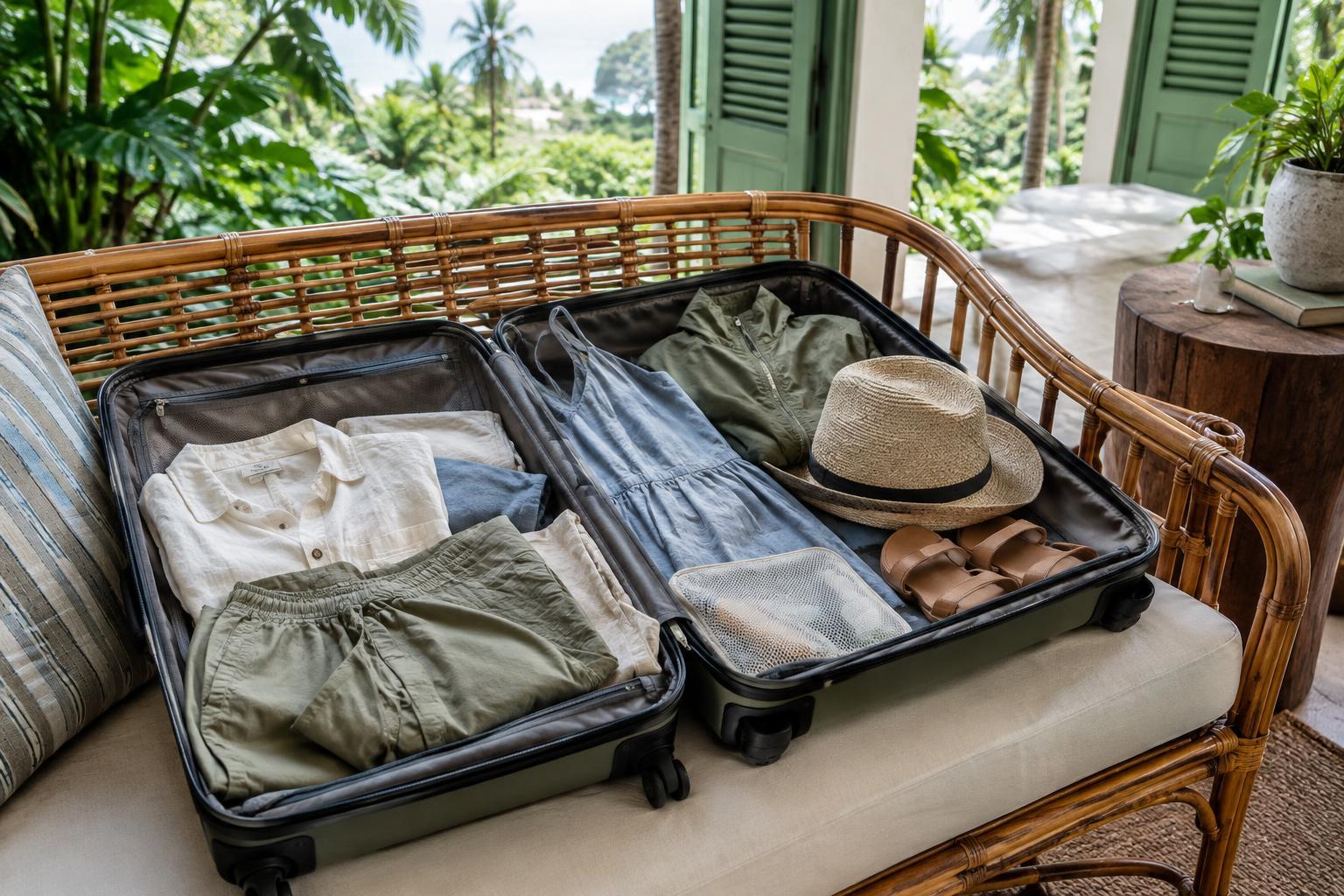
A layer can make a bigger difference if the weather and your plans allow for one. A soft blazer over a T-shirt, a neat cardigan in place of a casual overshirt, or an open button-up shirt over a simple tank can alter the shape of an outfit without changing its base. Pack the layer you are most likely to use during the day as well. That way it earns its place in your bag even if evening plans change.
Plan a quick reset, not a full change
After a day out, a few minutes of attention can do more than another outfit. Smooth or shake out your clothes, check for marks, and adjust a collar, cuff or hem that has shifted. If you have access to a room, hang a creased item while you get ready and follow its care label before attempting any treatment. A small lint brush or a clean cloth can be useful, but avoid rubbing a stain aggressively when you do not know how the fabric will react.
Then make one visible styling change. Tuck in the front of a top, fasten a cardigan differently or trade a practical daytime bag for a smaller one. These adjustments help distinguish the evening look without making you carry a second set of clothes. If you expect to go straight from sightseeing to dinner, keep the chosen extras together in an easy-to-reach pouch.
Match the change to the evening plan
An informal meal, a theater visit and a dressier reservation may call for different levels of polish. Consider the venue, the weather and how you will get there before deciding what to pack. For a casual dinner, clean shoes and a fresh-looking layer may be enough. For a more dressed-up setting, a neater base outfit and a compact accessory change offer more flexibility than hoping one decorative piece will transform very casual clothes.
A useful test is to lay out the complete daytime outfit and add only what you are willing to carry. If the evening version still feels comfortable, appropriate to your plans and like your own style, you have a workable travel outfit. If it does not, adjust the base before packing rather than adding more extras. The goal is to make the transition easy, so you can spend less time managing clothes and more time enjoying the trip.