What a mesh laundry bag can—and cannot—do
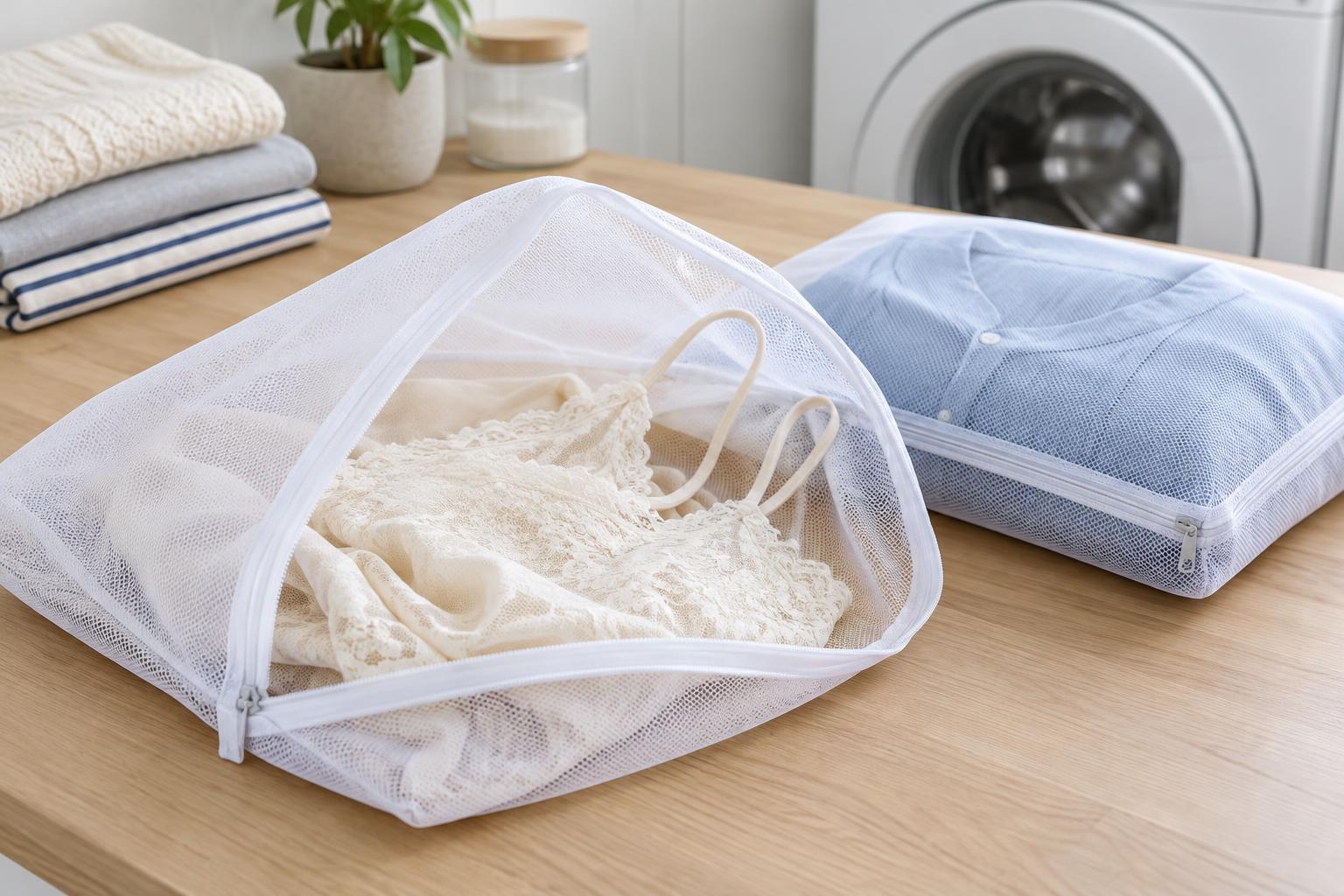
A mesh laundry bag creates a boundary between a garment and the rest of the wash. It can keep straps from winding around other clothes, reduce rubbing against rougher items and contain small pieces that might otherwise get lost. That makes it useful for lingerie, hosiery, lace-trimmed tops and other lightweight garments that are suitable for machine washing.
A bag does not turn a machine-washable item into a hand-wash-only item. It cannot prevent dye transfer, stop a fabric from shrinking in unsuitable water or heat, or make a harsh cycle gentle. Start with the care label. If it calls for hand washing or dry cleaning, follow that guidance rather than relying on a bag to compensate.
Choose a bag that suits the garment
Look for a bag with smooth, intact mesh and a closure that stays shut. A zipper should be covered or tucked away so its pull does not scrape other clothes. Fine mesh is a useful choice for hosiery and items with hooks, while a roomier bag gives a blouse or lightweight knit space to move. Check the seams occasionally: a torn bag can leave a delicate piece exposed halfway through the cycle.
Size matters as much as mesh. A small item in an oversized bag may still twist around itself, while a garment packed tightly into a tiny bag may not rinse well. Aim for enough room to move without leaving long straps loose inside. For several small items, use more than one bag instead of filling a single bag to capacity.
Prepare clothes before they go in
Empty pockets, fasten hooks and close zippers before loading a bag. Fastening a bra’s hooks, for example, helps keep them from catching on its lace or on another item. Turn embellished or printed garments inside out when their care instructions allow it. If a loose thread, damaged seam or unstable decoration is already visible, deal with it before washing; the bag will not repair weak spots.
Put one larger delicate garment in each bag. Smaller compatible pieces can share a bag if they are not crowded or likely to catch on one another. Keep colors sorted as you normally would: mesh lets water and dissolved dye pass through. It is also wise to keep delicate loads separate from heavy towels or clothes with abrasive hardware, even when the delicate pieces are bagged.
Pair the bag with a gentle wash
Select the water temperature and cycle indicated by each garment’s care label. Where the label allows options, a gentler cycle and lower spin can reduce unnecessary movement. Use an appropriate amount of detergent; extra detergent is not extra protection and may be harder to rinse away. Leave the machine enough space for water and clothes to circulate rather than packing the drum tightly.
If you are washing several delicate garments together, check that their care requirements match. A bag keeps items contained, but everything in the drum still shares the same water, detergent and cycle. When you are unsure whether a fragile piece can tolerate machine washing, choosing the more cautious method on its label is simpler than testing its limits.
Remove garments promptly and dry them with care
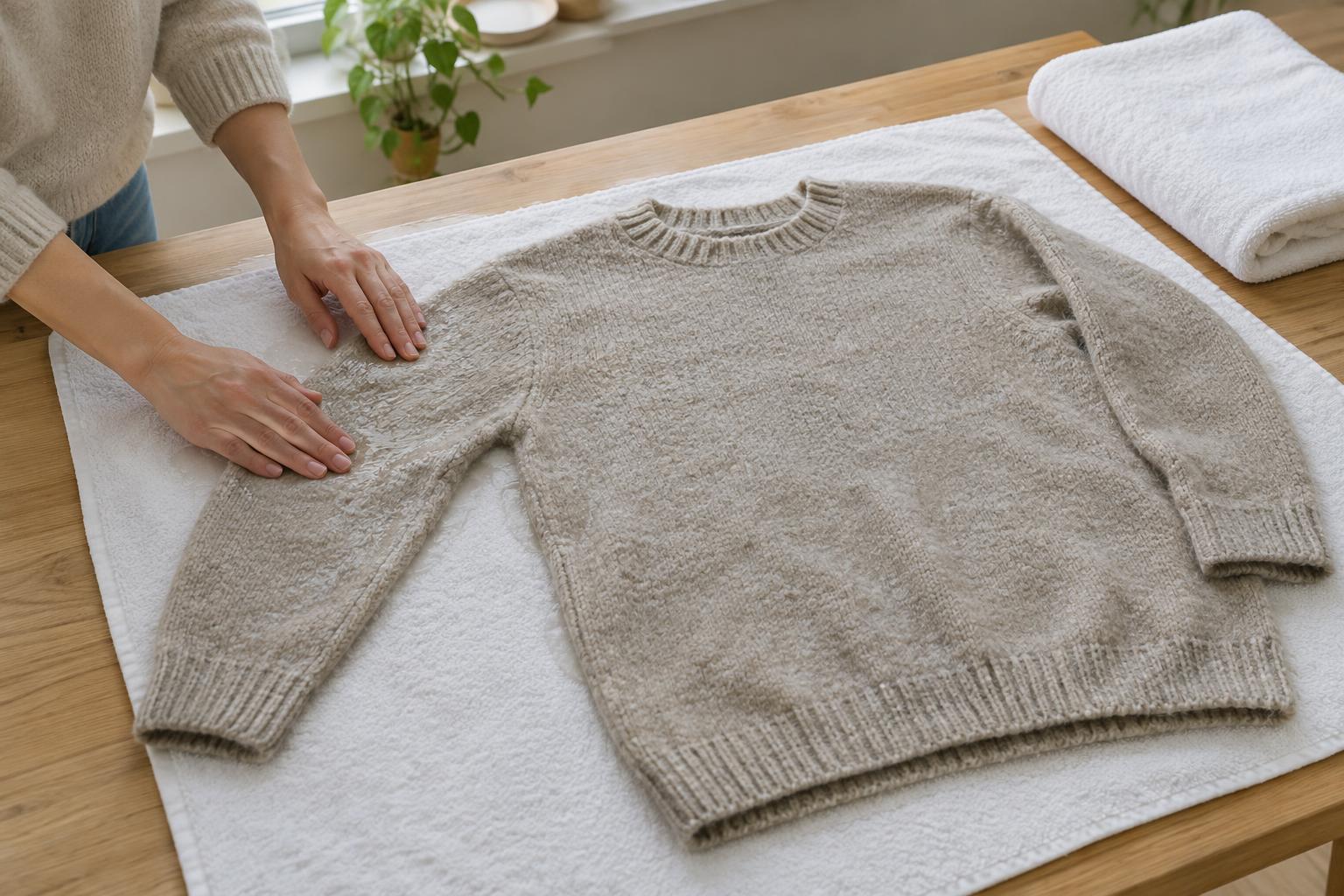
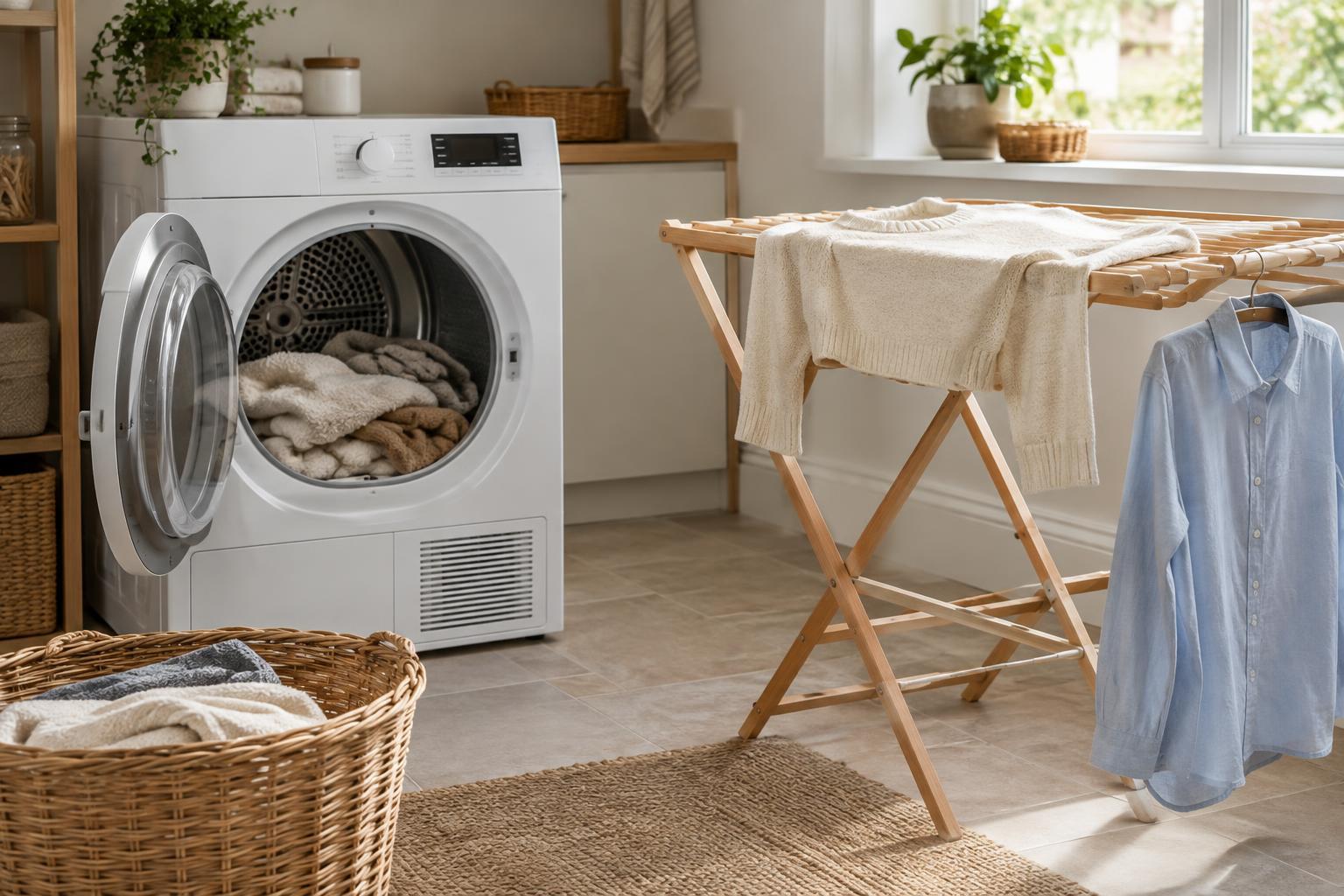
Take bags out when the wash ends and open them gently. Do not tug a wet garment by a strap or lace edge; support its weight as you lift it out. Reshape items while damp if their care instructions permit. Some lightweight pieces can hang to dry, while knits that might stretch under their own weight are often better laid flat. Use the garment’s drying instructions rather than assuming that every bagged item can go in a dryer.
Let the empty bag dry before storing it, and inspect its zipper and seams before the next load. Keeping a few bags in different sizes makes it easier to give each garment the right amount of space. Used this way, a mesh bag is a small part of a larger routine: careful sorting, a suitable cycle and thoughtful drying do the rest.