Give damp clothes room to breathe
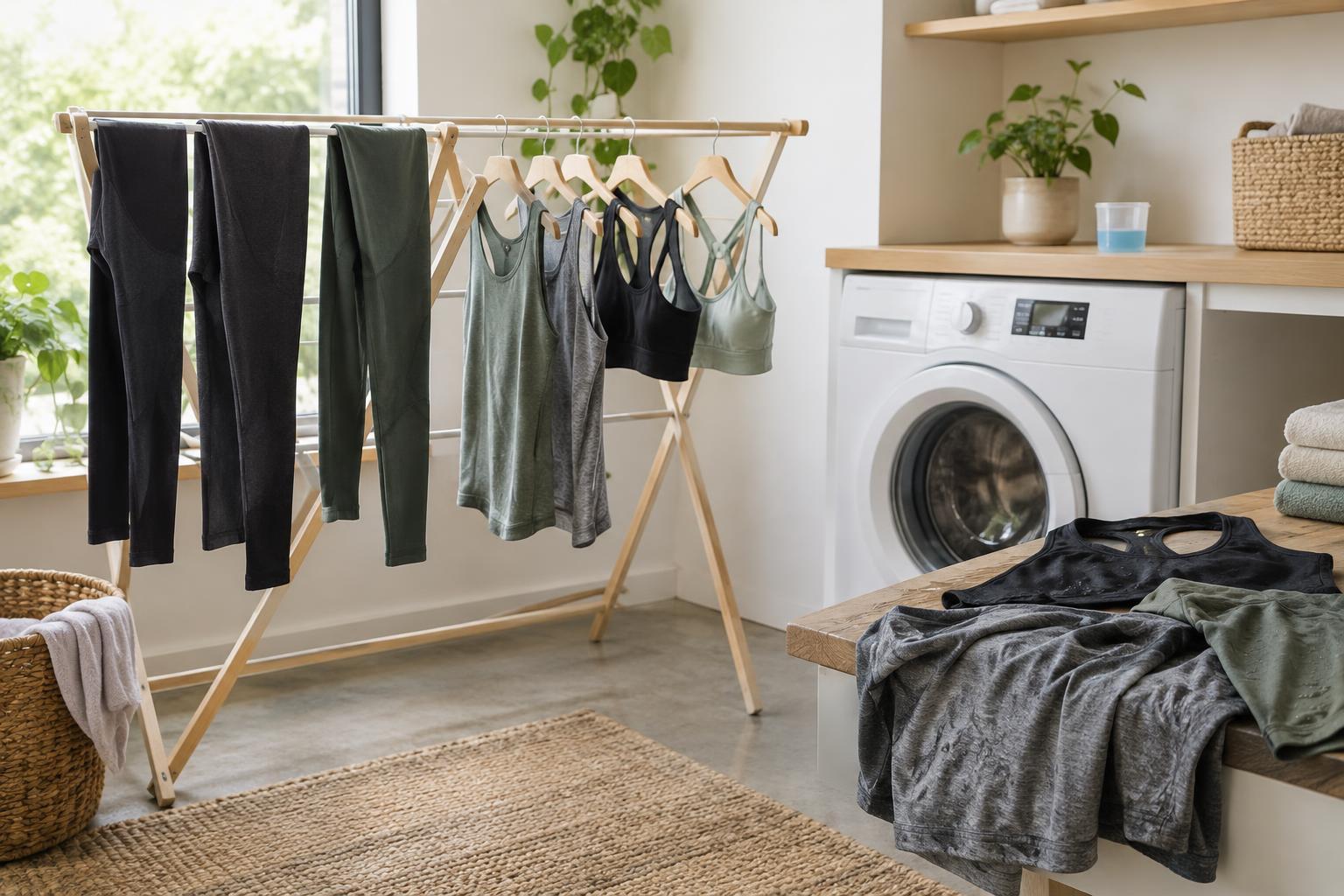
The first step happens before laundry day. After a workout, take activewear out of your gym bag rather than leaving it bundled up. Hang each piece where air can circulate until it is dry, even if you plan to wash it later. A closed bag or a heap of damp clothing gives sweat and odor more time to settle into the fabric.
If a garment is especially sweaty, wash it as soon as practical. If you cannot wash it right away, letting it dry is better than sealing it in a hamper. Give socks, sports bras and leggings their own space instead of folding them inside a shirt. This small habit also makes it easier to tell which items need washing and which simply need to dry after light wear.
Prepare the load for a thorough wash
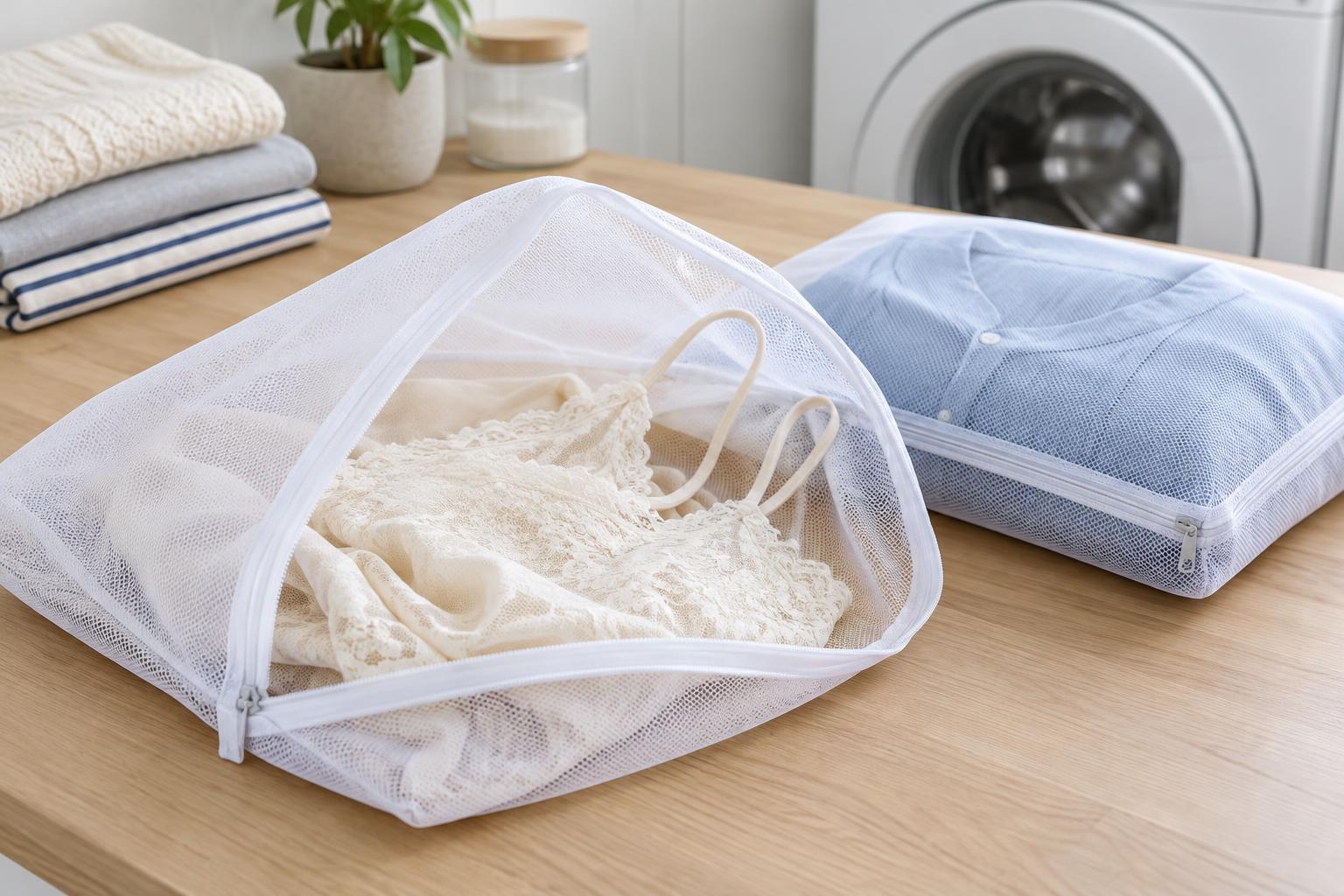
Check the care label before choosing a cycle, especially for pieces with stretch, padding, reflective details or bonded seams. Turn activewear inside out so the surfaces that sit against your skin receive more direct attention. Fasten zippers and hooks, and consider a mesh bag for delicate items or removable pads. Wash similar colors together, and avoid packing the drum tightly; clothes need room to move through the wash water.
A load of workout clothing does not need to be large to be worthwhile. Mixing it with towels can make it harder to choose settings that suit both fabrics, and rough items may add wear to stretchy garments. If you do combine loads, follow the most delicate care label and leave plenty of space in the machine.
Use detergent carefully, then rinse well
Use a detergent suitable for your machine and measure it for the load size and water conditions. More is not necessarily better: excess detergent can be difficult to rinse away, leaving fabric feeling coated and odors harder to remove. If you regularly find residue on your clothes, try a smaller measured dose rather than adding another product.
Choose the water temperature and cycle allowed by the garment label. A cool wash may suit many stretchy pieces, while a warmer setting may be an option for some garments; the label should decide. If your machine has an extra-rinse option, it can help when clothes feel soapy after washing. Skip fabric softener unless the garment maker recommends it, since it can leave a coating on performance fabrics and change how they feel.
Deal with odors that survive the wash
If a clean garment smells again as soon as it warms up during wear, treat it separately rather than repeatedly adding extra detergent to every load. Check the label, then pre-soak the item using a laundry detergent or odor-removing product whose directions say it is suitable for that fabric. Follow the product’s dilution and soaking instructions, and wash the garment afterward. Test an unfamiliar product on a less visible area if colorfastness is uncertain.
Pay particular attention to waistbands, underarms and other areas that hold sweat. Avoid mixing cleaning products or assuming a strong treatment is safe for stretch fibers, prints or elastic. If an odor remains after one careful treatment, repeat only if the garment and product instructions allow it. Some older pieces may retain smells despite good care.
Dry completely before putting clothes away
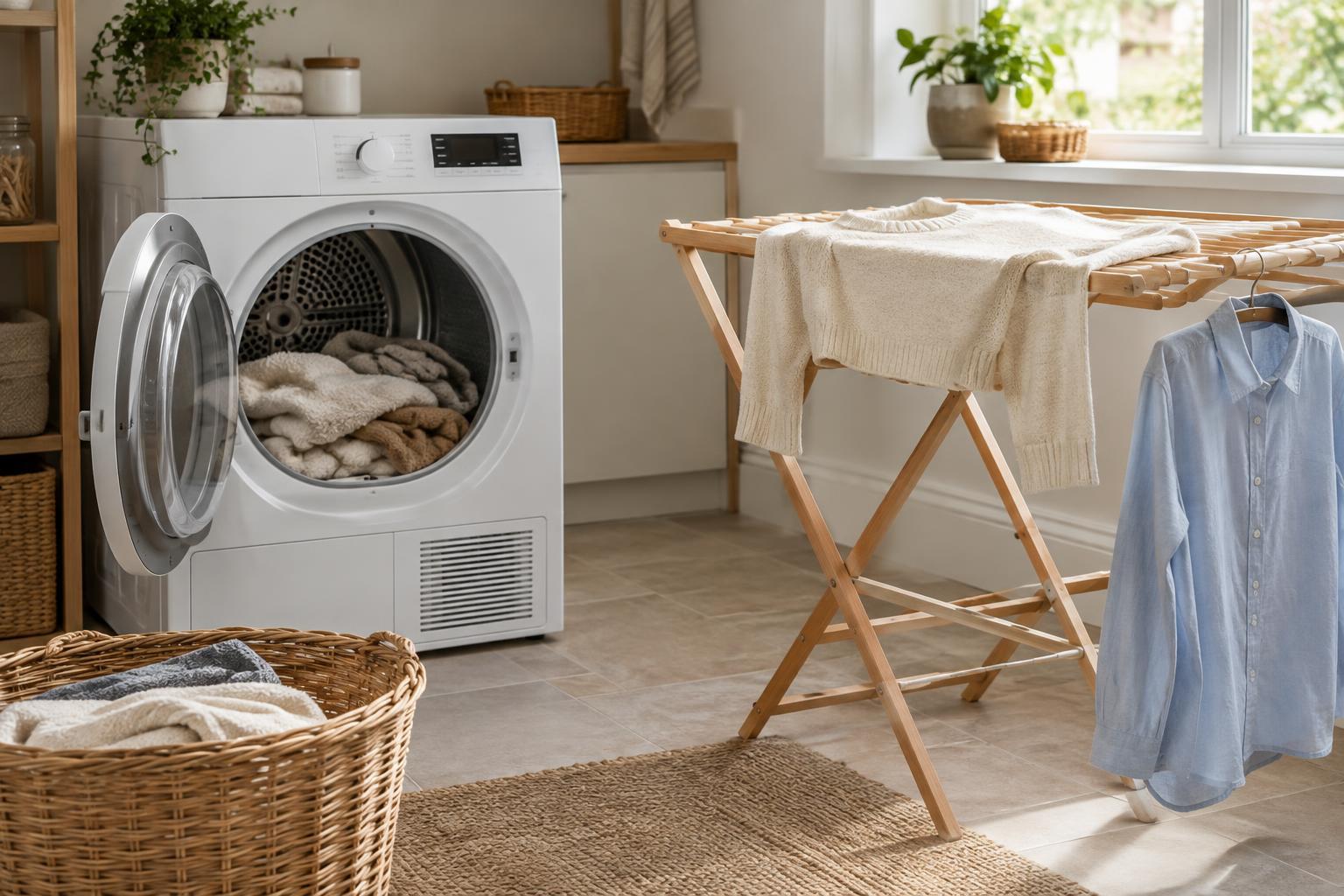
Drying finishes the job. Hang activewear with space between pieces, and make sure thicker waistbands and seams are dry before folding. If the care label permits tumble drying, use the specified setting; high heat can be hard on some stretchy fabrics. Do not put a slightly damp garment back into a closed drawer or gym bag.
A simple routine is easier to keep than a collection of laundry tricks: air out sweaty clothes, wash a loosely filled load with the right amount of detergent, rinse thoroughly and dry everything fully. When an item needs extra help, treat that item according to its label instead of changing the wash for your whole wardrobe.