Start with the care label and the kind of denim
Some fading is part of wearing dark denim: friction at the knees, pockets, and seams gradually changes its appearance. Washing can add to that change, but you do not have to choose between clean jeans and a color you like. The aim is to remove dirt when needed while reducing heat, rubbing, and long exposure to detergent.
Check the care label before the first wash. Stretch denim, coated finishes, and garments with decorative details may have different requirements from sturdy, untreated cotton denim. If the label calls for hand washing or air drying, follow it. New dark jeans may also release excess dye, especially during early washes, so keep them away from pale clothes and light-colored towels.
Wash when needed, not by a fixed schedule
There is no single wash interval that suits every pair. Jeans worn briefly in a cool setting may need less frequent washing than jeans worn through a sweaty commute or a messy afternoon. If they smell, feel dirty, or have more than a small isolated mark, wash them. Between washes, empty the pockets, let the jeans air out, and give them time to dry fully before putting them away.
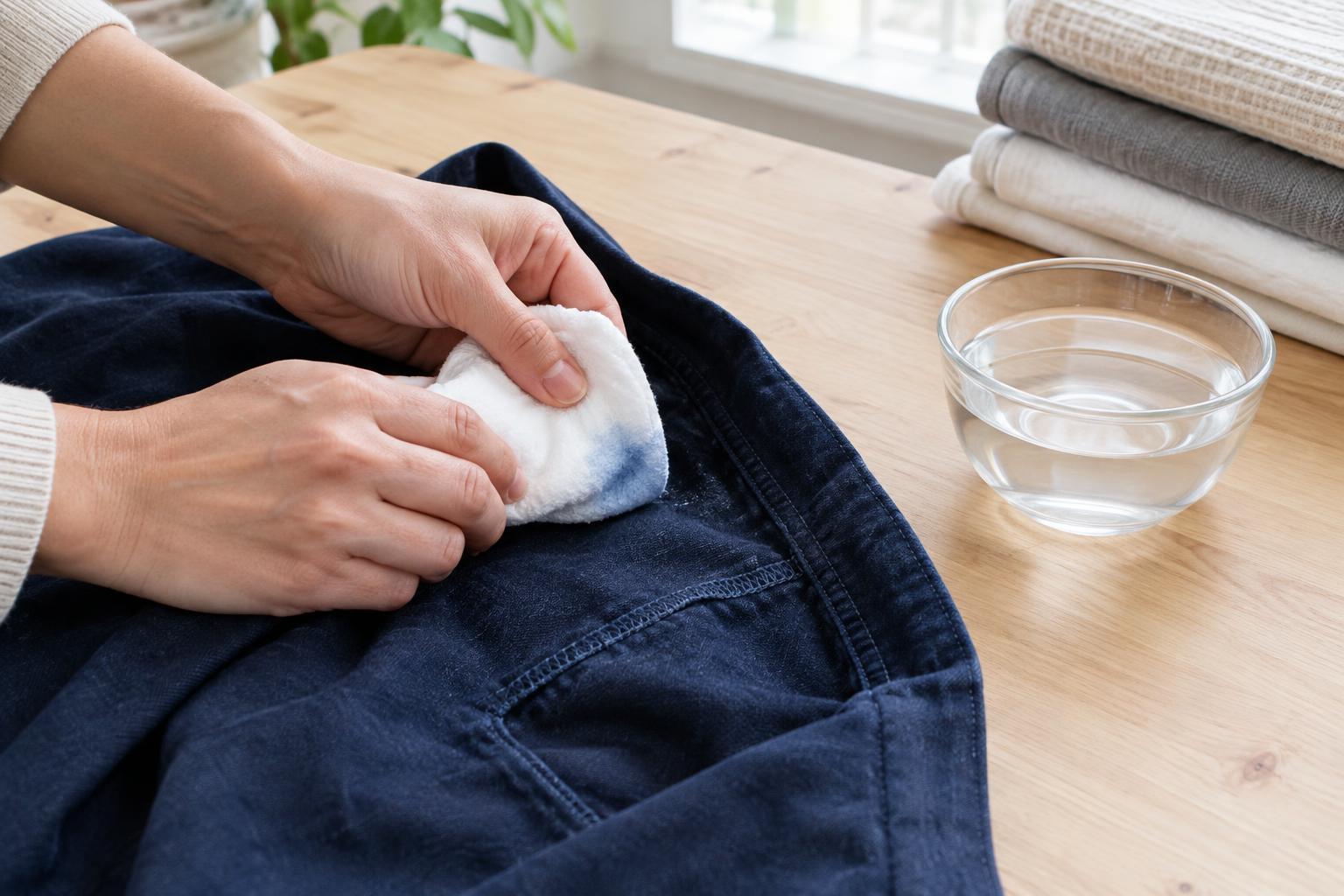
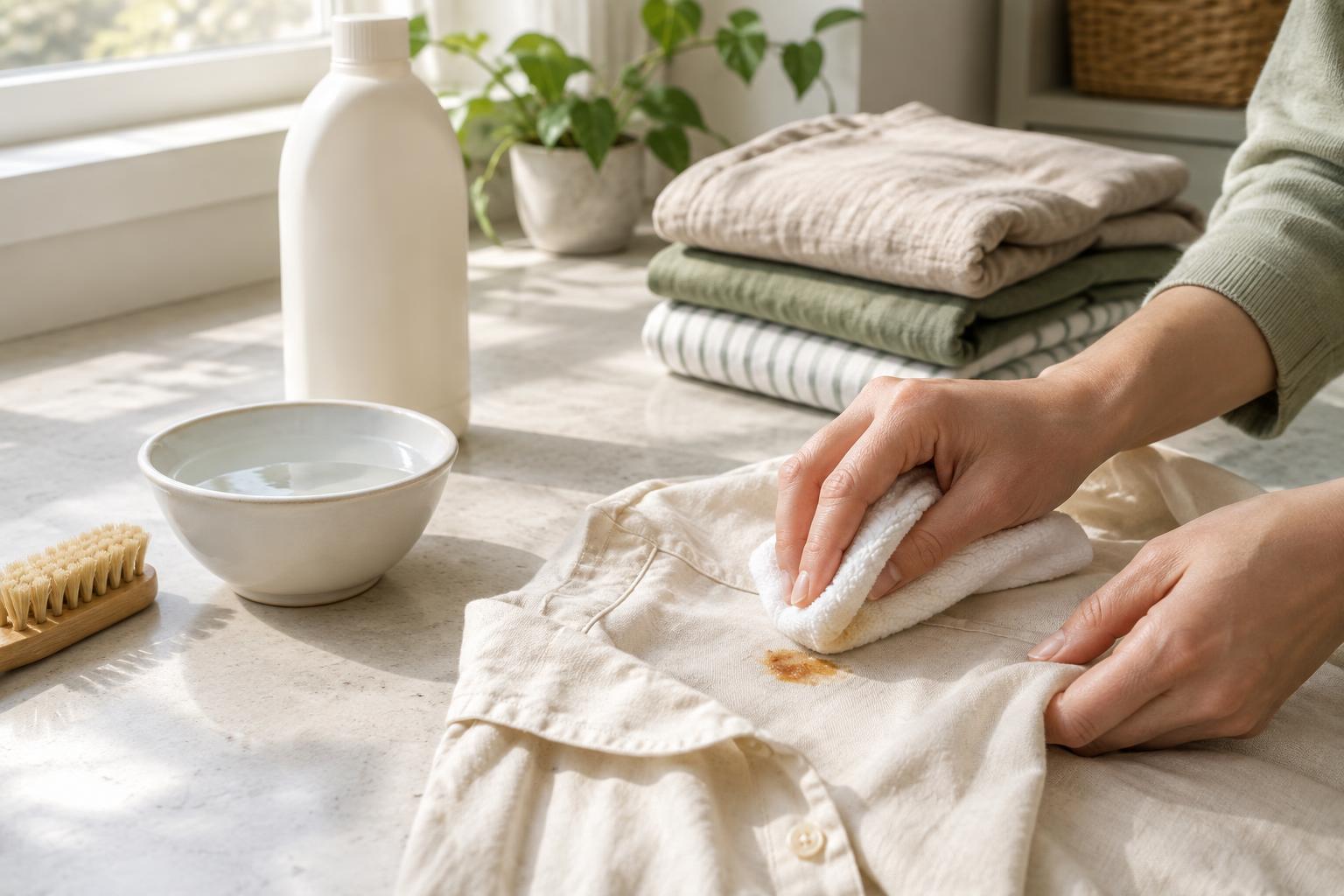
For a small spill, spot cleaning may be enough. Blot rather than scrub, using a damp cloth and a little mild detergent if needed. Test an inconspicuous area first, since rubbing can leave a lighter patch on dark fabric. Rinse away any detergent with a clean damp cloth and let the area dry before deciding whether the whole garment needs washing.
Prepare a low-friction wash load
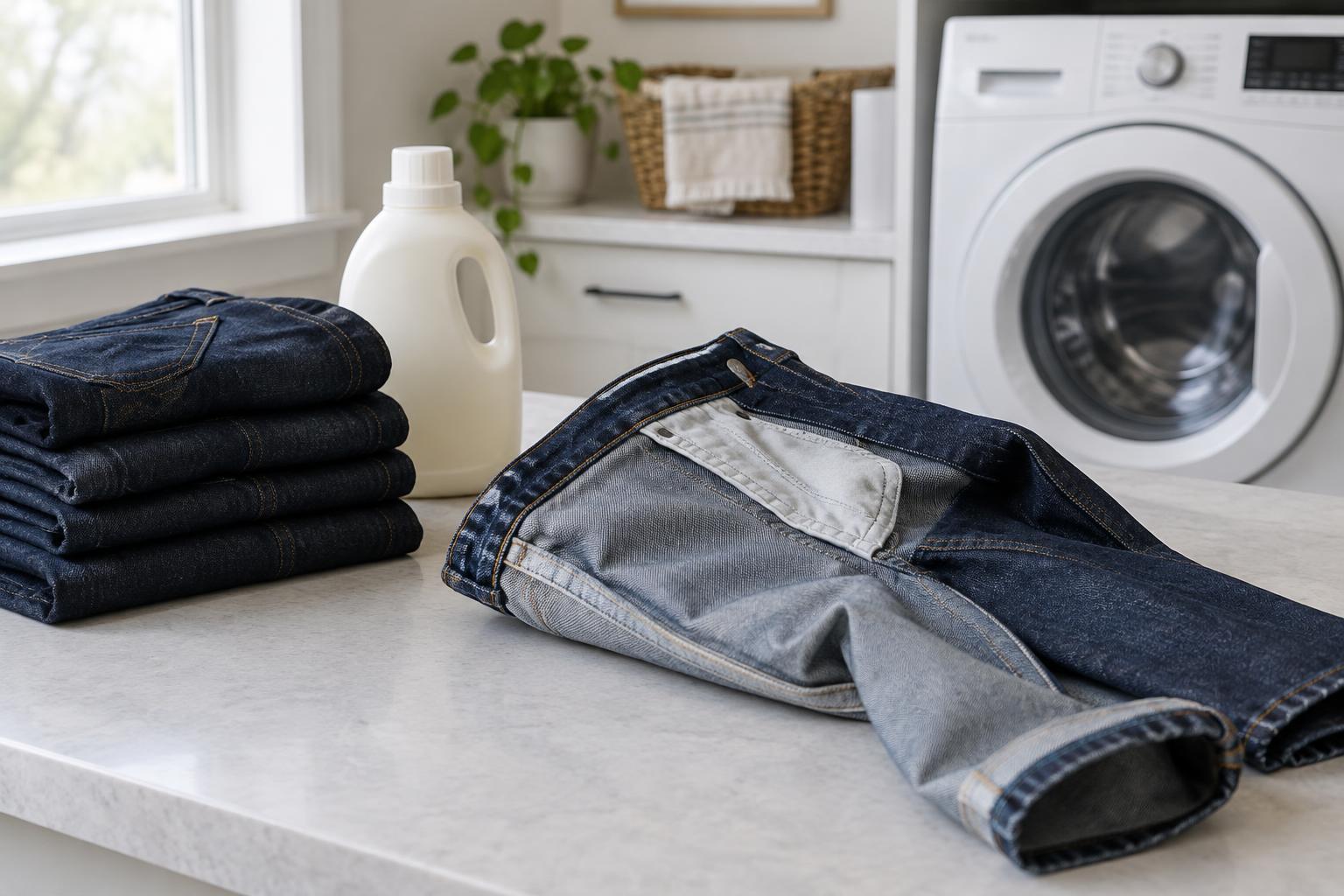
Before washing, close the zipper or buttons, turn the jeans inside out, and check the pockets. Turning them inside out does not stop fading, but it reduces direct rubbing on the visible outer surface. Wash dark denim with similarly dark, colorfast garments, leaving enough room for the load to move. A tightly packed drum can make rinsing less effective, while a load containing rough items may increase abrasion.
Choose a detergent suitable for dark or colored clothes and use the amount recommended for your machine and load size. More detergent is not necessarily more effective; residue can leave denim feeling stiff or looking dull. Avoid chlorine bleach on dark jeans. If you are washing a new pair for the first time, washing it separately is the simplest way to limit the risk of dye transfer.
Choose cool water and a gentle cycle
If the care label allows machine washing, a cold or cool wash and a gentle cycle are sensible starting points. Lower temperatures can be kinder to dark dye than hot water, while a gentler cycle limits some of the tumbling and friction that wear the surface. Use a spin setting that removes enough water for practical drying without leaving the jeans tightly creased.
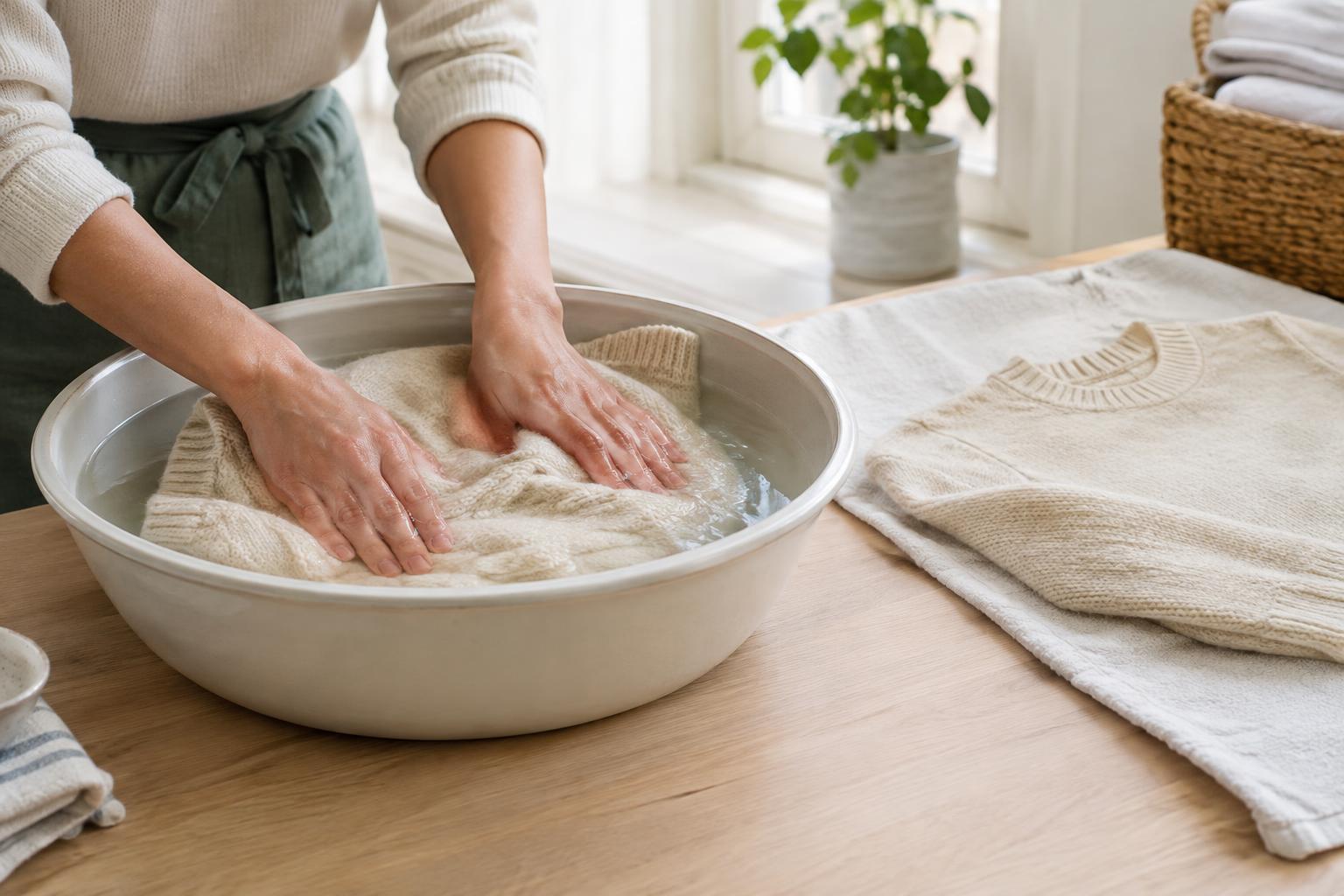
Hand washing is another option when you have the time and space. Use cool water, a small amount of detergent, and gentle movement rather than vigorous rubbing. Rinse thoroughly, then press out water without twisting the legs. You do not need to add vinegar or salt to the wash: they are not reliable substitutes for following the care label and using a gentle method.
Dry carefully and accept natural wear
Air drying avoids the heat and tumbling of a dryer. Reshape the jeans while damp, smooth out major folds, and hang them or lay them flat in a place with good airflow. Keep them out of prolonged direct sunlight, which can contribute to uneven fading. Dark, wet denim may transfer color, so avoid draping it over a pale chair, radiator cover, or towel.
If the label permits tumble drying and you need to use a dryer, choose a low-heat setting and remove the jeans while slightly damp, then let them finish air drying. Once fully dry, fold or hang them for storage. These steps cannot keep dark denim looking new forever, but they help you control avoidable fading while allowing the softer, lived-in appearance that comes with regular wear.