Start with the garment, not the fabric name
Silk is a fiber, but the way a garment is made matters just as much as the fiber itself. A simple silk blouse may be washable, while a lined jacket or a dress with structured details may need different care. Read the entire care label before adding water. If it says dry clean only, do not treat the garment as washable simply because another silk item survived a hand wash. If the label permits hand washing, use that method; use a machine only when the label permits machine washing.
Check for details that may react differently to water, such as delicate trim, embroidery, contrasting panels or a stiff lining. If the label is unclear, or the piece is especially valuable to you, professional cleaning may be the safer choice. Washing can also change the feel of some silk finishes, even when the fiber itself tolerates water.
Prepare for a gentle wash
Wash a silk garment on its own or with similarly delicate items in compatible colors. Separate dark and light pieces, especially during their first wash. If the label allows washing but you are unsure about color transfer, dab a little cool water on an inconspicuous area with a clean white cloth. If color transfers, stop and consider professional cleaning instead.
Choose a mild detergent labeled suitable for silk or other delicate protein fibers, and follow its dosing instructions. Avoid bleach and heavy-duty detergents; products with enzymes may be unsuitable for silk. More detergent does not make a delicate wash safer and can be harder to rinse out. Fasten closures, empty pockets and turn the garment inside out if its construction allows. Handle it gently throughout: wet silk is easier to stretch or distort.
Hand wash with minimal movement
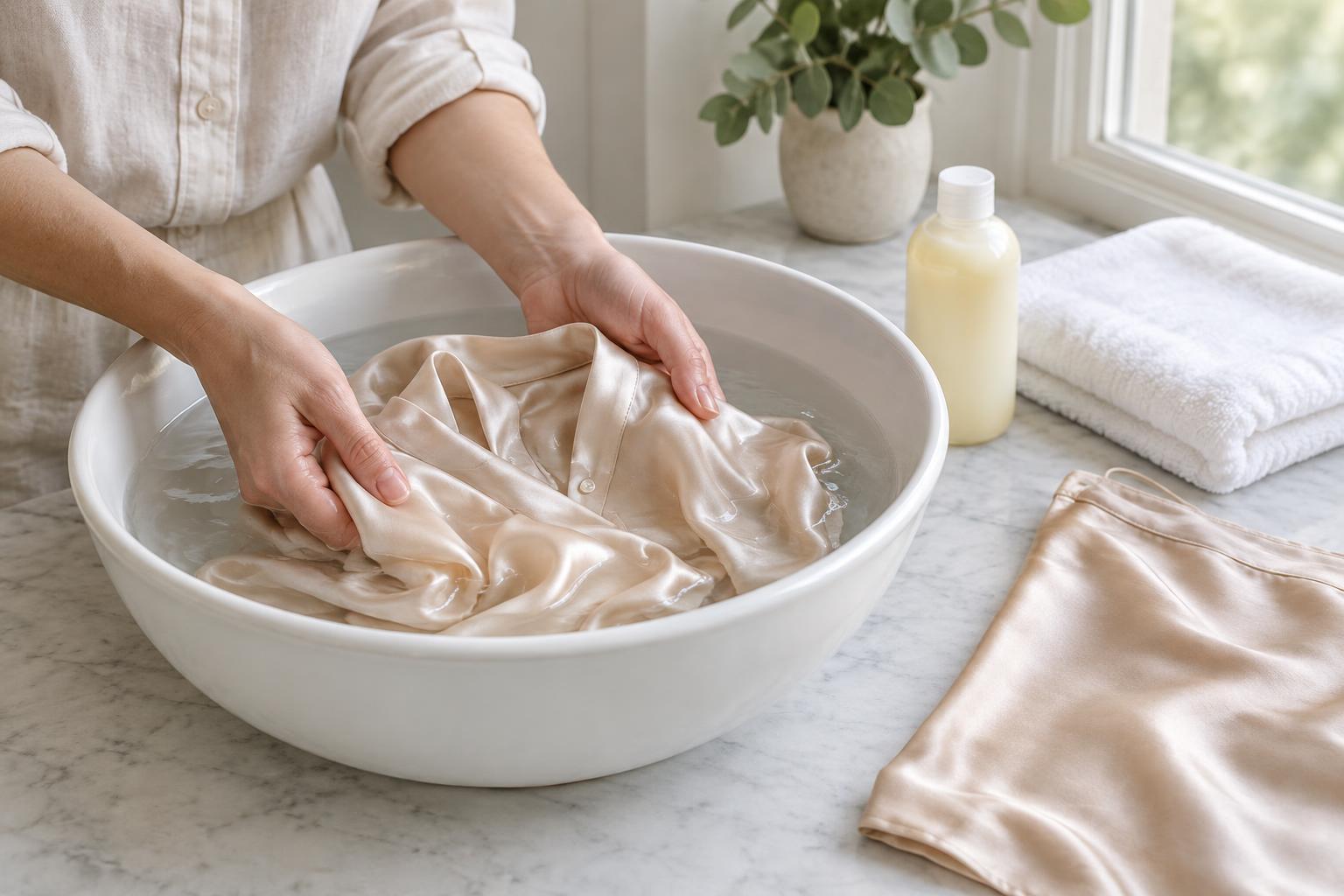
Fill a clean basin with cool water and add a small amount of suitable detergent. Lower the garment into the water and gently move it through the solution. Pay attention to areas that touch the skin, such as collars and underarms, without scrubbing them. A brief wash is usually preferable to a long soak. If the water shows noticeable dye release, remove the garment promptly and rinse it separately.
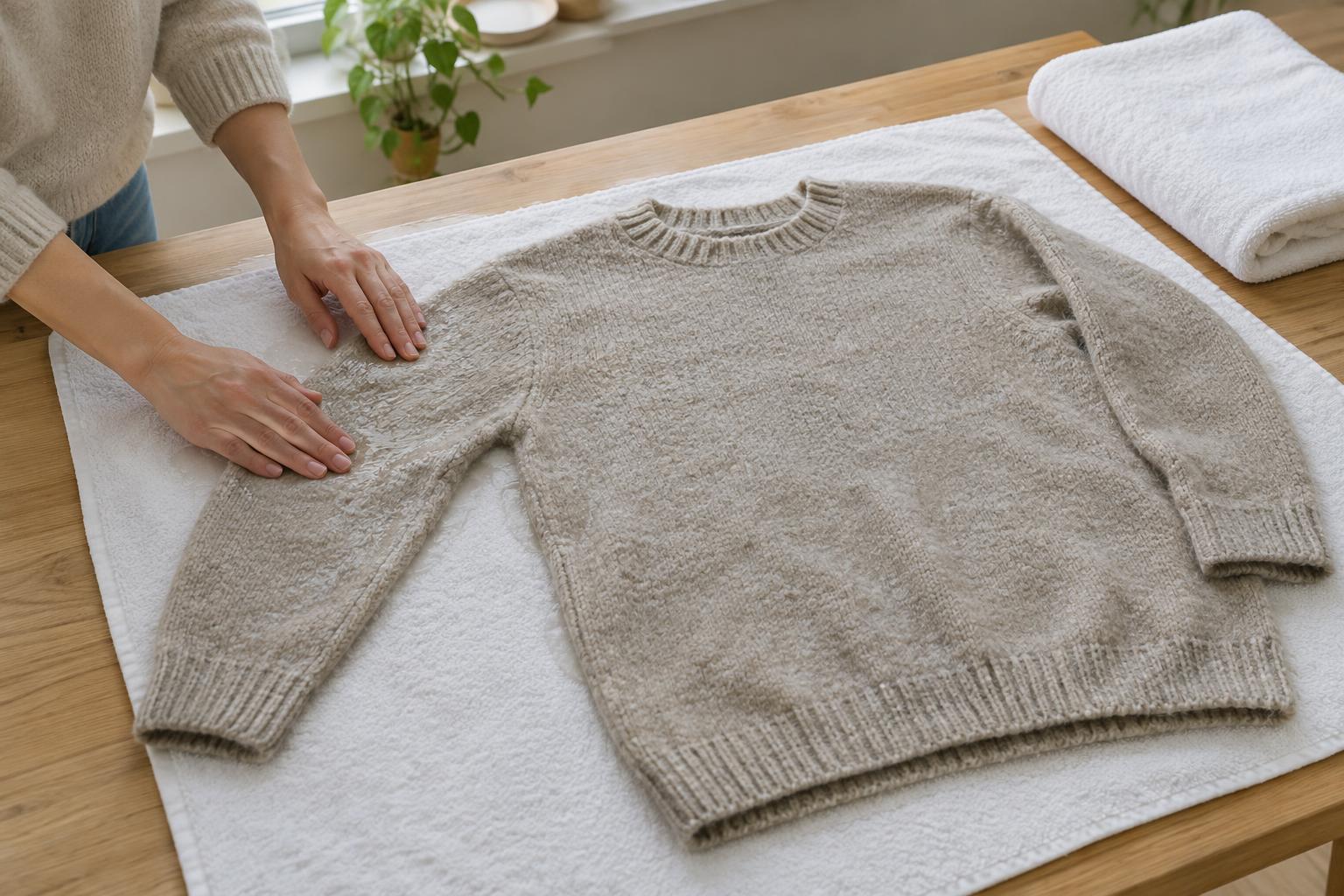
Drain the soapy water, then rinse with cool water, supporting the garment as you lift it. Repeat until the water runs clear and the fabric no longer feels slippery. Do not twist, wring or pull the silk. To remove excess water, press it gently between your hands, then lay it flat on a clean towel, roll the towel up and press lightly. This takes out moisture without putting as much strain on seams or fine fabric.
Use a machine only when the label allows it
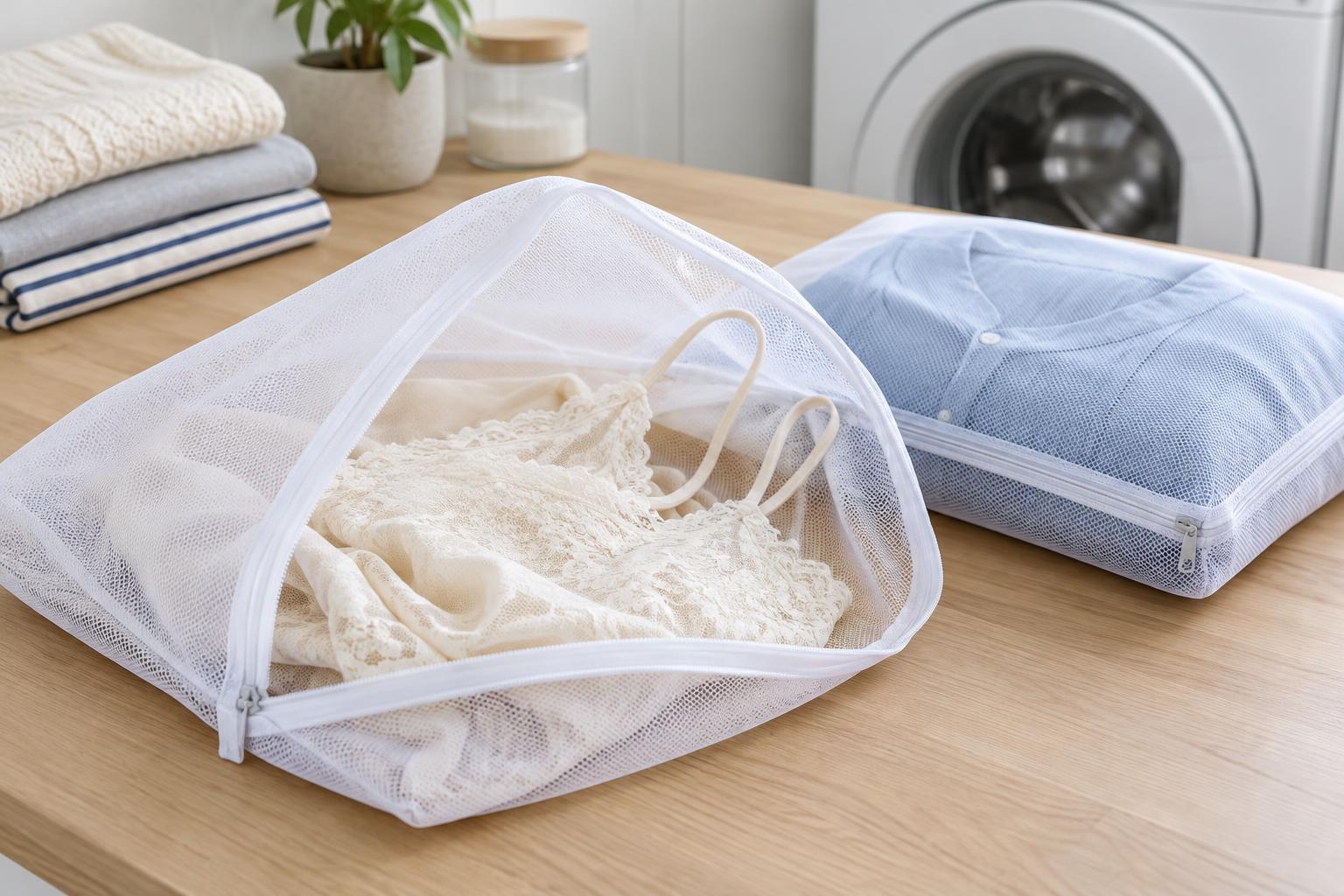
For machine-washable silk, place the garment in a mesh laundry bag to reduce friction and snagging. Select the machine setting specified on the label; if it gives no further detail, choose a gentle cycle with cool water and a low spin. Use a suitable mild detergent and keep the load small enough that the garment can move without being crushed against heavy items.
Remove the silk as soon as the cycle ends rather than leaving it bunched in the drum. Inspect it before drying: a machine wash may be permitted, but tumble drying is a separate instruction. Unless the label explicitly allows a dryer, plan to air-dry.
Dry, press and store without rushing
Reshape the damp garment carefully, smoothing seams and hems without tugging. Lay it flat on a dry towel or hang it on a padded hanger if its weight and shape make hanging appropriate. Keep it away from direct sunlight and strong heat. Avoid hanging a heavy, wet silk piece by narrow straps, which could stretch under its own weight. Let it dry fully before putting it away.
If pressing is permitted, follow the label’s temperature guidance. Use a low setting, press on the reverse side where possible and place a clean pressing cloth between the iron and the silk. Test an unobtrusive area first, and lift the iron rather than dragging it across the fabric. Once dry, store the garment clean and with enough space to avoid deep creases. A careful wash routine need not be complicated: the key is to follow the label and limit heat, friction and stretching at every stage.