Start with the olive piece you already own
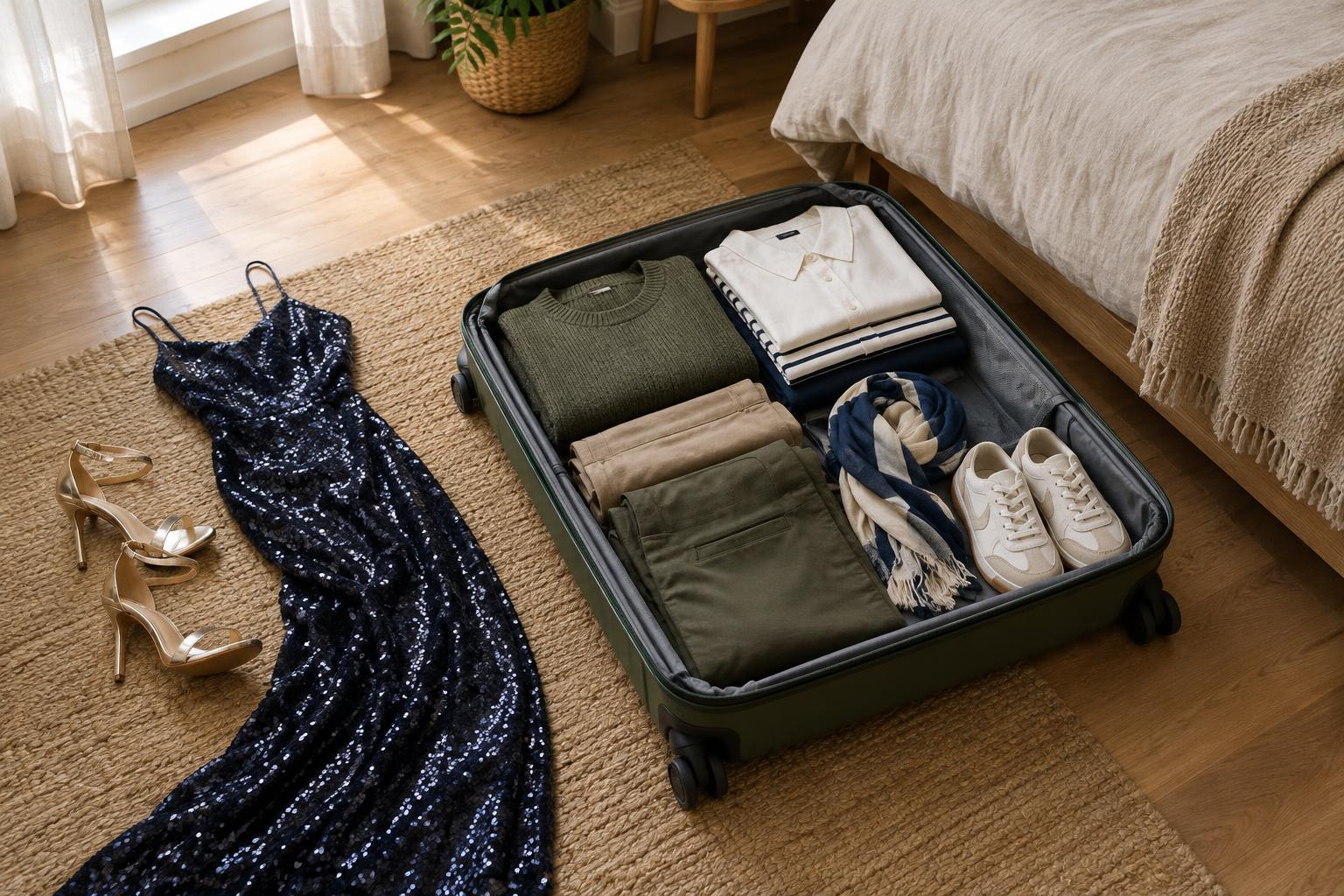
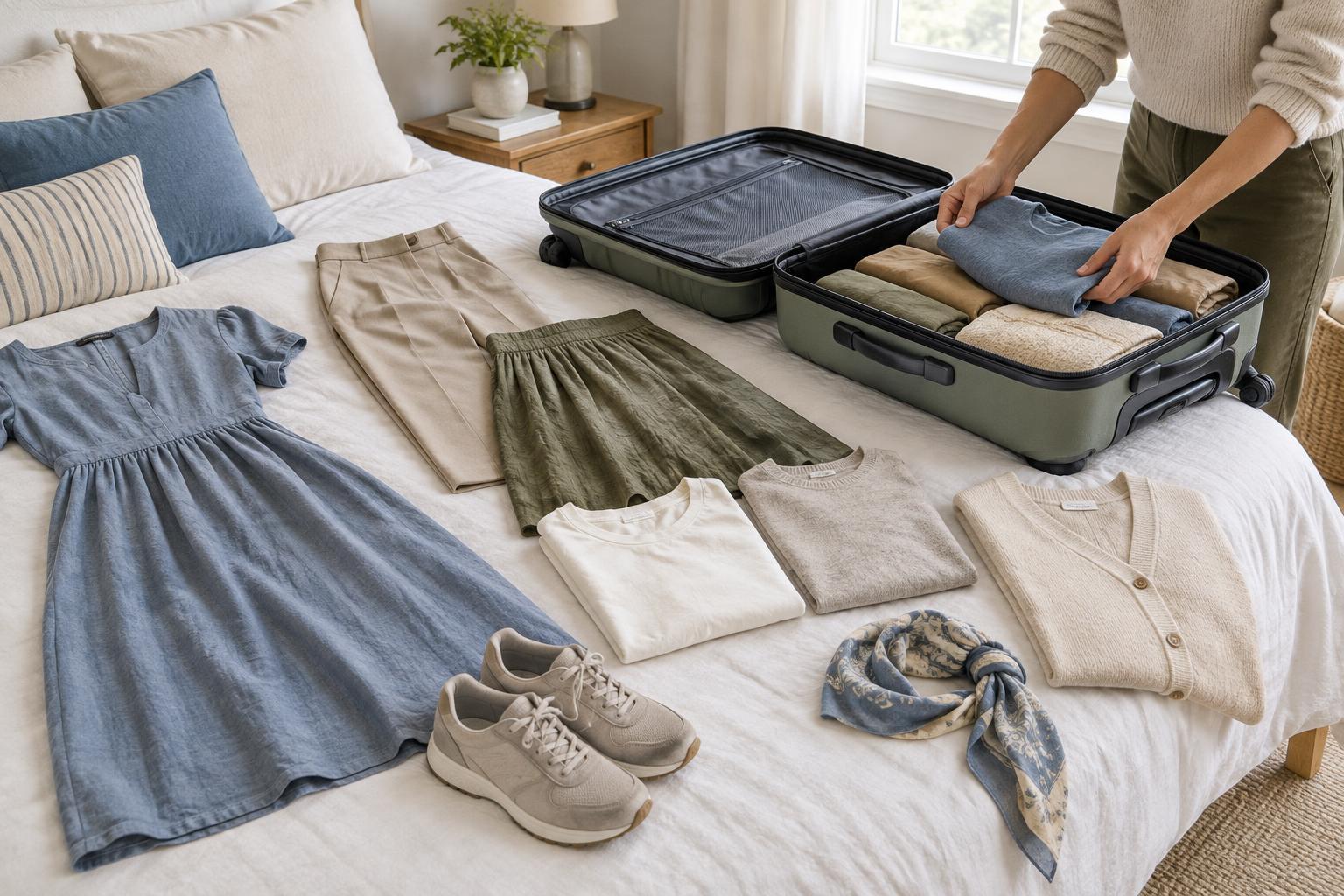
Olive green is a useful outfit color because it can sit quietly beside other shades without disappearing into the background. An olive jacket, pair of trousers or knit can take the place of a familiar neutral when you want an outfit to feel a little less predictable. You do not need a collection of olive pieces to make this work. Start with one item you reach for often and notice whether it looks light and dusty, deep and brownish, or distinctly green.
That distinction matters more than finding a perfect color formula. A dusty olive shirt may look soft with cream, while a darker olive coat may create a stronger contrast over the same cream top. Before deciding that a pairing does not work, try it in daylight and look at the whole outfit. Shoes, a bag or a visible layer can change how the colors relate to one another.
Use light neutrals for an easy contrast
White, cream and pale gray give olive green room to show its color. For a simple daytime outfit, try olive trousers with a white T-shirt and a light overshirt. If bright white feels too sharp beside your particular shade of olive, swap it for an off-white knit or an oatmeal shirt. The aim is not to match exact undertones; it is to find a contrast you enjoy wearing.
Tan and beige can also work, but an outfit made entirely of similar mid-tones may look less defined than you intended. Add a lighter top, a darker belt or shoes with some depth to give the eye a place to settle. For example, an olive skirt, beige sweater and dark brown boots have a clearer shape than the skirt and sweater alone. You can make the same adjustment with pieces already in your closet rather than buying a new color.
Pair olive with dark colors deliberately
Black and olive make a straightforward combination, especially when black appears more than once. An olive overshirt over a black top with black trousers keeps the silhouette simple and lets the overshirt provide the color. If the outfit feels heavy, expose a little of a lighter shirt at the neckline or choose a lighter bag. That small break can be enough without changing the main pairing.
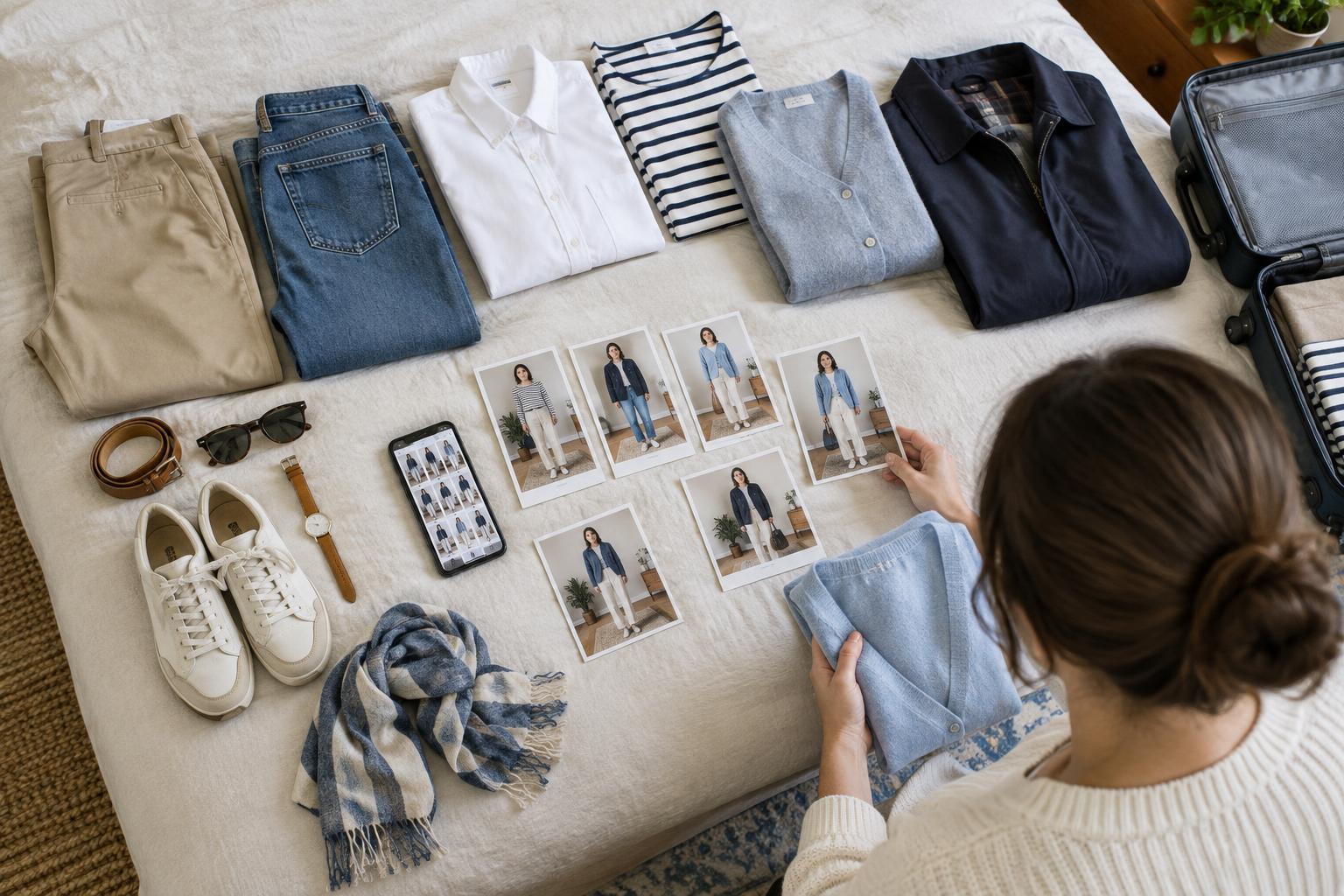
Navy, charcoal and dark denim offer alternatives when you want less stark contrast. Olive trousers with a navy sweater, for instance, can look cohesive even though neither piece matches the other. If the colors are both deep and seem to blur together, vary the texture or add a light layer between them. A crisp pale shirt under the sweater makes the separation easier to see; a textured knit beside smooth trousers can do similar work.
Add accent colors in small, repeatable ways
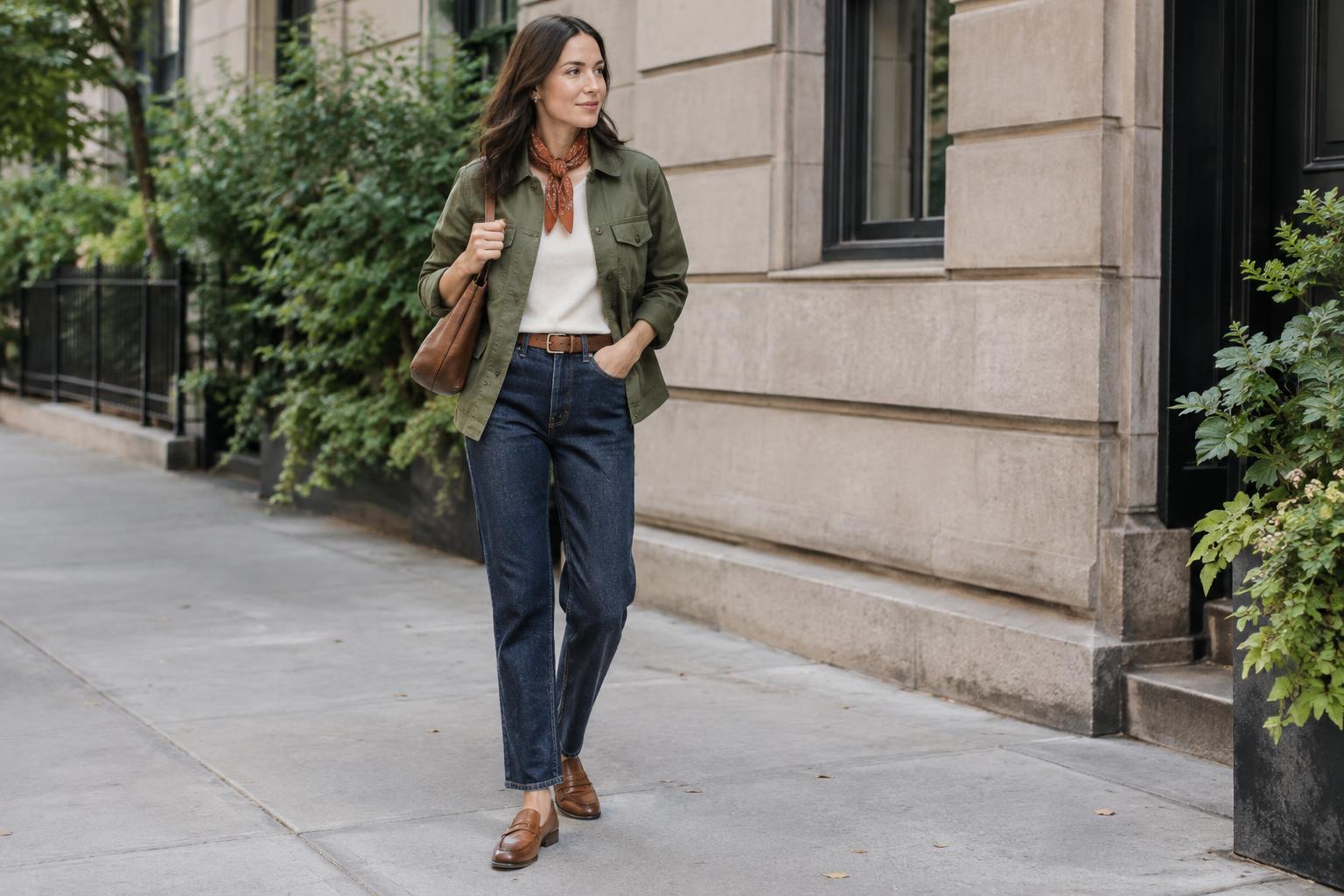
Olive is a practical backdrop for accents such as rust, muted pink, burgundy or soft blue. You can test a color with something small before making it the focus of an outfit: a scarf, socks visible above shoes, or a top showing beneath a jacket. An olive jacket over a soft blue shirt and dark jeans, for example, uses blue as an accent without making the outfit complicated. If the accent feels too strong, choose a more muted version rather than abandoning the idea.
There is no need to repeat an accent exactly. A rust-colored knit with olive trousers and brown shoes can feel connected through its warm, earthy colors, even though the shades differ. Conversely, a clear pink top can provide a lively contrast if the rest of the outfit is simple. Keep one question in mind as you get dressed: which piece should draw attention first? Once you know the answer, let the other colors support it.