Start with the garment, not just the label
Linen and cotton are both plant-based fibers, and either can make a comfortable warm-weather outfit. The name on the care label, however, does not tell the whole story. A loose cotton poplin shirt may feel cooler than a thick linen jacket, while a lightweight linen shirt may allow more air to circulate than a close-fitting cotton tee. Cut, fabric weight and weave all affect how a garment feels.
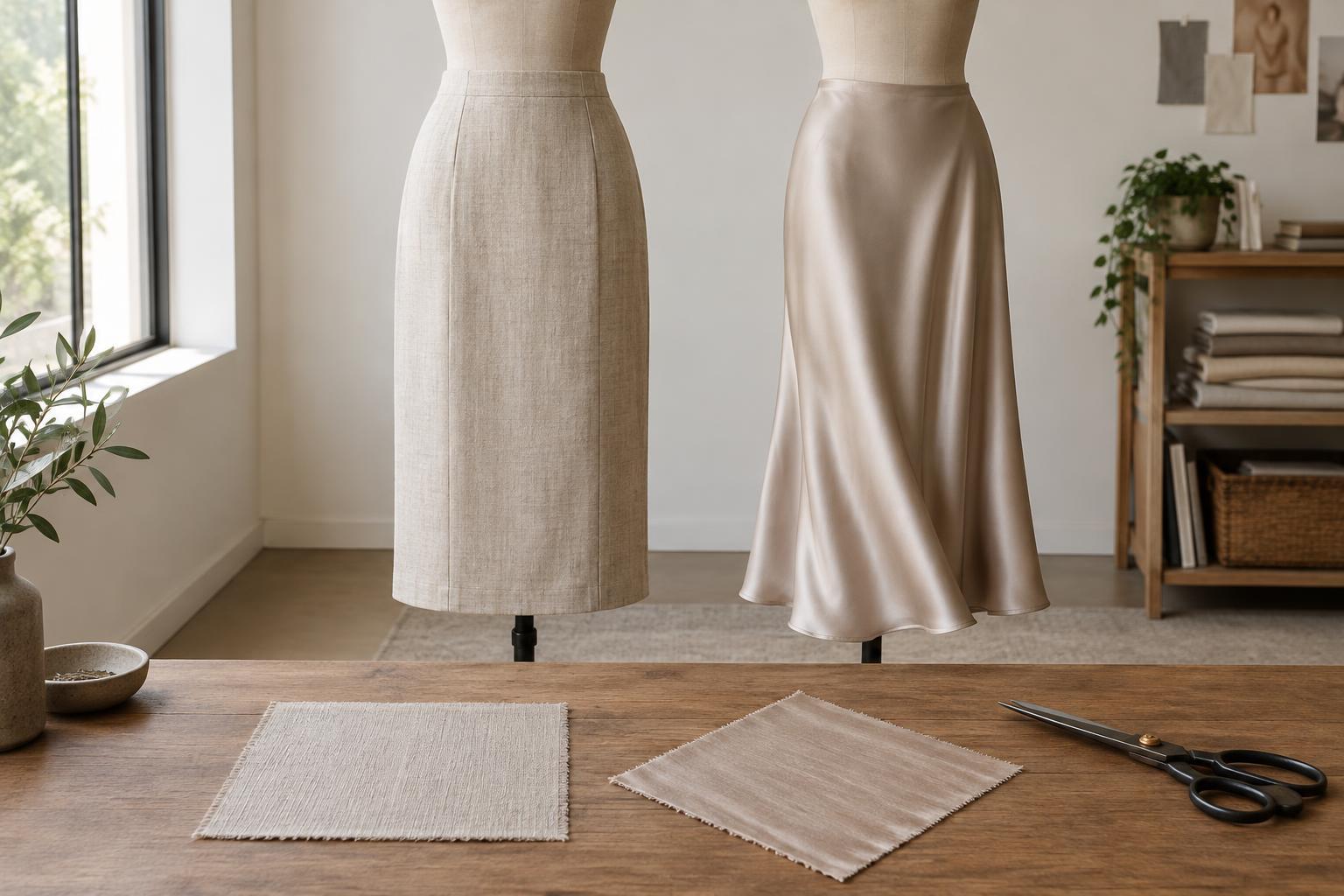
When comparing pieces in a shop or in your wardrobe, hold the fabric up to the light, feel its thickness and notice how it falls. A fabric with a little space around the body often feels less clingy than one that sits tightly against the skin. Also check opacity: a very light fabric can be comfortable but may call for a different underlayer than you planned.
Choose linen for an airy, relaxed look
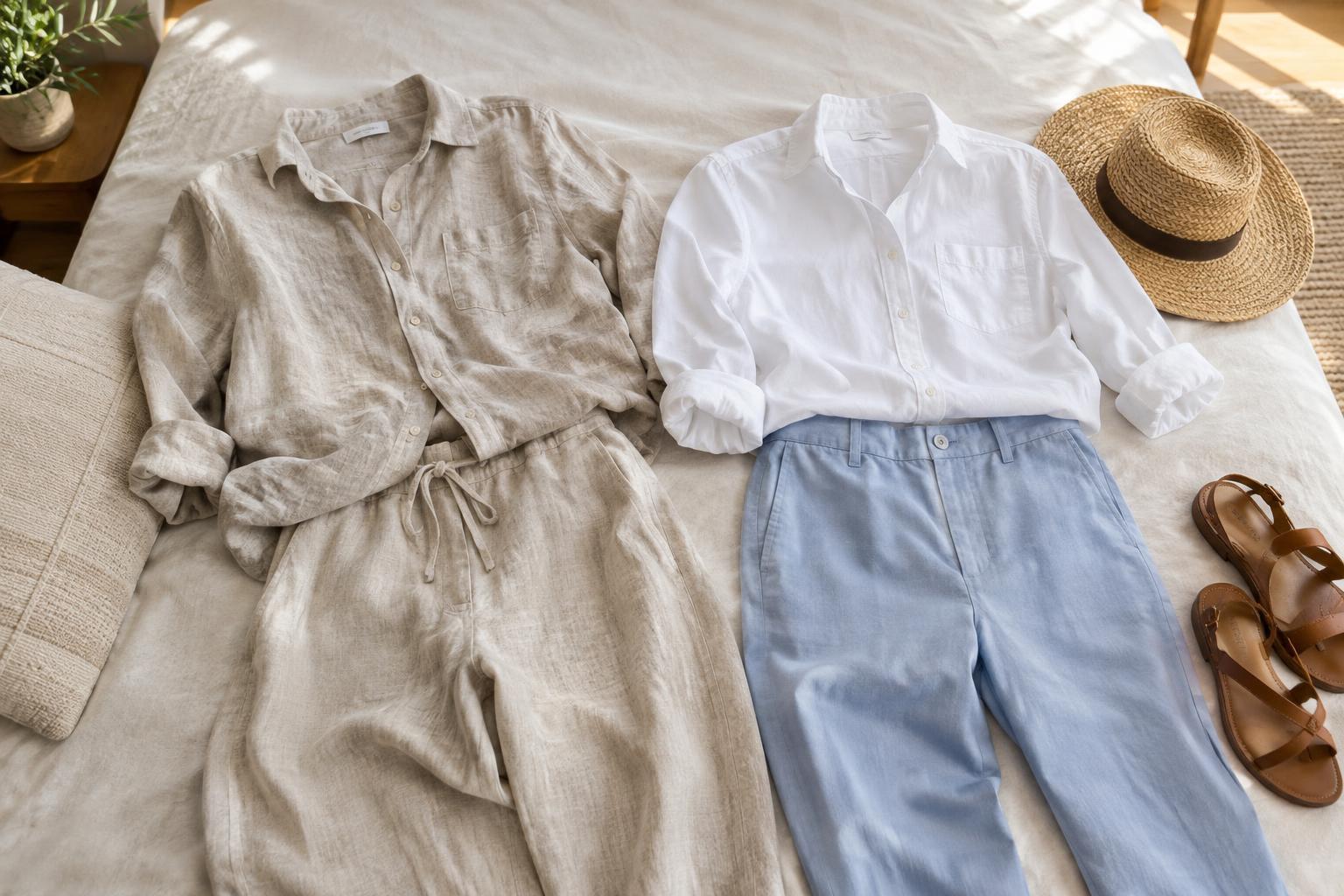
Linen is often a good match for loose silhouettes, such as wide-leg trousers, an open-collar shirt or a simple shift dress. It tends to have a textured surface and a slightly crisp feel, especially when new. That texture gives even a plain outfit some visual interest: an ivory linen shirt with dark shorts, for example, can look considered without extra layers.
The trade-off is creasing. Linen develops folds where you sit, bend or roll your sleeves, so it suits days when a relaxed finish feels appropriate. If you prefer fewer visible creases, try a heavier linen fabric, a textured or darker color, or a linen blend. Those choices may change how airy the garment feels, so judge the finished piece rather than assuming every linen item will behave alike.
Choose cotton for variety and a smoother finish
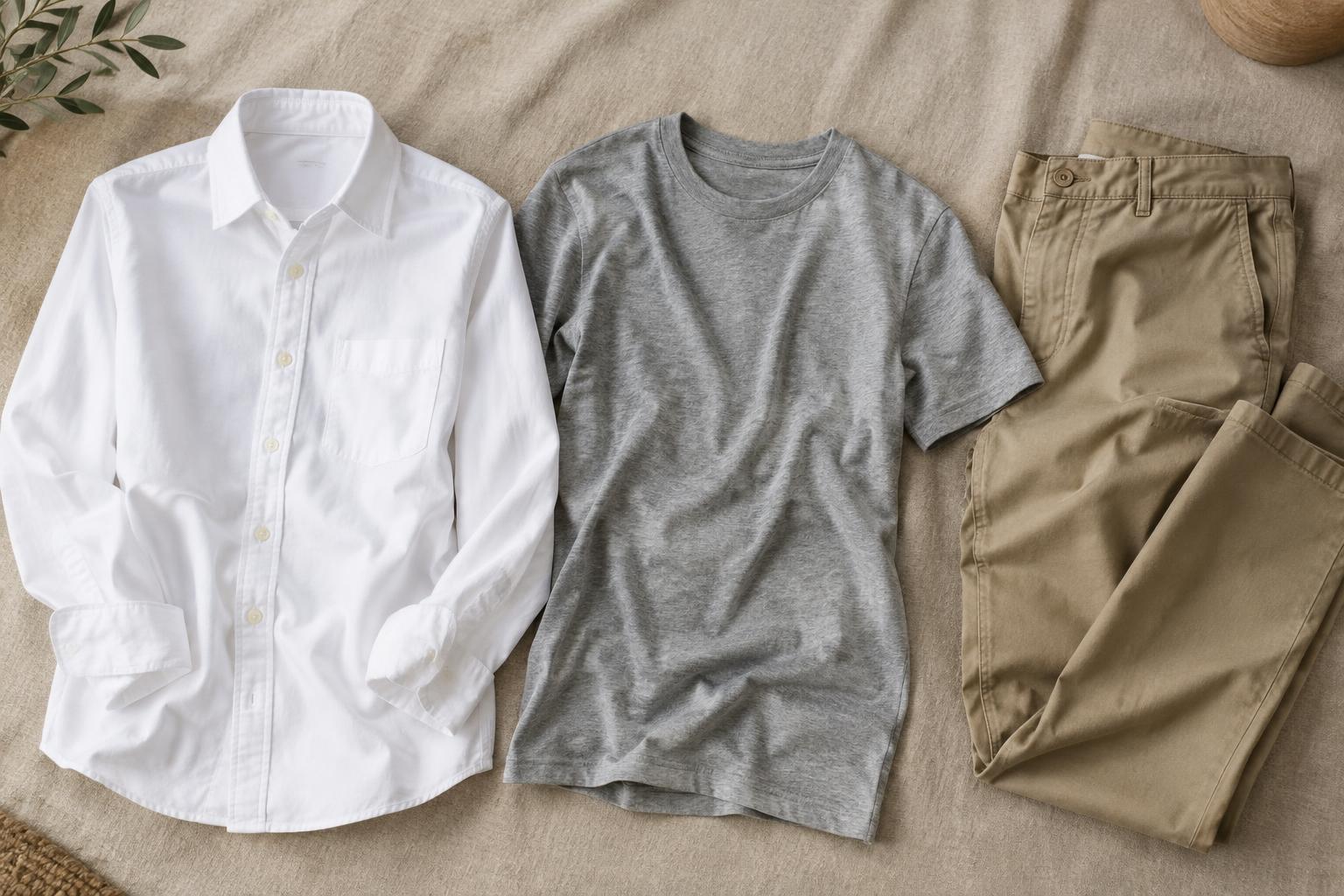
Cotton comes in many forms. A light cotton voile blouse, a crisp poplin shirt and a cotton jersey T-shirt can feel quite different, even though they share the same main fiber. This range makes cotton useful if you want a specific shape or surface: poplin holds a neat shirt silhouette, while jersey offers the softness and stretch familiar in everyday tees.
For warm days, pay attention to density and fit. A tightly woven, substantial cotton garment may feel less breezy than a loosely cut, lighter one. A thin cotton tee can be easy to wear, but it may cling when damp; a roomier cotton shirt can be more comfortable when you want airflow. If a polished look matters, cotton is not automatically wrinkle-free, though some cotton garments are easier to smooth into a tidy finish than lightweight linen.
Match the fabric to your plans
For a casual outdoor lunch, a linen shirt and loose shorts create an easy outfit with texture built in. If you are moving between warm streets and a cooler indoor space, a cotton shirt worn open over a light top is a flexible layer: you can take it off or roll up the sleeves without changing the whole outfit. For a long travel day, either fiber can work; prioritize a comfortable waistband, room to move and a fabric whose creases will not bother you on arrival.
You can also combine them. A smooth cotton tee under an unlined linen overshirt gives you a soft layer against the skin and a more textured outer layer. Keeping both pieces in related colors, such as white and sand or pale blue and navy, makes the contrast in texture intentional. Before choosing light-colored trousers or a dress in either fabric, check how the material looks in daylight and whether it needs an underlayer.
Care for the fabric you will actually wear
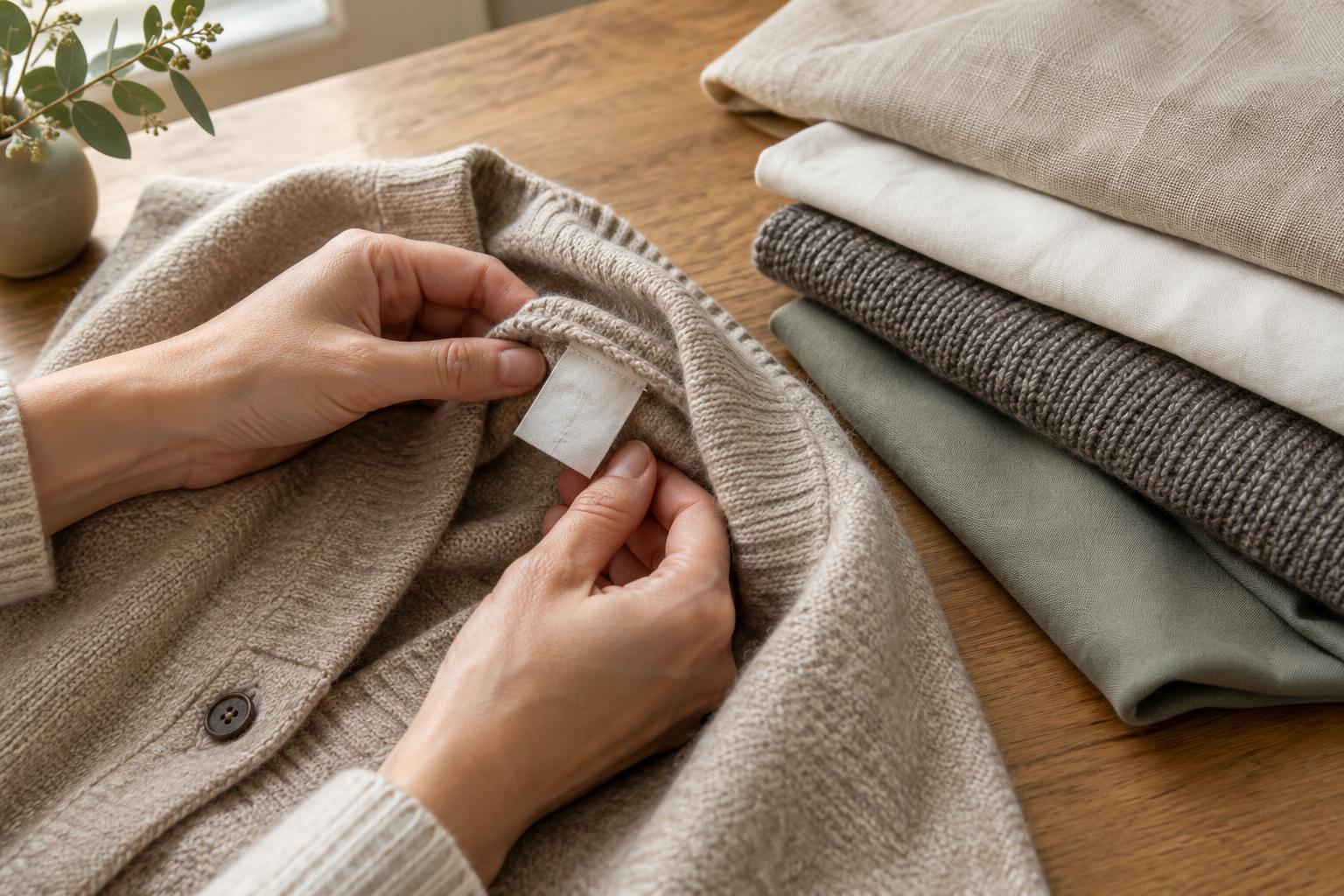
A warm-weather wardrobe works best when its care routine fits your life. Read each garment’s label before washing, since construction, dyes, finishes and blends affect what it can tolerate. Washing gently, avoiding an overloaded machine and reshaping a garment before it dries may help it keep its intended form. Check a favorite piece for shrinkage guidance before using heat.
If you like a crisp finish, you may want to press linen while it is slightly damp or use a steamer when the care label allows. If you prefer the relaxed look, smoothing the fabric by hand and hanging it neatly may be enough. Cotton also benefits from being taken out of the wash promptly and dried as directed. The better choice is not the fiber with a perfect reputation; it is the garment that feels good, suits your plans and is easy enough to care for that you will wear it often.