Start with a color family, not an exact match
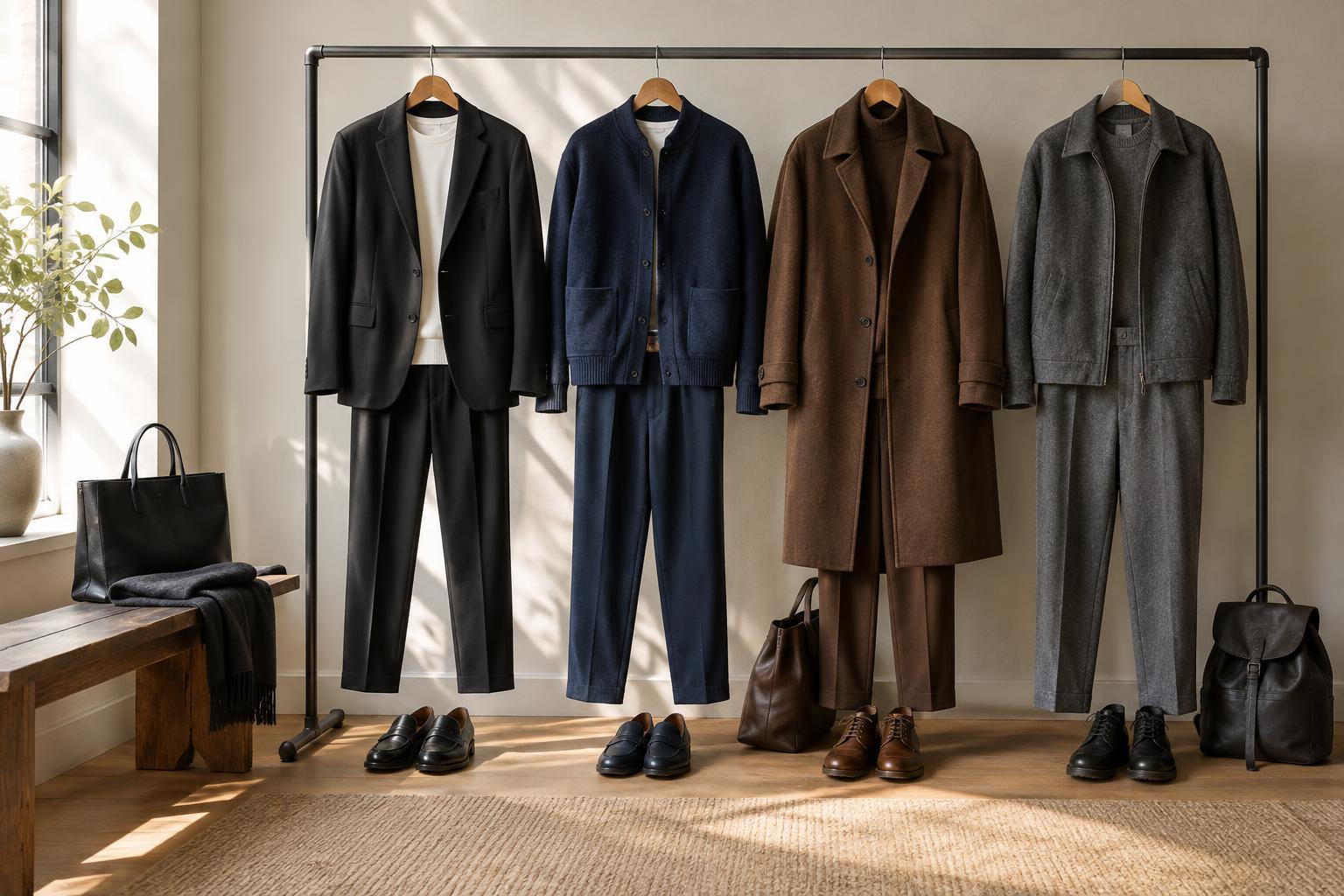
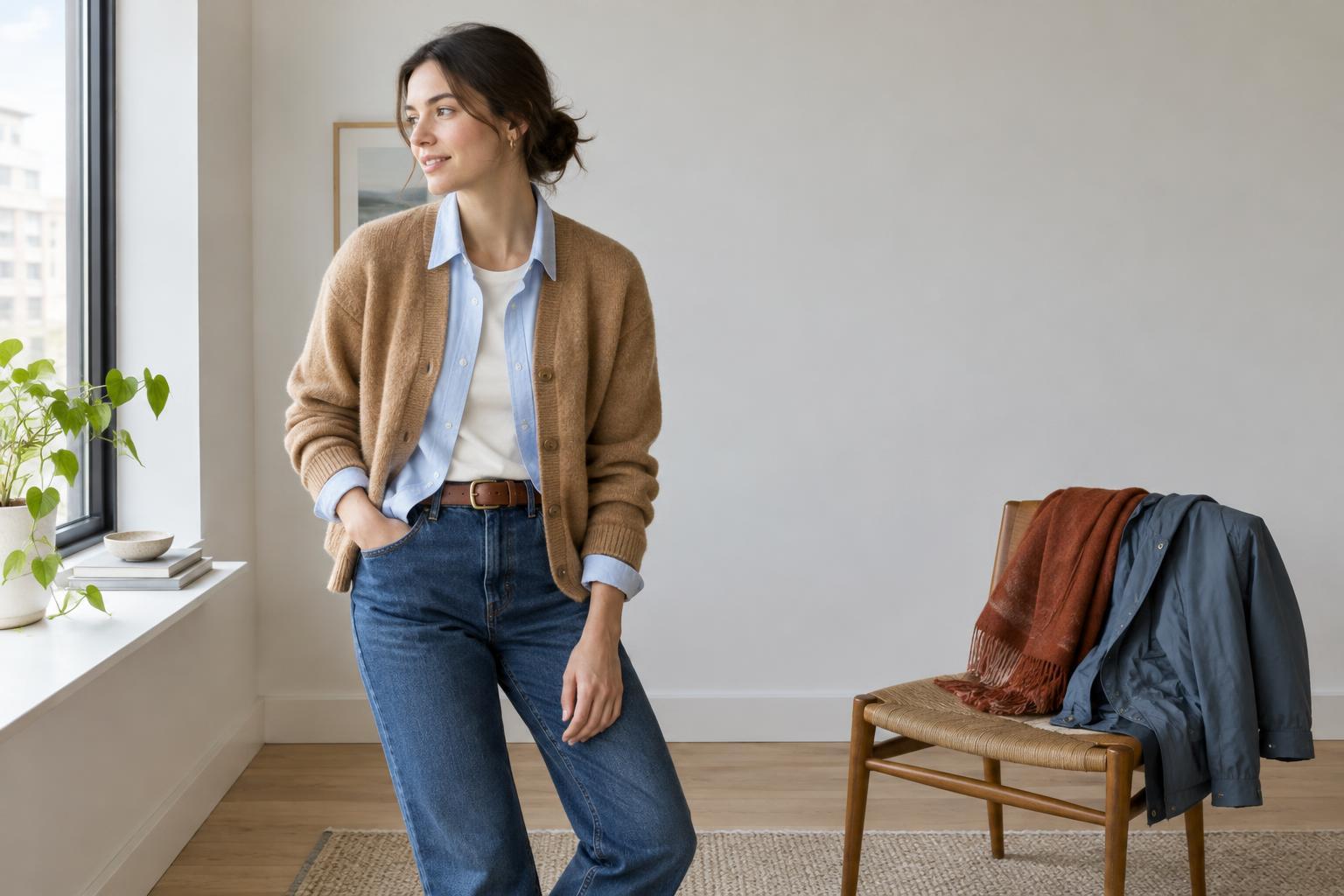
A monochrome outfit brings together pieces from one color family. They do not need to be identical: a pale blue shirt, medium-blue jeans and a navy jacket can feel cohesive while still giving the eye places to pause. This is often easier than trying to match two garments perfectly, especially when they are made from different fabrics.
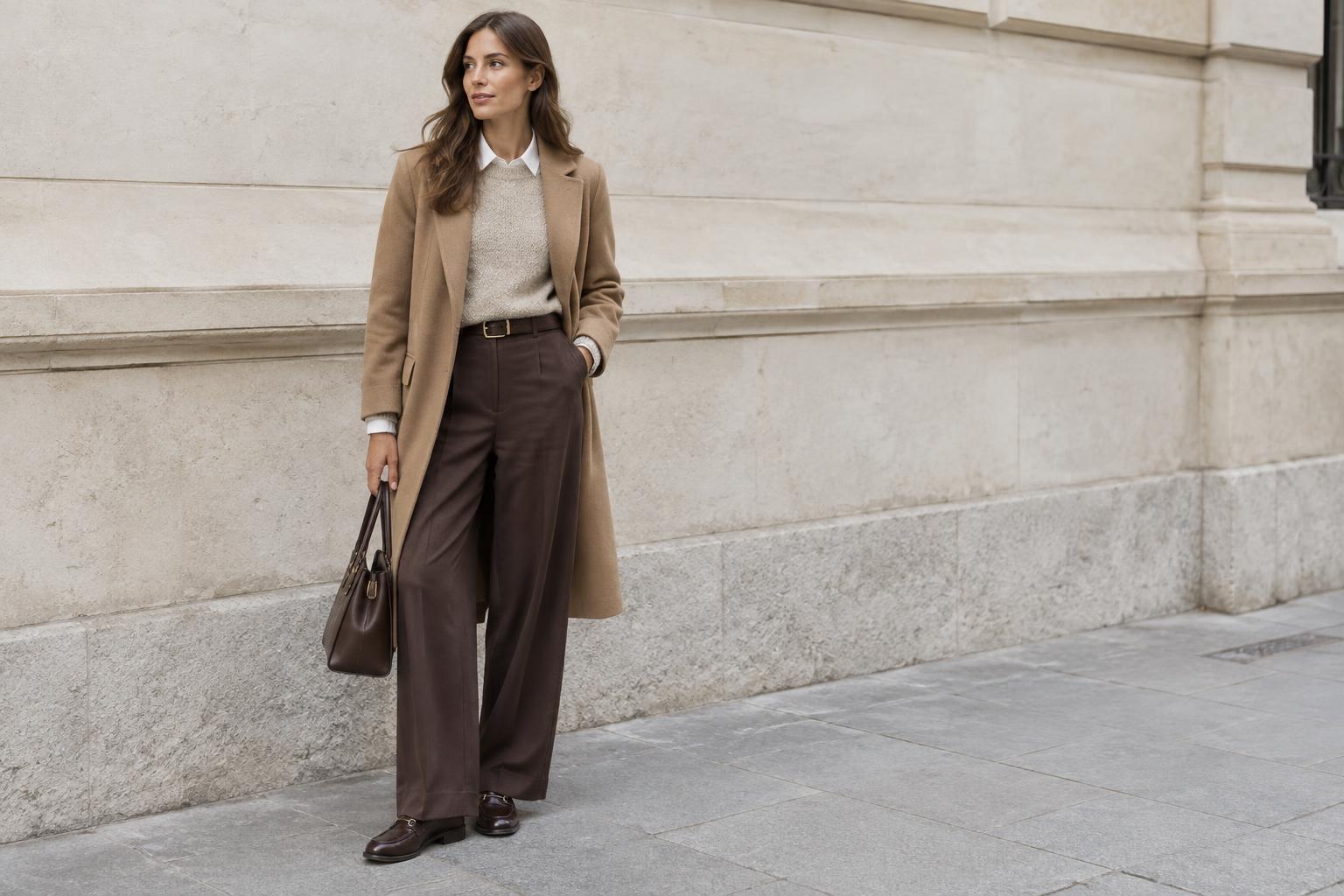
Choose a color you already wear comfortably, then look for a light, medium and dark version of it in your wardrobe. Neutrals are a straightforward starting point: think cream, taupe and deep brown, or dove gray, charcoal and near-black. You can also try a more colorful range, such as powder pink through burgundy. If a piece seems to clash despite having the right color name, check its undertone. A warm, yellow-leaning beige may look less connected to a cool, gray-leaning beige than either does to another shade with a similar undertone.
Give each shade a job
A useful way to build the outfit is to let one shade cover the largest area, use a second for structure and keep the third as an accent. For example, medium-gray trousers and a matching knit can form a calm base, while a charcoal coat defines the outline and a pale-gray scarf brightens the area near your face. The result reads as one idea without looking like a uniform.
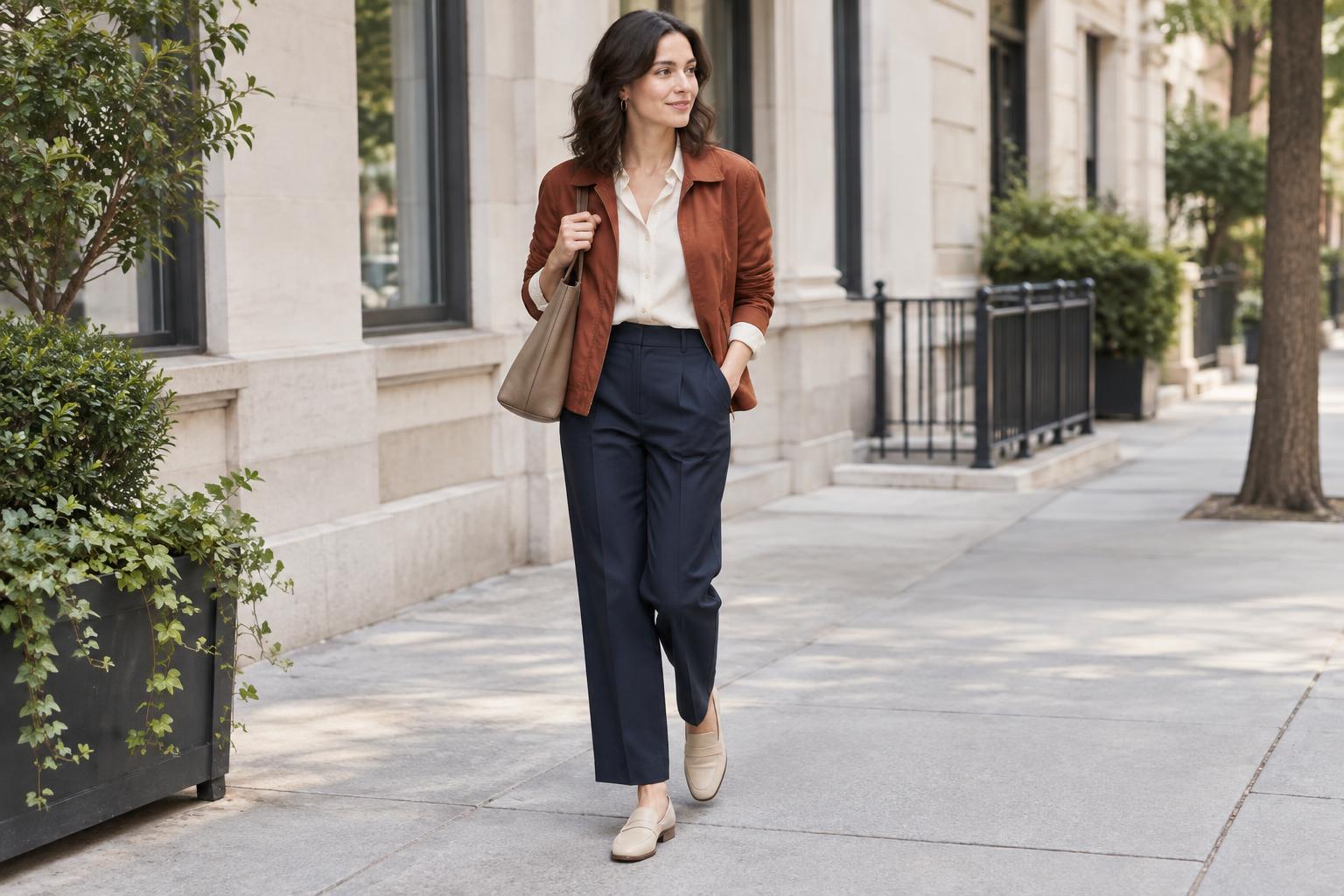
Where you place the light and dark pieces changes the effect. A darker outer layer over a lighter top creates a clear frame. Dark trousers with a lighter shirt draw attention upward, while a dark top and lighter trousers put more emphasis on the lower half. There is no required arrangement; choose one that suits the clothes you have and the part of the outfit you want to highlight. If every item is very dark, even a small lighter detail, such as a visible collar or sock, can help separate the layers.
Use texture when the shades are close
Light-to-dark contrast is only one way to add depth. Texture becomes especially useful when two garments are nearly the same shade. A smooth cotton shirt under a ribbed knit creates a visible difference without introducing another color. Likewise, matte wool trousers, a soft suede belt and a slightly lustrous jacket can each catch light differently while staying within a brown palette.
Try to balance rather than stack every interesting texture you own. A chunky sweater often has enough presence beside simple trousers and clean leather shoes. If the outfit is mostly smooth, one textured piece, such as a corduroy overshirt or woven bag, can do more work. Look at the combination in ordinary daylight when possible: fabrics that seem identical indoors may show their differences more clearly in natural light.
Let layers create visible breaks
Layering gives each shade a defined place in the outfit. A cream T-shirt showing beneath a sand-colored cardigan and a dark-tan jacket makes three levels easy to read. Leave a little of the inner layer visible at the neckline, hem or cuffs rather than covering it completely. That narrow strip is often enough to make the combination feel deliberate.
Think about the outline as well as the colors. If a long coat, wide trousers and oversized sweater are all similar in tone, their shapes may blend together. You could tuck the sweater slightly, choose a shorter jacket or add a belt to mark where one piece ends and another begins. These are options, not rules: the aim is to make the layers legible while keeping the outfit comfortable for your day.
Finish with accessories and a quick check
Shoes, bags and jewelry can reinforce the color story or provide a useful shift in value. With a navy outfit, dark-blue shoes keep the line continuous, while a lighter blue bag adds a small point of contrast. Metallic jewelry can work as a subtle highlight without turning the outfit into a different palette. Hardware, buttons and visible socks deserve a glance too; small details can either connect the pieces or draw attention away from them.
Before heading out, look at the outfit from a few steps back. Can you see where the top, bottom and outer layer begin and end? Is there one shade that anchors the look, or are several pieces competing equally? If it feels flat, change just one thing: lighten the top, darken the shoes, reveal an underlayer or swap in a different texture. Monochrome dressing works best as a flexible method for using familiar clothes, not a test of whether every shade matches.