Start with the day, not the bag
Before choosing a shape, list what you actually need to carry: phone, keys, wallet, water bottle, lunch, a book or a laptop. Then picture the journey. Will you walk for twenty minutes, stand on a train, cycle, or move between a desk and short errands? A bag that feels convenient when you leave home may feel less useful once it is full or you need both hands.
Think about access, too. If you reach for a transit card or sunglasses several times a day, an easy-to-open pocket matters. If you carry work items, check the bag’s internal dimensions rather than relying on a label such as “large.” Your best everyday option may change with the schedule: a small crossbody for an appointment, a tote for a day with extra layers, and a backpack when the load is heavier.
Choose a tote for flexible space
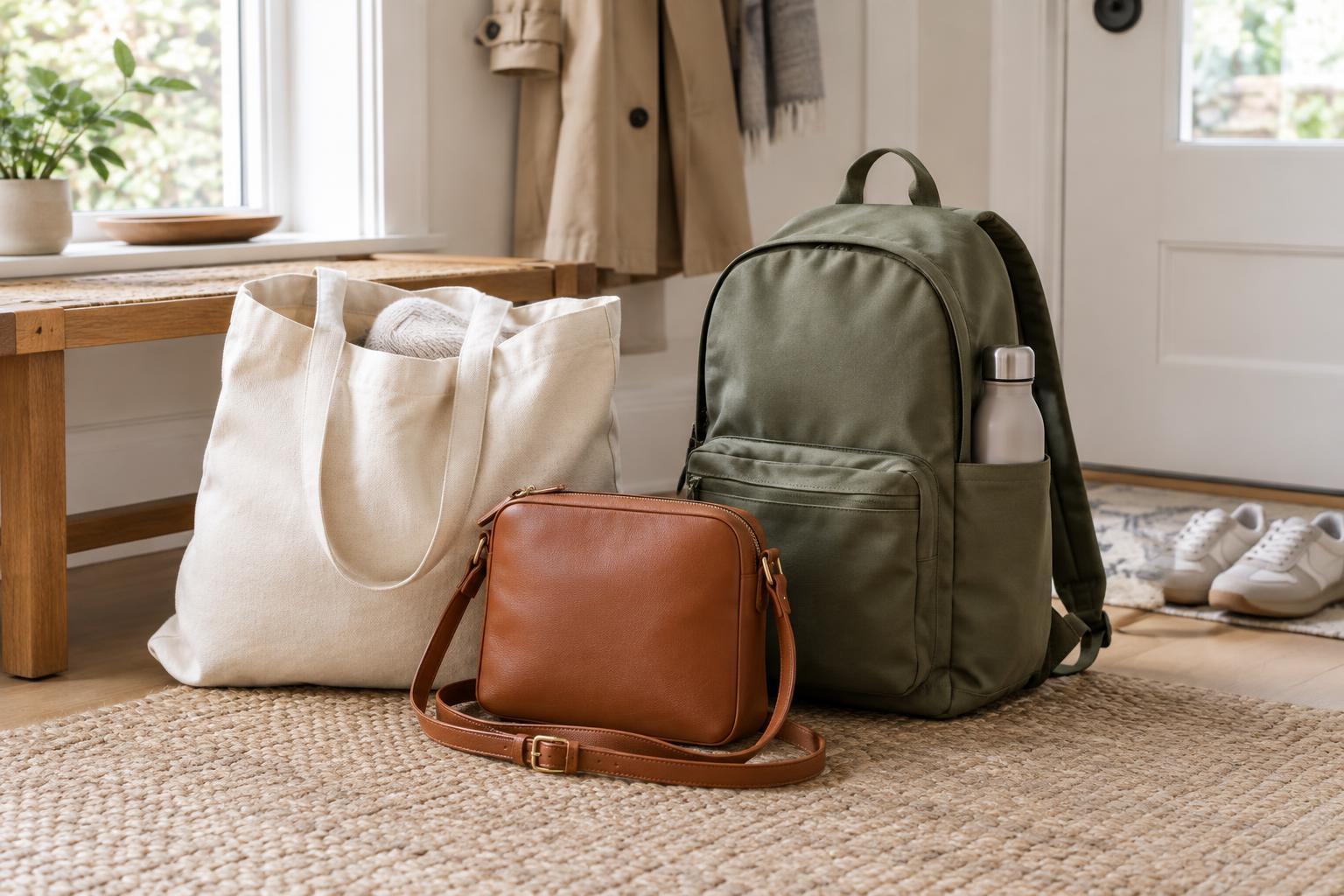
A tote suits days when your load changes. Its open, roomy shape can accommodate a scarf, shopping or a packed lunch alongside your essentials. It also pairs easily with relaxed tailoring, denim and simple dresses. A structured tote creates a neater line for work outfits; a soft canvas version feels more casual and is often easier to fold away.
The trade-off is weight on one side of your body. If you regularly fill a tote with a laptop, bottle and other dense items, consider whether its handles sit comfortably on your shoulder. Look for a handle drop that fits over your coat, a stable base if you carry containers, and an inner pocket or pouch for small objects. A closure can help keep belongings contained when the bag tips over.
Pick a crossbody when movement and access matter
A crossbody keeps your hands free while placing essentials within reach. It works well for walking, browsing shops or making frequent stops, especially when you only need a few small items. An adjustable strap lets you position it where it feels comfortable rather than accepting a fixed length that makes the bag swing or sit awkwardly.
Capacity is its main limit. Packing a small crossbody until it bulges can make it harder to find anything and less comfortable to wear. Choose one that closes securely and has enough room for your real essentials without careful stacking. For an outfit, a compact style can add definition over a loose shirt or coat. If you wear several layers, check the strap length with your outermost layer on.
Use a backpack for a fuller load
A backpack is often the practical choice when you carry a laptop, gym clothes or a full-day kit. Two straps distribute the load across both shoulders, and compartments can separate clean clothes from shoes or keep a bottle upright. For everyday use, look for straps that adjust easily, a size that fits your frame and an opening that lets you see what is inside.
A backpack is less convenient when you need constant access: you may have to take it off each time you want your wallet or notebook. An accessible outer pocket can help, though it is sensible to keep valuables in a more protected spot. Visually, a slim backpack sits neatly with a simple coat or coordinated separates, while a soft, roomy one reinforces a casual outfit. Choose the shape for the items you carry rather than forcing your belongings into the sleekest option.
Make the final choice work with your wardrobe
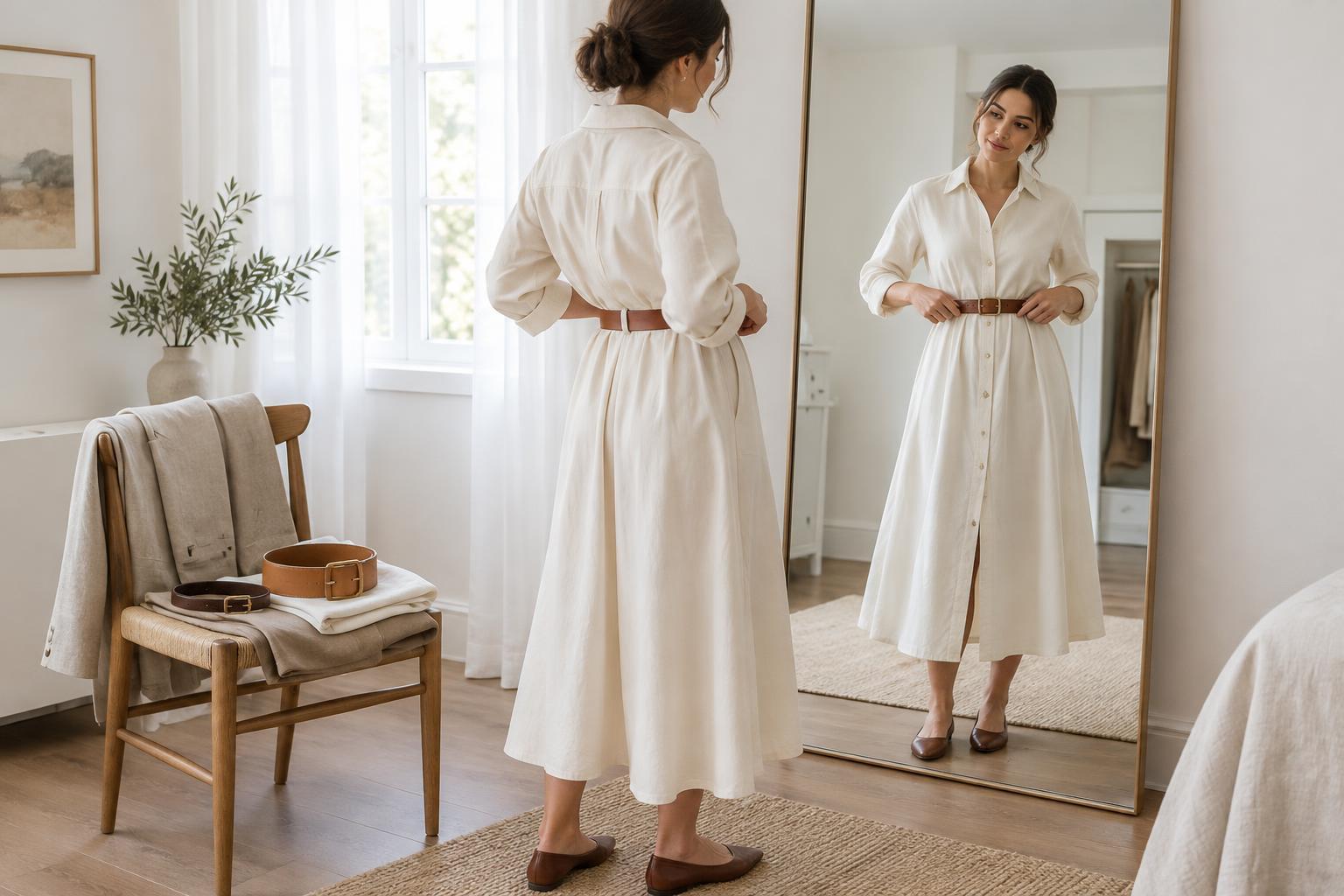
Material and color can make a useful bag easier to wear often. A neutral shade that repeats a color in your shoes, jacket or belt creates a quiet connection without requiring an exact match. A bright bag can instead be the one accent in a simple outfit. Smooth materials tend to look sharper; canvas and textured fabrics can soften more polished clothes. Before buying, check the care label and consider how the surface will handle your usual routine.
If you are deciding between two bags, pack each with your normal contents and try it with a typical outfit, including your coat. Walk around, sit down and retrieve your keys. Notice whether the opening, straps and weight still feel manageable. The right choice is the bag you can use comfortably through the whole day, not just the one that looks best while empty.