What are regenerated fibers?
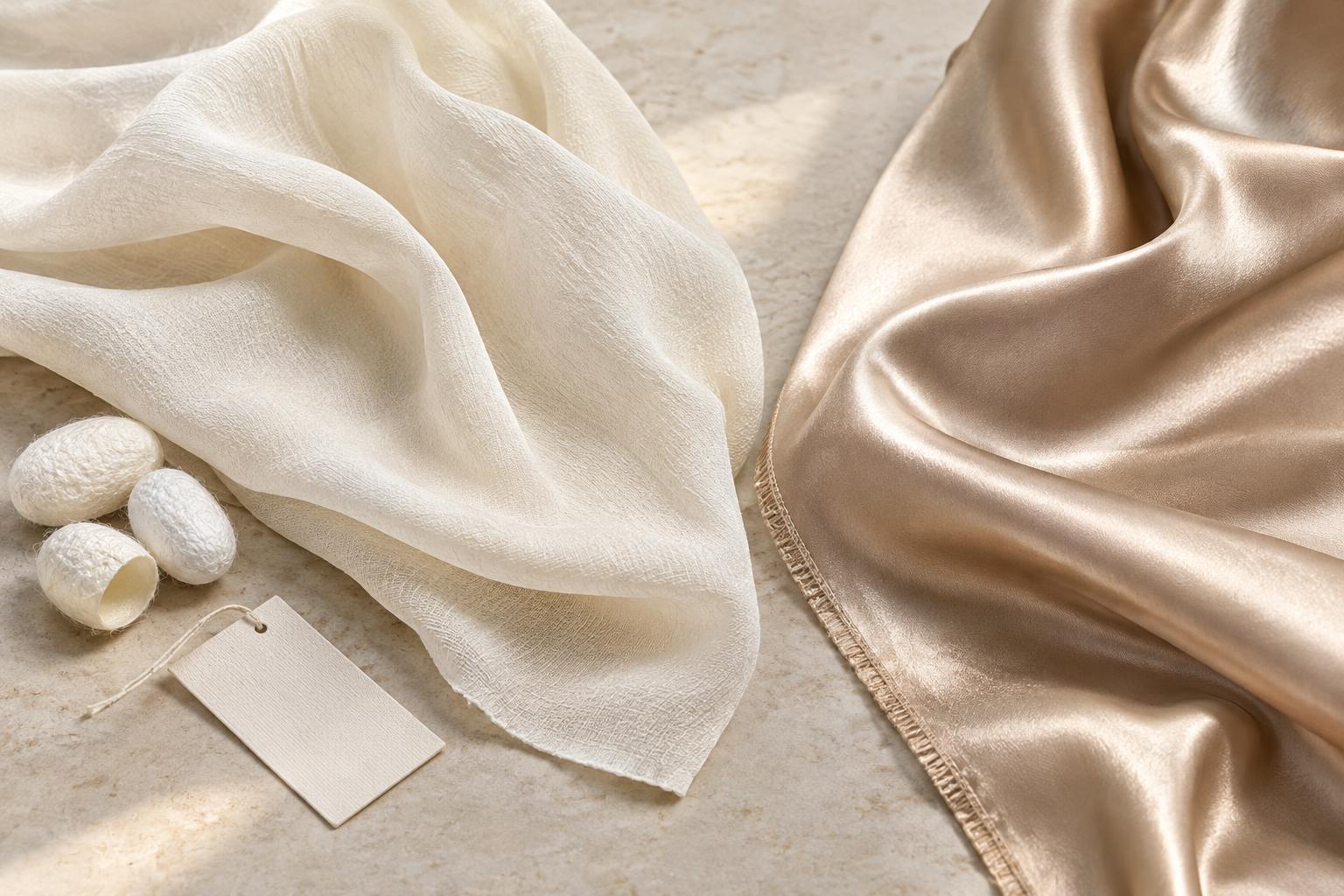
Viscose, modal and lyocell begin with cellulose, a material found in plants. To make fabric, producers process the cellulose into a solution, form it into fibers and spin those fibers into yarn. That is why these materials are often called regenerated cellulosic fibers: their starting material comes from plants, but the fibers are manufactured rather than simply harvested and spun like cotton.
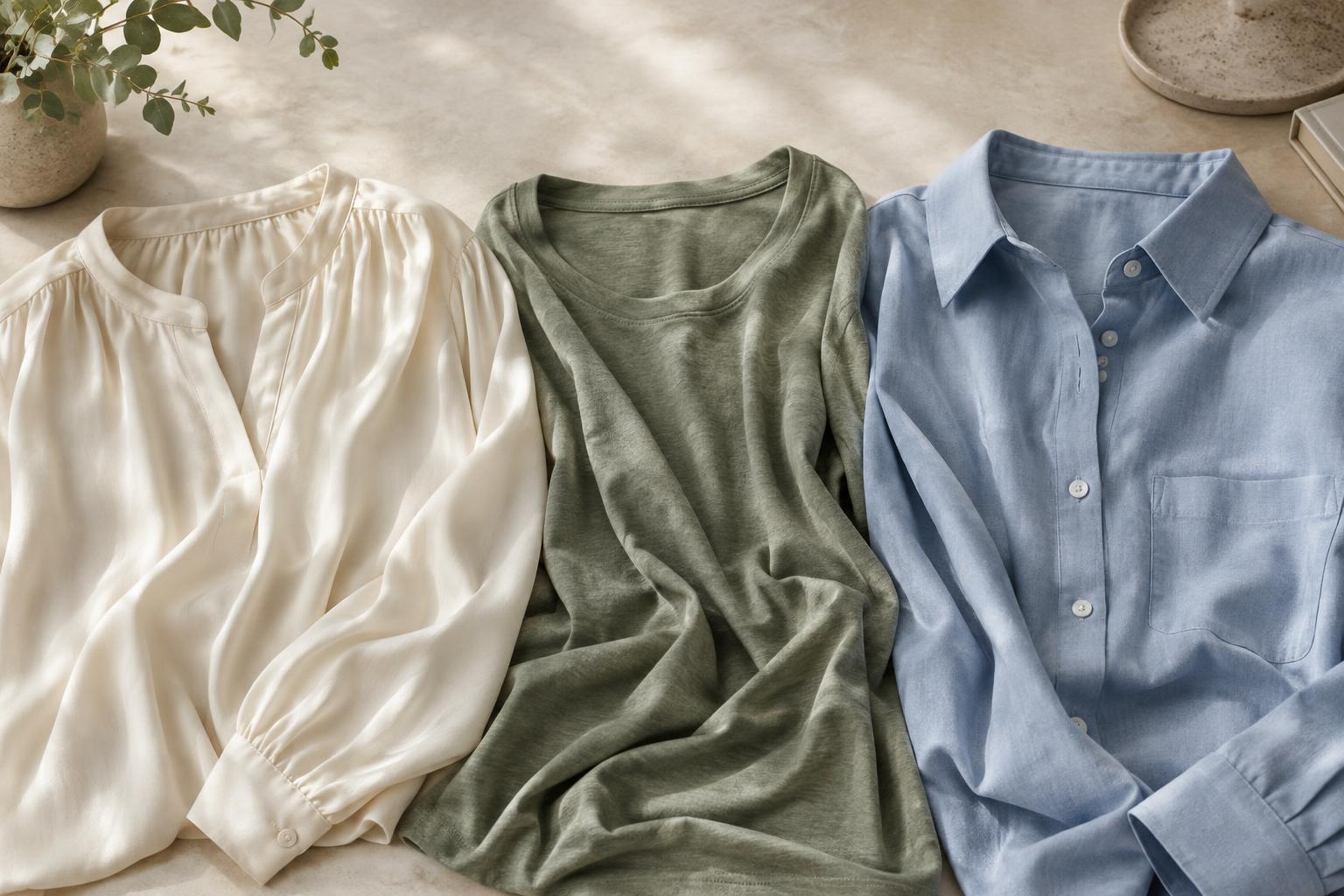
All three can make soft, breathable-feeling garments that drape closer to the body than a crisp cotton shirt. The fiber name alone, however, cannot tell you exactly how a piece will wear. A lightweight viscose blouse may be fluid and delicate, while a heavier lyocell twill may feel substantial. Weave or knit, fabric weight, finishing and any blended fibers all affect the result.
How viscose, modal and lyocell differ
Viscose is a broad, familiar option, often used for flowing dresses, blouses, linings and printed trousers. It can take color well and create an easy, liquid drape. Its drawback is that some viscose fabrics lose strength when wet and may shrink, stretch or wrinkle if washed or dried carelessly. A garment that feels lovely on the hanger may need more attention after laundry day.
Modal is also a regenerated cellulose fiber, commonly chosen for soft knits such as T-shirts, underwear and lounge pieces. It often feels smooth against the skin and can work well in garments meant to hang softly rather than hold a sharp shape. Check the fabric composition: a modal top blended with elastane will behave differently from one made only of modal.
Lyocell is made using a different production process from conventional viscose. In clothing, it appears in everything from fine, drapey shirts to denim-like fabrics. It can feel smooth and strong, but it is not automatically crease-free or immune to shrinkage. Some lyocell fabrics develop a softly worn surface; others are finished to look sleek. Let the actual garment, not just the label, guide your expectations.
Choose by the outfit you want to build
For a relaxed outfit with movement, try a viscose skirt or wide-leg trousers with a more structured piece, such as a cotton shirt or denim jacket. The contrast keeps the silhouette from feeling too loose. If you want a close-fitting base layer under a cardigan or blazer, a modal knit may be comfortable without adding much bulk. A lyocell shirt can bridge casual and polished outfits, depending on its weight and finish.
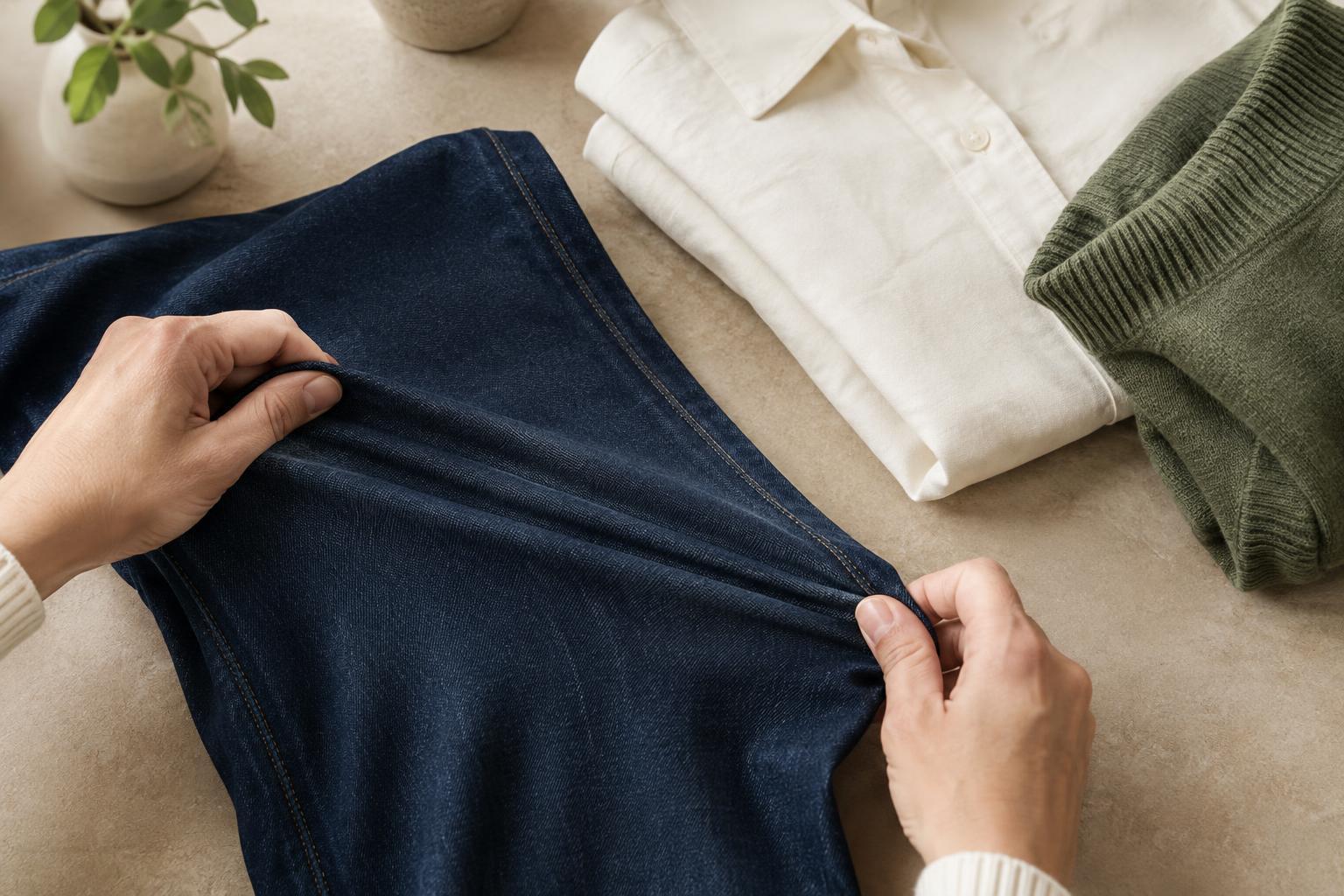
Before buying, hold the fabric up to the light to check coverage, then gently gather and release it in your hand. Does it spring back, retain creases or feel likely to cling? Look at the seams and try the garment while sitting as well as standing. Fluid fabrics can pull across the hips or knees even when they appear roomy on a hanger. For travel, consider whether you will be happy wearing the piece with a few wrinkles or whether it would need pressing.
Read the whole label, not just the fiber name
The care label matters as much as the composition label. A viscose dress may call for professional cleaning because of its lining, trim or construction, while another viscose item may be machine washable. Likewise, a blend may have different care needs from a garment made entirely of one fiber. Follow the garment’s instructions rather than assuming that every modal or lyocell piece can go into your usual wash.
Fiber names also do not provide a complete account of environmental impact. Raw-material sourcing, chemical handling, production practices, dyeing, garment quality and how long you wear a piece all matter. If a brand gives specific, understandable information about those factors, you have more to work with than a broad claim that a fabric is simply “natural” or “sustainable.”
Keep the shape and finish you liked
When a care label permits home washing, a cool, gentle cycle and a mild detergent are a sensible starting point. Turn delicate garments inside out, use a laundry bag if they could snag, and avoid overloading the machine. Do not wring a wet item; instead, press out excess water gently. Reshape it and dry it as directed on the label, away from strong heat if possible.
If a piece needs smoothing, check its label for ironing guidance and test an inconspicuous area first. A little steam may help with wrinkles, but excessive heat can affect a fabric’s finish. Most importantly, assess each garment on its own. Viscose, modal and lyocell are useful wardrobe materials precisely because they come in many forms; choosing a fabric you enjoy wearing and caring for is more valuable than choosing by fiber name alone.