Decide what coverage you want
Opacity is not simply a choice between see-through and opaque. A blouse might conceal the outline of a camisole while still showing its color. A skirt might look solid when you stand still but reveal the shape of your legs in strong backlight. Before shopping, decide what matters for that garment: hiding underwear, avoiding visible pocket bags, or feeling comfortable in bright daylight.
Think about how you will wear it, too. An unlined linen shirt worn open over a tank can be deliberately airy; the same shirt buttoned up for work may need more coverage. If you intend to wear a garment without another layer, judge it that way rather than assuming you can solve the problem later with a slip or camisole.
Use light to reveal what the hanger cannot
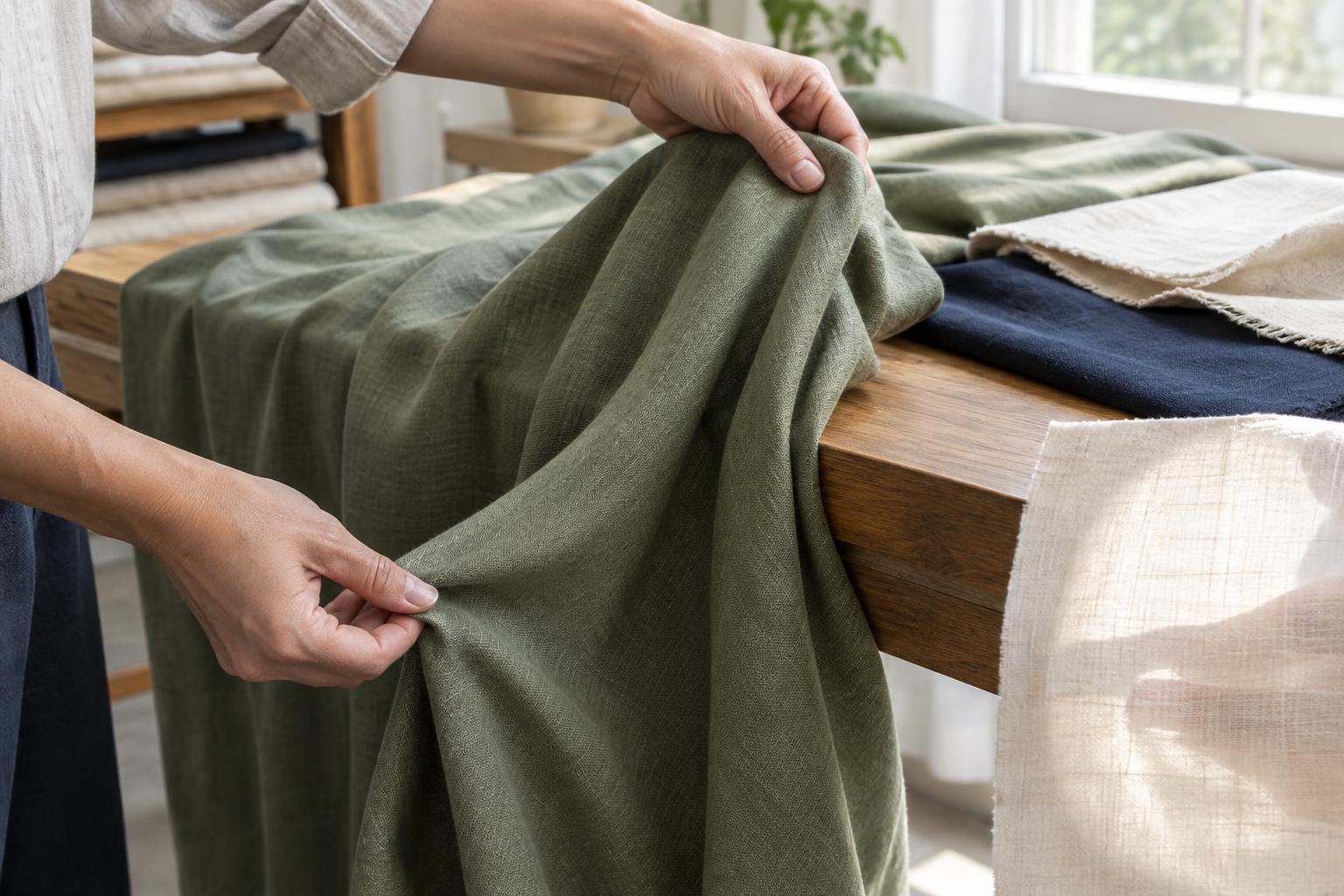
In a store, place a hand behind a single layer of fabric and move it between a darker part of the shop and a bright window or overhead light. If you can clearly distinguish your fingers or the color of your hand, the fabric may show similar contrast when worn. Hold the material as it will hang on your body rather than pulling it tight; stretching can make some fabrics look more transparent than they do at rest.
The most useful check is in a fitting room, ideally followed by a look in brighter, ordinary light if the store permits it. Face the light, turn sideways, and then stand with the light behind you. Look at the garment from a normal viewing distance, not only close to the mirror. Strong fitting-room spotlights can exaggerate show-through, while dim lighting can hide it, so treat either result as one clue rather than a final verdict.
Check the areas that stretch or overlap
A fabric sample does not tell the whole story because a garment changes as you move. Sit down in trousers or a skirt, bend your knees, and check the seat and upper thighs. In a top, raise your arms and look across the chest and shoulders. Fabric pulled over the body can become thinner-looking, particularly in knits, and pale garments may show seams or underwear more clearly at these points.
Also inspect places where layers meet. Pocket bags, facings, button plackets, hems and turned-up cuffs can create darker or lighter shapes beneath a single layer. These contrasts are not necessarily a flaw, but they may be more noticeable than the outline of your hand behind the fabric. For a button-front garment, check the spaces between buttons while standing and sitting; gaping is a fit issue that an opacity test alone will not catch.
Read fabric clues without relying on the label alone
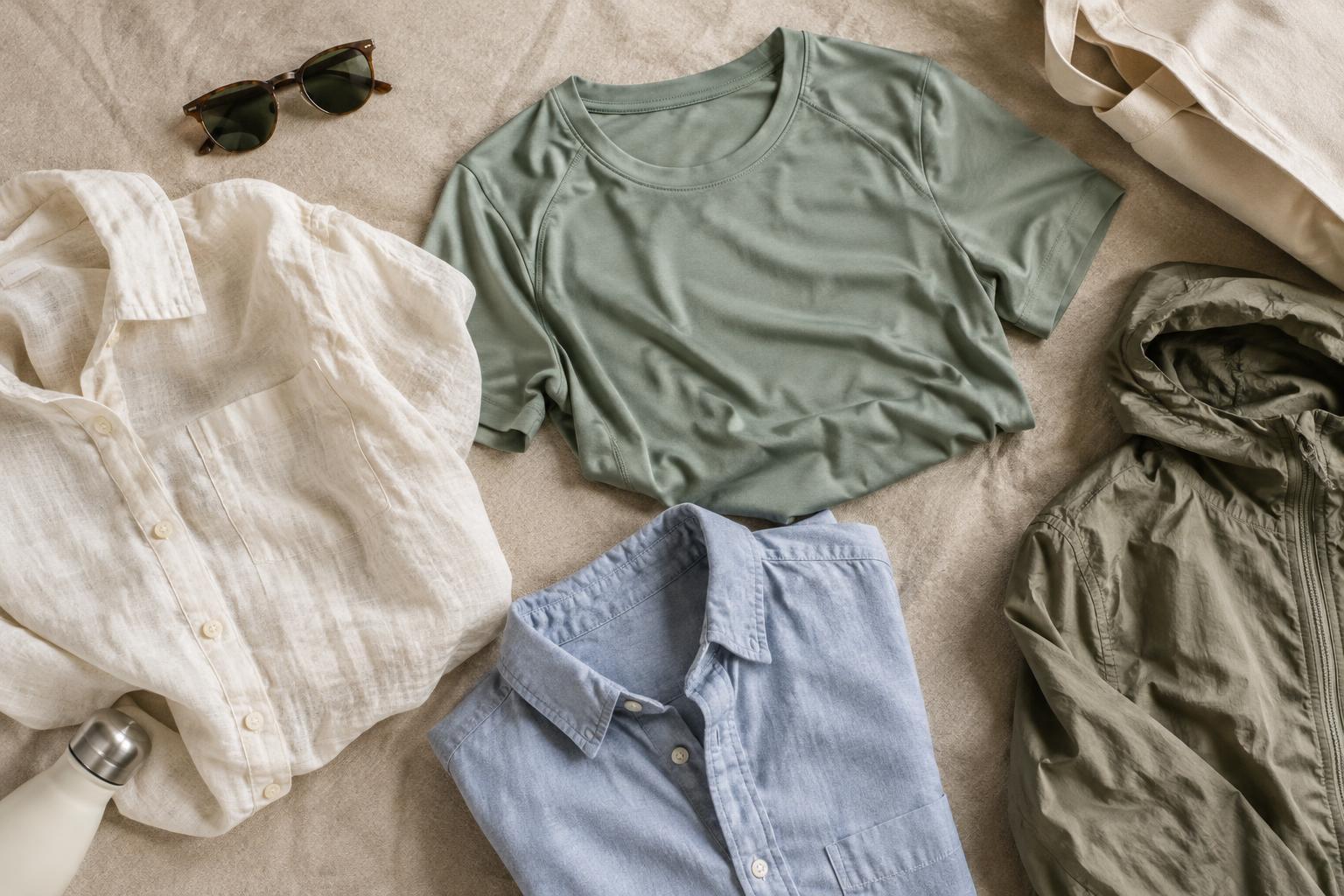
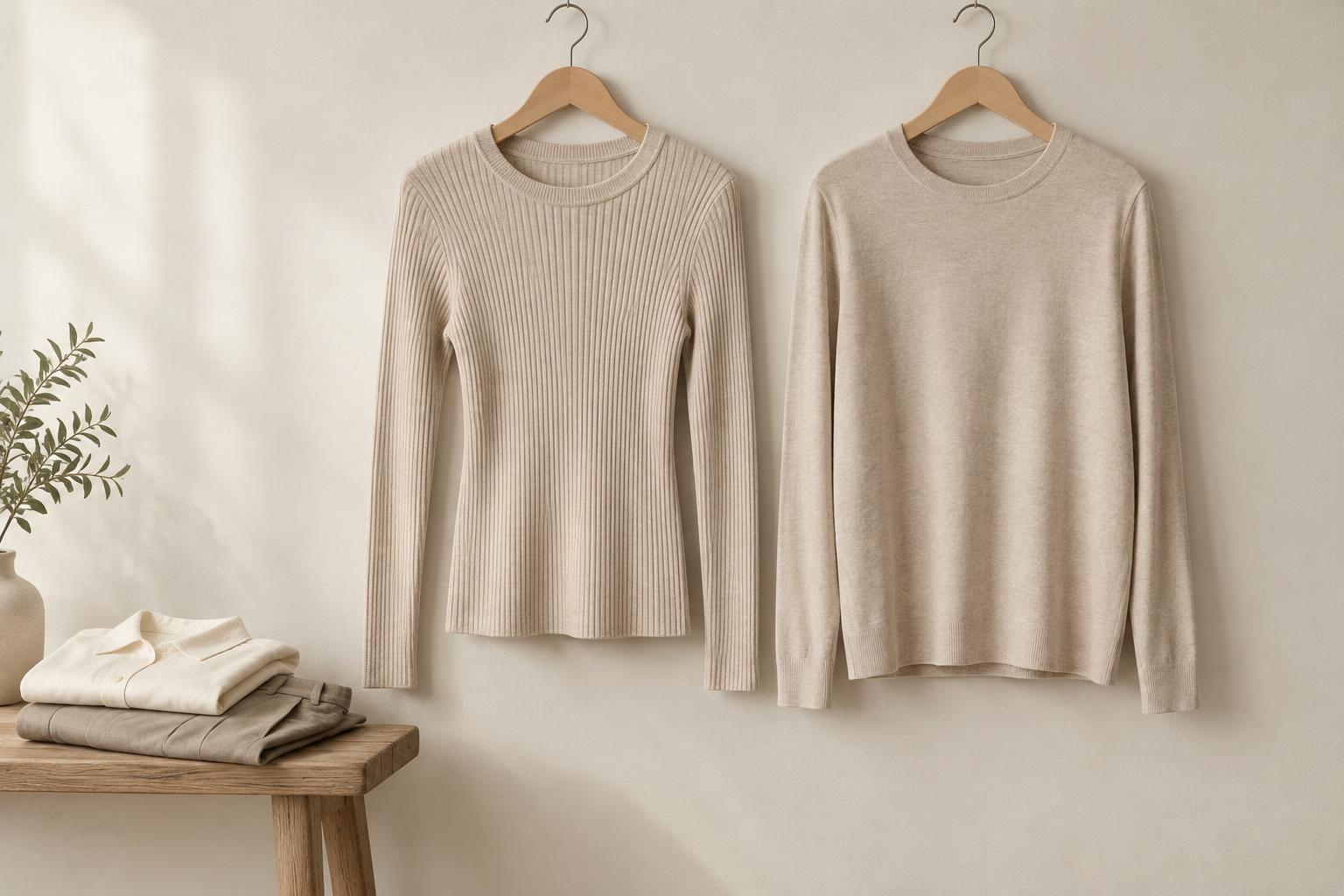
Weight, weave and color all affect how much a fabric reveals. A dense weave often offers more coverage than an open one of similar weight, while a loosely knitted top may become more revealing when stretched. Light colors can make darker underlayers stand out, and texture may scatter light in a way that softens outlines. None of these clues guarantees opacity: two garments with the same fiber content can behave differently because of their construction.
Feel the material and look closely at its surface. Can you see spaces between threads when you hold it to the light? Does it fall away from the body, or cling to every contour? A flowing fabric may provide comfortable coverage while you are standing yet shift against the body as you walk. If the garment is likely to shrink or change texture with washing, follow its care label and allow for some uncertainty rather than expecting the unworn finish to stay exactly the same.
Make a more informed choice online
Online photos rarely reproduce every lighting condition. Look for images of the garment both on a person and laid flat, and compare views from the front, side and back. Zoom in on hems, pockets and sleeves for signs of show-through. A white garment photographed against a white background may be especially difficult to assess, so read the description for terms such as sheer, semi-sheer, lightweight or unlined without assuming they describe exactly how it will look on you.
If coverage is essential, check the return policy before ordering and try the garment on at home with the underwear or base layer you plan to wear. Inspect it in daylight as well as indoor light, and move around before removing any tags. If it needs a layer you did not want to add, returning it may serve your wardrobe better than keeping a piece you will hesitate to wear.