Start with the care label
The quickest way to decide between tumble-drying and air-drying is to check the garment’s care label. If it says not to tumble-dry, keep the item out of the machine, even if a short cycle seems harmless. If tumble-drying is allowed, look for any heat restriction. A low-temperature setting is often the more cautious choice when you are unsure how a garment will respond.
The label is a starting point, but the garment’s shape and details matter too. A plain cotton T-shirt, a structured blazer and a stretchy top may all need different handling after washing. Consider whether heat could affect fit, whether hanging could pull the fabric out of shape, and whether trims, prints or elastic need extra care. If you are drying an item for the first time, a gentler method makes it easier to see how it behaves.
When tumble-drying makes sense
A tumble dryer is useful when you need laundry ready quickly or have limited space for drying. It can also leave suitable towels feeling softer than they do when they dry on a rack. For everyday items whose labels permit machine drying, try sorting by fabric weight rather than putting everything into one load. Thin shirts may be dry while heavy sweatshirts are still damp; leaving both in the dryer can expose the lighter pieces to more heat than they need.
Use the lowest suitable heat setting and take clothes out once they are dry. An overfilled drum gives garments less room to move and may make drying uneven, while an overly long cycle can increase the chance of shrinkage or wear. Shake out items before loading them, and remove them promptly at the end to reduce creases. If a garment is slightly damp, you can often finish it on a hanger or rack instead of running another full cycle.
When air-drying is the gentler choice
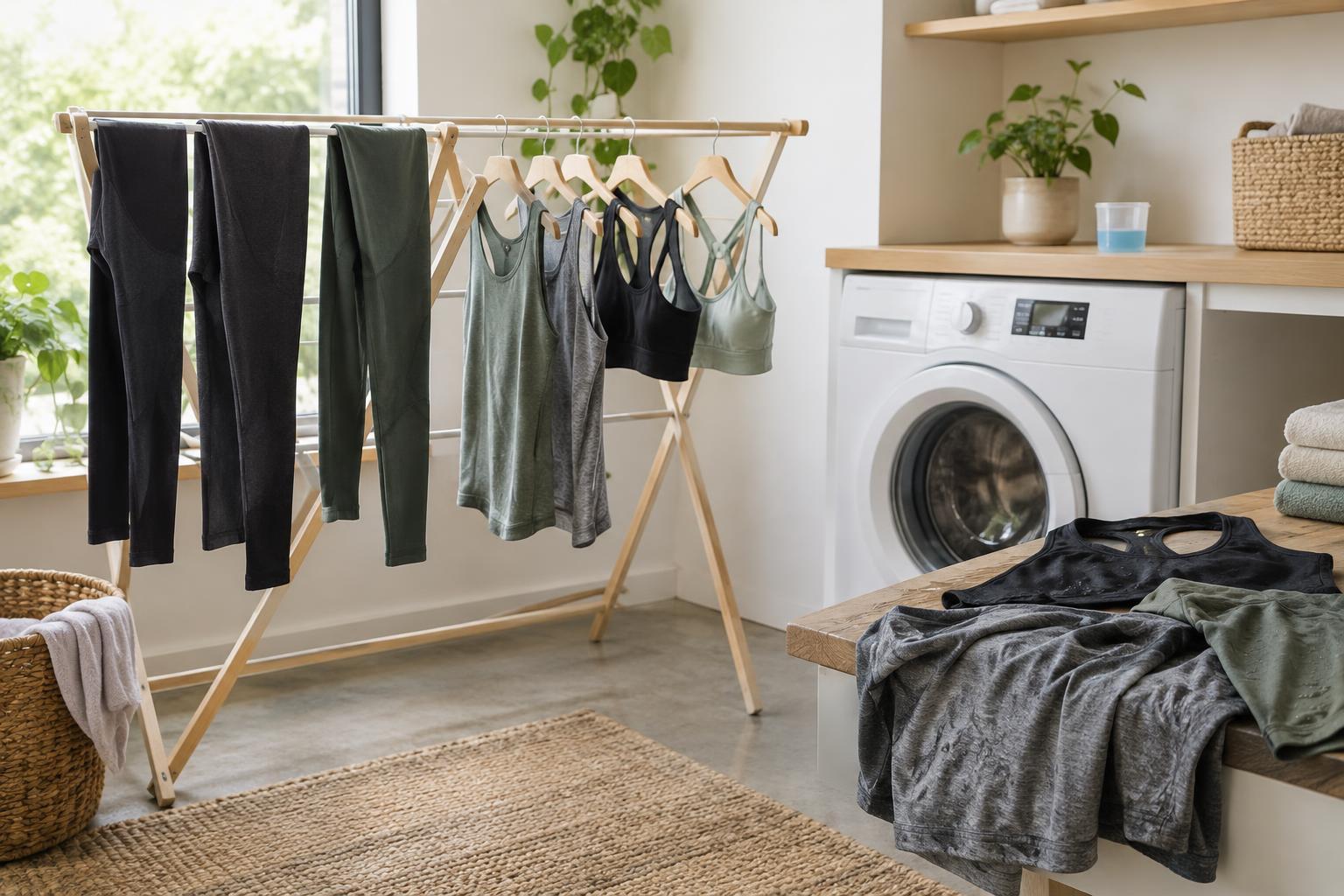
Air-drying is worth considering for garments that may shrink, lose their shape or suffer from repeated heat exposure. Stretchy items, delicate fabrics, pieces with embellishments and clothes with prints often benefit from being kept out of the dryer, subject to their care labels. It is also a useful option when you want to limit machine drying. Air-drying is not automatically risk-free, though: the weight of water can stretch some garments if they are hung incorrectly.
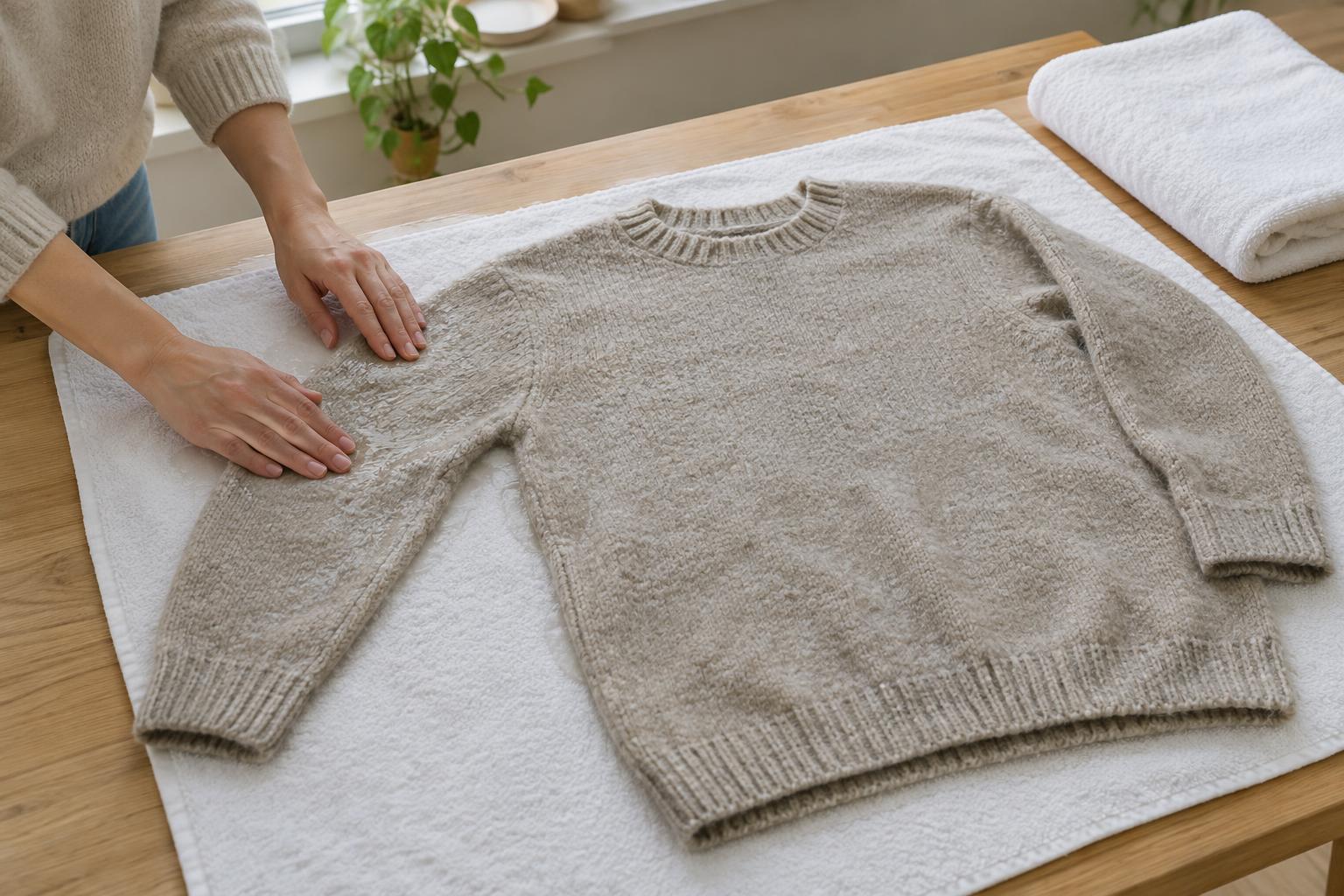
For sweaters and other heavy knits, gently reshape the garment and lay it flat on a suitable drying surface, turning it if needed. For shirts and lighter woven pieces, a hanger can help preserve the shoulder line and make later ironing easier; choose a hanger that supports the shape without leaving points or dents. Avoid packing clothes tightly on a rack. Space between items helps air circulate and lets damp seams and waistbands dry more evenly.
Match the method to the garment
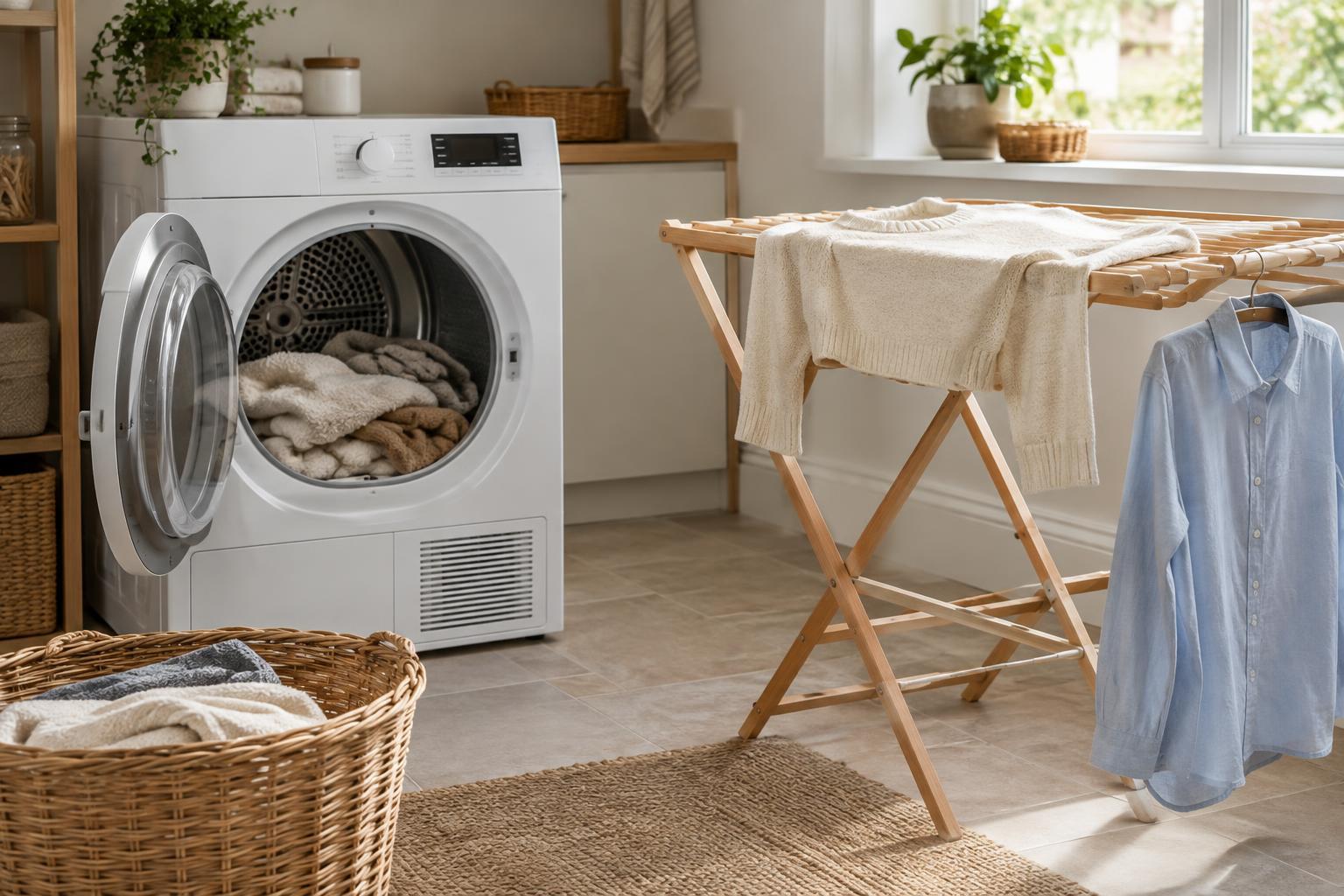
For a simple outfit, you may use more than one drying method. A label-approved cotton tee might go into the dryer on low heat, while a fine knit worn over it dries flat. Jeans may be air-dried to reduce heat exposure, but allow extra time for pockets and thick seams. Towels can go in the dryer if their labels allow it, especially when you prefer a softer feel; if you air-dry them, spread them out fully and make sure they are completely dry before storing them.
Pay particular attention to mixed-material garments. A dress with a fabric body and elasticated waist, or a top with a decorative print, should be treated with its most vulnerable component in mind. When convenience and caution pull in different directions, a combination can work: air-dry until nearly dry, then use a brief permitted low-heat cycle if you want to soften the fabric or ease wrinkles. Do not use that approach on anything labeled against tumble-drying.
Build a drying routine that fits your space
Good results start before drying. Use the washer’s appropriate spin setting so clothes are not dripping, then shake out folds and straighten hems, collars and sleeves. Indoors, put the rack somewhere with ventilation and leave space around it; persistent dampness is a sign that the load needs more airflow or more time. Outdoors, consider shade for dark or vivid clothes that may fade with prolonged direct sun, and secure lighter pieces so they stay clean.
The best routine is flexible rather than strictly pro-dryer or pro-rack. Check the label, think about the fabric and construction, and choose a method that lets the item dry thoroughly without unnecessary heat or stretching. Those small decisions help everyday clothes keep the fit and finish that made you reach for them in the first place.